








Introduction:Want to brew coffee with a rich crema and bold flavor at home using a moka pot? This article explains the basic working principles of the moka pot, the key factors that affect crema extraction, and provides step-by-step guidance on how to brew high-quality milk coffee with a moka pot. Whether you’re a beginner or a coffee enthusiast, you’ll gain practical tips and grind details to enhance your home coffee experience.
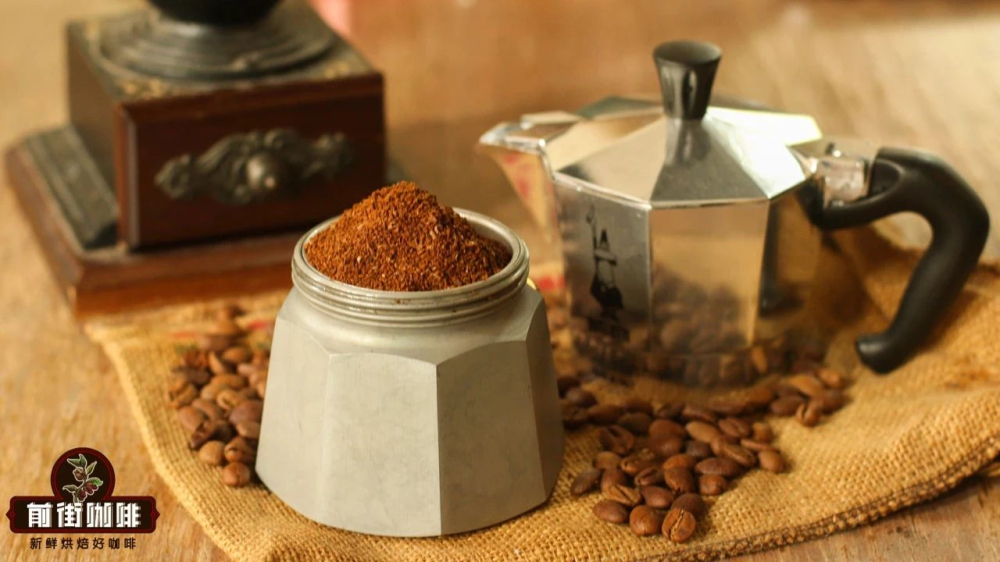
A moka pot is a classic coffee brewing device that uses steam pressure generated by heat to extract coffee, making it perfect for daily home use or outdoor camping. With just a heat source and freshly roasted coffee beans, you can quickly brew a concentrated coffee liquid. Adjust the strength by adding hot water for an Americano, or mix in fresh milk to make a latte. This flexible and convenient brewing method is the starting point for many coffee lovers entering the world of espresso-style coffee.

Just like traditional espresso, the allure of moka pot coffee lies in its golden, velvety crema. This layer of crema is actually formed by the emulsification of carbon dioxide from the coffee grounds with oils under high pressure. Therefore, using freshly roasted coffee beans is crucial. Generally, the five days after roasting are when the coffee’s flavors are at their peak, as the carbon dioxide content is abundant, which helps create that captivating crema.
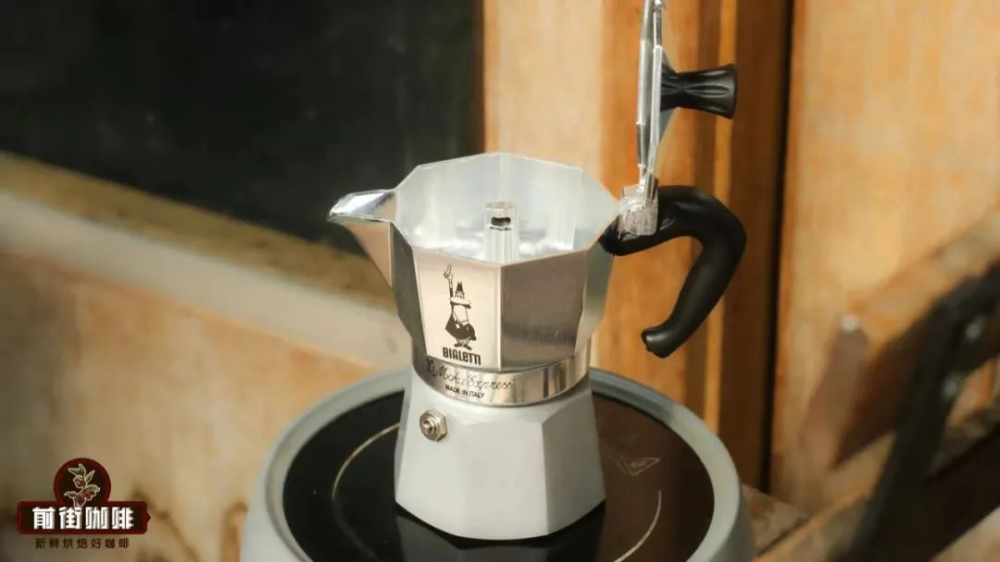
In addition to freshness, the roast level of the coffee beans directly affects the extraction. Darker roasted beans release more carbon dioxide during the roasting process, allowing them to yield more crema under the high temperature and pressure conditions of a moka pot. In contrast, lighter roasted beans, with their lower carbon dioxide levels and more pronounced acidity, can produce sharp sourness and unpleasant bitterness when extracted at the high temperatures of a moka pot. Therefore, it is recommended to choose beans with a medium to dark roast or higher, which help improve overall flavor balance and deliver a richer, fuller body.

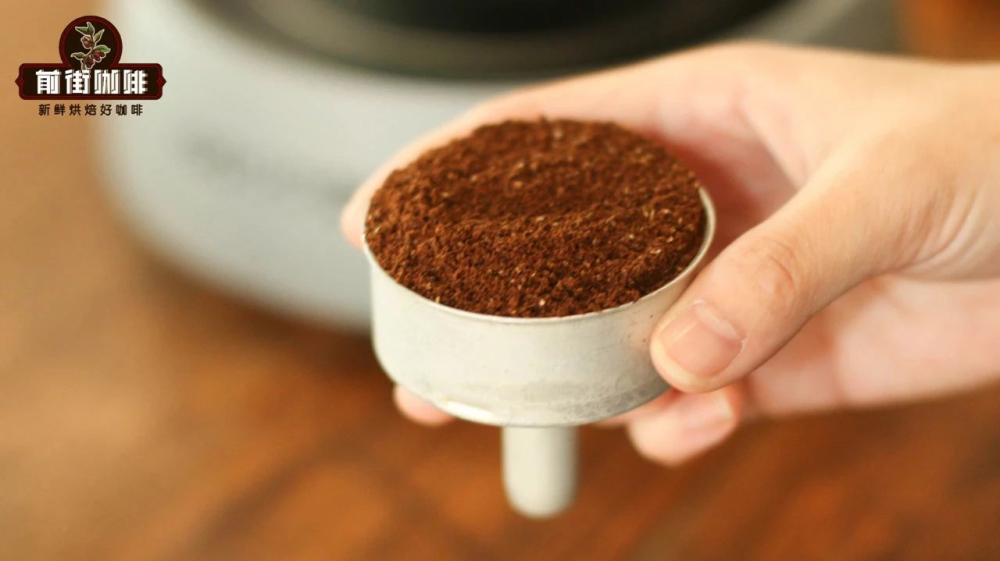
When actually using a moka pot, it’s recommended to follow these steps. First, fill the bottom chamber of the moka pot with fresh water, keeping the water level about 0.5 cm below the safety valve to avoid submerging the valve, which could impact pressure release and extraction stability.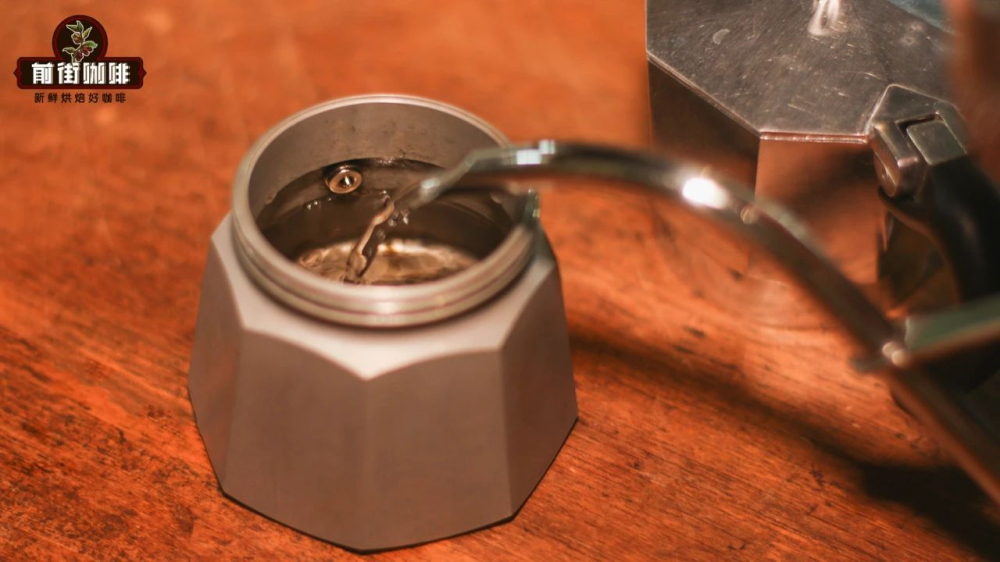 Next, choose coffee grounds that are slightly coarser than standard espresso grind—roughly similar to the texture of sea salt. This grind size helps prevent over-extraction and the resulting excessive bitterness. Fill the coffee basket with the grounds, gently tamp it down, and use a distribution technique to create an even, slightly domed surface. This promotes even heating.
Reassemble the coffee basket into the bottom chamber, ensure the upper and lower chambers are securely locked, and place the moka pot on an electric stove or hob over high heat. When you hear a distinct “wuu wuu” sound, it indicates that sufficient pressure has built up inside. At this point, reduce the heat to low and open the top chamber to observe the extraction. When about half of the coffee has flowed into the upper chamber, it’s recommended to turn off the heat and let the remaining coffee be pushed up by the residual heat and pressure—this helps avoid over-extraction.
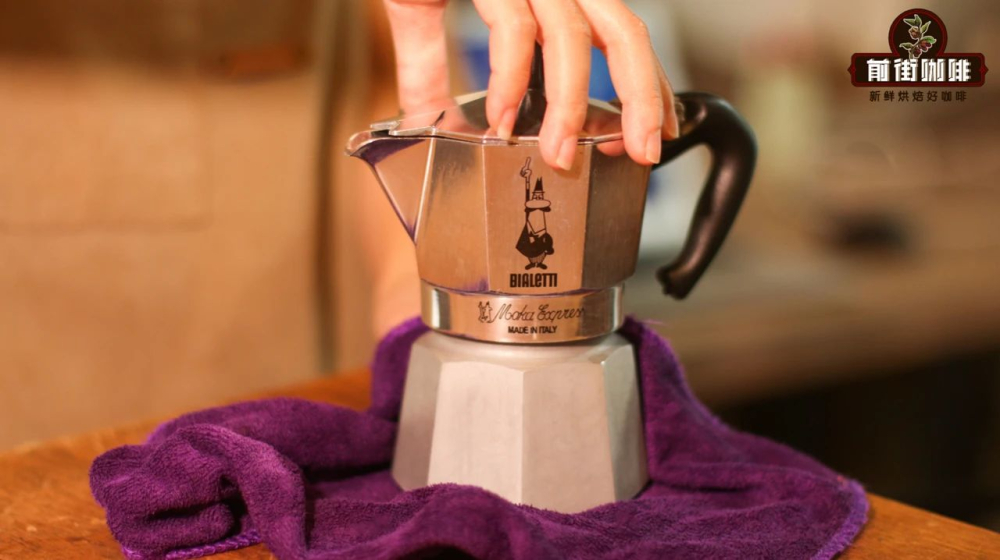
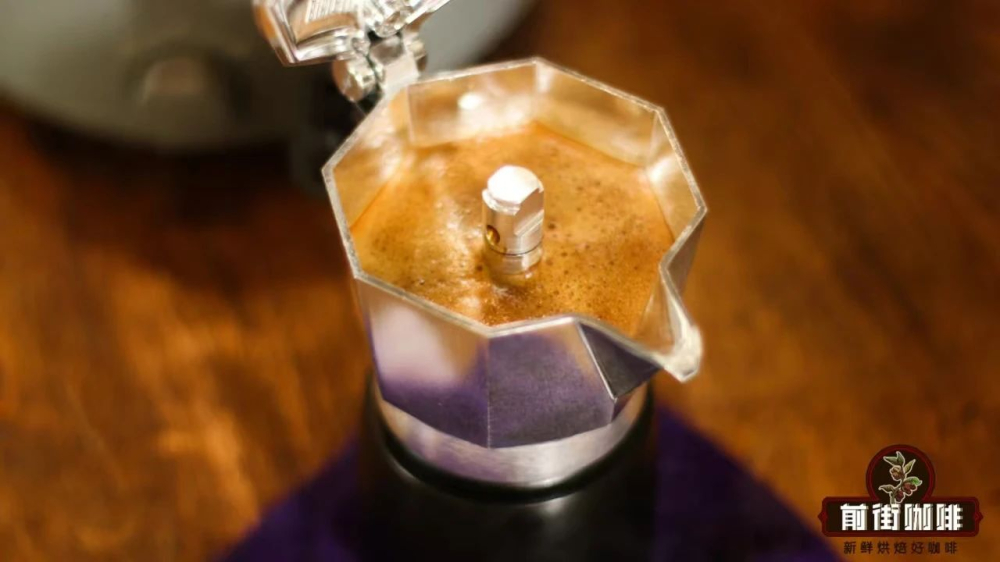
Once brewing is complete, pour the coffee from the upper chamber into your cup. To make a moka pot latte, simply add an appropriate amount of fresh milk to enjoy a rich and smooth milk coffee. It’s worth noting that moka pot coffee already has a naturally full body that blends well with milk. Choosing the right beans can further highlight delightful flavor layers such as nuts and caramel.

Regarding grind selection, it is recommended to aim for a standard sieve percentage: for moka pot brewing, a range of 75%–80% is ideal, offering a texture between pour over and espresso, roughly similar to coarse table salt. A grind that is too fine may cause channeling or over-extraction, leading to unwanted off-flavors and bitterness. If you’re unsure about the grind size, you can use a sieve tool or refer to commercially available standard grind ranges to adjust and find the optimal settings for your specific setup and beans.


The above content is compiled by CoffeeHunters, a coffee news website.


