







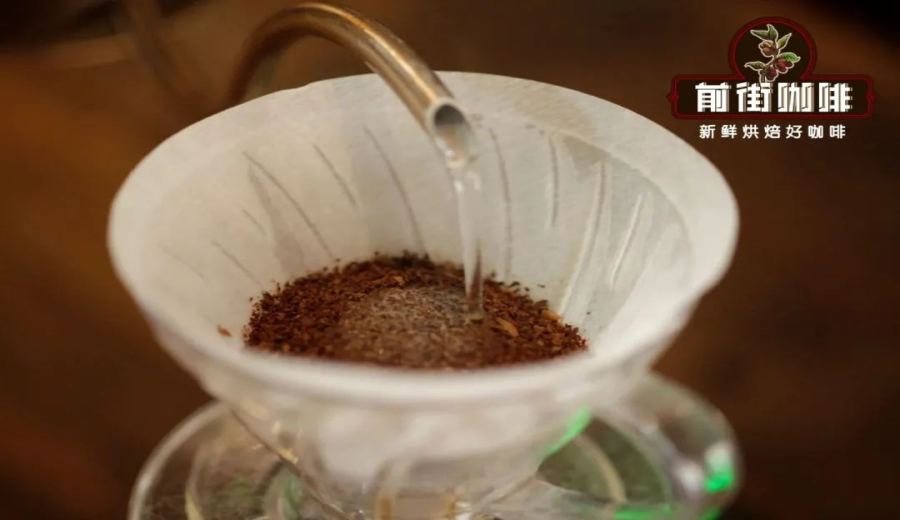
Introduction:Blooming is the crucial first step in pour over coffee, yet its importance is often overlooked. This article delves into how blooming affects the release of coffee flavors and extraction efficiency, covering everything from scientific principles to practical techniques. Learn why proper blooming can bring out the floral notes and complexity of your coffee, avoid common mistakes, and brew rich, flavorful pour over coffee at home—even as a beginner.
In the process of manual coffee brewing, there’s one brief but extremely critical step: "blooming." Many assume it’s just a preliminary action of pouring hot water gently over coffee grounds, but in reality, it has a decisive impact on the final flavor profile. A good bloom not only draws out the coffee’s rich aromas but also lays a solid foundation for subsequent extraction.
So, what exactly is blooming? Simply put, it’s the process of evenly wetting the coffee grounds with a small amount of hot water before the actual extraction begins. This allows the carbon dioxide trapped in the grounds to be released and helps the coffee absorb water and expand. Though it seems simple, this step involves many details that influence the taste of your coffee.
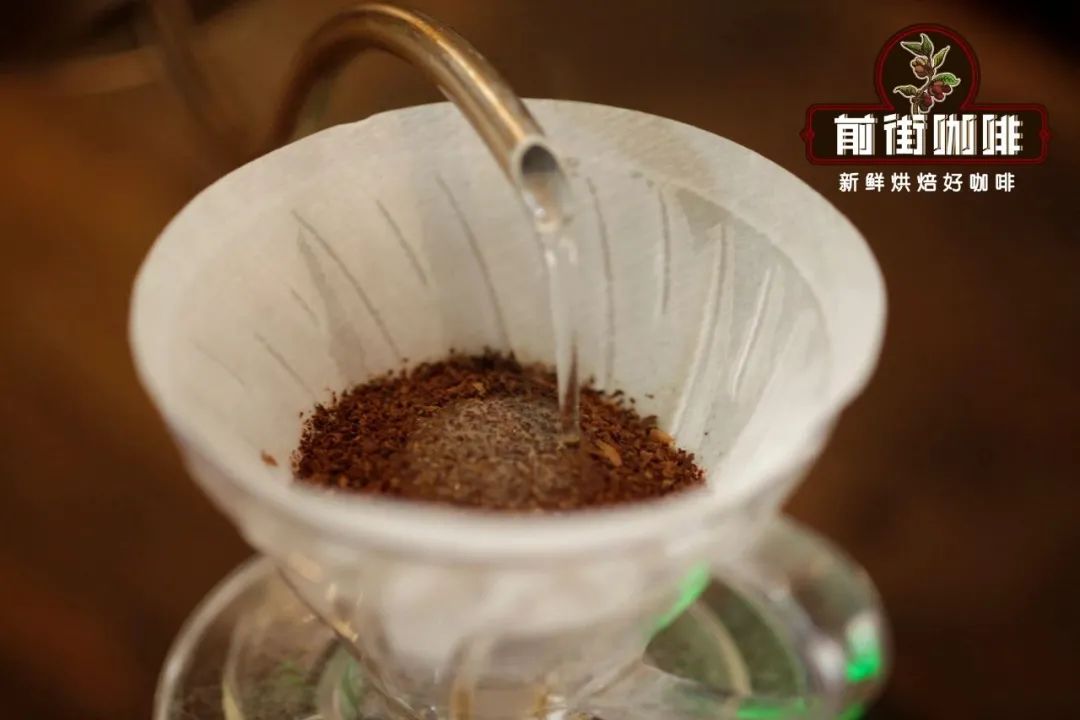
The primary functions of blooming can be divided into two aspects. First, the hot water prompts the rapid release of carbon dioxide that remains in the coffee grounds after roasting. If this gas isn’t released in time, it can block water molecules from penetrating the coffee, affecting the dissolution of flavor compounds. Trapped CO₂ may also cause uneven water flow in the filter, reducing extraction consistency.Additionally, the degassing process creates gaps within the coffee bed. If these gaps are too large, it can accelerate the flow rate of hot water, leading to incomplete extraction.
Secondly, through blooming, the coffee grounds uniformly absorb water and naturally expand. This ensures every coffee particle has a chance to come into contact with hot water, helping to release a fuller range of flavor compounds during subsequent extraction stages. This is especially important when brewing freshly roasted coffee beans.
To achieve a good bloom, controlling water temperature and volume is especially important. Generally, it’s recommended to use about2–3 times the weight of the coffee grounds in waterfor blooming. This is because, as the coffee absorbs water, some of it also seeps through the filter or gaps between the grounds. Sufficient water ensures the grounds are fully moistened, setting the stage for optimal extraction.
However, there are several common mistakes to watch out for when performing the bloom:
The first is water volume.Using too much water can cause the liquid to pass through the coffee bed too quickly, potentially extracting only surface impurities while leaving internal flavors unawakened—resulting in a thin, even astringent cup. Conversely, too little water prevents even absorption, leaving parts of the coffee inadequately wetted and under-extracted, which leads to incomplete flavor development.
The second is the pouring technique.Many beginners use an overly gentle pouring method during the bloom—either with a very fine stream or from too low a height—so the hot water fails to effectively penetrate the surface layer of coffee. It then relies solely on capillary action to slowly soak in. This not only prolongs the blooming time but may also cause faster flow at the edges and insufficient wetting in the center, significantly compromising the overall bloom effect.It’s advisable to moderately increase the pouring height and adjust the stream thickness, using gravity and water pressure to help the water quickly and evenly penetrate the coffee bed.If you’re concerned about splashing, you can bring the spout slightly closer to the coffee bed—but still maintain some height to ensure proper penetration.
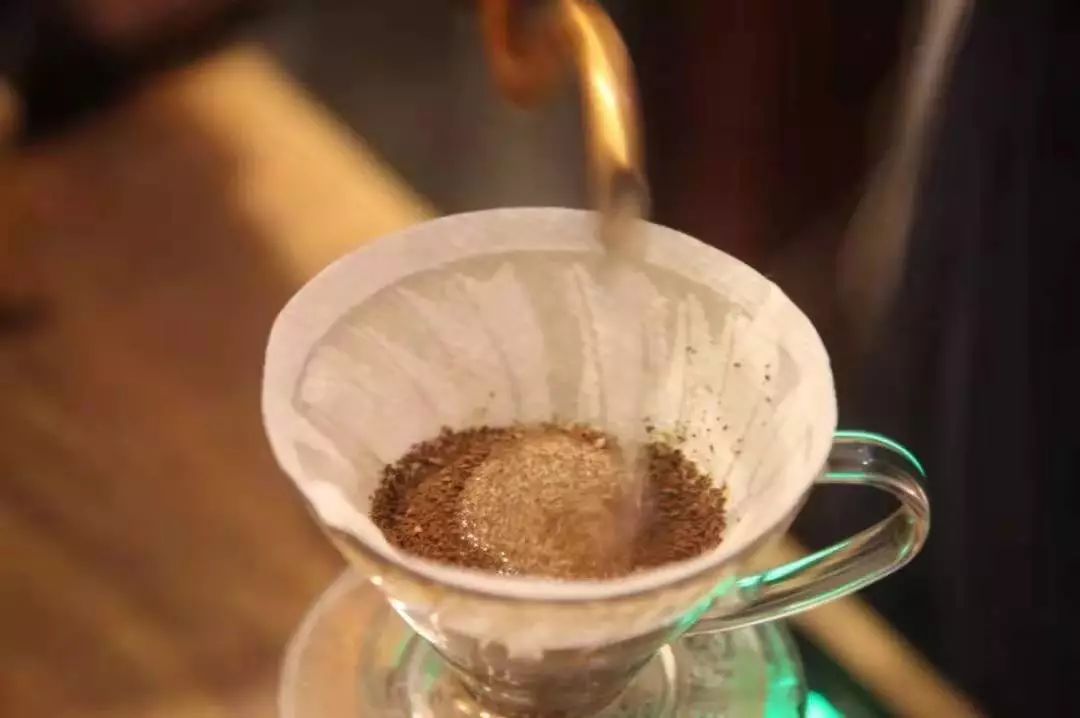
You might ask: do all types of coffee beans absolutely require blooming? In fact, depending on roast level and freshness, some very light roasts or older beans release less CO₂ and may be less dependent on blooming. However, we still recommend performing this step in most cases—especially for fresh, medium-to-dark roasted beans such asYirgacheffe Worka (roasted 8 days ago)—which have distinct fruity and floral notes. Blooming helps fully express their complex and layered aromas.
Practical tests show that Yirgacheffe Worka that undergoes a proper bloom exhibits richer flavors, prominent floral notes, and complex mouthfeel. In contrast, the same beans without blooming tend to taste sour and grassy, with a flatter profile and clear signs of under-extraction.Of course, coffee flavor can also vary based on individual brewing techniques. Everyone can fine-tune the steps according to their own experience—that’s the charm of pour over coffee.

In summary, blooming is more than just a preparatory step before brewing. It is a key starting point that influences the aroma, taste, and complexity of your coffee. Mastering proper blooming techniques—including appropriate water volume, precise pouring methods, and understanding the state of your coffee beans—can significantly enhance your home pour over results, making each cup more professional in quality.

The above content is compiled by CoffeeHunters, a coffee news website.


