








Introduction:Want to learn how to make a classic Americano? This article explains the origins of American coffee, the golden ratio of espresso to water, and breaks down the flavor differences between hot and iced Americanos. From extraction parameters of the espresso base to the flavor profiles of blended beans, we’ll guide you through the key techniques and practical tips for crafting a professional-grade Americano.
Coffee drinking habits vary around the world—think of the rich mystique of Turkish coffee or the bold intensity of Italian espresso, both deeply tied to their local cultures. When it comes to American coffee, many people might picture one of two scenes: black coffee brewed from a drip machine, or a version made by diluting espresso with hot water.
This beverage known as "American coffee" (English: Americano, Italian: Caffè Americano) is actually a product of wartime.Legend has it that during World War II,American soldiers stationed in Europe found the local espresso too intense and hard to drink, so they began diluting it with water. Over time, this style emerged and was jokingly dubbed "Americano" by Europeans.

Common Americanos can be made in two ways: either by brewing black coffee directly with a drip machine, or by mixing one or two shots of espresso (Espresso) with hot water in a certain ratio.Currently, the most mainstream method is to prepare it by diluting espresso with water.
The production process of a certain brand mainly involves two steps: first extracting the espresso shot, then adding hot water or ice according to the ratio. Though it seems simple, each step affects the final flavor, especiallythe espresso extraction parameters and bean selection,which are the key factors determining the quality of an Americano.

In terms of bean selection, a certain store uses a proprietary blend called "Sunflower Warm Sun," composed of 70% Honduran Sherry and 30% Ethiopian Natural Red Cherry. The Honduran Sherry beans are fermented in sherry whiskey barrels, offering intense wine-like aromas, while the Ethiopian Natural Red Cherry contributes bright berry acidity and a sweet aftertaste. Together, they create a balanced and layered Americano base.
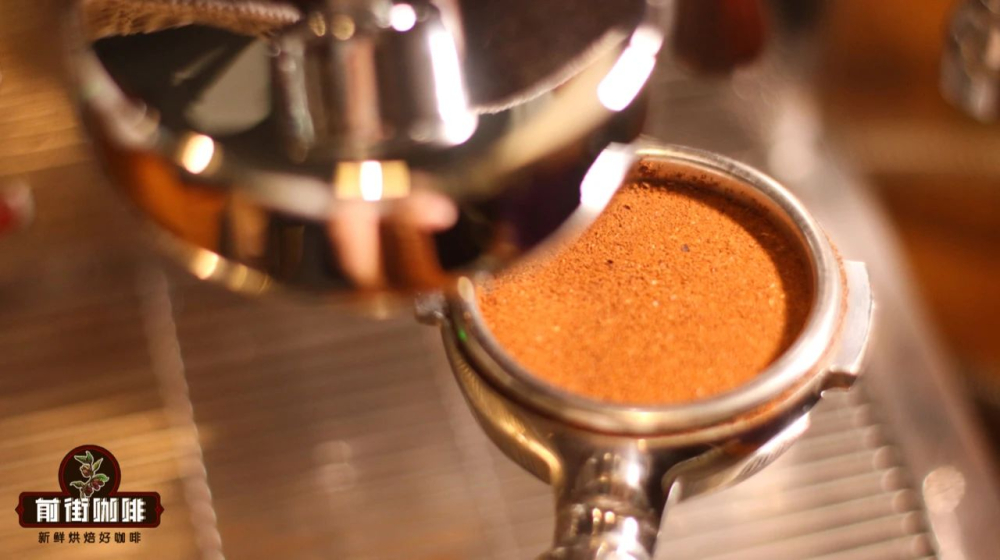
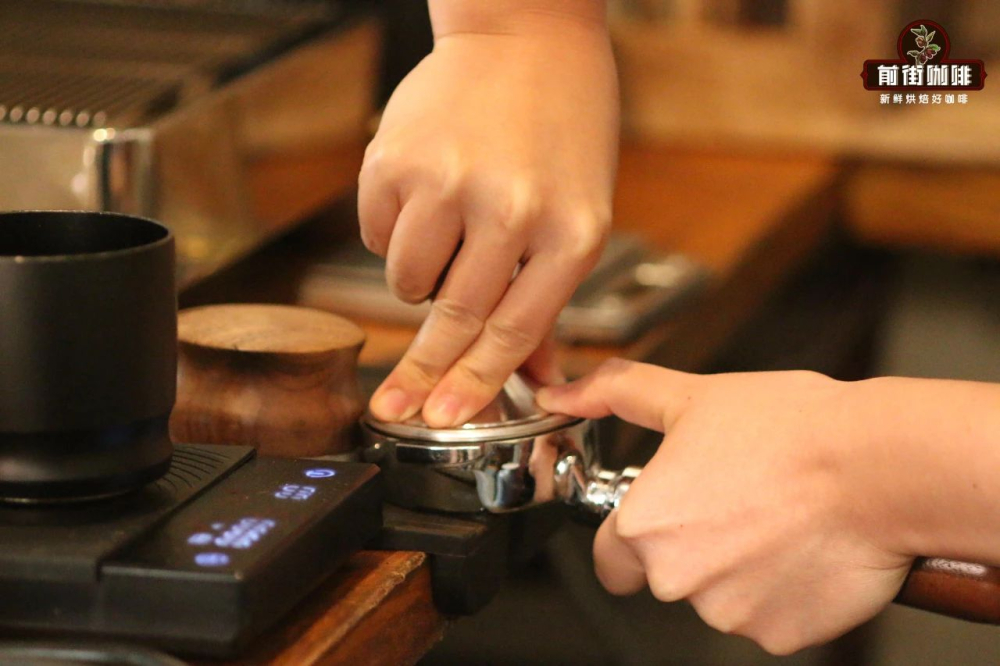
When extracting espresso, a certain shop uses the following parameters: 20 grams of coffee grounds (double shot), extraction pressure of 9 bar ± 2, water temperature controlled at 90.5–96°C, a coffee-to-water ratio of about 1:1.7–1:2, with a total yield of around 40 ml. These conditions fully bring out the aroma and body of the blend, laying a solid foundation for making an Americano.

After extracting the espresso, the next step is to add water or ice to adjust the ratio. Traditionally, the espresso-to-water ratio for an Americano is 1:8, but this isn’t a one-size-fits-all formula.A certain brand found through testing that using the same blend, a 1:8 ratio often results in overly thin flavors, short aftertaste, and a noticeable wateriness, whereas a 1:6 ratio better highlights the winey and chocolatey notes, with a richer mouthfeel.
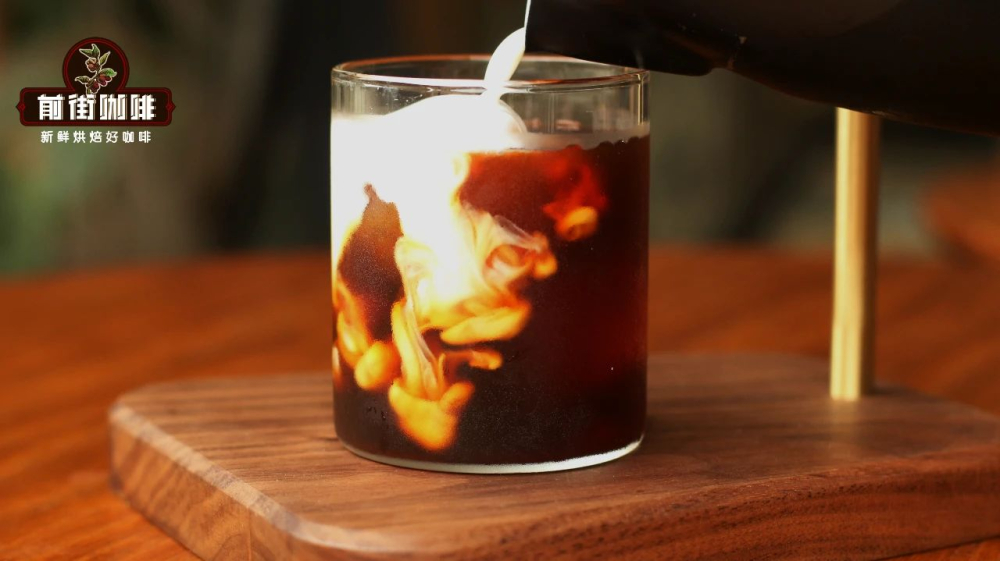
Besides hot Americanos, iced Americanos are also a popular summer choice. The biggest difference lies in how temperature affects aroma:Hot Americanos release more aromatic compounds, allowing for a more nuanced flavor experience, while iced Americanos suppress some volatile aromas due to the lower temperature but offer a crisper taste—ideal for hot weather or those who prefer a refreshing cup.
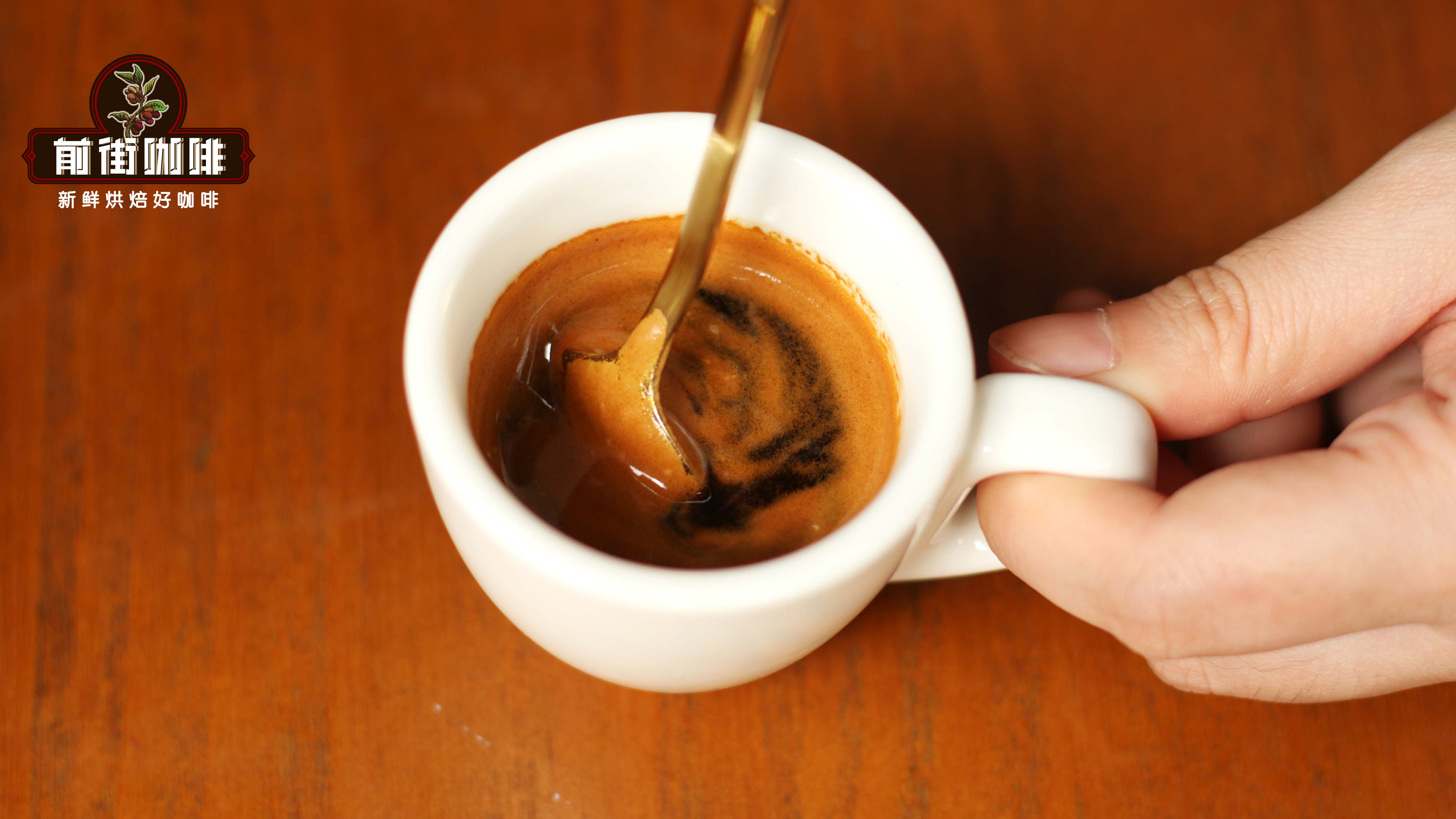
When tasting an Americano, it’s recommended to follow the steps of "smell → observe → sip." First, take in the rich aroma, then observe the color—ideally a deep brown rather than pitch black. For the first sip, take a small one to assess the balance of acidity, sweetness, and bitterness, then let it linger in your mouth, allowing the coffee to fully interact with your saliva to appreciate its layers and aftertaste. If the flavor feels too strong or bitter, adjust to taste with sugar, milk, or spices.
In summary, the key to a great Americano lies in a high-quality espresso base and the right preparation ratio. Whether you prefer the lingering aroma of a hot drink or the crisp clarity of an iced one, mastering the essentials of extraction and blending will help you enjoy your perfect cup.




The above content is compiled by CoffeeHunters, a coffee news website.


