







Introduction:What exactly is the difference between Americano and Latte? Why do some people find Americano bitter and astringent, while others prefer the smoothness of Latte? This article delves into the differences between the two, covering everything from the Espresso base, milk ratio, extraction parameters to flavor profiles, helping you find the option that best suits your taste and understanding why Espresso is the soul of all espresso-based coffees.
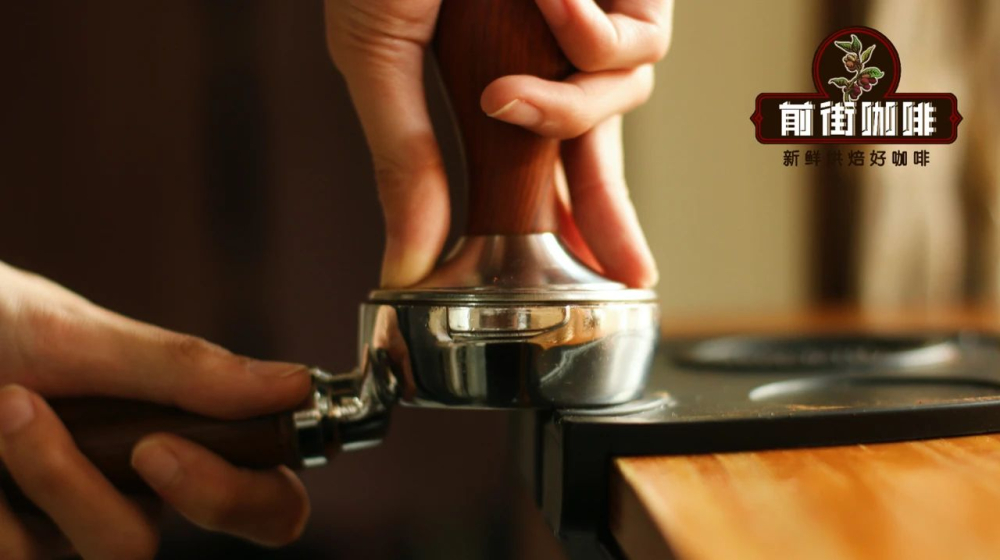
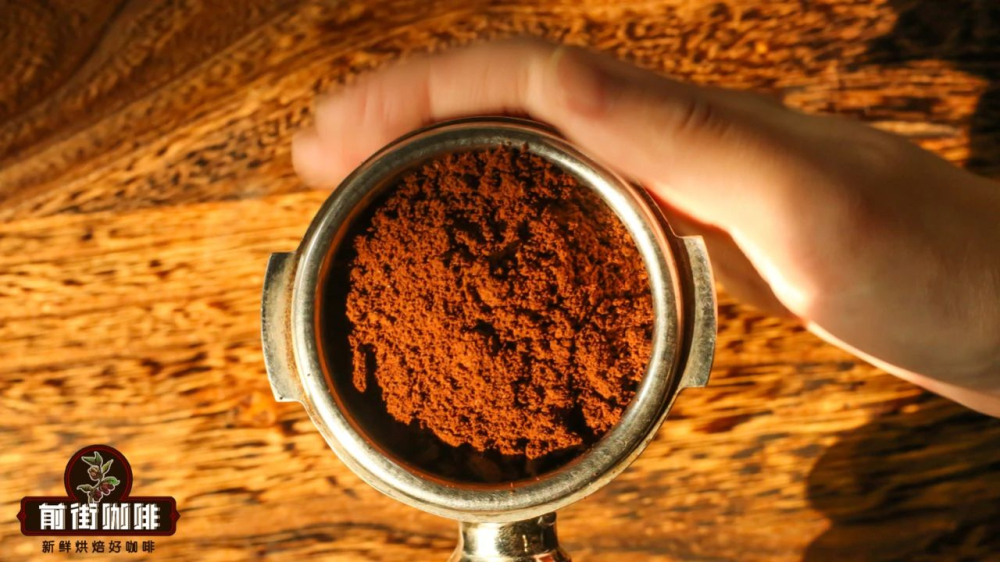
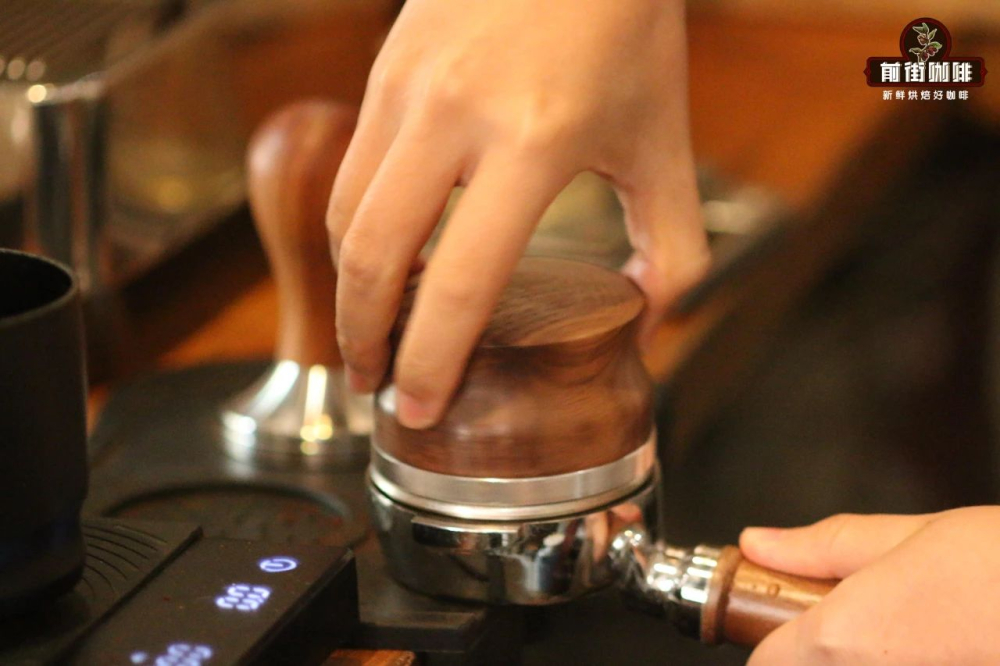
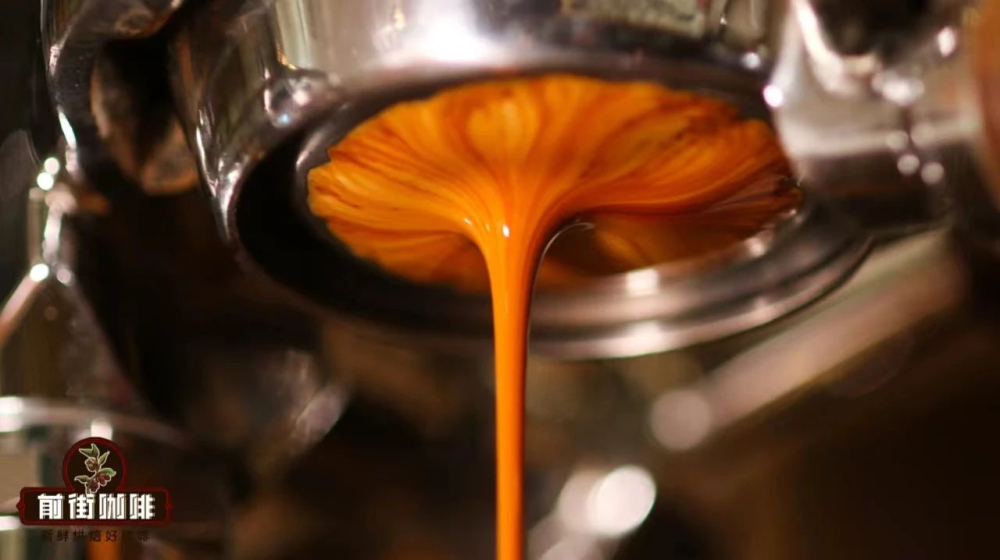
To figure out which is more bitter or smoother—Americano or Latte—and even which tastes better, you first need to understand their common base: Espresso. Espresso is not just a type of coffee drink, but also a professional coffee preparation method achieved through high-pressure extraction. Typically, near-boiling water is forced through finely ground and evenly tamped coffee grounds under a pressure close to nine atmospheres (9 BAR), extracting about 30 milliliters of highly concentrated coffee in just 25 to 30 seconds.

This method of preparation results in Espresso’s intense and layered characteristics, with a golden to brownish fine crema on the surface—commonly known as Crema. This layer of Crema is not just a visual delight but also carries most of the aroma, while the darker coffee liquid beneath dominates the overall flavor and bitterness. Therefore, the quality of Espresso directly affects the performance of both Americano and Latte that are based on it.
Many people mistakenly think that Americano is just "black coffee," but in fact, it is made by adding hot water to a shot of Espresso. This simple combination may seem ordinary, but it allows you to directly experience the unique flavor traits of Espresso itself. The added water does not alter the basic components of the coffee; it only dilutes the concentration, softening the originally strong bitterness and intensity, while also making the acidity and subtle flavors more pronounced. If you enjoy pure coffee flavor but fear it might be too intense, a moderate amount of Americano can be a great choice.
So what is a Latte? In Italian, Latte means "milk," and as the name suggests, this is a coffee drink where milk takes center stage. Its basic composition is Espresso plus a large amount of steamed milk, typically in a ratio of one part Espresso to two or three parts hot milk, topped with a thin layer of microfoam. Due to the high proportion of milk, Latte usually has a smoother and creamier mouthfeel, with the bitterness of coffee neutralized by milk, leaving behind a gentle caramel and milky aroma—making it very suitable for coffee beginners or those who prefer a milk-forward taste.
However, making a great Latte is no easy task. From the extraction parameters of Espresso, the choice of coffee beans, to the temperature of the milk, the fineness of the foam, and the blending technique, every step influences the final flavor. Especially the steaming of milk, which needs to be controlled between 60–65°C, with fine and stable microfoam, to create beautiful latte art when poured while maintaining the balance of the drink’s texture. This is also why Latte is often seen as one of the benchmarks for testing a barista’s skill.
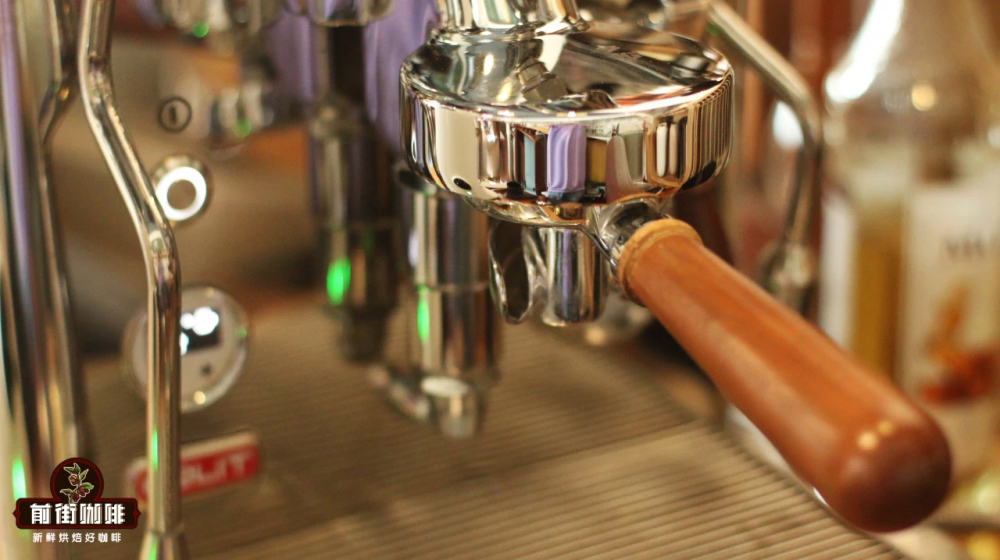
As the foundation of all espresso-based coffees, the importance of Espresso goes without saying. If the Espresso itself is not extracted properly, neither Americano nor Latte can deliver their ideal flavors. Common Espresso extraction parameters include: about 18–20 grams of coffee grounds, an extraction time of 25–30 seconds, a yield of 30–40 milliliters, and water temperature controlled between 90–96°C. Minor adjustments to these variables will directly affect the texture of the Crema, the intensity of the coffee, and the expression of overall flavors.

As for whether sugar should be added to Espresso, there is no definitive answer. Traditionally, many people are accustomed to adding a spoonful of granulated sugar to freshly brewed Espresso, stirring it before drinking, which can slightly soften the bitterness and bring out more layers of acidity and sweetness. But for those who truly want to savor the essence of coffee, it is recommended to try Espresso without sugar, carefully experiencing its complex flavors such as fruity acidity, nuttiness, caramel, and even subtle hints of wine—details that are often the true charm of Espresso.

In summary, the difference between Americano and Latte lies not only in bitterness and mouthfeel, but also in how they present the essence of Espresso and the harmony of their combined elements. Americano, diluted with water, highlights the original characteristics of the concentrated coffee, suiting those who enjoy a pure coffee experience; whereas Latte, softened with milk, creates a smooth and easy-drinking sensation, aligning more closely with popular taste preferences. No matter which you choose, understanding the extraction and foundational role of Espresso can help you more accurately discover your own coffee preferences.






The above content is compiled by CoffeeHunters, a coffee news website.


