







Introduction:Americano is widely loved for its simple composition and rich flavor, but many people shy away from its bitter taste. This article delves into the reasons behind the bitterness in Americano, covering coffee bean selection, roast level, and brewing parameters to help you master the key aspects of making and enjoying black Americano. Learn how to adjust the taste to be smoother and more balanced—even iced Americano can reveal layers of flavor.
Americano is a daily choice for many coffee enthusiasts, not only because it’s quick to brew and convenient to carry, but also because it consists solely of espresso and hot water, showcasing the most original flavors of coffee. As a type of black coffee, it contains no milk or other flavorings to mask the essence of coffee, thus better reflecting the quality of the beans and the processing methods. Many baristas who love single-origin espresso (SOE) also recommend enjoying it as an Americano to experience a purer regional character.
However, many people often perceive a strong bitterness when drinking Americano, which can even create a sense of distance from this classic coffee. In fact, coffee itself possesses multiple flavor dimensions—acidic, sweet, bitter, and salty—whose proportions are influenced by coffee variety, roast level, processing method, and brewing technique. When these factors are out of balance, especially when bitterness is accentuated, the overall taste can become monotonous or even hard to swallow.
So, what exactly causes excessive bitterness in Americano? First, the characteristics of the coffee beans themselves play a major role. If the espresso beans chosen are dark roasted or sourced from regions known for intense flavors, their inherent base flavor tends to be bold and full-bodied, easily bringing out bitter notes. For example, a blend of Brazilian and Colombian coffee beans, medium-dark roasted, will present a profile dominated by nuts and dark chocolate, with relatively noticeable bitterness, yet still maintaining moderate richness and balance.

In addition, the details during the extraction process are the core factors influencing the flavor of Americano. Many sources of bitterness actually stem from over-extraction. Generally, about 30% of the components in coffee beans can be extracted, and according to the "Golden Cup Standard," the ideal extraction rate falls between 18% and 22%. Below 18%, the coffee tends to taste sour and lacking in flavor; but once it exceeds 22%, it enters the over-extracted zone, producing overly intense, bitter, and even unpleasant flavors.
To avoid such issues, many professional baristas fine-tune various extraction parameters based on the condition of the beans that day, including coffee dosage, water volume, time, and grind size. For instance, using 20 grams of coffee grounds, if 40 milliliters of coffee liquid is extracted over too long a period, it’s likely that too many undesirable substances are drawn out in the final stage, leading to increased overall bitterness. Adjusting to extract 35 milliliters and precisely controlling the time around 25 seconds helps reduce off-flavors in the tail end, resulting in a smoother and more rounded taste.
Another noteworthy extraction issue is "channeling," where the water does not flow evenly through the coffee grounds during extraction, causing some areas to be over-extracted while others are under-extracted. This uneven extraction can easily lead to flavor imbalance, resulting in unwanted sharp bitterness or strange off-notes in the final Americano. Therefore, stable grind consistency, appropriate tamping, and even distribution of coffee grounds are all crucial factors affecting extraction quality.
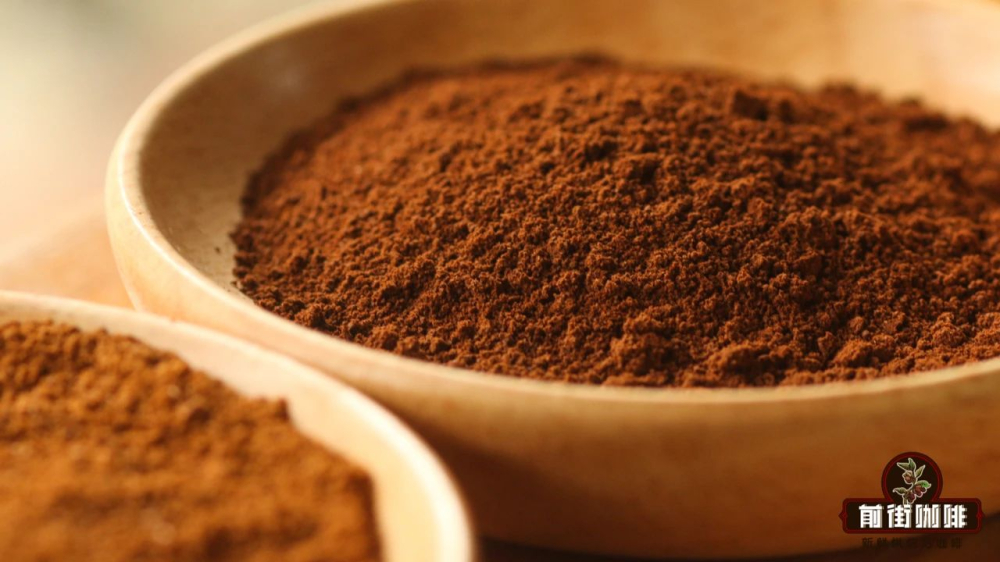
Interestingly, even dark roast beans, known for their bitterness, can display rich layers—not just harsh bitterness—when extraction time and temperature are precisely controlled. Many baristas suggest that if you prefer a lighter, brighter Americano taste, you can opt for medium or medium-light roast beans and adjust the grind coarseness accordingly, allowing water to pass through more easily and extracting more acidity and sweetness to further balance the overall flavor.
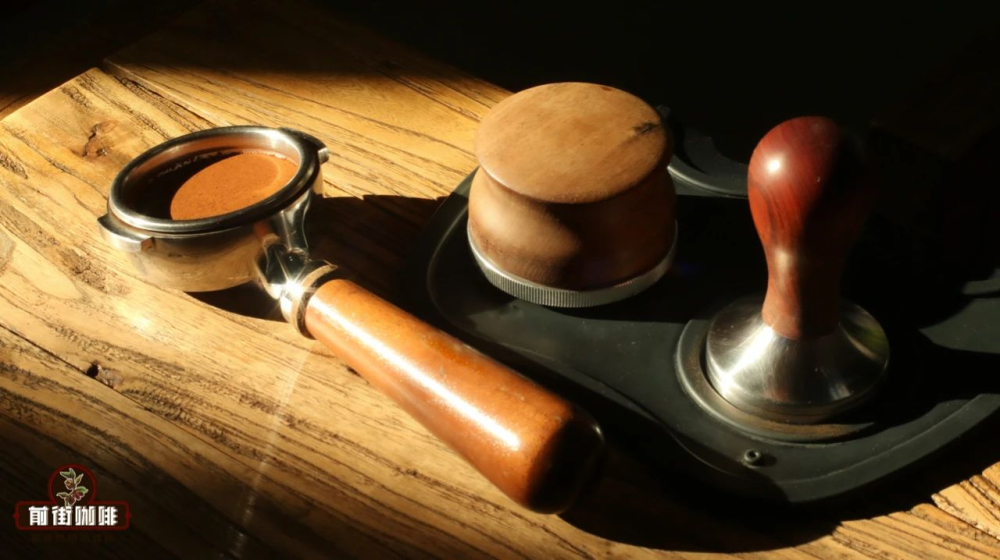
In summary, the bitterness in Americano is not unavoidable, but closely related to coffee bean selection, roast level, and extraction parameters. Once you understand these principles, whether brewing at home or ordering at a café, you can face a cup of black Americano with more confidence—and even find your own perfect “non-bitter Americano” tailored to your taste.
The above content is compiled by CoffeeHunters, a coffee news website.


