







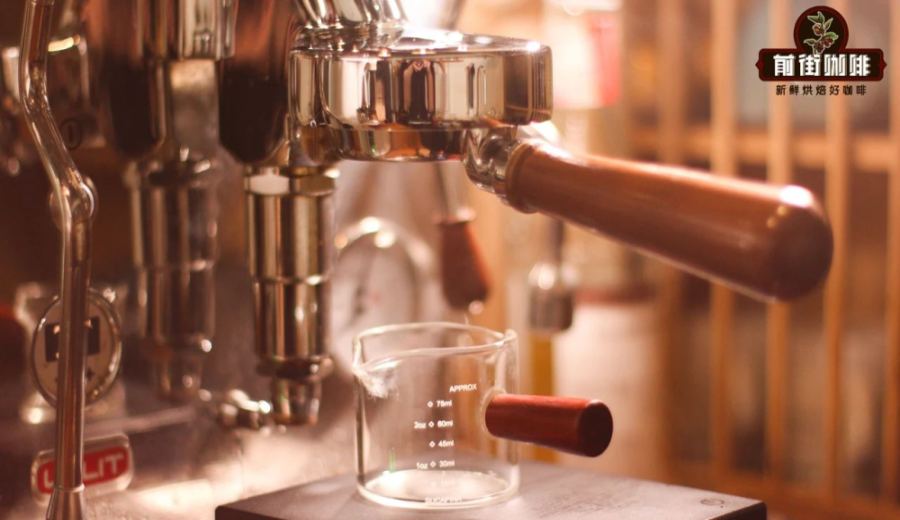
Introduction:To brew a delicious Americano, the key lies in understanding the extraction principles of espresso and the various parameters that influence flavor. This article delves into the core elements that determine the quality of espresso, including grind size, coffee dose, water temperature, and more. It also provides practical espresso extraction formulas and adjustment techniques. Additionally, you'll learn how to prepare an ideal iced Americano ratio, along with common mistakes and improvement tips—helping you master professional-level coffee brewing from the basics.
A standard Americano is made by mixing espresso with hot water, so the quality of the espresso directly determines the final flavor. Many home coffee enthusiasts need to experiment multiple times to find the right extraction parameters for espresso, and even professional baristas may need several adjustments when working with fresh beans to achieve the desired taste.
To quickly adjust to a suitable espresso, the primary task is to understand the impact of each parameter. Common adjustable variables include:Grind size, coffee dose, output volume, water temperature, and pressure.Among these,water temperature and pressure generally do not require frequent adjustments unless there is a significant deviation in settings,so the focus of adjustment will be ongrind size, coffee dose, and output volume,withgrind sizebeing the most critical. In most cases, simply fine-tuning the grind setting can improve extraction results.
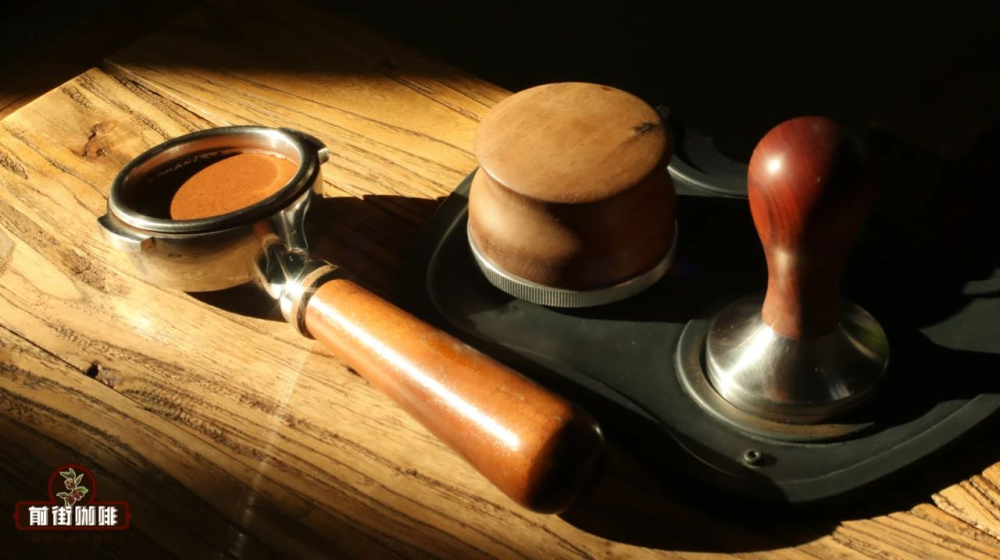
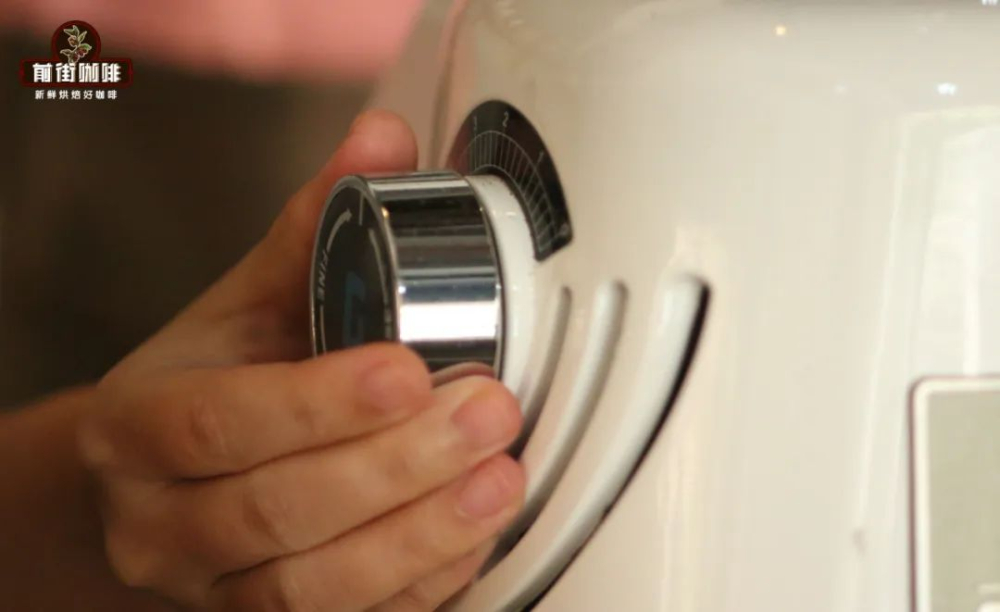
Adjusting the grind size essentially controls the flow rate of the coffee and the overall extraction time. When coffee is ground finer, the coffee puck becomes denser, slowing down water flow and extending extraction time, thereby increasing coffee concentration and extraction yield. Conversely, if the grind is too coarse, the flow rate will be too fast, potentially leading to under-extraction and a weak flavor. Therefore,fine-tuning the grind settingis usually the first method to resolve most extraction issues.
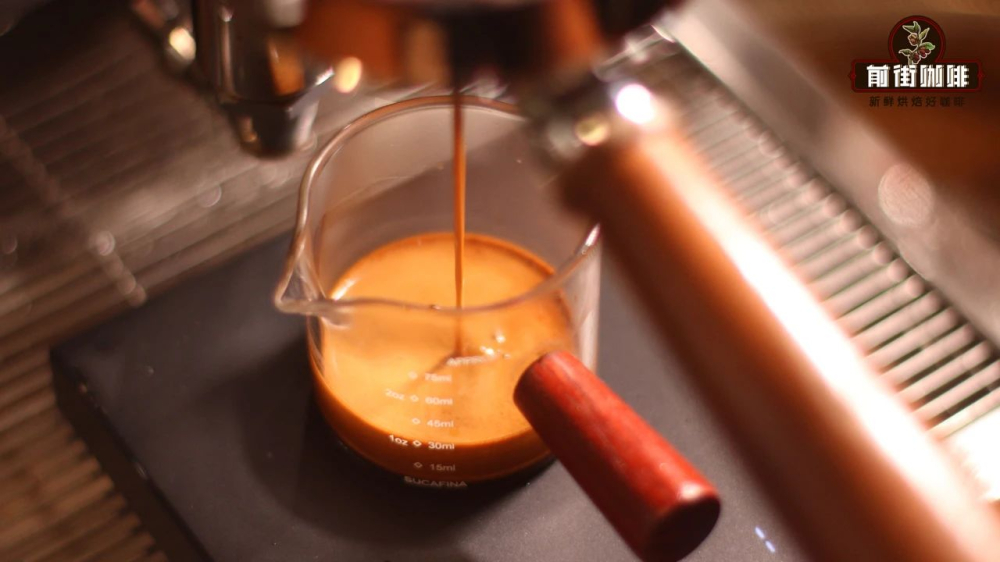
The coffee dose also affects extraction results, but its adjustability is often limited by the design of the coffee machine's portafilter basket. Generally, there is an indentation line inside the basket, and the height of the compacted coffee puck after tamping should be close to but not exceed this line—this is considered a reasonable dose range. In practice,it is recommended to adjust the dose by no more than 1 gram at a time,to avoid affecting the stability of the coffee puck or causing machine malfunctions.
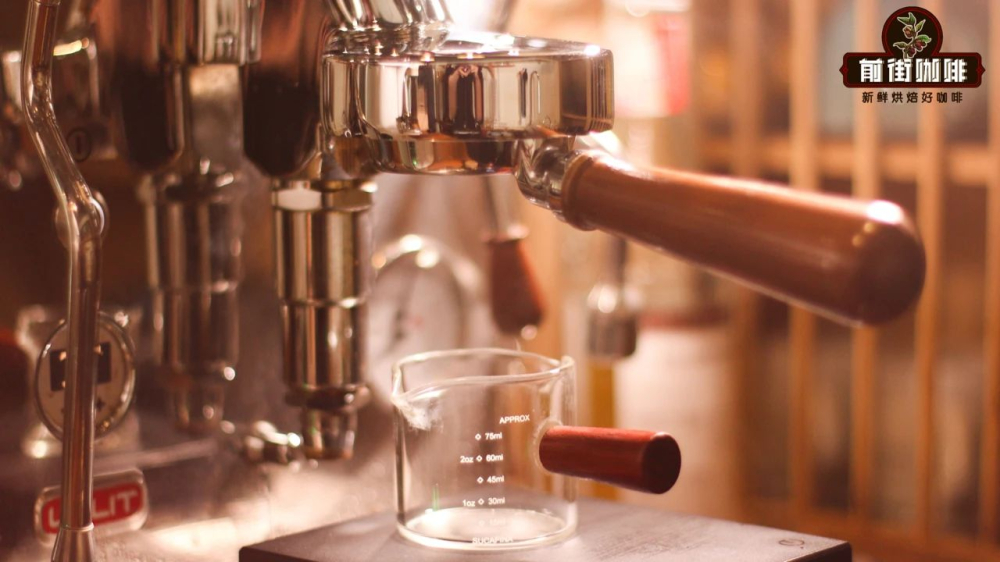
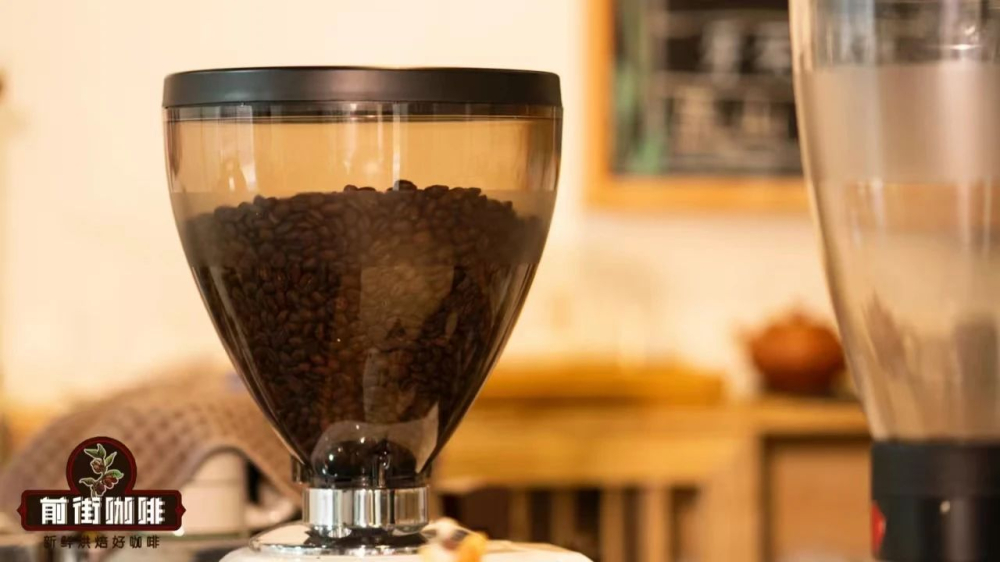
Before making formal adjustments, it’s advisable to rule out other potential interfering factors, such as uneven distribution of coffee grounds, inconsistent tamping pressure, insufficient coffee beans in the hopper causing unstable grinding, or the machine not being preheated to a stable state. These details can all impact extraction results, rendering adjustments ineffective.
For beginners, it’s recommended to start with a standard1:2 coffee-to-water ratioandan extraction time of 25–30 secondsas initial reference points. For example, if using a portafilter basket with a capacity of about 20 grams, you can try extracting 40 grams of coffee with 20 grams of coffee grounds, and observe whether the actual extraction time aligns with expectations, then adjust the grind size accordingly.
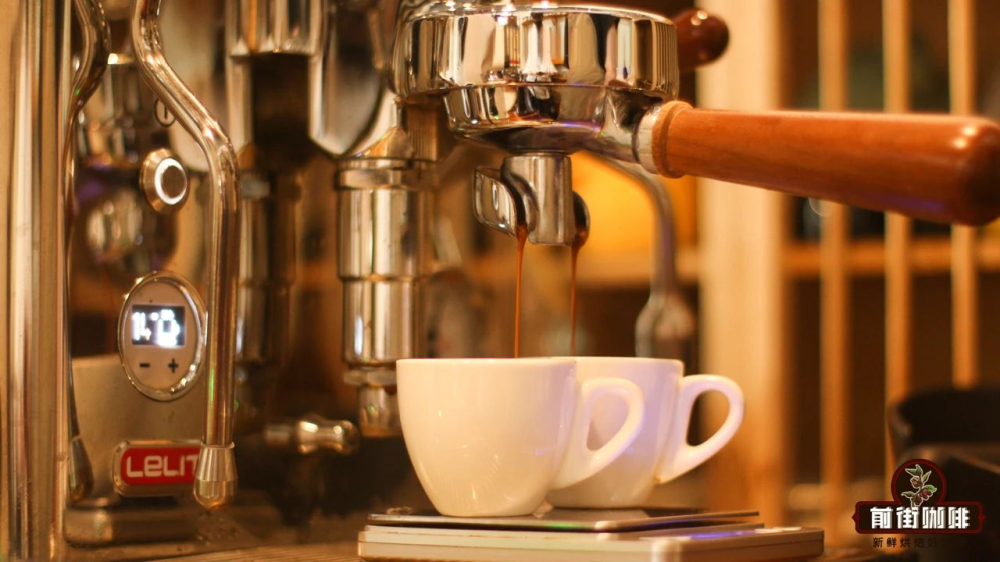
When the initial extraction time deviates from the target range, you can make corrections by fine-tuning the grind size. If the flow rate is too fast and the extraction time is too short, it is recommended to adjust the grind to a finer setting; conversely, if the flow rate is too slow and the time is too long, adjust the grind to a coarser setting. The adjustment range can be determined based on the time difference:if the time difference is less than 5 seconds, adjust by 0.2 clicks each time; if the difference is larger, adjust by 0.5 to 1 click at a time,gradually narrowing the range until the ideal extraction time is achieved.
Even if the extraction time falls within the reference range of a 1:2 coffee-to-water ratio and 25–30 seconds, it doesn’t necessarily mean the flavor is ideal. Different coffee beans have unique characteristics and may require further adjustments to ratio or parameters. Here are some common flavor issue adjustment suggestions:
1. If the coffee tastes burnt and bitter but has normal concentration, the extraction time may be too long—try adjusting the grind to a coarser setting.
2. If the coffee has burnt bitterness in the finish and lighter crema color, try reducing the output volume—for example, using a 1:1.5 or 1:1.7 ratio.
3. If the coffee has rich flavors but a short aftertaste, consider increasing the extraction volume to 1:2.5 to extend the flavor duration.
4. If the coffee tastes bland and unremarkable, it may be due to too much coffee dose—try reducing the dose by 0.3–0.5 grams while keeping the output volume the same.

It’s important to note that a 1:2 coffee-to-water ratio and 25–30-second extraction time are only reference values and not suitable for all coffee beans. Some beans may perform better at a 1:1.7 or 1:2.5 ratio, and the optimal extraction time might be 36 seconds or 24 seconds. It’s best to rely on actual flavor performance rather than sticking rigidly to fixed formulas.
Once you’ve successfully brewed a satisfying shot of espresso, you can then try making a refreshing iced Americano. Here’s a simple and popular iced Americano recipe:
1. Prepare a coffee cup with a capacity of over 300 milliliters.
2. Add about 100 grams of ice cubes.
3. Pour in 180 milliliters of room temperature or cold water.
4. Slowly pour the freshly extracted espresso (about 30–40 milliliters) into the cup, mix well, and it’s ready.

Besides its energizing effect, Americano coffee also offers several potential health benefits. Coffee is rich in niacin (a type of B vitamin), free fatty acids, caffeine, and tannic acid, which help promote metabolism, improve digestion, and even aid in weight loss and fatigue reduction. Additionally, magnesium and potassium in coffee help regulate blood sugar, reduce cravings for sweets, while caffeine promotes fat breakdown and enhances athletic performance.
In summary, adjusting espresso hinges on understanding the interaction of various parameters and gradually optimizing through hands-on experimentation and observing flavor feedback. Whether you're pursuing the ultimate espresso performance or crafting a balanced-flavored iced Americano, patience and attention to detail are essential to extracting the coffee experience that best suits your personal taste.



The above content is compiled by CoffeeHunters, a coffee news website.


