







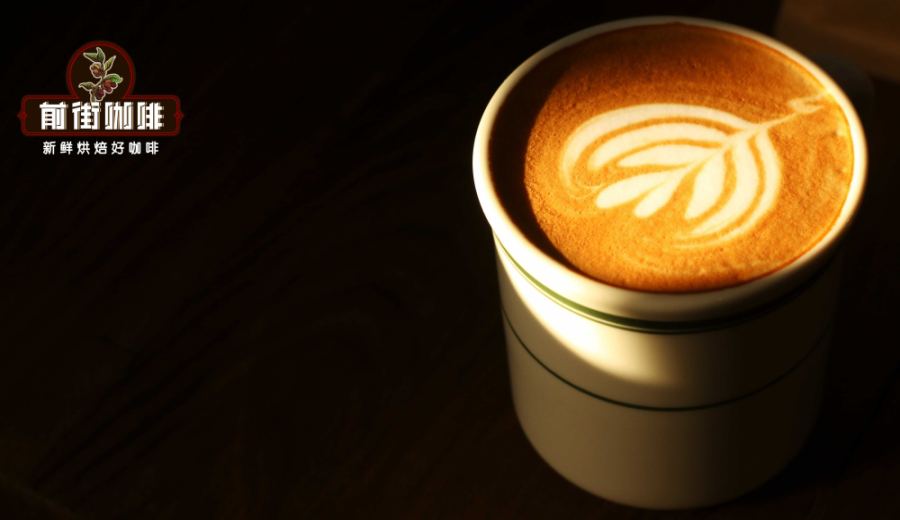
Introduction:Want to understand the optimal extraction time and key parameters for espresso? This article delves into the various factors that influence the flavor of espresso, including dose, grind size, extraction time, and yield, while also comparing the fundamental differences between Americano and espresso. Through practical adjustment tips and common pitfalls, it helps you master the essence of espresso extraction with precision.
Many coffee enthusiasts are drawn to the golden crema and rich aroma of espresso, hoping to recreate the same flavors at home. Unlike traditional drip or pour over methods, espresso is made by forcing hot water under high pressure through finely ground coffee, extracting a small cup of coffee with a thick body and concentrated flavors in a short amount of time. Although it may seem simple, even minor adjustments to each parameter can significantly impact the final flavor, so every step must be carefully controlled.
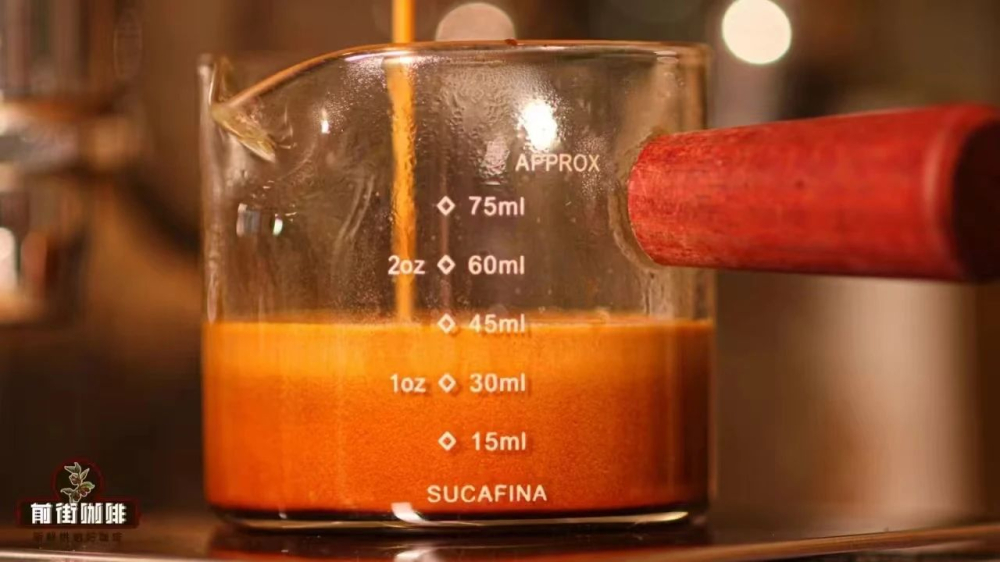
Before diving into espresso, let’s first revisit the history of coffee. Before the invention of the espresso machine, people primarily relied on prolonged immersion methods to brew coffee, which were slow and complex. To improve extraction efficiency, Italians innovatively introduced steam pressure, using high-temperature, high-pressure water to quickly pass through the coffee puck. This not only drastically reduced extraction time but also endowed the coffee with richer crema and aroma. This technology continued to evolve, eventually leading to the semi-automatic and fully automatic espresso machines we are familiar with today.
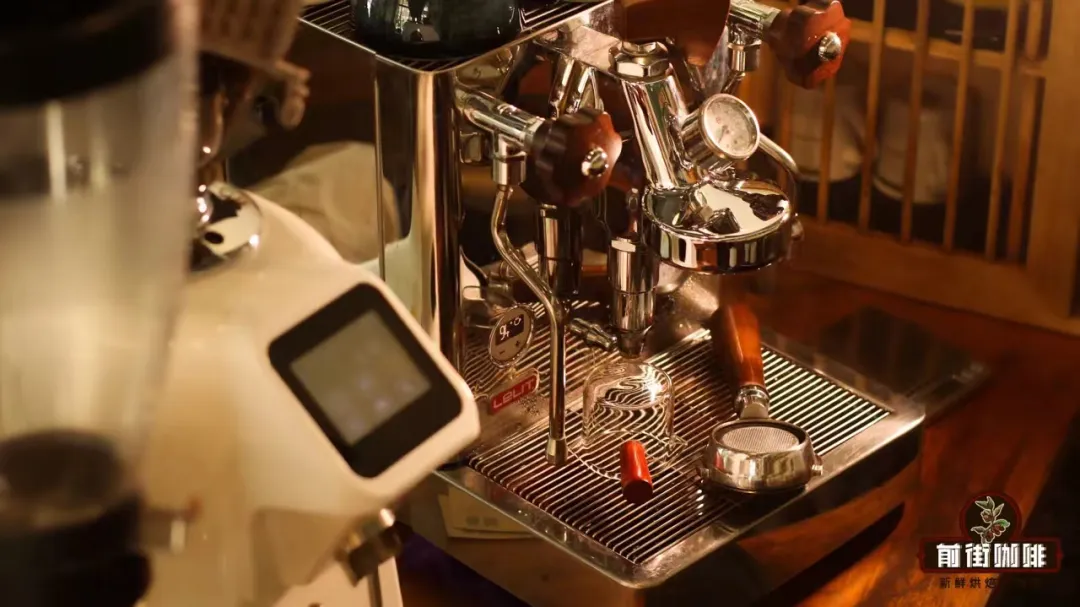
Modern commercial espresso machines typically maintain a stable pressure of over nine atmospheres, paired with water heated to above 90°C, allowing the water to rapidly pass through finely ground coffee and extract an espresso rich in bold aroma, thick body, and abundant crema. To consistently produce an ideal shot of espresso, baristas must be familiar with and adjust multiple key parameters, such as grind size, water temperature, pressure, dose, tamp pressure, extraction time, and final yield.
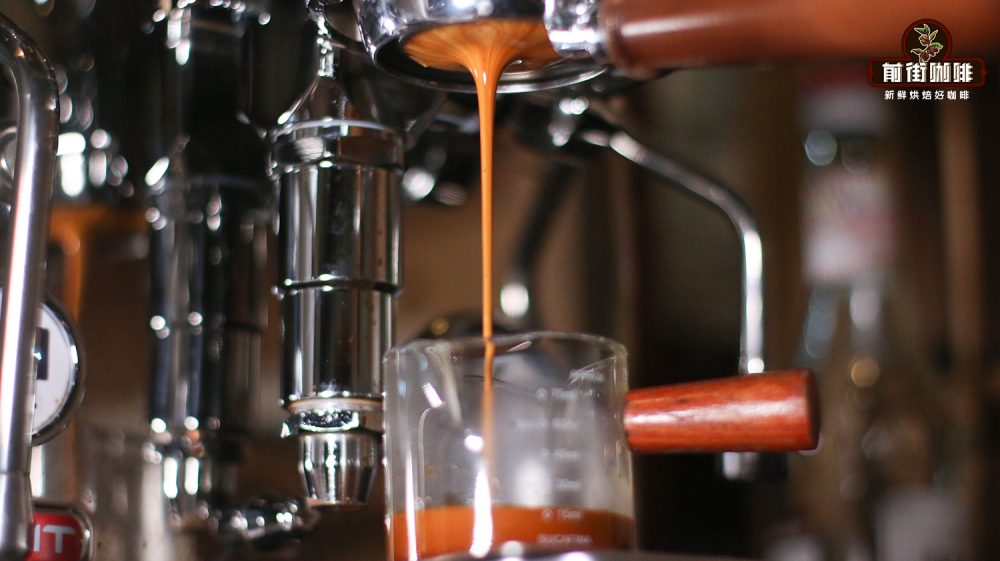
Among these,Grind Size—its uniformity and fineness—is one of the most critical factors determining the flow rate and overall extraction performance of espresso. Even a difference of just 1 gram in dose can lead to variations of several seconds in extraction time for the same yield. Additionally, if the coffee particles are uneven in size, areas with higher density after tamping will create greater resistance to water flow, resulting in uneven extraction that directly affects the final flavor. Therefore, adjusting the grind’s fineness and uniformity is often the first step in improving extraction quality.
Among the many parameters,the ratio of dose to extraction yield(i.e., the brew ratio)—is the most straightforward and commonly used metric to evaluate whether the extraction is appropriate. Common portafilter baskets come in single and double sizes. For a double basket, around 20 grams of coffee is typically used, with a target yield of 40 grams, forming the classic 1:2 brew ratio. However, depending on the characteristics and flavor profile of different coffee beans, this ratio isn’t set in stone, and sometimes the yield may need slight adjustments to achieve the desired taste.
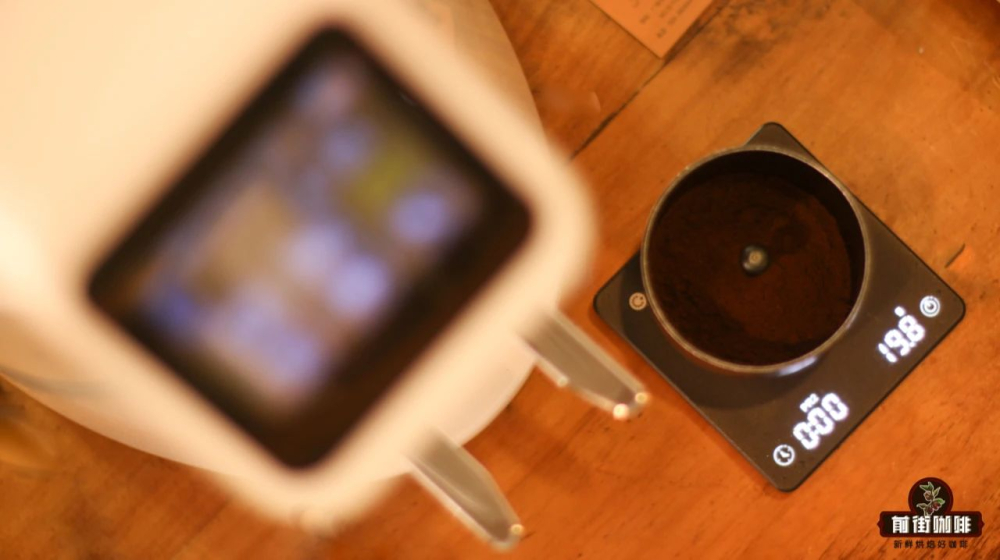
In the past, without precise digital scales, baristas often judged the end of extraction by observing changes in the color of the crema: it would start out dark brown and intense, then gradually turn golden, and finally become light yellow or even pale, usually signaling that extraction should be stopped. Nowadays, extraction standards are more scientific, generally recommending a 1:2 brew ratio as the benchmark—for example, 20 grams of coffee yielding 40 grams of espresso, within an extraction time range of 25 to 30 seconds.
Extraction Timeis influenced by multiple factors such as dose, yield, and grind size. Generally, the standard extraction time for espresso falls between 25 and 30 seconds. If you wish to change the extraction time, the most direct method is to adjust the grind fineness or dose. For instance, if you find the extraction time is too short and the flavor is thin, you can try grinding finer or slightly increasing the dose to extend the extraction time and enhance solubility.
In practice, we can fine-tune based on the state of the extracted coffee and the tasting experience. For example, if the coffee tastes overly light, lacks aroma, and has a bitter or astringent finish, it may be due to under-extraction or over-extraction in the latter stage—in which case, it’s recommended to moderately increase the dose or reduce the final yield. Conversely, if the flow rate is too slow, the flavor is overly bitter or sharp, it may signal over-extraction, and you should consider grinding coarser or reducing the dose to improve extraction efficiency and balance the flavor.
Recording the parameters and corresponding flavor profiles after each adjustment is an effective way to improve extraction skills. Although home espresso machines generally lack the stability and extraction capability of commercial models, through repeated experimentation and observation, you can still gradually determine the best settings for your equipment. Whether you’re just starting out or already have some experience, understanding the interrelationships between these parameters is a crucial step toward consistently extracting delicious espresso.
The above content is compiled by CoffeeHunters, a coffee news website.


