







Introduction:Want to brew delicious, non-bitter American-style black coffee? This article delves into two common methods of making American coffee—traditional drip brewing and espresso-with-water ratios—offering practical advice and optimal flavor parameters. It also provides a detailed comparison between SOE (single-origin espresso) and standard espresso blends, helping you understand why commercial Americanos are often based on espresso and mastering key brewing techniques.
Many coffee newcomers often wonder: what exactly is espresso? And how is it different from American coffee? This is actually a very good question. On the menus of many cafés, you might find American coffee categorized under espresso beverages, which puzzles quite a few people. In fact, American coffee is often grouped with espresso because modern American-style drinks are typically made by diluting espresso with water to adjust the strength.
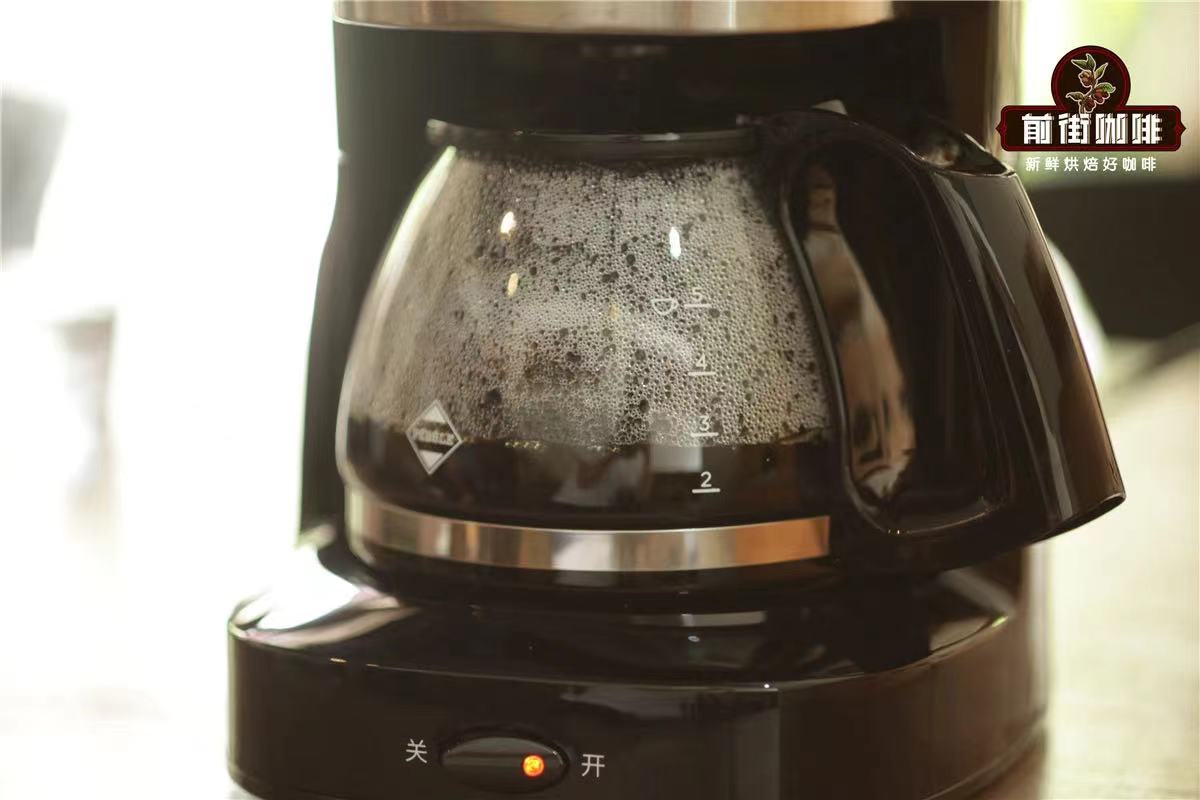
When it comes to American coffee, there are actually two main brewing methods. The first is using a traditional American drip coffee maker—the so-called “plug-and-play” coffee machine still used in many homes. This method is very simple, involving just three basic steps: add the right amount of coffee grounds, pour the desired quantity of water into the tank, and then press the start button. This drip method usually employs a coffee-to-water ratio of 1:20, with an extraction time of around 5 to 8 minutes, making it suitable for those who prefer lighter flavors.
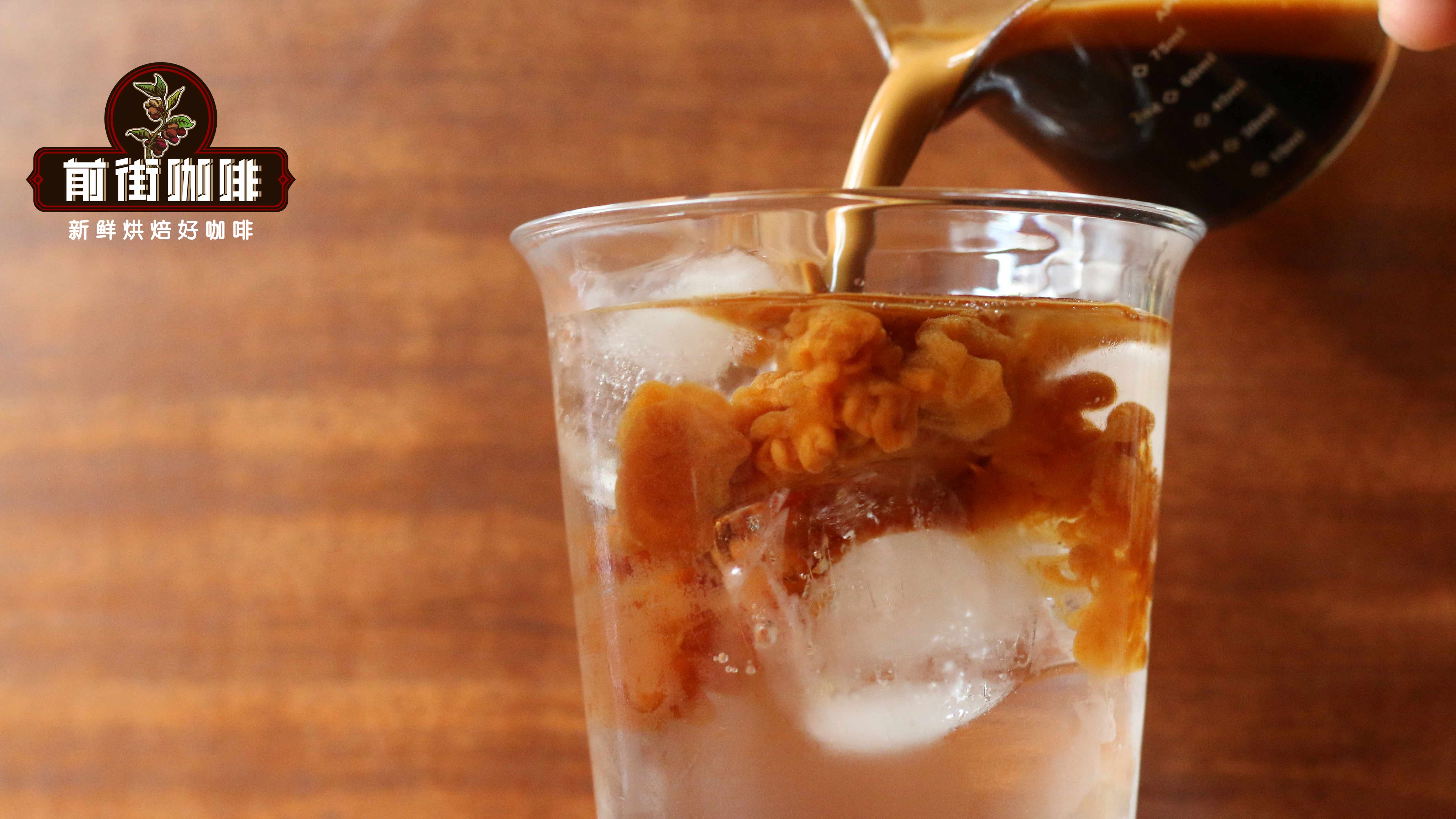
However, the American coffee commonly found in modern cafés is mostly made by diluting espresso with water. The origin of this practice can be traced back to World War II, when American soldiers in Europe first encountered espresso and found it too strong, so they diluted it with water to create a flavor more to their liking. This “Americanized” espresso was later jokingly called “Americano” by Europeans and has since become the most common version served in cafés today.
To truly understand how modern American coffee is made, one must first grasp the extraction principles of espresso. By commercial standards, espresso is typically made using 7 to 9 grams of coffee grounds, extracted under 9 bar of pressure with hot water at about 92°C, yielding 14 to 18 grams of espresso liquid in roughly 25 to 30 seconds. In actual practice, the double shot standard is used—around 20 grams of coffee grounds to produce 35 grams of espresso, extracted in about 28 seconds.
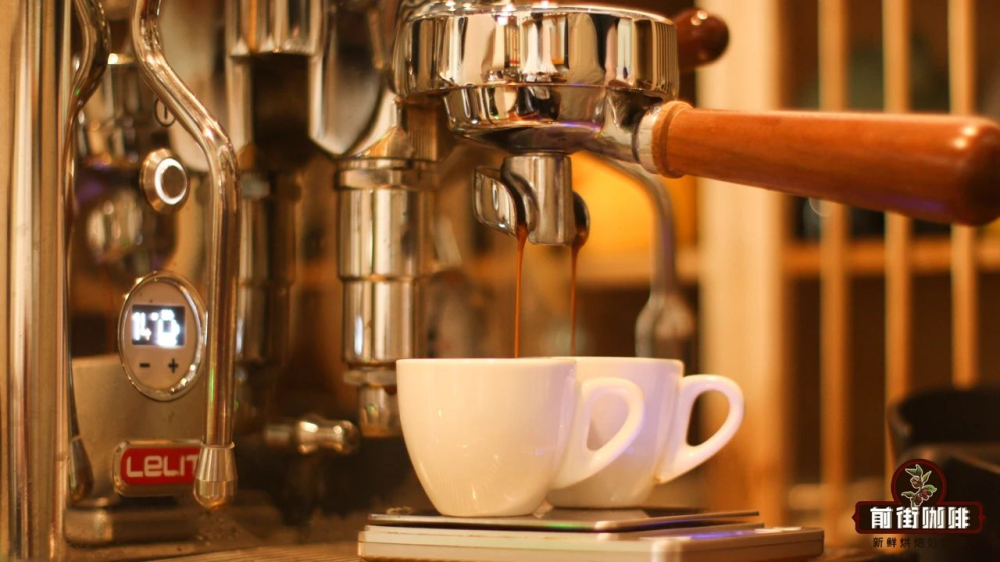
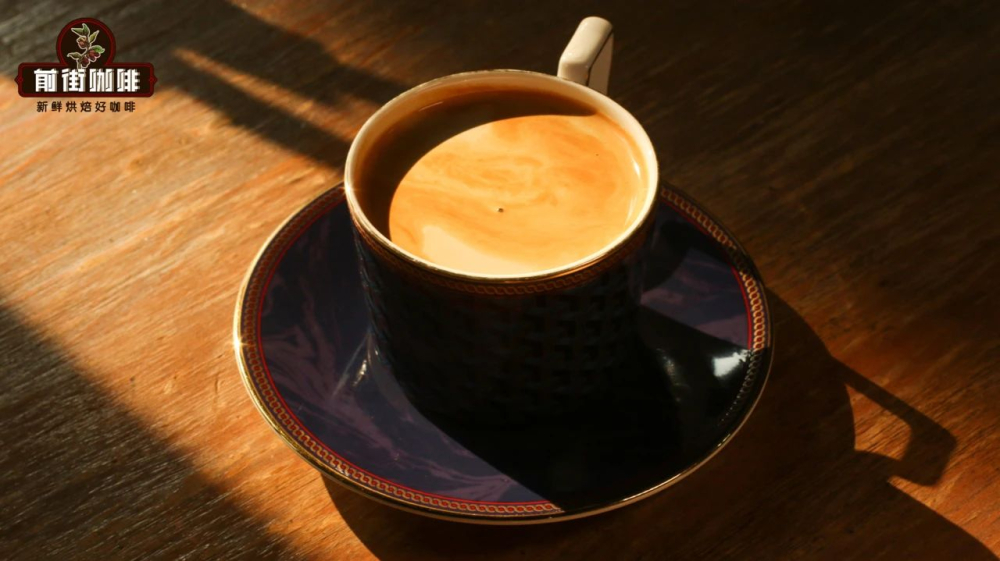
As for the specific preparation ratio of American coffee, a hot Americano usually uses a 1:4 ratio of espresso to water, while an iced Americano adjusts this to 1:8 due to the addition of about 100 grams of ice. These adjustments not only maintain flavor balance but also ensure that the cold version doesn’t taste overly intense. In practice, you can fine-tune within the 1:4 to 1:8 range according to your personal taste to find your ideal proportion.
As for SOE (Single Origin Espresso), it refers to espresso made from beans sourced from a single origin, aiming to highlight the unique flavor characteristics of that region. Compared to common blends, SOE can more clearly showcase the origin-specific traits of the beans—such as pronounced fruit acidity, floral notes, or unique textures from special processing methods. However, not all SOEs are suitable for milk-based drinks, as overly heavy milk flavors can sometimes mask the delicate nuances of the coffee itself.
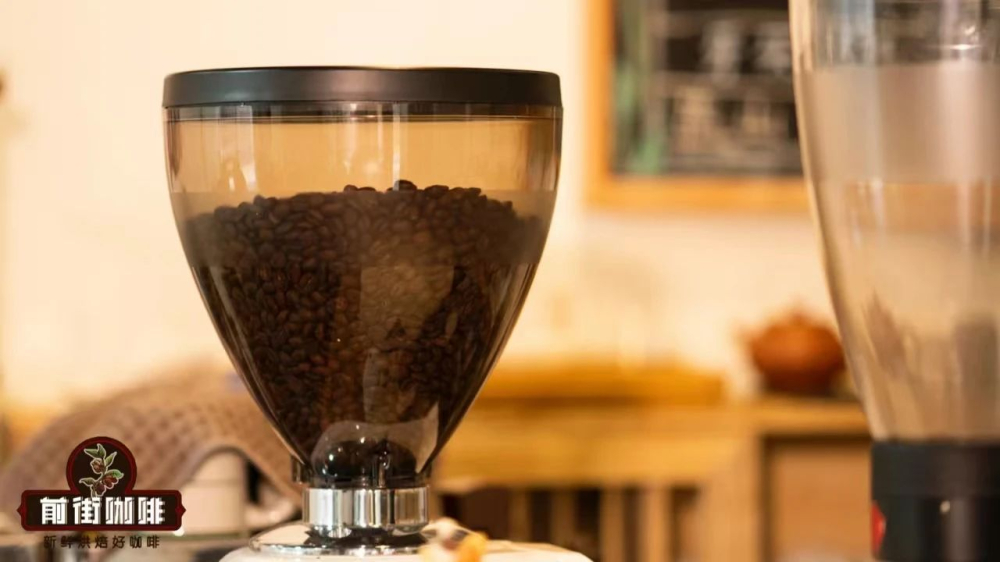
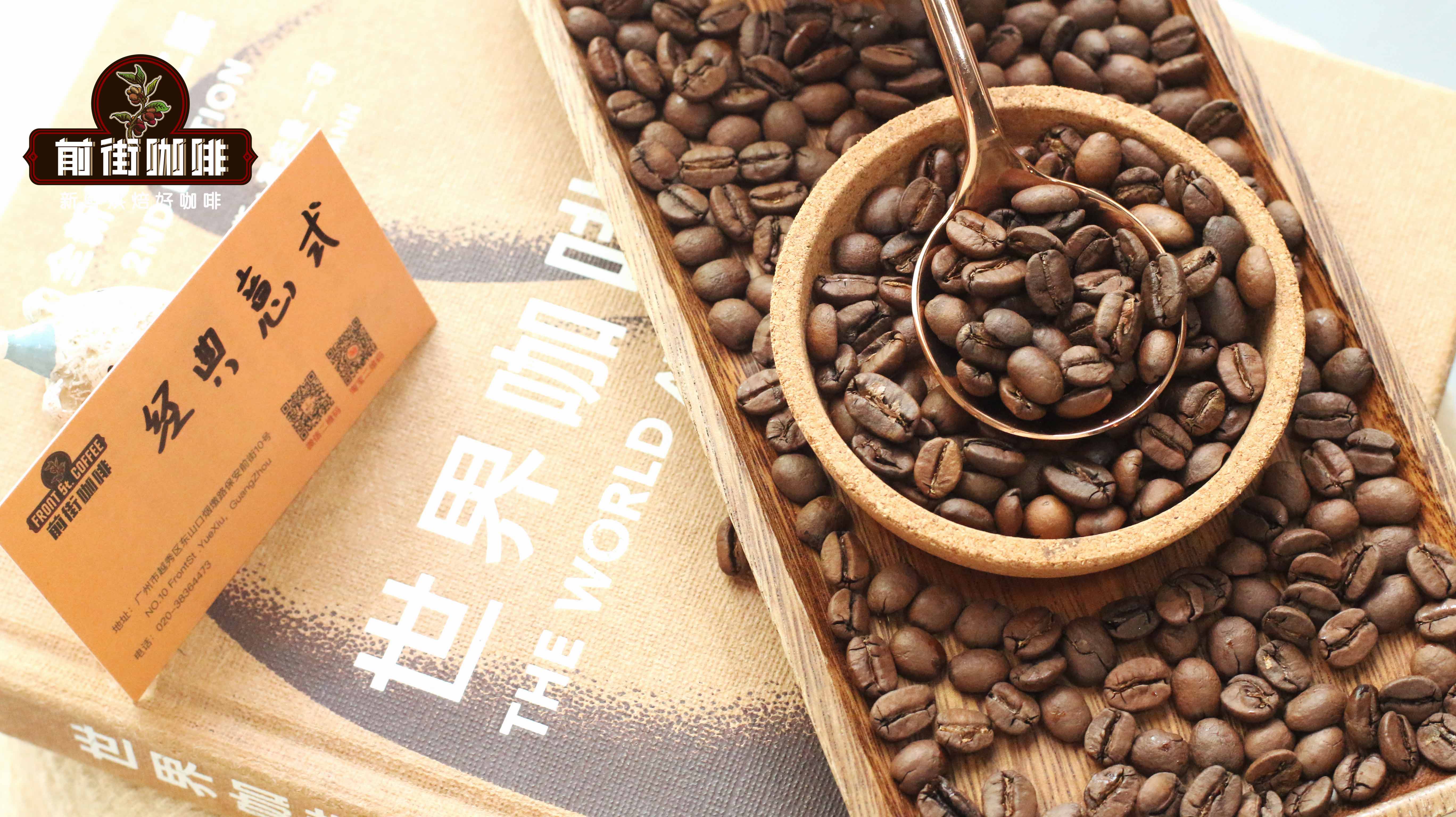
The use of blends in espresso has both historical and practical roots. One early purpose of blending was to mix beans of varying quality to reduce costs while maintaining stable flavor profiles. With the development of specialty coffee, modern blends are more about creating balanced and layered flavor profiles by combining strengths from different regions—for example, pairing the bright acidity of African beans with the full body of beans from Central or South America to craft a deeper coffee experience.
In summary, whether you choose to drink drip-style American coffee directly or an Americano based on espresso, the key lies in finding the right extraction ratio and bean variety that suits your taste. For coffee enthusiasts eager to explore flavors, it’s recommended to start by adjusting the coffee-to-water ratio and gradually discover the brewing method that best highlights the characteristics of the beans. Additionally, understanding the difference between SOE and blends can help you make more informed choices when ordering at cafés.
The above content is compiled by CoffeeHunters, a coffee news website.


