







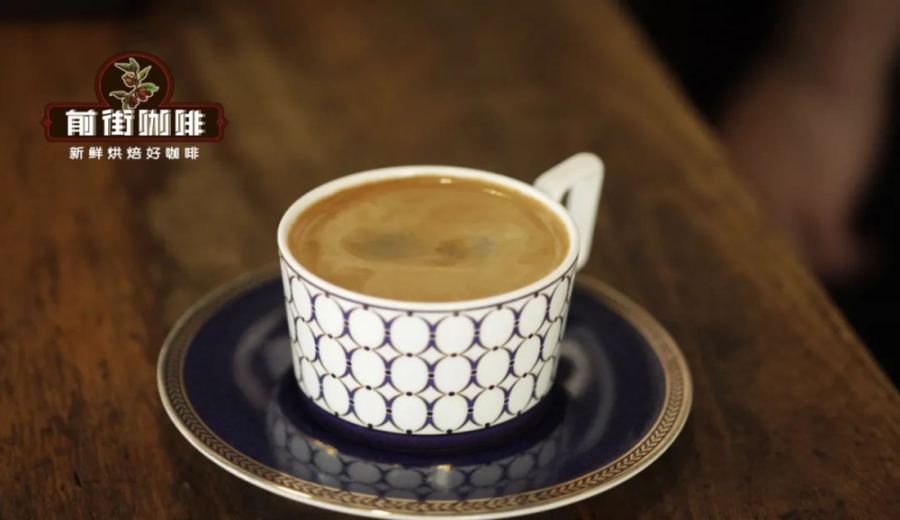
Introduction:Americano is a staple drink consumed by many people in their daily lives, but do you know its origins and how to choose the right coffee beans? This article delves into the historical background of Americano, its brewing methods, and analyzes different flavor profiles. It also recommends several blends and single-origin coffee beans suitable for making Americano, helping you find your perfect match.
Americano is arguably one of the most common and popular drinks in coffee shops. It's not only quick to prepare and affordable, but also a top choice for many office workers to perk up. So, what exactly is an Americano? And why is it so loved? Let’s take a comprehensive look at this classic black coffee—from its history and brewing to its flavor.
The Historical Origins of Americano
As the name suggests, Americano is closely tied to American food culture. Going back to the 18th century, when Britain imposed high tariffs on tea, which led to the “Boston Tea Party” in 1773, Americans began turning to coffee as an alternative to tea. As the number of coffee shops increased, the United States gradually became a major global coffee consumer. By the 1880s, about one-third of the world’s coffee was exported to the U.S.
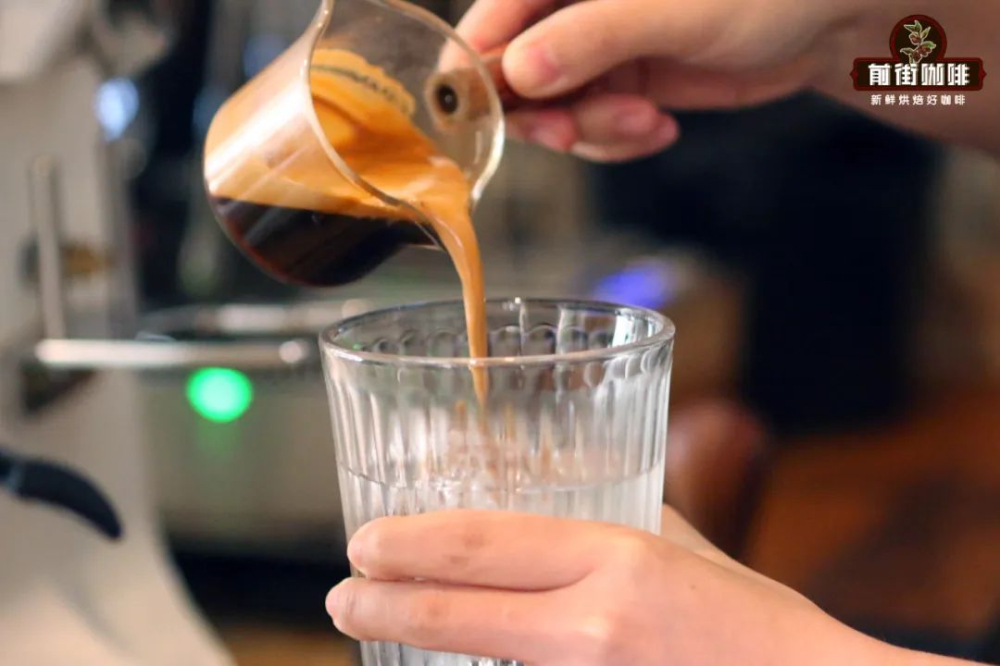
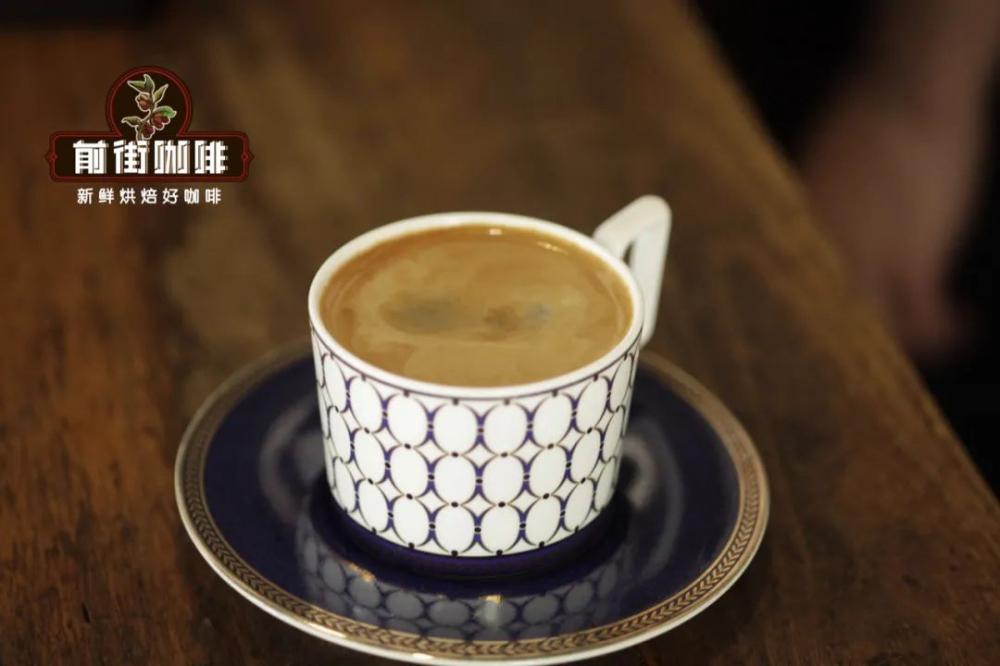
During World War II, American soldiers drank large amounts of coffee to stay alert during the monotonous military life. However, they were generally unaccustomed to the strong bitterness of espresso, so they started diluting it with water. This method was later introduced to Italian-style coffee shops in the U.S., eventually evolving into what we now know as Americano.
Basic Definition of Americano
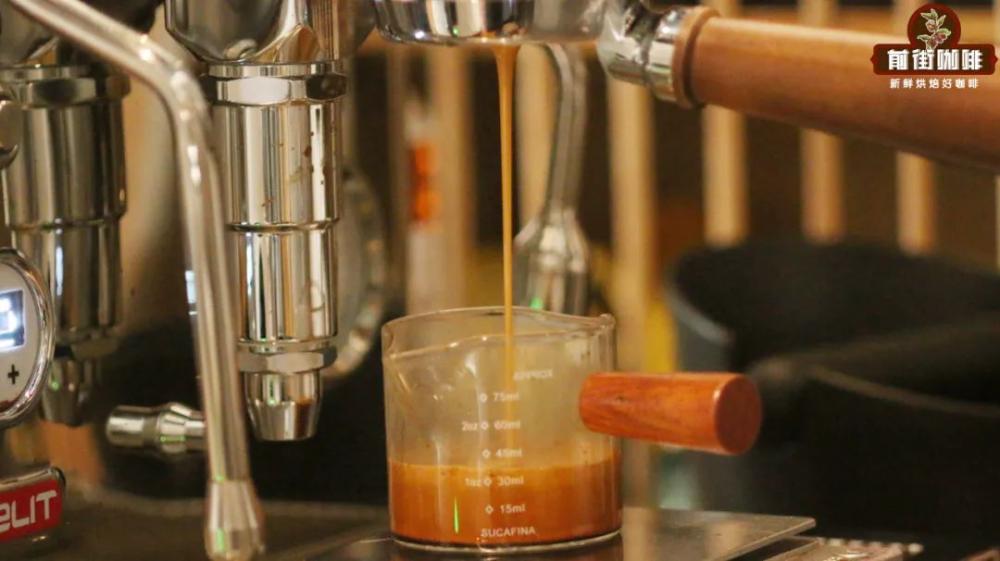
In simple terms, Americano is black coffee made by diluting espresso extracted from an espresso machine with hot water. A common espresso-to-water ratio ranges from 1:2 to 1:6, depending on personal taste. For example, using 20 grams of coffee grounds to extract 40 grams of espresso, then adding 240 grams of water at around 88°C at a 1:6 ratio, results in a standard hot Americano.
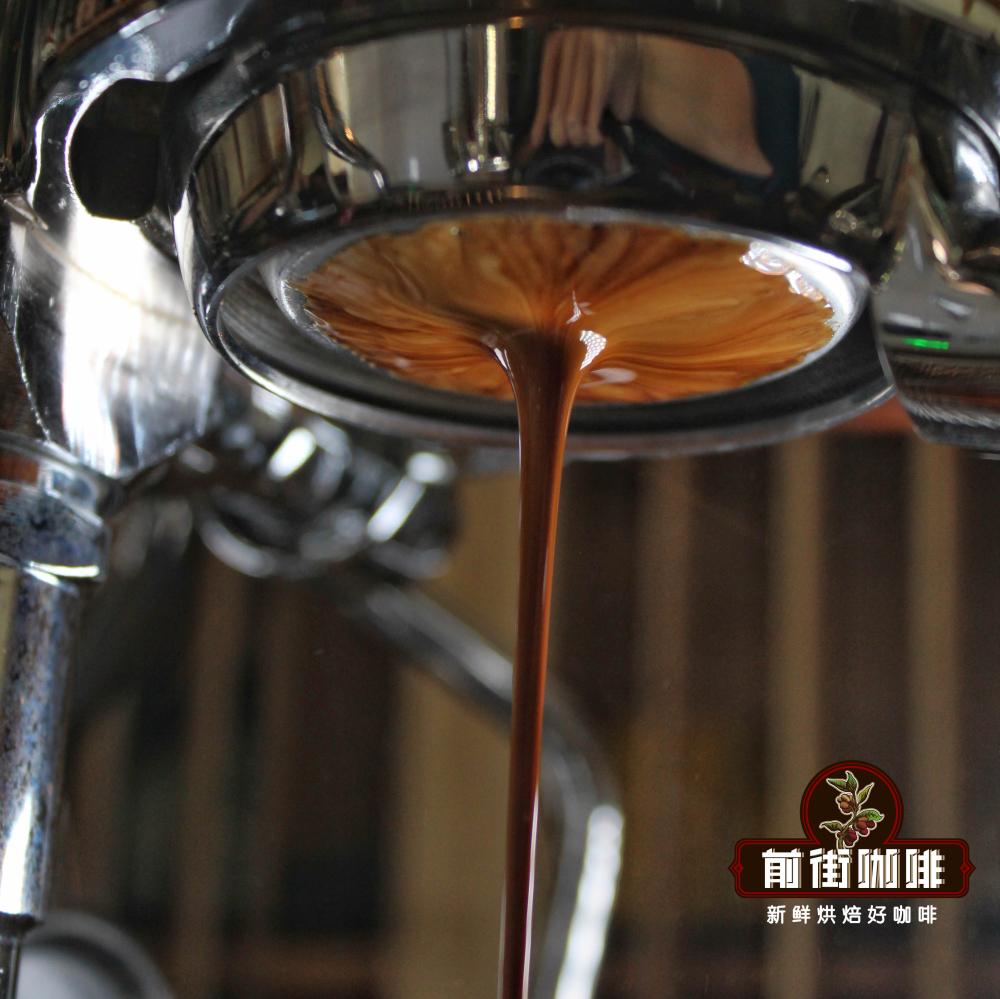
To make an iced Americano, you can replace some of the hot water with ice cubes—typically using 120 grams of ice plus 120 grams of room temperature water—to maintain optimal flavor before the ice melts.
Flavor Characteristics of Americano
The flavor profile of Americano largely depends on the type of coffee beans used and the roast level. Generally, coffee shops opt for blends specifically designed for espresso machines to balance acidity, sweetness, bitterness, and create rich layers. For instance, some blends combine Ethiopian sun-dried beans with Honduran wine-barrel processed beans, delivering complex flavors of wine, berries, vanilla, and roasted nuts.
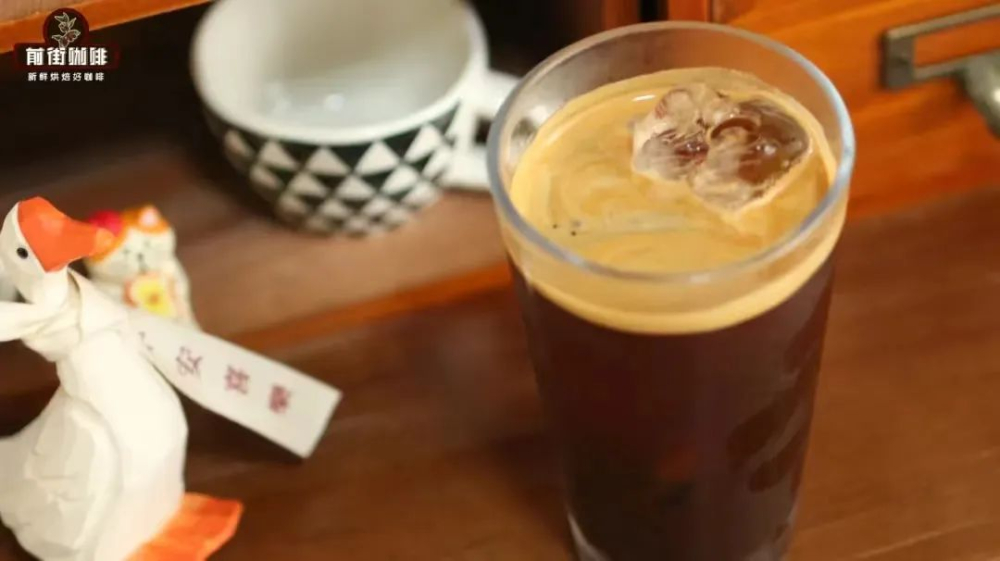
Medium to dark roasts are commonly used, as this range helps stabilize extraction and avoid overly sharp acidity or thin body, while also highlighting warm aromas such as caramel and chocolate. If espresso is used as a base for making latte, it often presents a smoother chocolate and milk flavor.
Recommendations for Blends and Single-Origin Beans
Besides common blends, more and more coffee enthusiasts are experimenting with single-origin coffee beans (SOE, Single Origin Espresso) to make Americano. SOEs can highlight unique regional flavors such as berries, floral notes, or citrus tones, but they have a relatively higher extraction threshold. It’s recommended to choose beans with a medium to dark roast and appropriate grind size to reduce the risk of over-extraction or unwanted off-flavors.
Recommended Blended Coffee Beans
There are several blends on the market that are well-suited for making Americano. Here are a few options with great cost-performance and distinct flavor profiles:
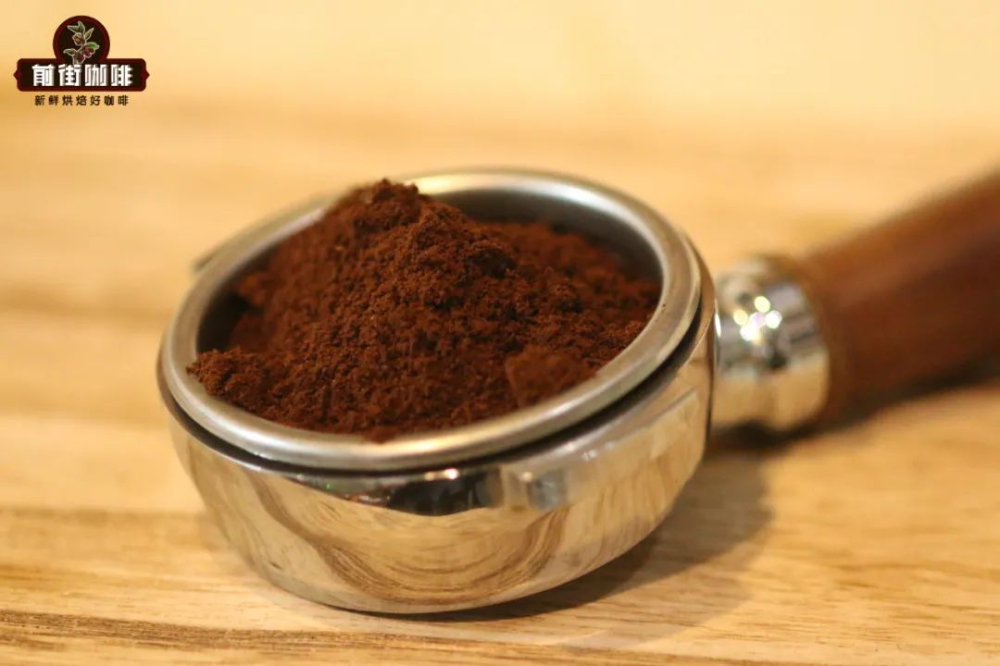
- A well-known coffee shop’s premium blend: Composed of 30% Colombian washed beans and 70% Brazilian semi-washed beans, it offers a harmonious blend of nutty, dark chocolate, and caramel notes.
- A well-known coffee shop’s commercial blend: Combines 10% Robusta, 30% Colombian, and 60% Brazilian beans, with flavors leaning towards nuts, cocoa, and caramel, making it suitable for everyday drinking.
- A well-known coffee shop’s dark cocoa blend: A mix of 30% Yunnan small-seed variety and 70% Brazilian semi-washed beans, presenting soft fruit acidity, caramel, and nutty tones, ideal for those who prefer lower acidity.
Recommended Single-Origin Coffee Beans
If you’d like to try an SOE Americano, it’s recommended to select beans with a medium-dark roast and clear flavor characteristics. The following options are worth considering:
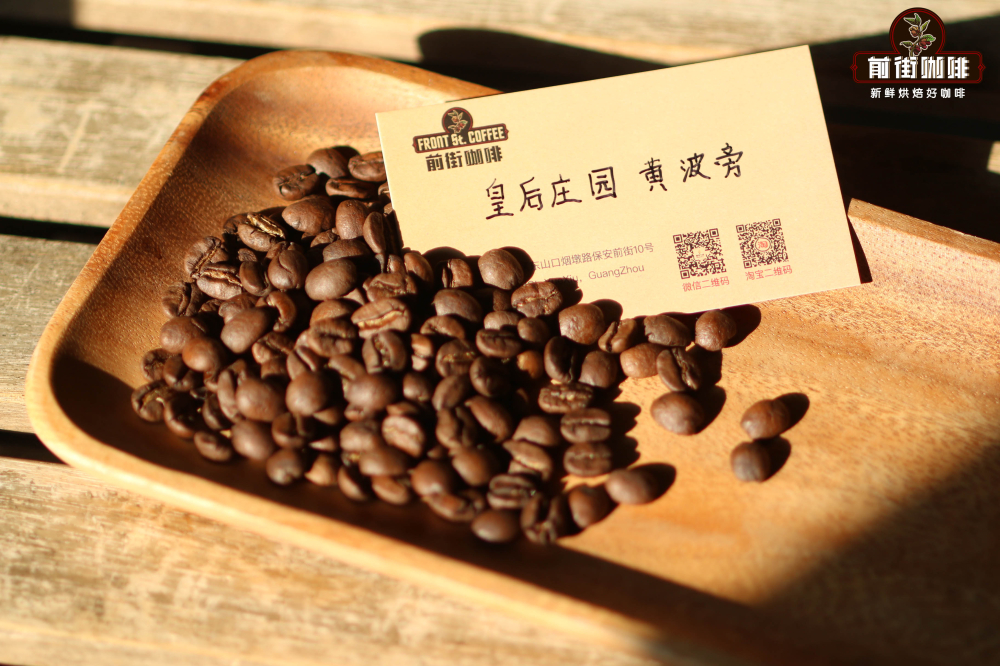
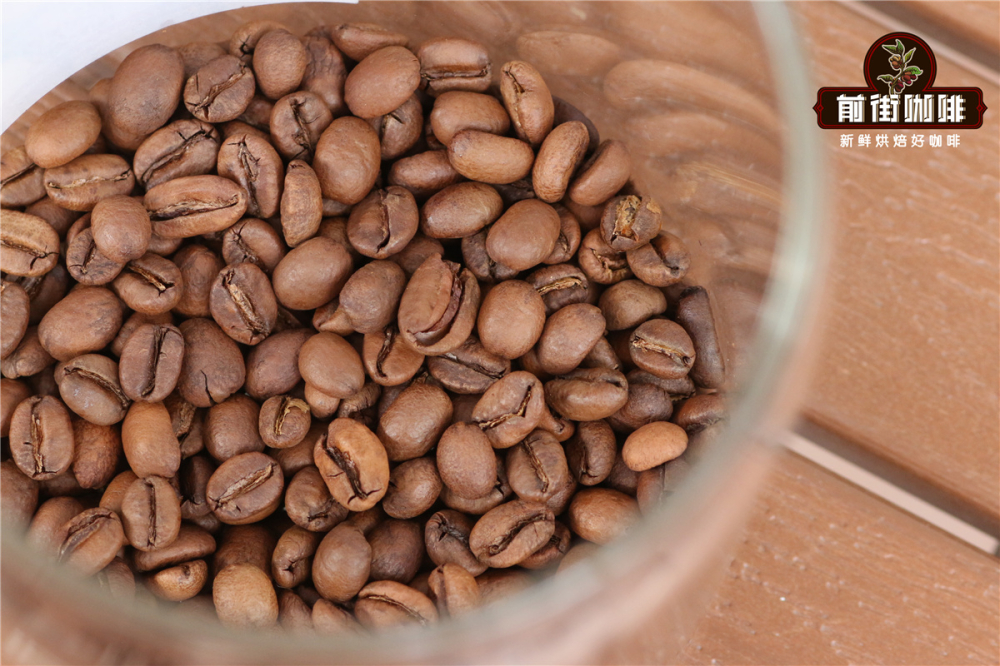
- Brazil Queen’s Estate: Medium-dark roast, rich in crema, the resulting Americano has a full-bodied feel of roasted nuts, hazelnut cookies, and dark chocolate, with a caramel finish.
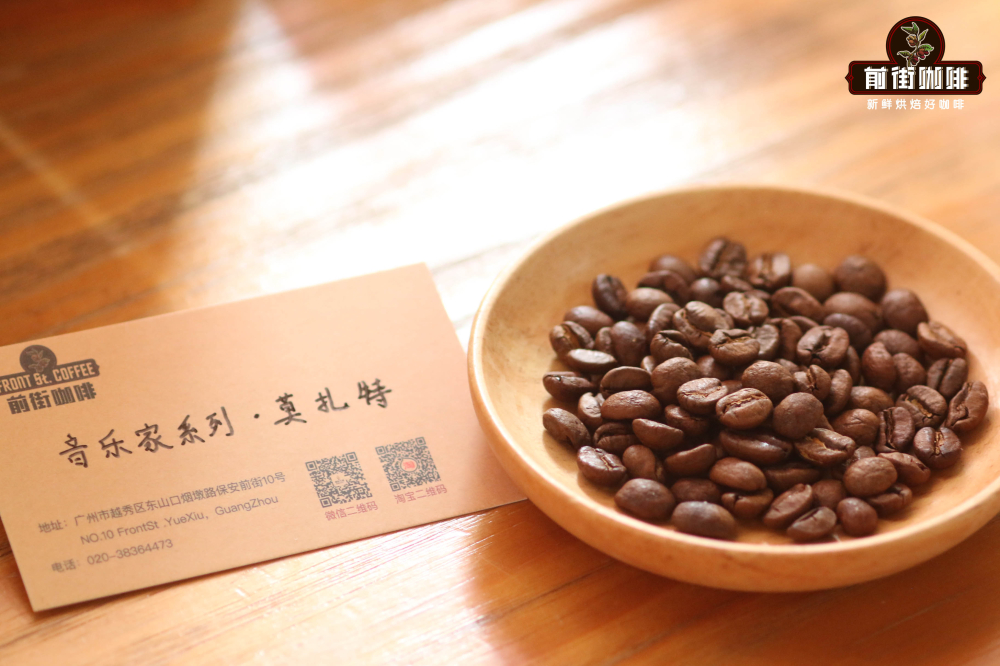
- Costa Rica Mozart: Processed via honey method, it’s sweet with flavors of raisins, berry acidity and sweetness, and a hint of rose aroma, suitable for those who enjoy fresh fruity notes.
- Ethiopia Sun-Dried Red Cherry: Made from ripe red fruits, the sun-drying process brings high sweetness and cleanliness. The resulting Americano features distinct berry aromas and gentle acidity-sweetness, with a clean and refreshing taste.
Whether you choose a blend or a single-origin bean, it’s recommended to use freshly roasted coffee beans within 5 days of roasting to fully release their aroma and flavor. Additionally, adjusting grind size and water temperature based on the brewing method is also key to the final cup profile.
The above content is compiled by CoffeeHunters, a coffee news website.


