








Introduction:Many coffee enthusiasts often wonder just how much the acidity and flavor profiles of iced americano and hot americano differ. This article delves into the key differences between the two brewing methods—from the preparation of the espresso base, coffee-to-water ratio, extraction parameters to the impact of temperature on flavor—helping you find the americano style that best suits your taste.
Coffee drinking habits around the world each have their own unique characteristics. For example, Turkish coffee and Italian espresso both come with distinct historical backgrounds and cultural meanings. The name “Americano” (Caffè Americano) actually has a little story from World War II. When American soldiers arrived in Europe, they found the locally popular espresso too strong and hard to drink, so they diluted it with water. Europeans then jokingly referred to this method as an “Americano.”
There are two common ways to make an americano. One is using a drip coffee machine to brew black coffee, and the other is mixing espresso with a large amount of hot water. Nowadays, what people generally refer to as an americano usually means the latter. The charm of this beverage lies in its simplicity and versatility. Whether served hot or iced, it can present different layers and flavors.
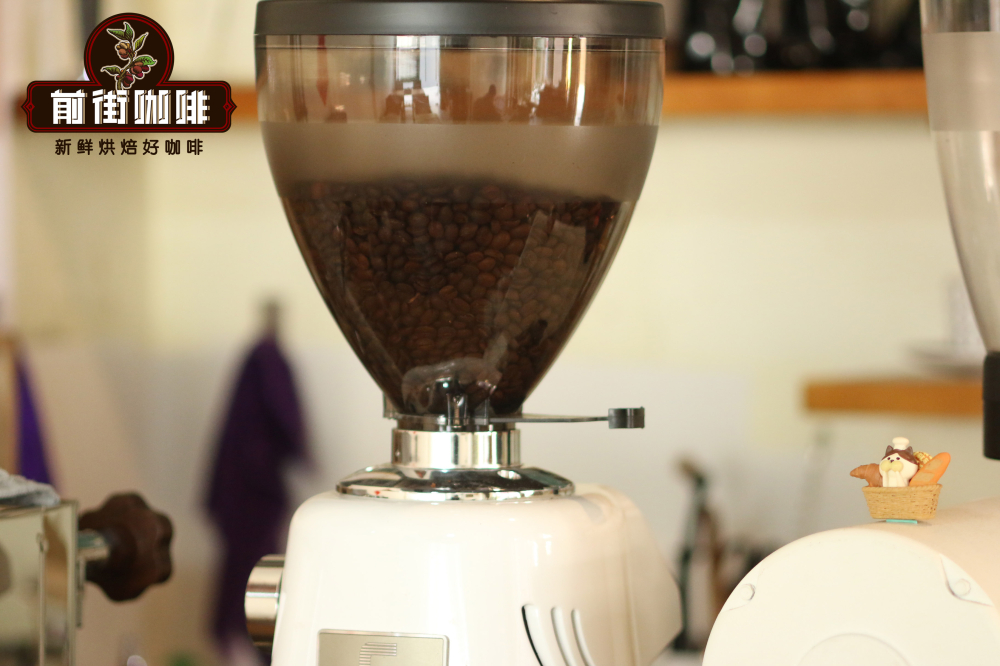
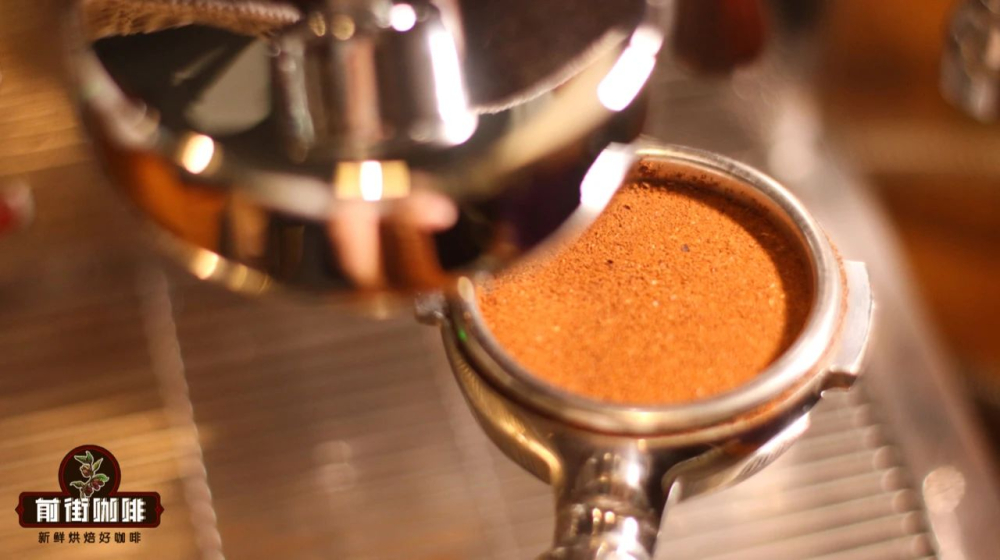
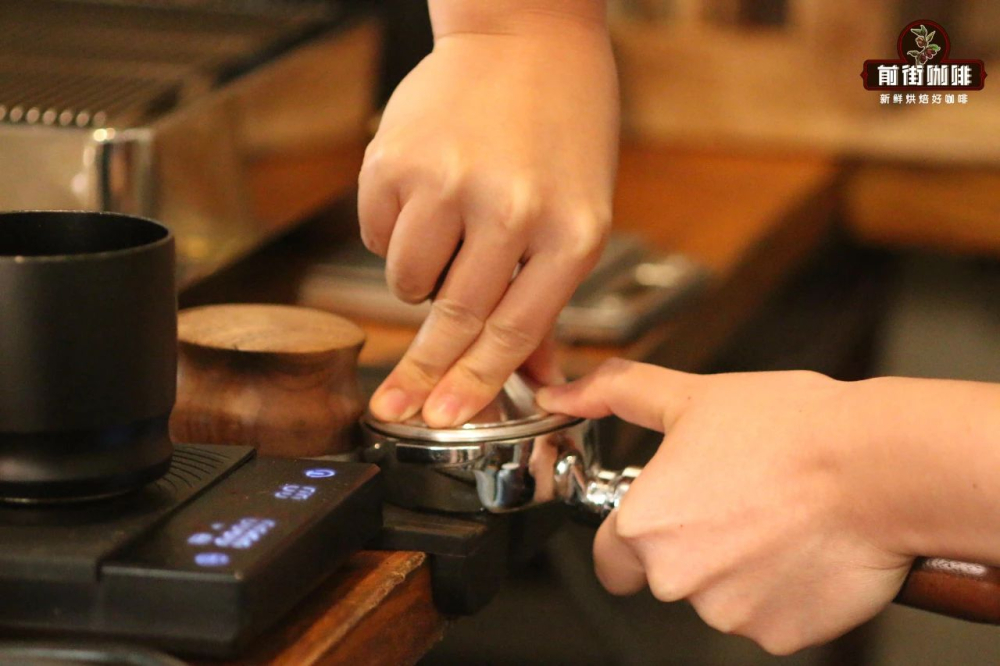
The core of making an americano lies in the extraction quality of the espresso. During extraction, several key parameters must be taken into account, including the grind size of the coffee beans, dosage, water temperature, pressure, and coffee-to-water ratio. These factors all directly affect the final flavor of the coffee, which is why even a simple americano relies heavily on the barista’s skill and experience.
When choosing a blend for the espresso base, different regions and processing methods can yield vastly different flavor profiles. For instance, some shops use a high proportion of dark roast beans to emphasize richness and caramel notes, while others prefer medium-light roast blends to highlight fruit acidity and complexity. Common blend combinations may include beans from Brazil, Ethiopia, or Central and South America, each contributing different aromatic and textural qualities.

Specifically, espresso extraction conditions such as water temperature are typically controlled around 90.5–96°C, pressure maintained at about 9 bar, and the recommended coffee-to-water ratio falls between 1:1.7 and 1:2, yielding about 20–40 grams of espresso. Using 20 grams of coffee grounds, one can typically extract 40 grams of espresso liquid. This ratio is often considered the standard range for achieving a balanced flavor base.
After the espresso is extracted, the next step is to add hot water to create the americano. The traditional ratio is 1:8, meaning one part espresso to eight parts hot water. However, practical testing shows that this ratio can sometimes dilute the coffee too much, resulting in a lack of layered complexity and aftertaste. Adjusting the ratio to 1:6 not only enhances flavor intensity but also retains a fuller body and distinctive finish, such as notes of dark chocolate and wine-like tones.

Temperature significantly impacts the aroma of an americano. A hot americano, due to its high temperature, can more effectively release volatile aromatic compounds, making the coffee’s fragrance more pronounced and vibrant. In contrast, an iced americano, with its lower temperature, suppresses some of the aroma volatilization, but its advantage is reducing the perception of acidity while delivering a crisper and more refreshing mouthfeel. Especially on hot days, iced americano not only cools you down but also makes the coffee taste more balanced and smooth.
When tasting an americano, it’s recommended to approach it similarly to wine or tea tasting, appreciating its multiple layers of flavor step by step. First, bring your nose close to the cup to take in the aroma; then observe the color of the coffee—it should ideally be dark brown rather than pitch black; finally, take small sips, paying attention to the balance of sweetness, acidity, and bitterness. Let the coffee linger in your mouth for a moment before slowly swallowing, which helps you fully experience its flavor complexity.
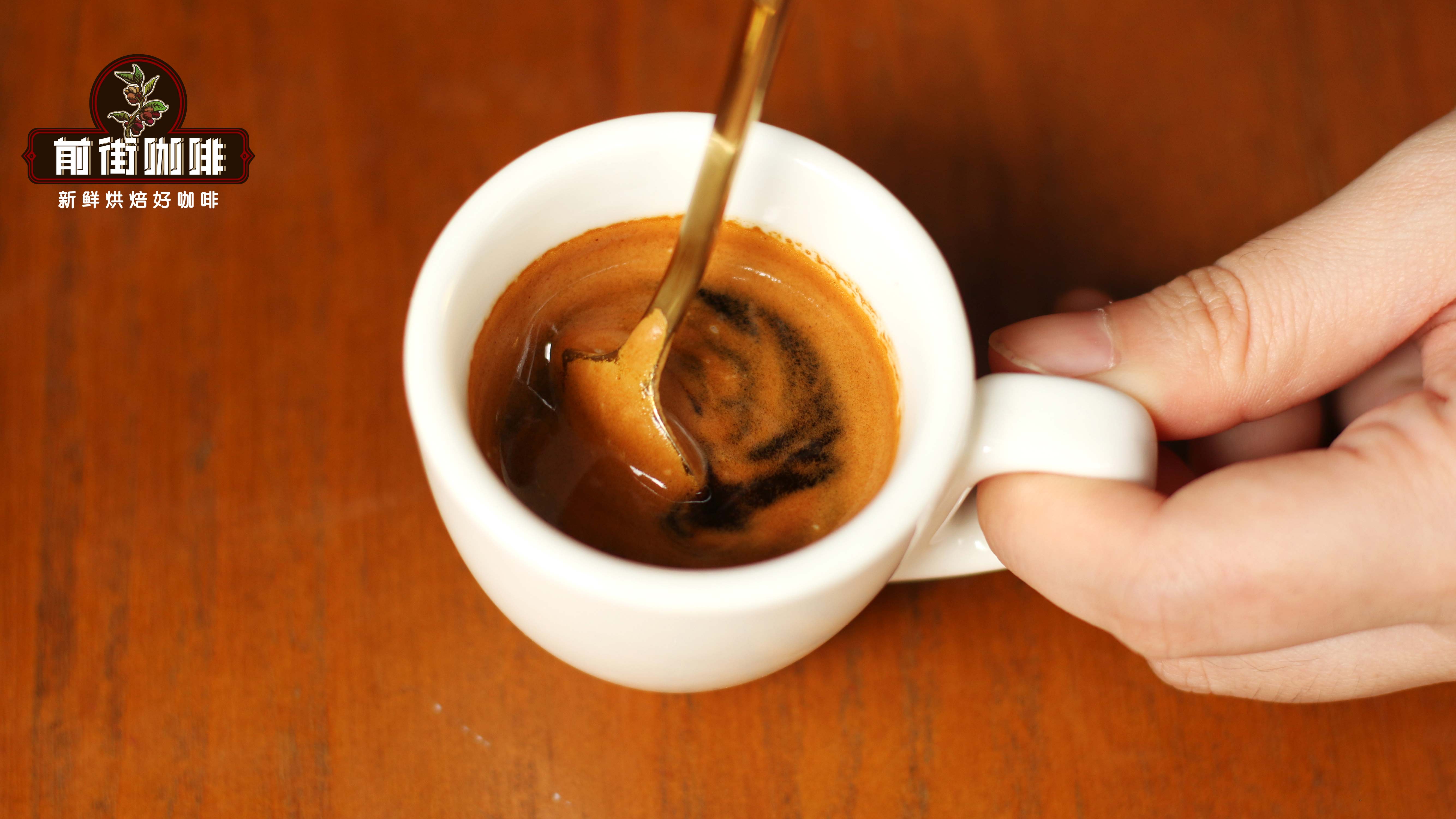
If you find the standard americano too intense or bitter, you can adjust it according to your personal preference by adding sugar or milk. You can even try pairing it with spices like cinnamon, or mixing it with sparkling drinks to create your own unique flavor combination. These adjustments not only help mellow the coffee’s intensity but can also lead to unexpectedly delightful taste experiences.
Overall, hot americano tends to have a more prominent aroma, making it ideal for those who want to savor the layered flavors and scents of coffee. Iced americano, on the other hand, with its refreshing feel and lower acidity, is the go-to choice for summer or anyone craving a crisp taste. No matter which you choose, understanding its brewing principles and flavor characteristics will help you discover your most satisfying coffee experience.






The above content is compiled by CoffeeHunters, a coffee news website.


