







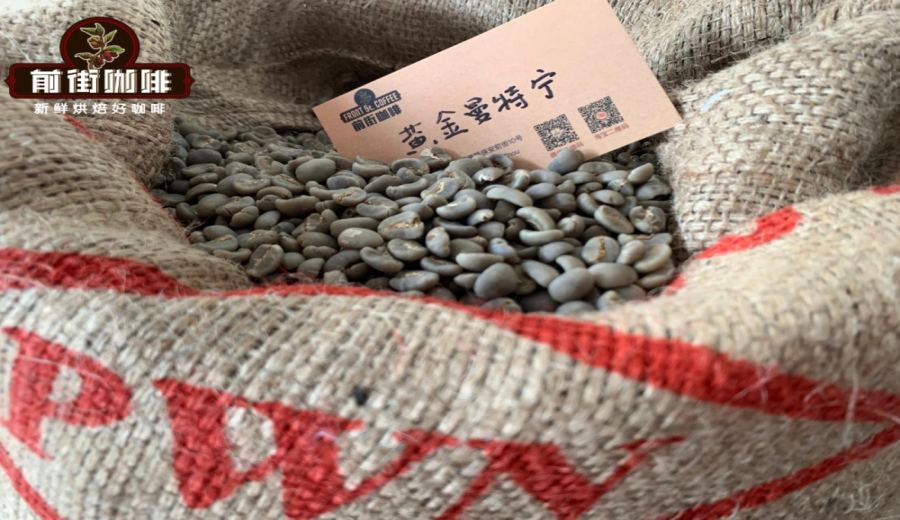
Introduction:Golden Mandheling is hailed as the finest among Mandheling coffees, but the market is full of mixed quality. How can you identify genuine PWN Golden Mandheling? This article delves into the origins, authentic sources, flavor characteristics of Golden Mandheling, and provides professional pour over recommendations and brewing parameters to help you fully grasp the charm of this classic Indonesian bean — from bean selection to brewing.
What is Golden Mandheling?Many people assume that large bean size and fewer defects mean it's Golden Mandheling, but in reality, it’s not only about high visual standards—it also has deep historical and regional significance. Initially, a group of Japanese merchants collaborated with local suppliers in North Sumatra, Indonesia, to promote high-quality Mandheling in the market, giving birth to the name "Golden Mandheling," symbolizing premium Mandheling.
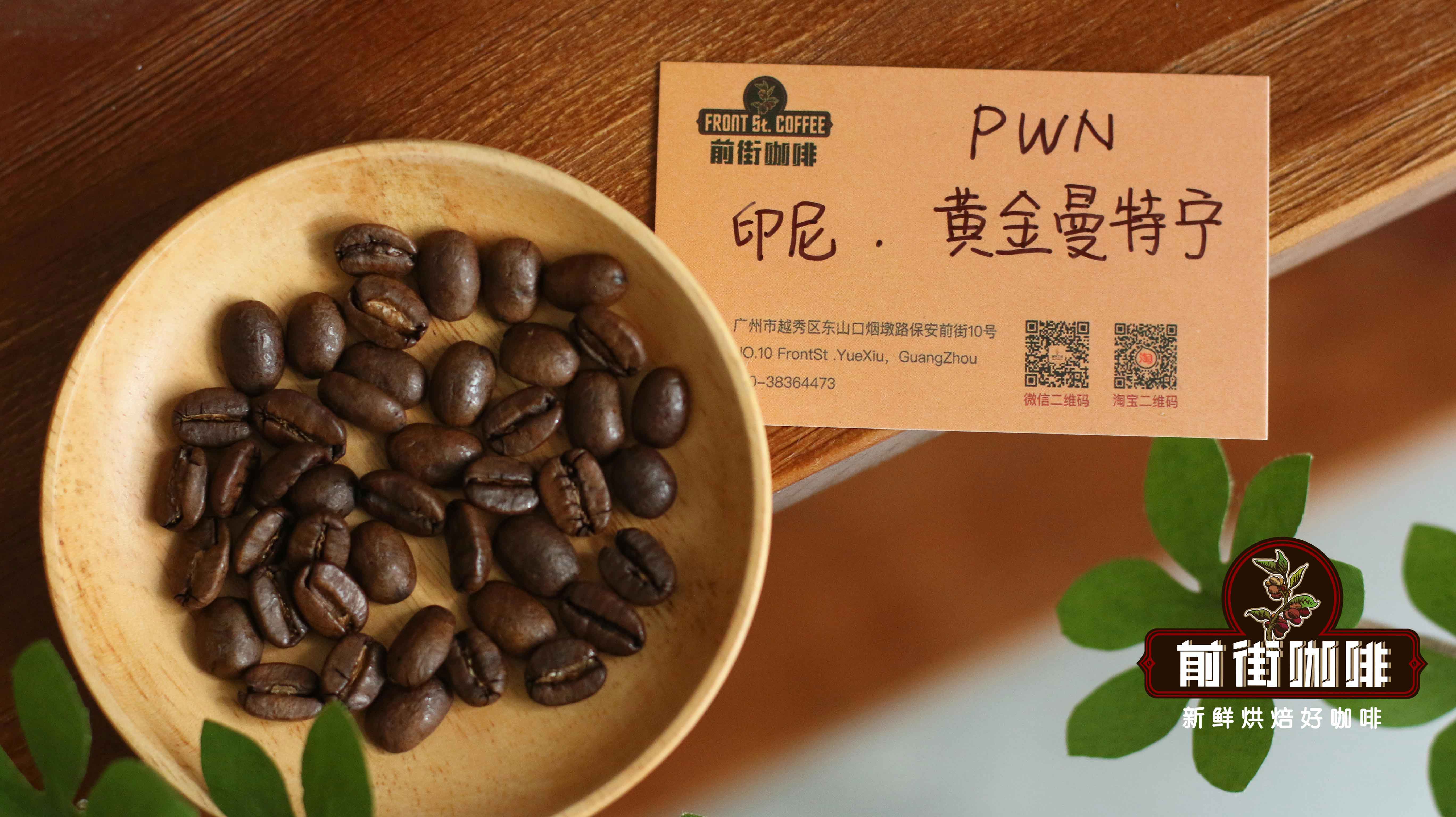
However, due to trademark registration issues, Pawani Company, which was originally responsible for operating the region, registered the name "Golden Mandheling" first, prompting the Japanese side to instead promote "Dingshang Mandheling." Therefore, the authentic Golden Mandheling referred to in the market today actually comes from Indonesia’s PWN (Pawani Coffee Company), the only green bean supplier authorized to use the name.
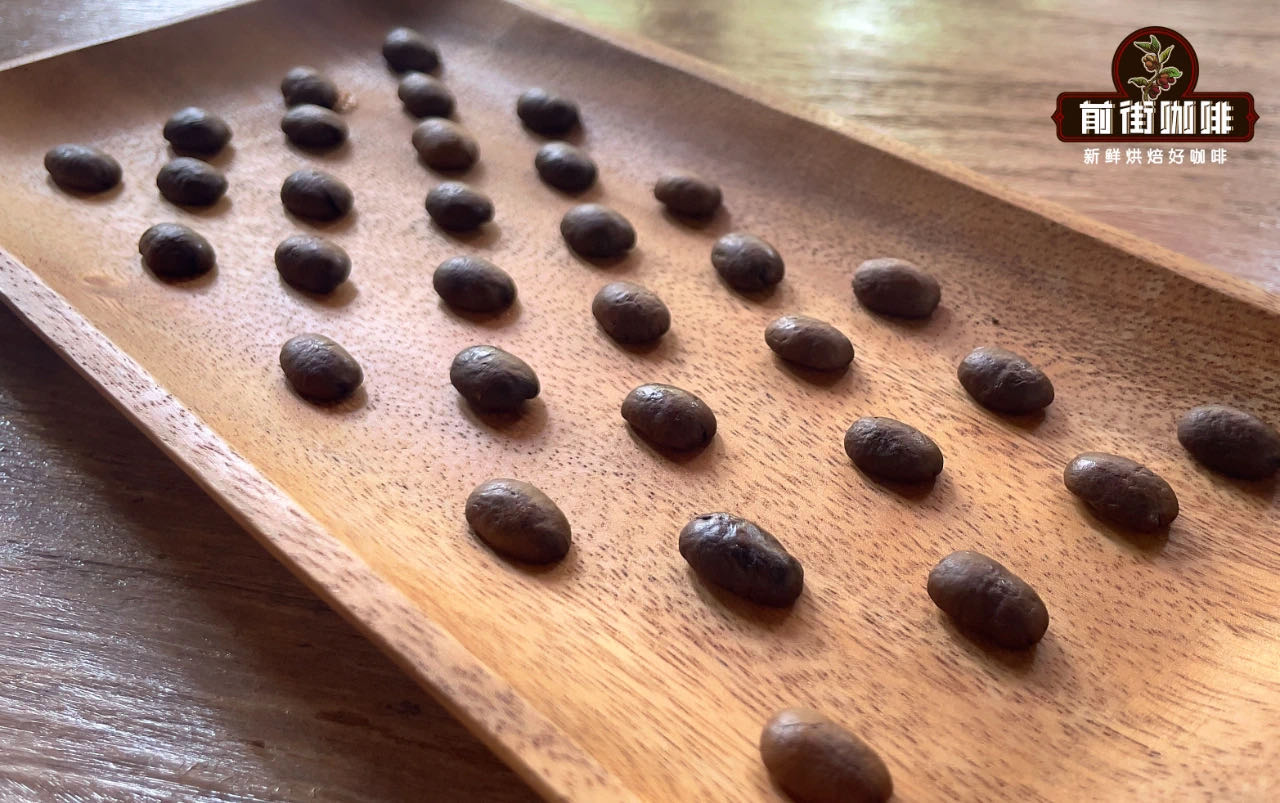
In short, if you see coffee labeled as "Golden Mandheling" without indicating it’s from PWN, it’s usually just a product that references PWN’s selection criteria—quality close to G1 grade 18-eye Mandheling—but not the truly orthodox "PWN Golden Mandheling."
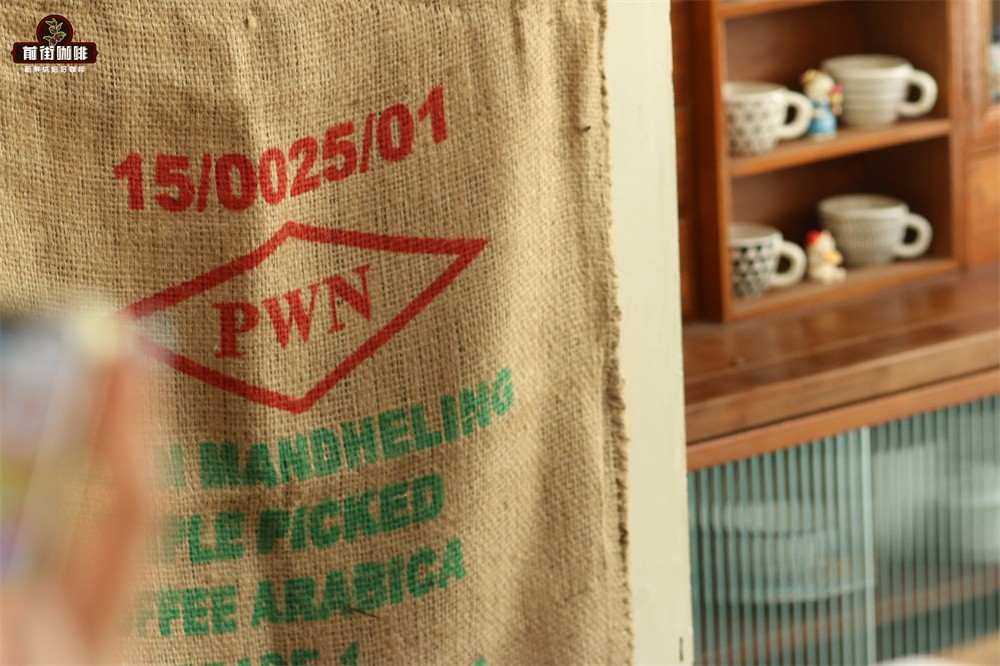
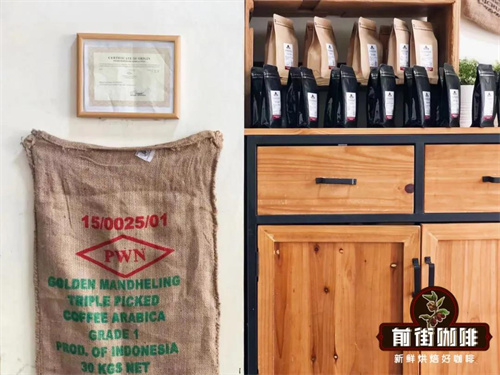
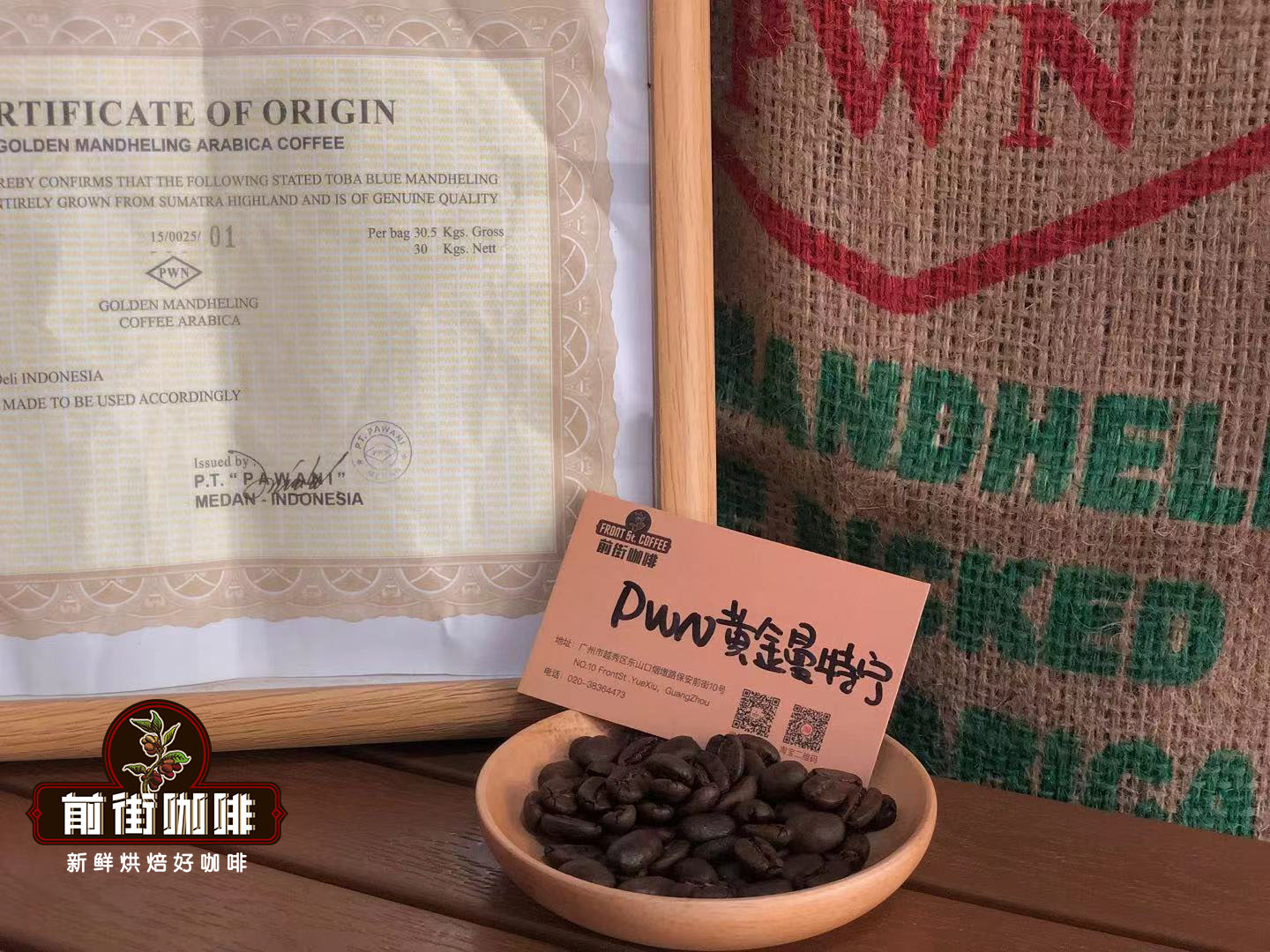
How to identify authentic PWN Golden Mandheling?Every genuine package of PWN Golden Mandheling comes with a unique numbered jute sack and a corresponding certificate, which are key to verifying authenticity. Additionally, PWN’s Golden Mandheling sacks are all 30 kg packages, clearly marked with anti-counterfeiting measures. It’s recommended to request these proof documents from the seller when purchasing.
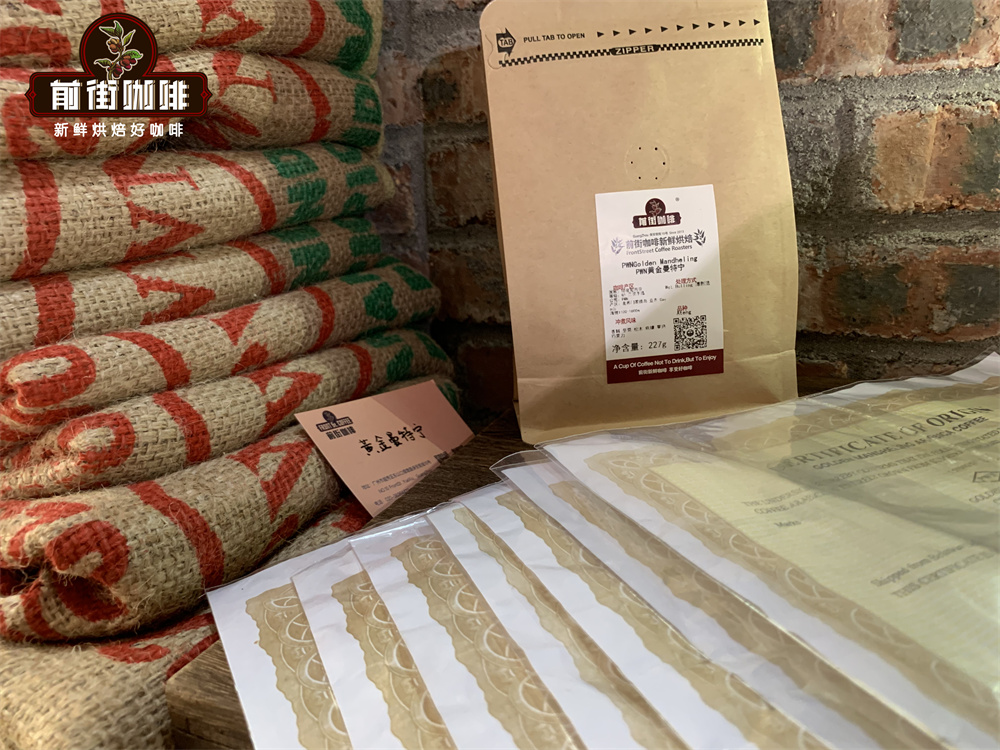
PWN’s screening process for Golden Mandheling is extremely rigorous. In addition to selecting beans that are 18-eye or larger and have fewer than 3 defects per 300g, they further eliminate visually unappealing “goat hoof beans”—beans slightly misshapen due to the wet-hulling process. Though not considered defects, these affect overall appearance and consistency. The beans then undergo four rounds of manual sorting, as well as machine-based density and color sorting, ensuring uniform size and consistent color. After a total of five sorting stages, the Golden Mandheling seen on the market is produced.
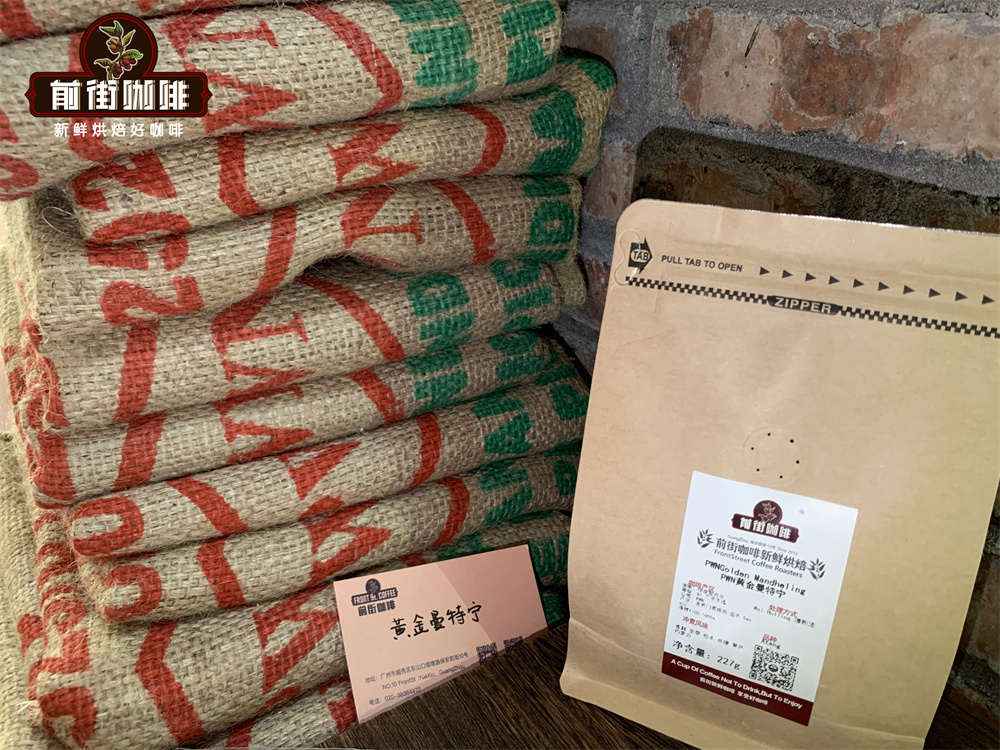
In contrast, many non-PWN-produced “Golden Mandheling” beans on the market, although also selected as G1 grade and 18-eye or above, and even subjected to multiple screenings, often fall short of the PWN version in terms of overall cleanliness and flavor purity—this is why many professional cuppers can easily distinguish the authentic PWN Golden Mandheling.
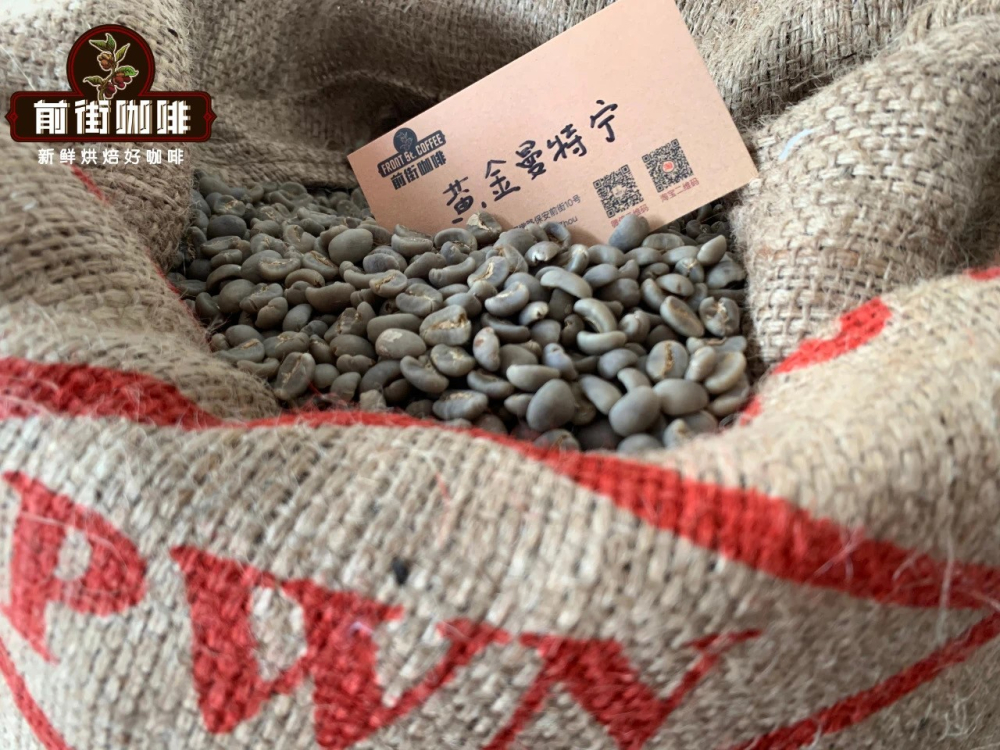
PWN Golden Mandheling Varieties and Processing MethodsIt mainly uses the Ateng variety, also known as Catimor—a hybrid of Arabica and Robusta known for its strong disease resistance. This variety originated in East Timor and was later introduced to Indonesia when the government brought in leaf rust-resistant varieties. It gradually became planted in northern Sumatra, especially widely cultivated in the Aceh region, where it’s locally referred to as Ateng.
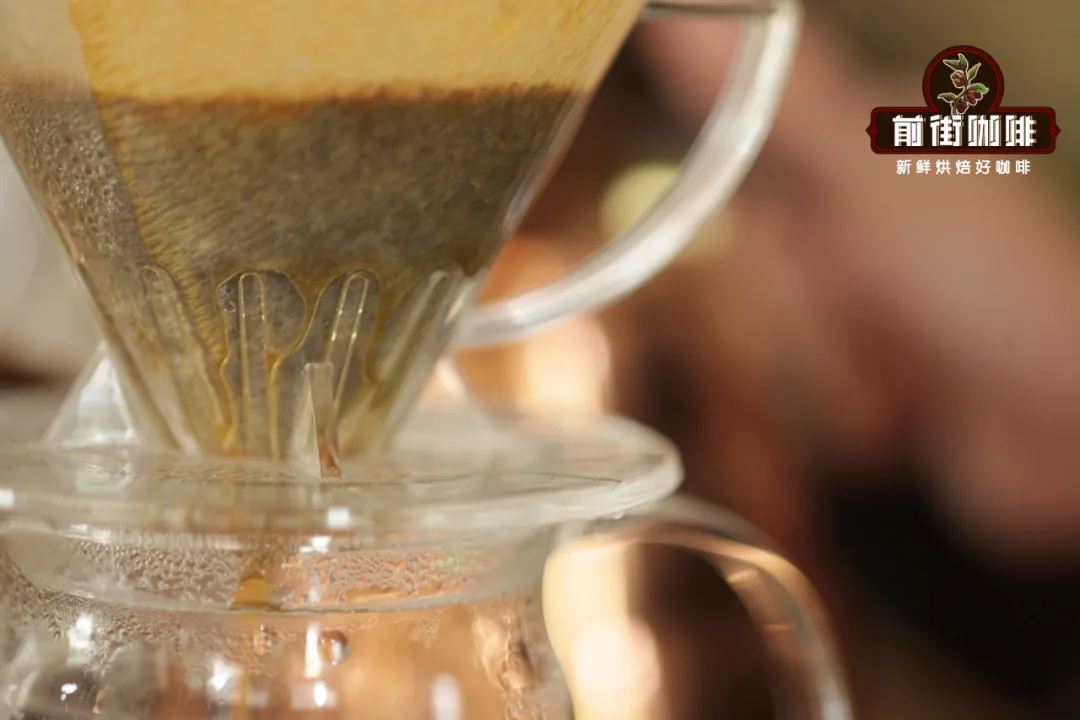
Pour Over Recommendations and Brewing ParametersTo fully showcase the richness and aroma of Golden Mandheling, every detail of the pour over process is crucial. It’s recommended to use freshly roasted beans (ideally within 5 days post-roast, with a rest period of about 4–7 days), as this is when the flavors are at their peak. For equipment, you can choose a Kono filter cone—their unique rib design enhances extraction body and reduces channeling effects.
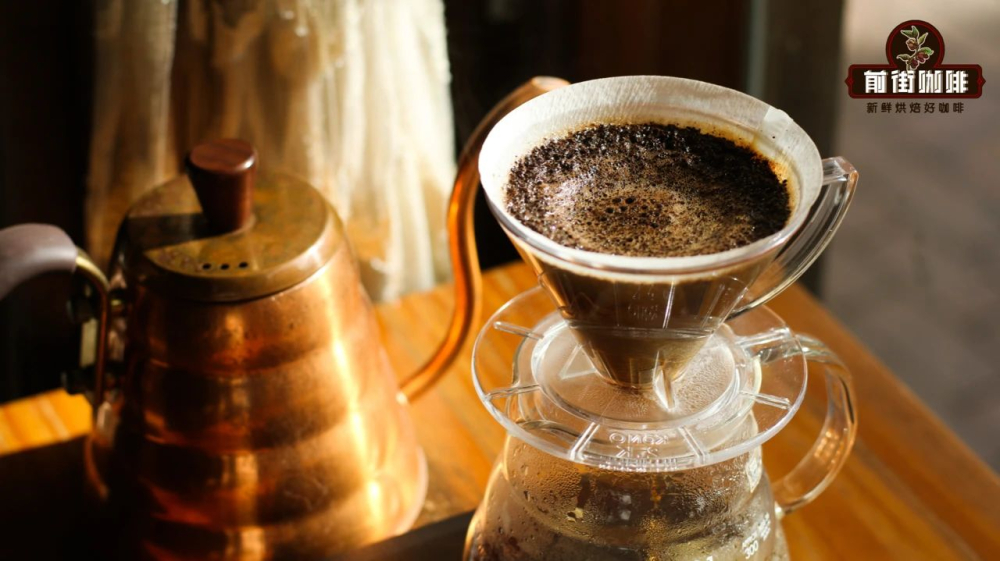
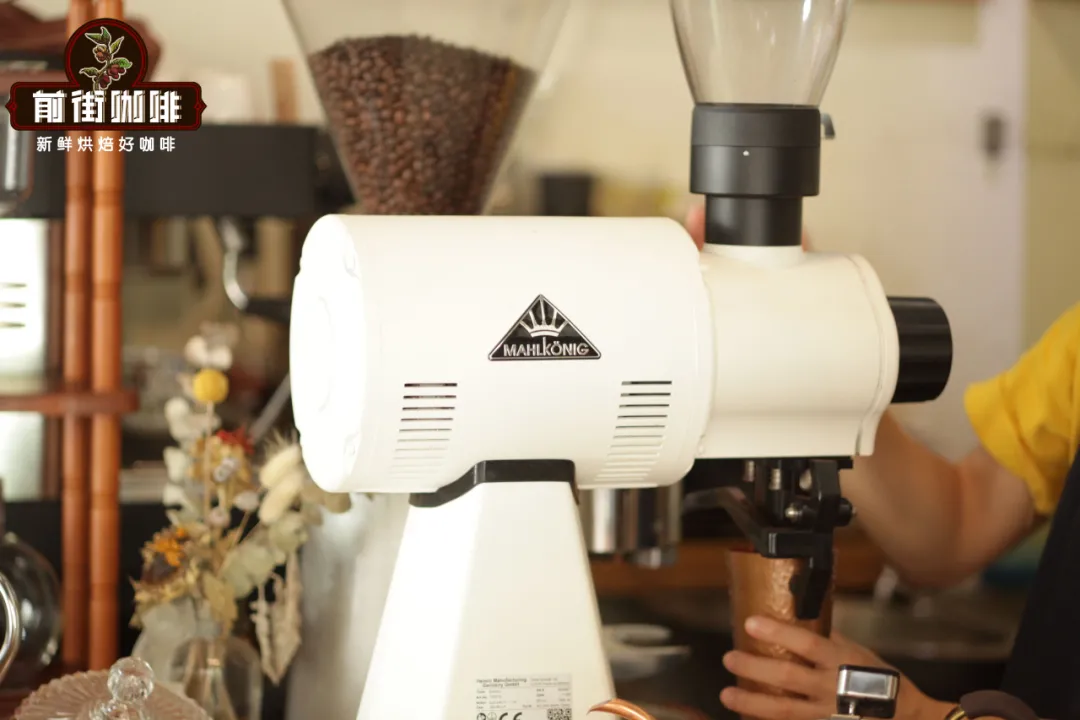
Specific parameters are as follows: suggested coffee dose is 15 grams, coffee-to-water ratio 1:15, grind size around 70% through a #20 sieve (slightly coarser than light roast, to avoid over-extraction and burnt bitterness), water temperature controlled at 87–88°C. These settings can fully bring out Mandheling’s characteristic herbal, caramel, chocolate, and nutty notes, while avoiding negative flavors from over-extraction.
The recommended pour over method is a three-stage pouring technique: the first stage is a 30ml bloom to wet the coffee grounds; the second stage pours 100ml; and the final stage pours 95ml. This segmented pouring approach effectively enhances sweetness and body, resulting in a rounder and more layered mouthfeel.
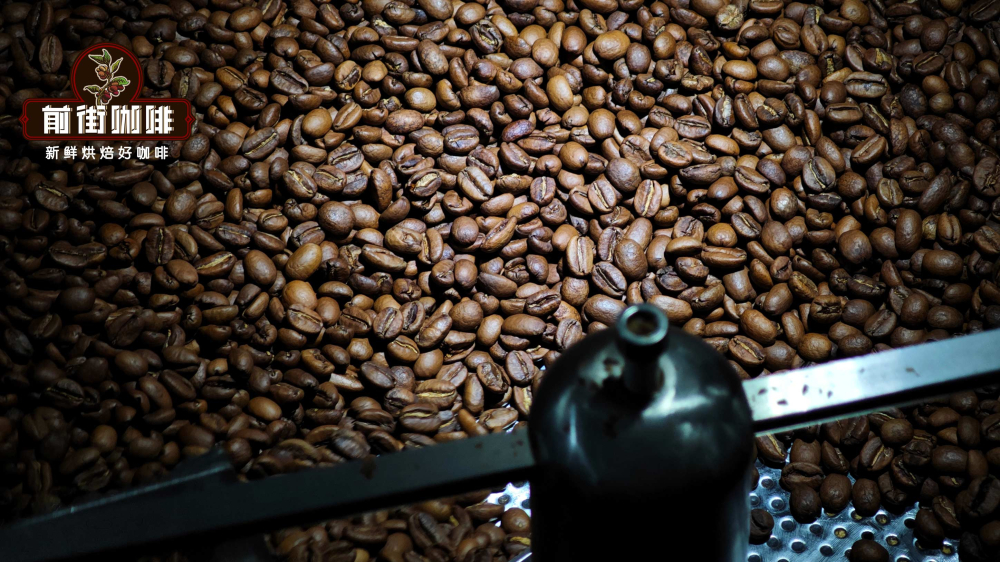
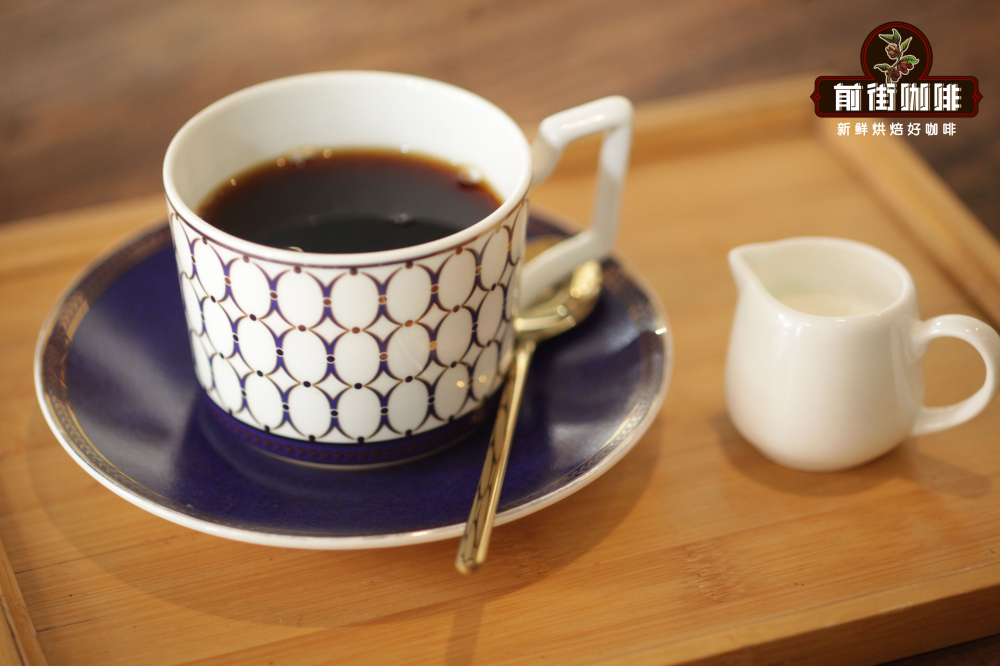
Flavor Profile DescriptionGolden Mandheling presents sweet herbal notes, cinnamon-like spices, and citrus peel aromas. It has a rich and bold entry with pronounced sweetness, and a finish of cream, walnut, and chocolate. The acidity is soft and restrained, accompanied by melon and herbal notes in the aroma. As the temperature drops, the herbal and spice aromas become more prominent, making for an overall balanced and distinctive cup—an excellent choice for those who enjoy the flavors of dark-roasted Mandheling.
The above content is compiled by CoffeeHunters, a coffee news website.


