







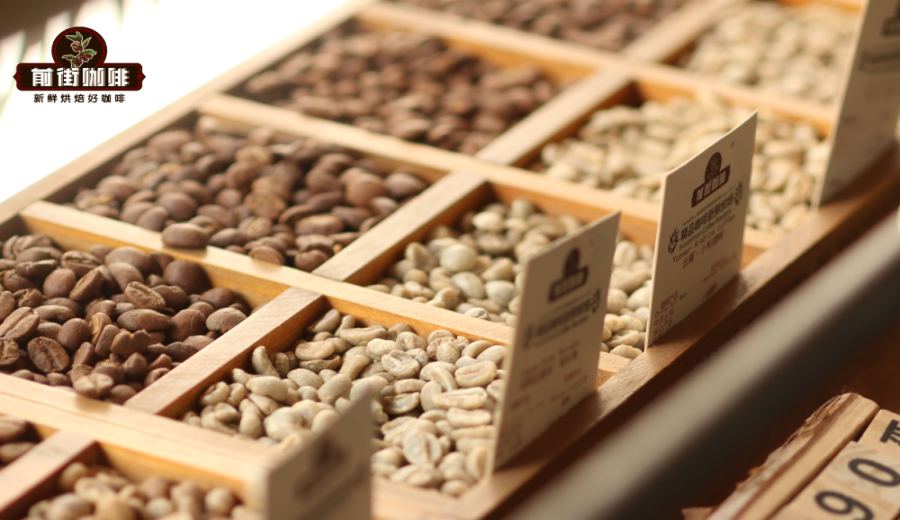
Introduction:Indonesian Sumatra’s Golden Mandheling coffee is renowned for its rich, smooth body and low earthy flavors, making it distinctly different from regular Mandheling. This article delves into the production region background of a well-known brand’s Golden Mandheling, its wet-hulled processing technique, explores the characteristics of its variety and roast profile, and finally offers practical pour over parameters to help coffee enthusiasts fully grasp the charm of this classic bean.
When people talk about a bold and rich coffee experience, Indonesian Sumatran Mandheling is often one of the top choices. However, many first-time drinkers are often put off by its distinctive earthy notes. Yet, the Golden Mandheling launched by a well-known brand flips this impression—it offers a cleaner, crisper flavor with distinct layers of chocolate and caramel, and a sweet lingering finish that has won global acclaim. What exactly creates this coffee’s unique flavor? Let’s uncover the secrets behind it.
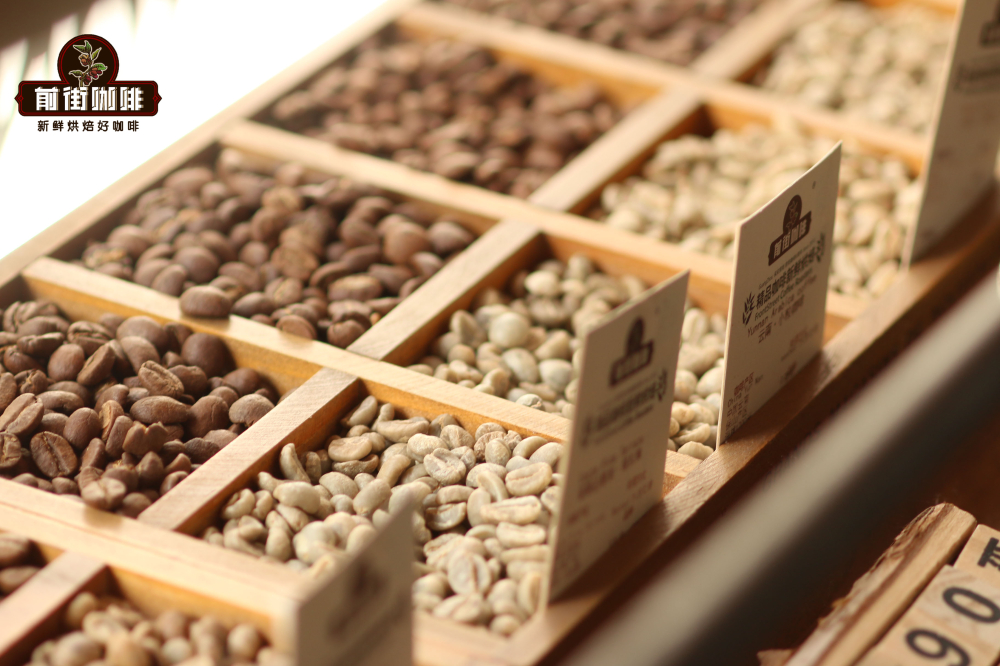
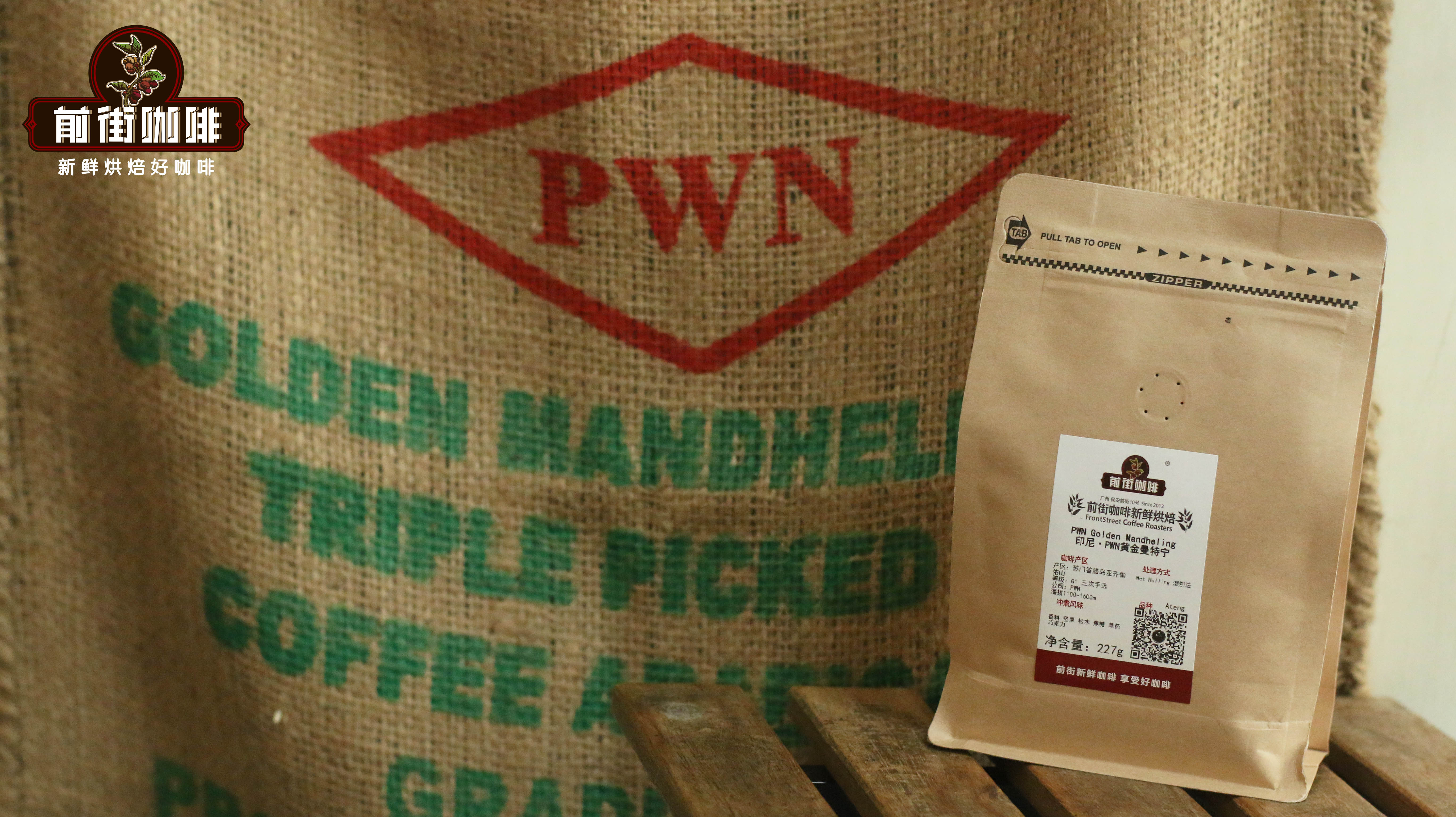
This Golden Mandheling coffee bean comes from the Gayo Highlands region in Sumatra, Indonesia, grown at altitudes between 1100 and 1600 meters, and belongs to the Ateng variety, processed using the local wet-hulling method. Compared to previous versions sourced from Lake Tawar, the new season’s coffee emphasizes more toasty, nutty, and pine notes, while showcasing a fuller body and pronounced caramel sweetness.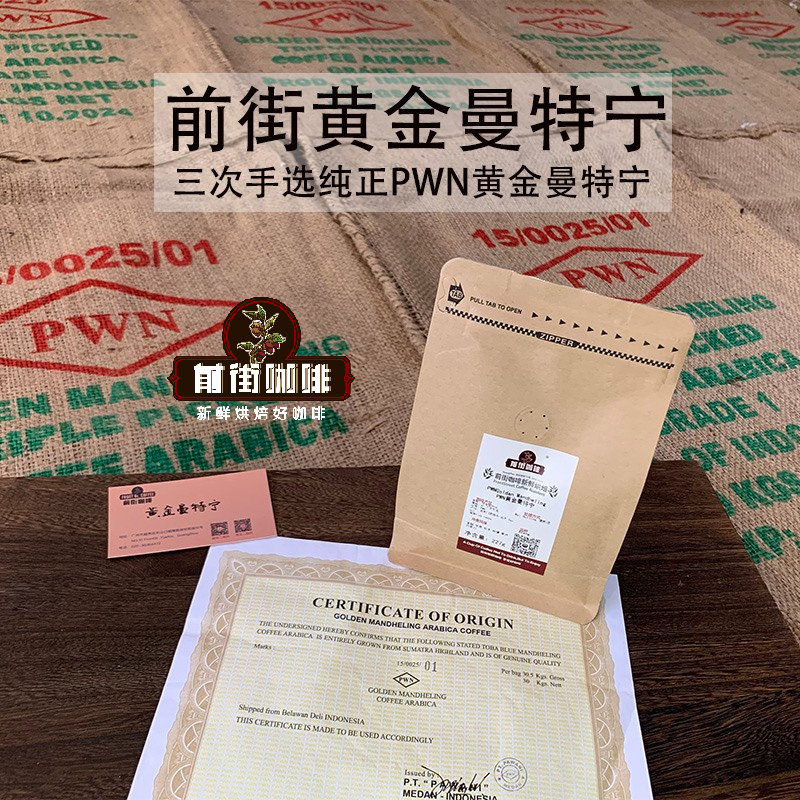
The birth of a high-quality cup of coffee relies on three core elements: the production environment, coffee variety, and post-harvest processing method. As Indonesia’s largest island, Sumatra features a tropical rainforest climate with high temperatures and humidity year-round. Though suitable for coffee cultivation, altitude limitations mean only about 25% is Arabica, with the rest being Robusta, which thrives at lower elevations. Under such conditions, Indonesian farmers developed the unique wet-hulling method, which not only shortens drying time but also shapes the herbal and earthy flavors distinctive to Mandheling.
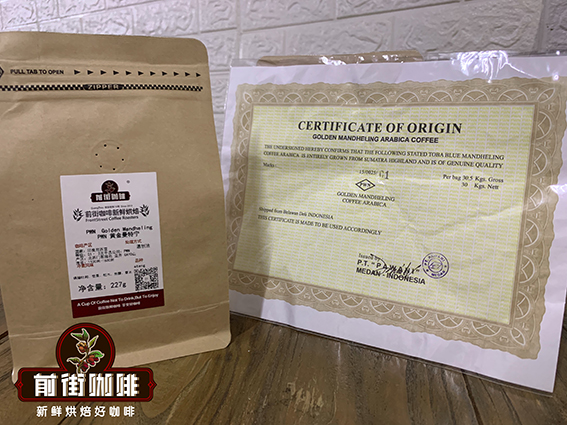
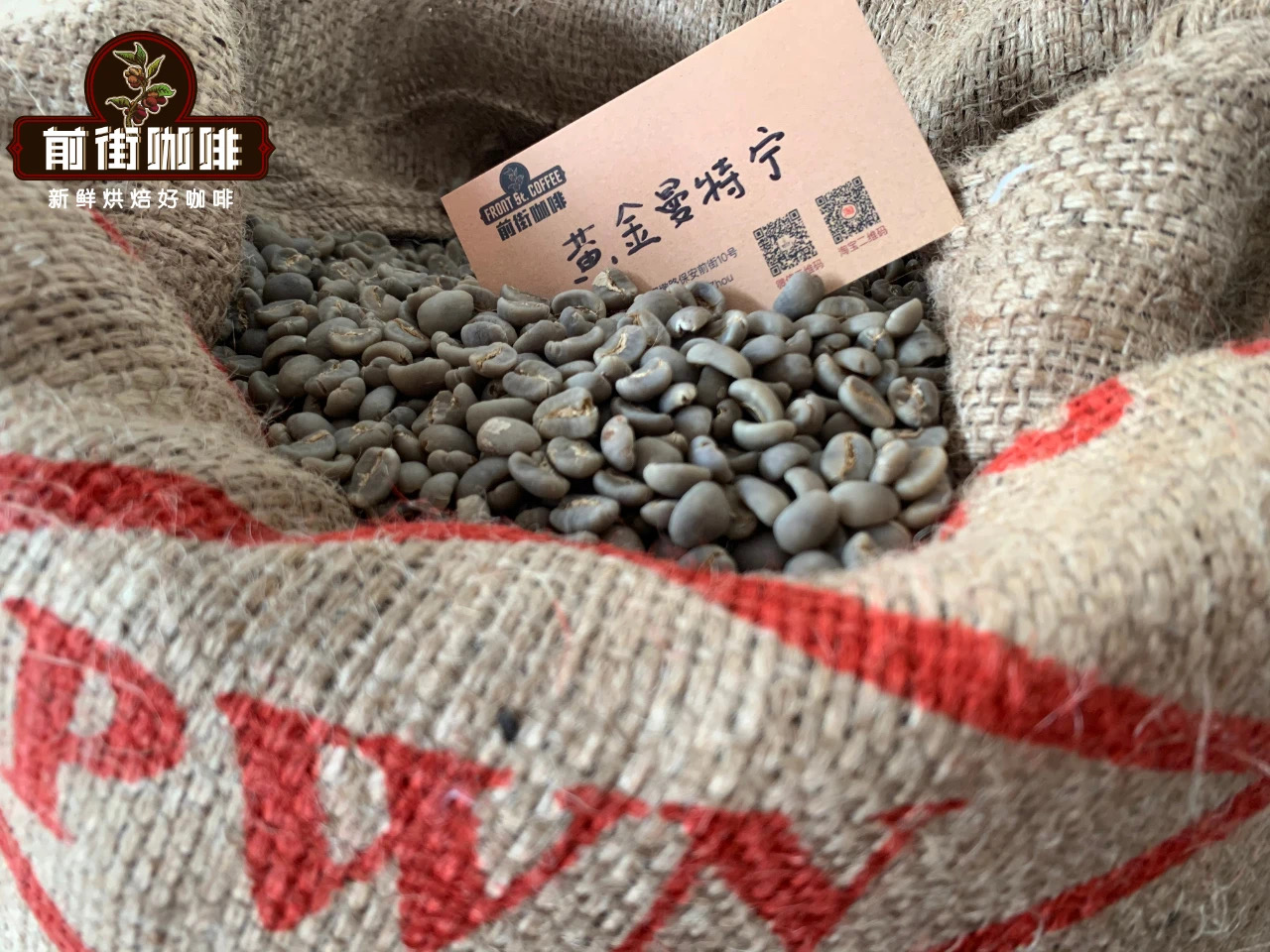
A well-known brand, as a primary producer of Golden Mandheling, has been dedicated to coffee exports since 1957, headquartered in Medan, Sumatra. Its products are widely praised for consistent quality and stringent screening, especially enjoying a stellar reputation in the Japanese market. It’s said that the name “Golden Mandheling” originates from the golden sheen raw beans emit under sunlight, but the name has been trademarked by this brand, becoming its exclusive property. Consumers can confirm authenticity by checking the brand logo on the jute sack or the factory certificate included with the beans.
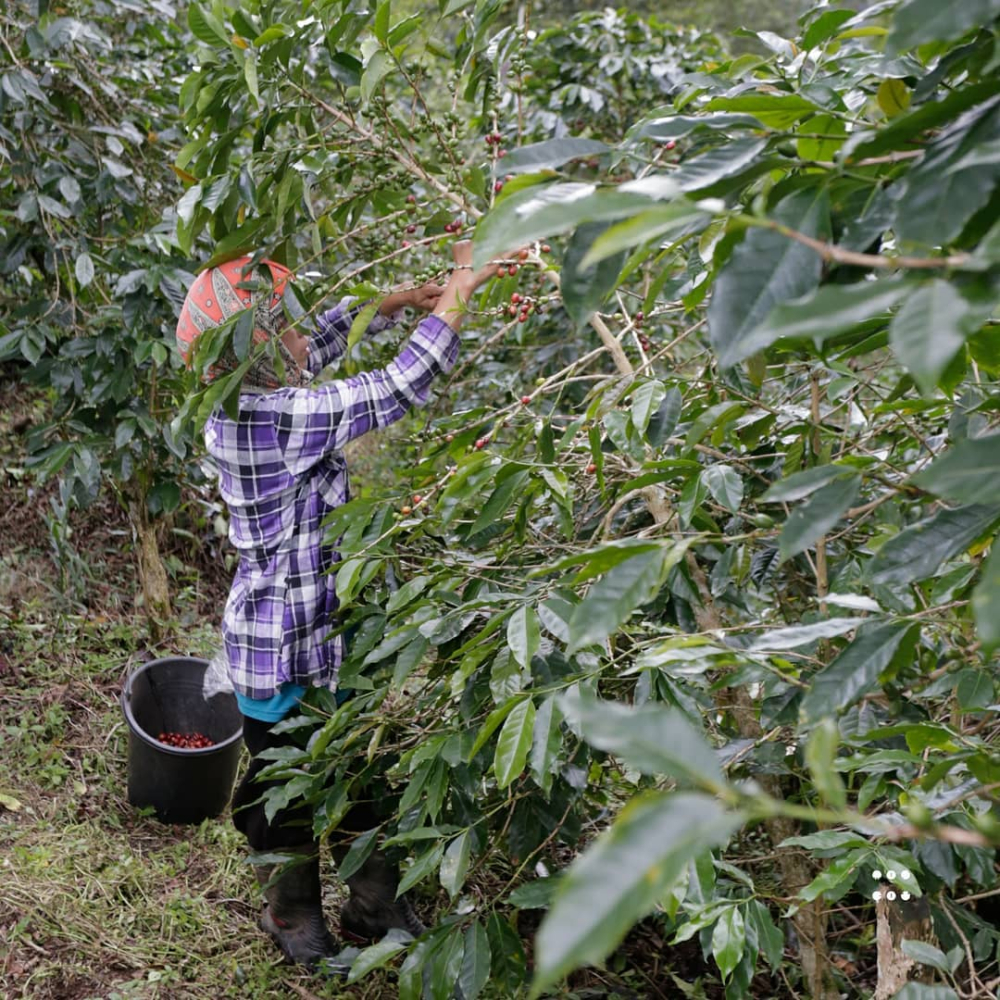
This year, the brand chose Gayo Highlands as its new growing region. Located at the northernmost tip of Sumatra, surrounded by Takegon town and the slopes of Lake Tawar, the beans are grown at altitudes of around 1100 to 1600 meters. Previously hindered by political instability that made exports difficult, the region’s coffee quality has now gained market recognition as the situation stabilizes, even being considered superior to the traditional Lintong region. The Golden Mandheling produced here undergoes strict triple hand sorting and one mechanical sort, resulting in uniformly attractive beans that help express purer flavors during roasting.
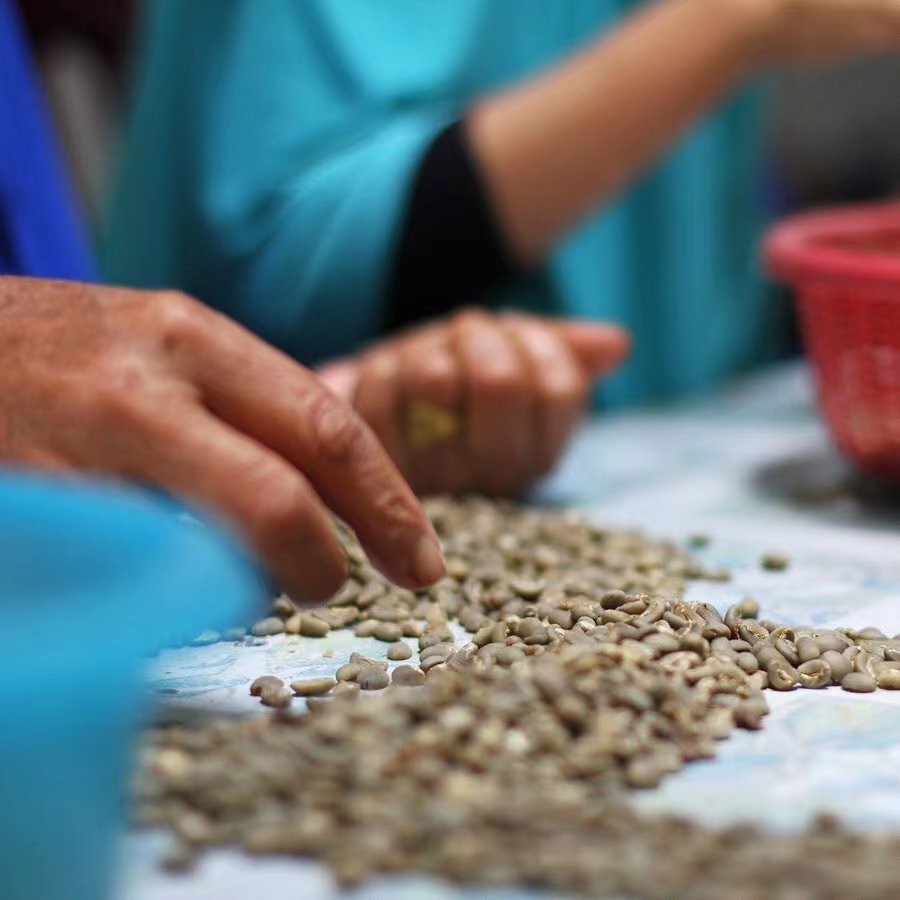
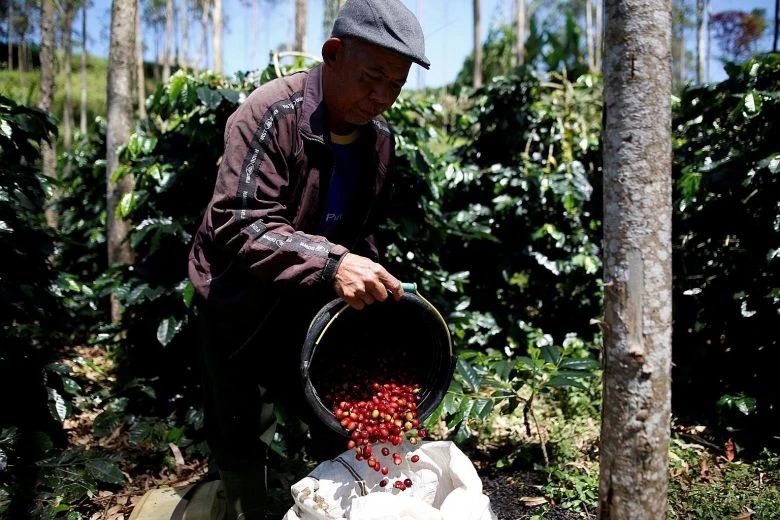
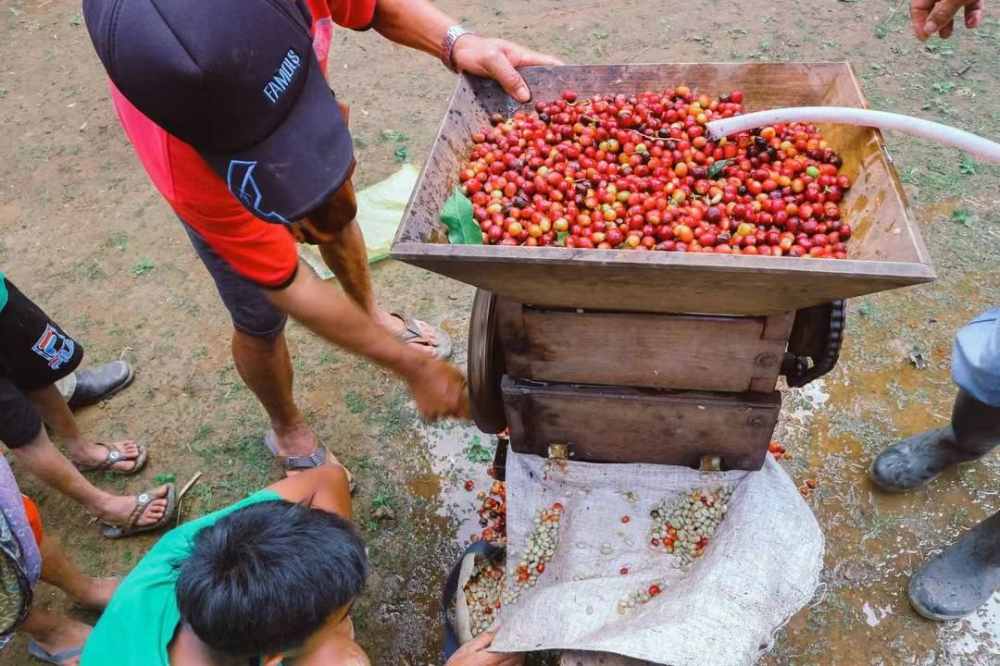
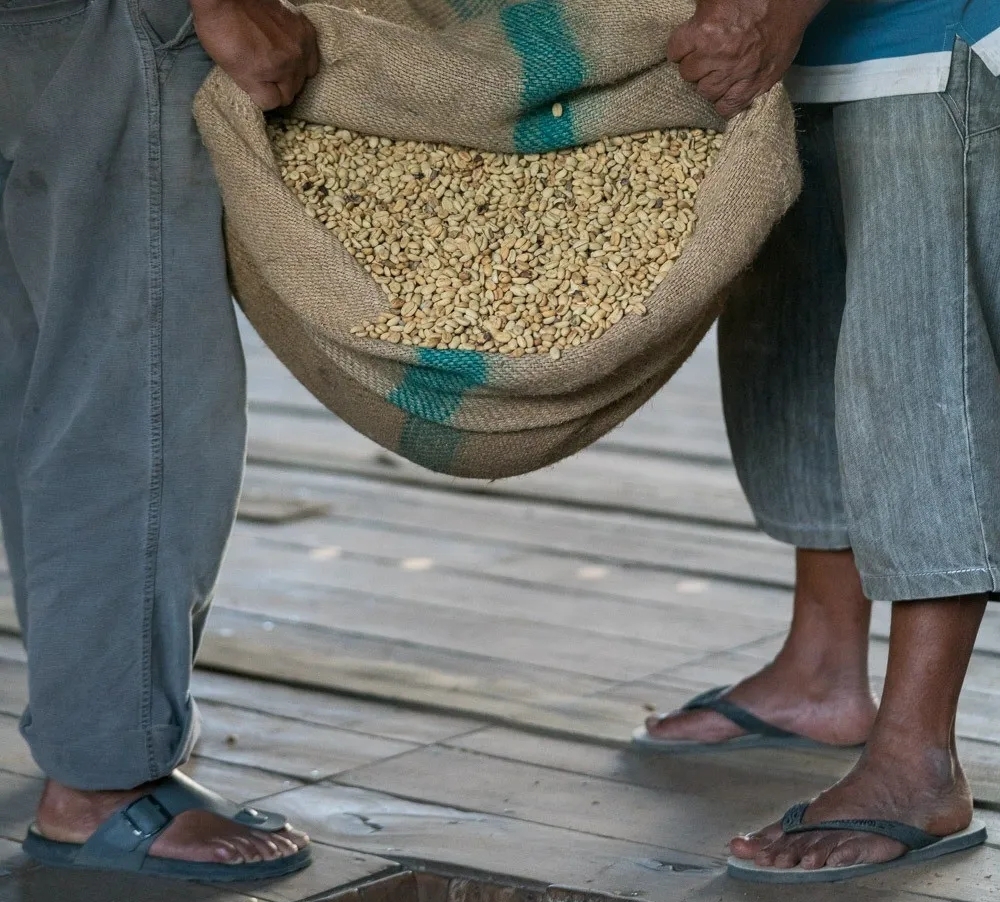
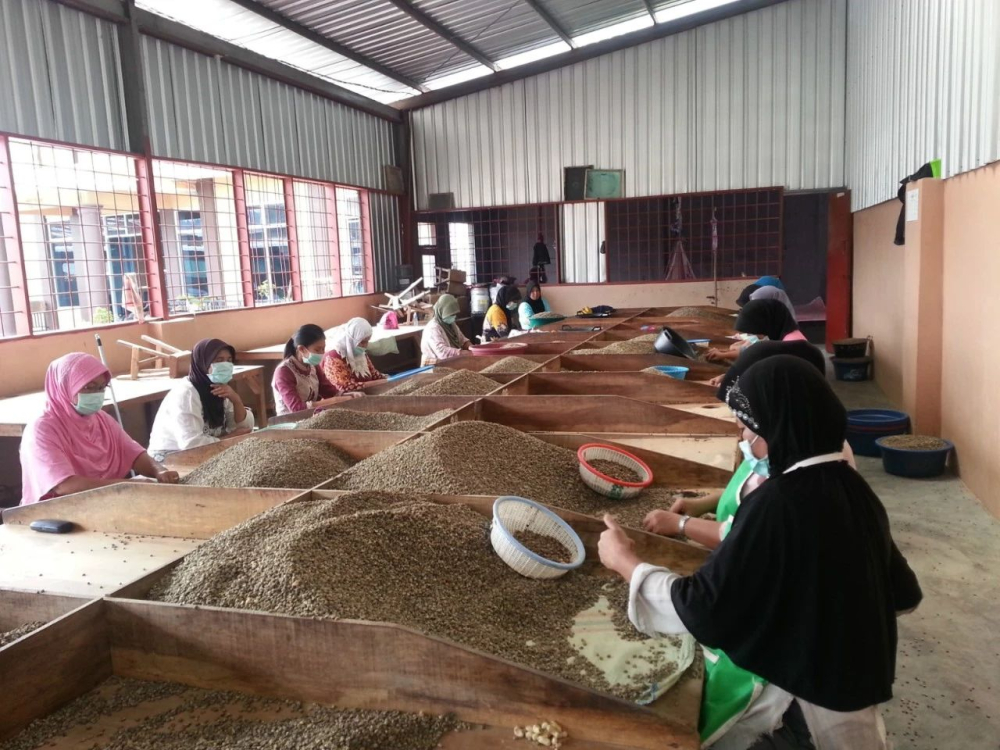
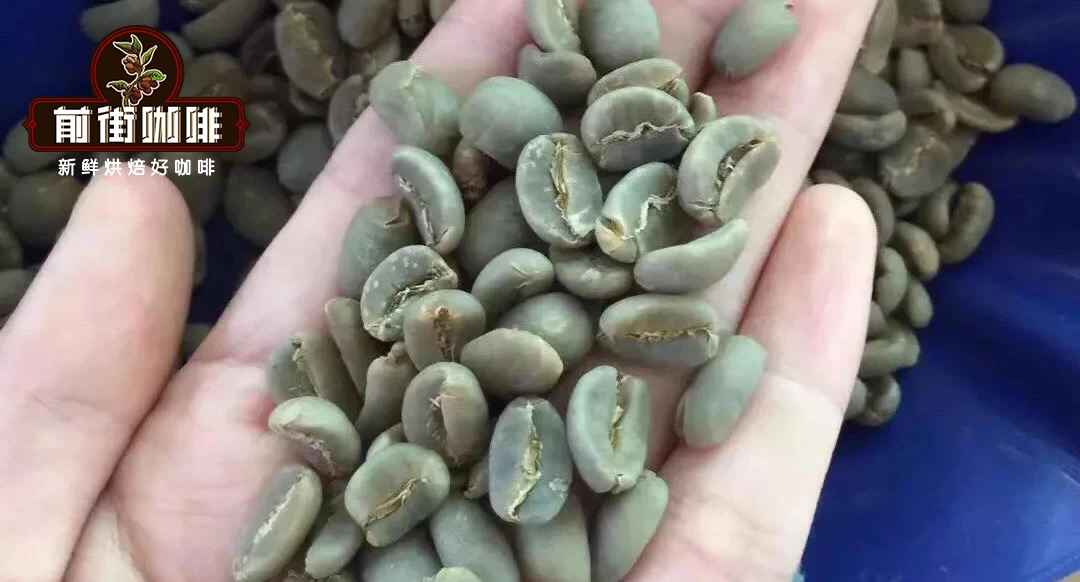
Wet-hulling is the hallmark processing technique of Indonesian coffee. The steps include: first, harvesting fully ripe red cherries during the coffee cherry season (typically March to May and September to December each year); then removing the skin and pulp to form mucilage-covered parchment coffee beans, followed by 12 to 36 hours of fermentation; after that, the beans are sun-dried to around 35–40% moisture content, then undergo hulling, and continue drying to the target moisture level of about 15%; finally, they go through both mechanical and manual sorting to remove defective beans, ensuring consistent quality. This method not only improves drying efficiency but also imparts unique herbal and earthy aromas to the coffee.
This year, the brand’s Golden Mandheling switches to the locally common Ateng variety, known in Indonesia as the local term for Catimor. This variety is a hybrid of Robusta’s Timor and Bourbon’s mutation, Caturra, crossed with Catuai or other varieties. It is high-yielding, disease-resistant, and adaptable—ideal for large-scale planting. However, compared to pure Arabica, its flavor profile is simpler, and its lifespan is relatively short, typically around ten years. Nevertheless, with proper processing and roasting, it can still exhibit rich caramel and spice notes.
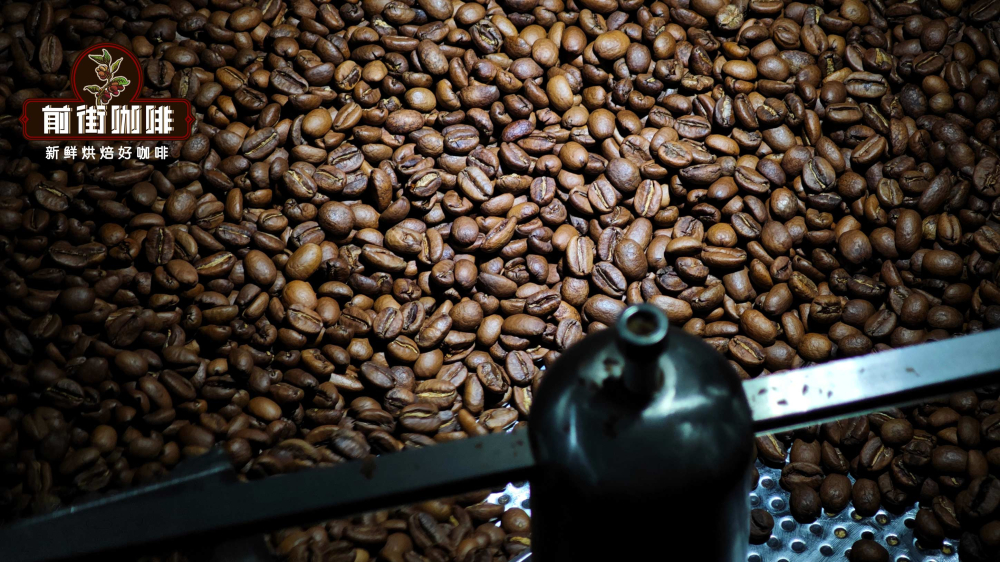
In terms of roasting, the brand recommends starting the Golden Mandheling at a drum temperature of 200°C, with the initial air vent setting at 3. After one minute, adjust the heat to 160°C, keeping the air vent unchanged. Around 5 minutes and 40 seconds, when the temperature drops to 148°C and the bean surface turns yellow, the grassy aroma fades, allowing gradual adjustment of heat and air vent to promote even dehydration. By 9 minutes and 40 seconds, when the bean surface shows wrinkles and black spots and emits a baked bread aroma, it enters the pre-first crack stage—closely monitor the onset of first crack. It’s advised to reduce the heat to 60 at the start of first crack (around 9 minutes 54 seconds), with the air vent fully open, and finally drop the beans at 204.5°C to preserve optimal sweetness and clarity of flavor.
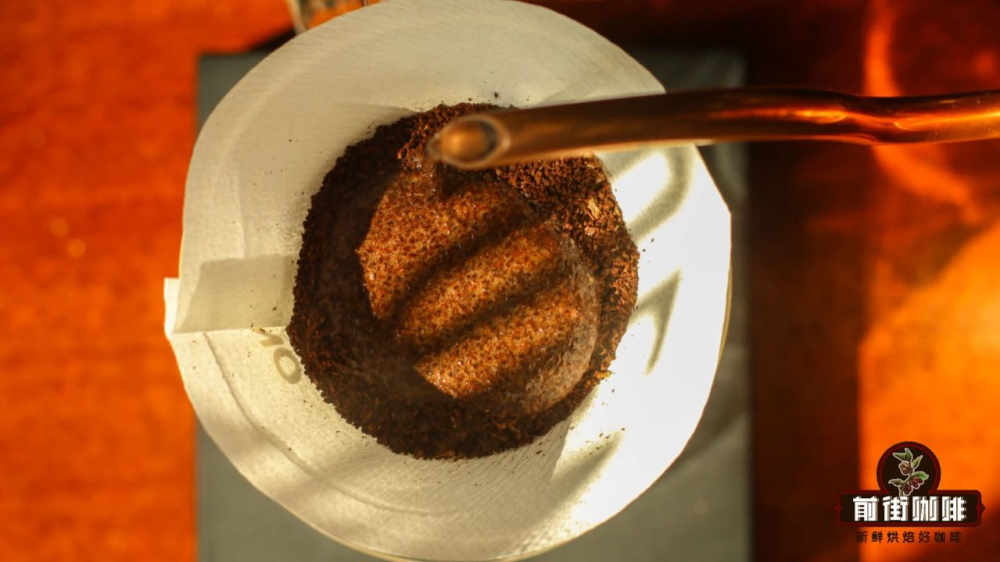
For brewing, it is recommended to use a KONO filter to simulate the full-bodied feel of a cloth drip. Choose a medium-dark roast, set the grind size to medium-coarse, and use a 1:15 coffee-to-water ratio (e.g., 15 grams of coffee to 225 ml of water), with water temperature controlled at 88°C. During brewing, start with a 30-second bloom using 30 grams of water to allow the coffee grounds to fully expand; then pour 120 grams of water in a steady circular motion from the center outward to avoid agitation; finally, pour another 100 grams until all the coffee has dripped through the filter. The total brew time is around 2 minutes, helping to highlight a rich, clean, and aromatic flavor profile.
The above content is compiled by CoffeeHunters, a coffee news website.


