







Introduction:Delve into the unique flavor characteristics of Indonesian Sumatra Mandheling coffee, from classic varieties such as Ateng to the semi-washed wet-hulled processing method, and explore the origins of its rich herbal profile. This article provides expert pour over recommendations, including water temperature, grind size, and pulse pouring techniques, to help you fully express Mandheling’s chocolate and caramel layers, while addressing common extraction challenges.
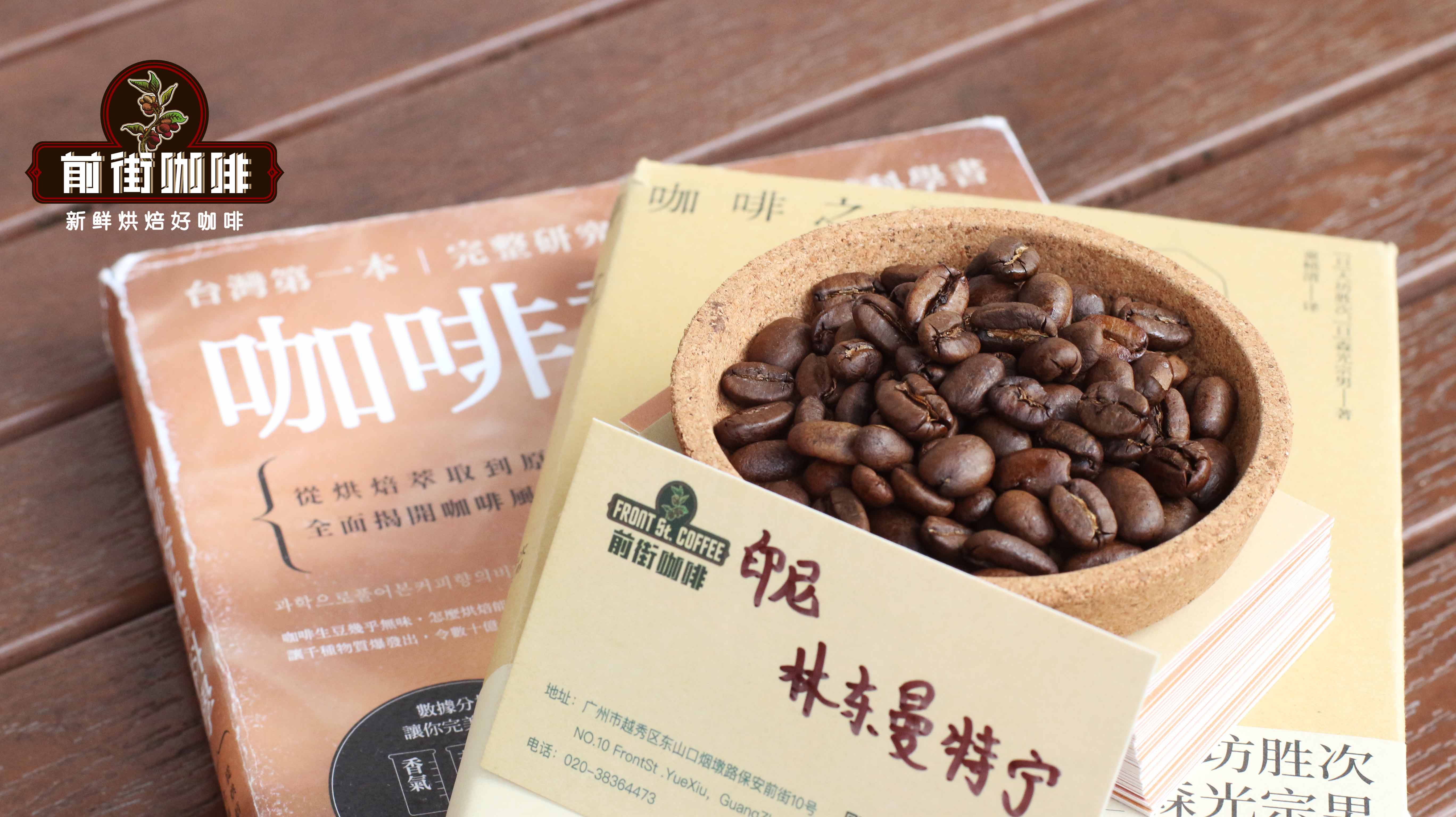
Indonesian Sumatra Mandheling coffee has been increasingly favored by Chinese coffee enthusiasts in recent years. Once dominated by male consumers, the proportion of female drinkers has risen markedly. This dark-roasted bean from Asia carries distinctive herbal and piney aromas. Those new to it who are accustomed to the bright fruity acidity of Ethiopian beans may need an adjustment period, but in fact, Mandheling’s bitterness and herbal notes, when properly extracted, transform into a rich sweetness.
Mandheling beans are relatively large and hard, making them prone to defects during harvesting, thus requiring strict manual sorting. Though their appearance is rough, the Sumatran coffee community often says “the uglier, the richer,” especially in the case of Golden Mandheling, a classic everyday bean whose bold flavor is particularly suited to drinkers who prefer full-bodied profiles.
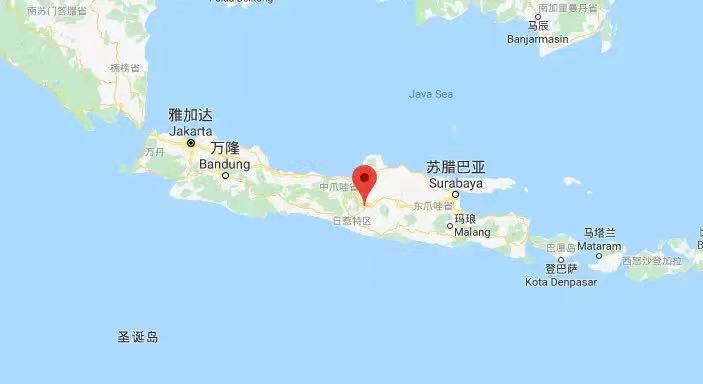
As the main producing region of Mandheling, the island of Sumatra boasts fertile volcanic soil rich in minerals, which promotes nutrient accumulation in coffee cherries. The mid-altitude growing environment at 600–1200 meters above sea level, combined with a tropical rainforest climate, shortens the fruit ripening period, resulting in less pronounced acidity but enhanced herbal and spicy notes. These geographical features create Mandheling’s unique personality, setting it apart from other Asian producing regions.
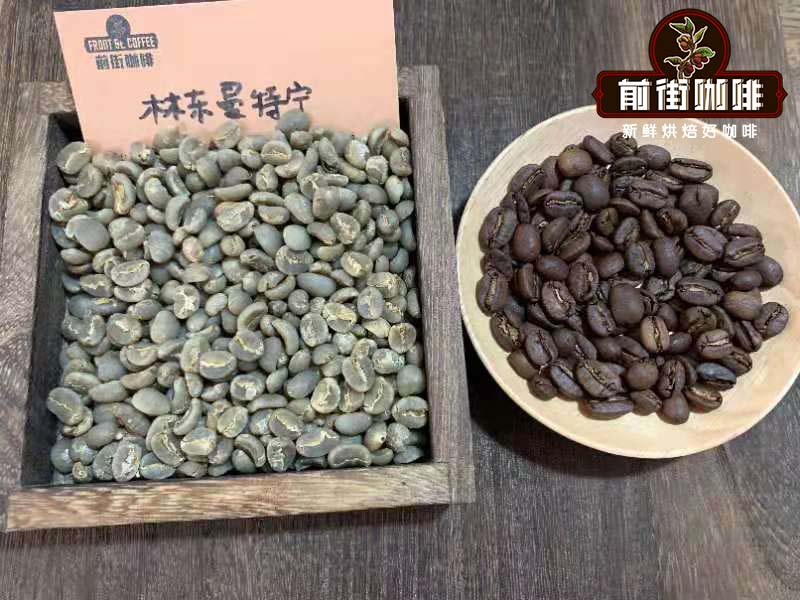
Common Mandheling varieties such as Tim Tim (internationally known as Timor) and Ateng are local names for the natural Arabica-Robusta hybrid Catimor. Golden Mandheling is produced in the Gayo highlands of North Sumatra, where the Ateng variety demonstrates adaptability advantages. Note that these names are mostly local Indonesian colloquialisms and align with international classification systems, rather than being special new varieties.
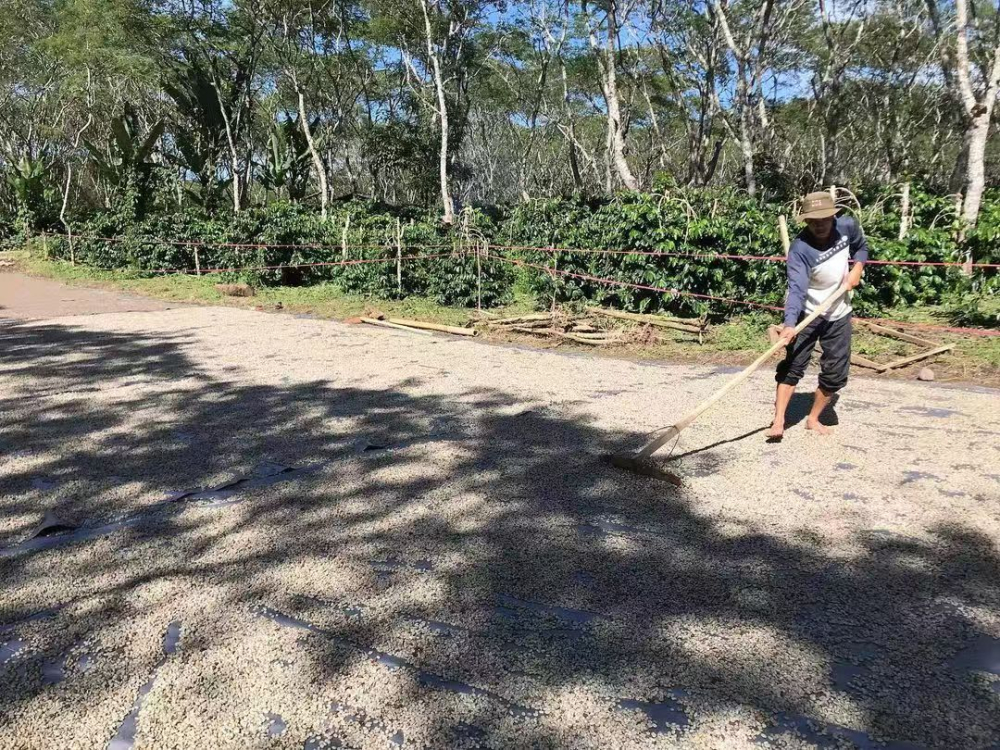
Mandheling’s signature low-acidity and full-bodied flavor stem from its unique semi-washed processing method (wet-hulling). Due to Sumatra’s rainy climate, which is unsuitable for sun drying, and the high cost of washed processing equipment, locals developed a compromise technique: removing the pulp first, then fermenting with the mucilage still attached, followed by washing to remove residues. This special process creates the key to Mandheling’s rich body and unique musty aroma, representing a rare processing model globally.
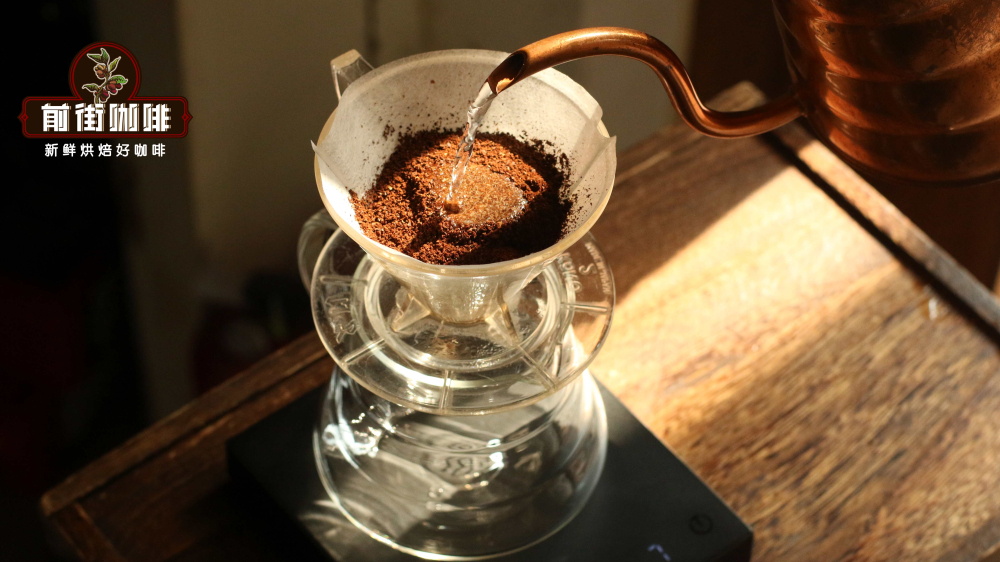
Recommended parameters for professional pour over brewing of Mandheling: use a Kono filter cone (88°C water temperature),a 1:15 coffee-to-water ratio(15 grams of coffee to 225 ml of water), with a grind size equivalent to70% extraction through a #20 sieve(similar to the coarseness of medium-dark roasted blends). Use a three-stage pour:first stage: 30 ml bloom for 30 seconds→second stage: circle pour up to 125 ml→final stage: pour up to 225 ml, with total extraction time controlled within 2 minutes. These parameters balance the ease of extraction typical of dark roasts with overall flavor integrity.
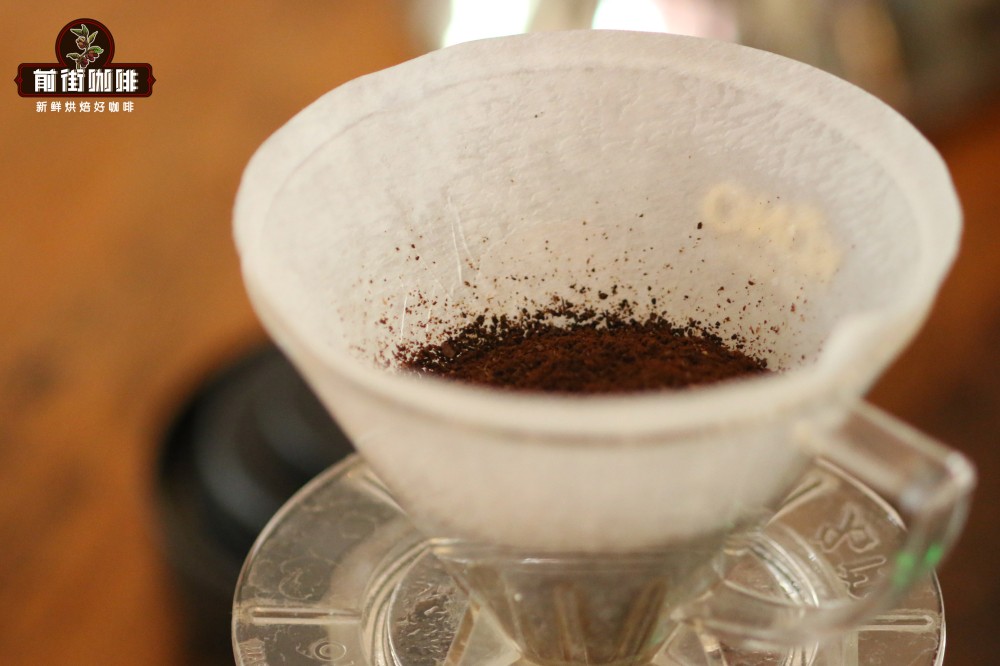
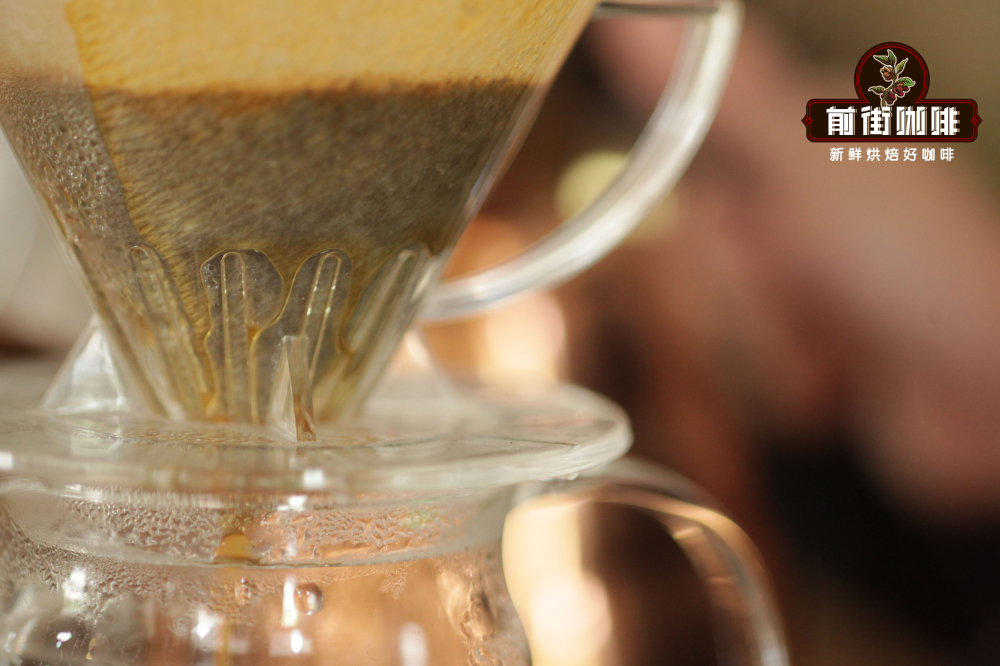
For filter cone selection, the Kono’s rib design extends from the bottom to the middle section, and its smooth upper wall effectively suppresses channeling, forcing water to uniformly penetrate the coffee grounds — especially suitable for medium-dark roasts to enhance body. Suggested coffee dosage is 15–20 grams (for 1–2 servings), as too little makes it difficult to maintain stable extraction, while too much may affect water distribution.
Adjust the grind size slightly coarser than that for light roasts; the structure of dark-roasted Mandheling beans is already relatively loose, and overly fine grinding can lead to over-extraction and burnt bitterness, whereas overly coarse grinding results in thin, watery flavors. Practical testing shows that70% extraction through a #20 sieveachieves a balance between extraction efficiency and smooth mouthfeel. Water temperature must be strictly controlled at88°C; too high and it tends to taste sharp and astringent, too low and the herbal notes dominate while sweetness is lacking.
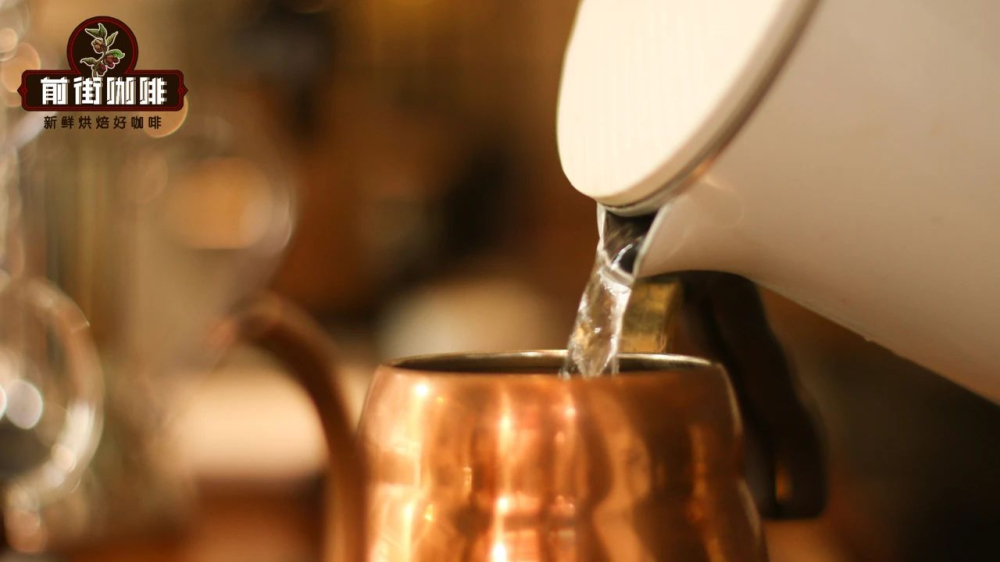
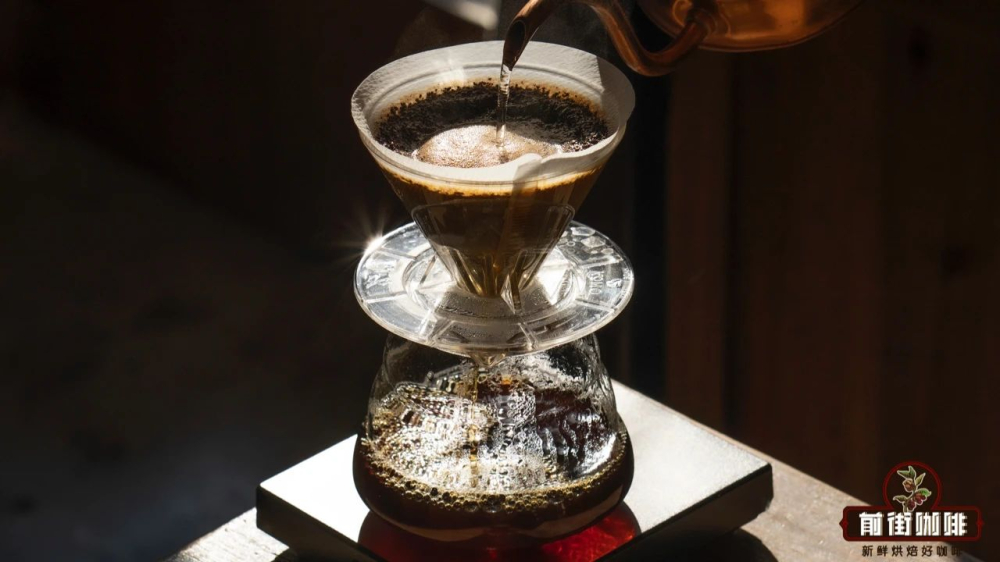
The pulsed pouring technique is crucial: the initial bloom fully releases CO₂, laying the foundation for subsequent extraction; the middle stage uses a slow stream to control flow rate and avoid over-extraction; the final stage tops up the water volume to ensure balanced flavor. The entire process takes about 2 minutes — too long amplifies off-flavors, too short leaves insufficient complexity. It is recommended to swirl the brewed coffee before drinking to even out flavor distribution.
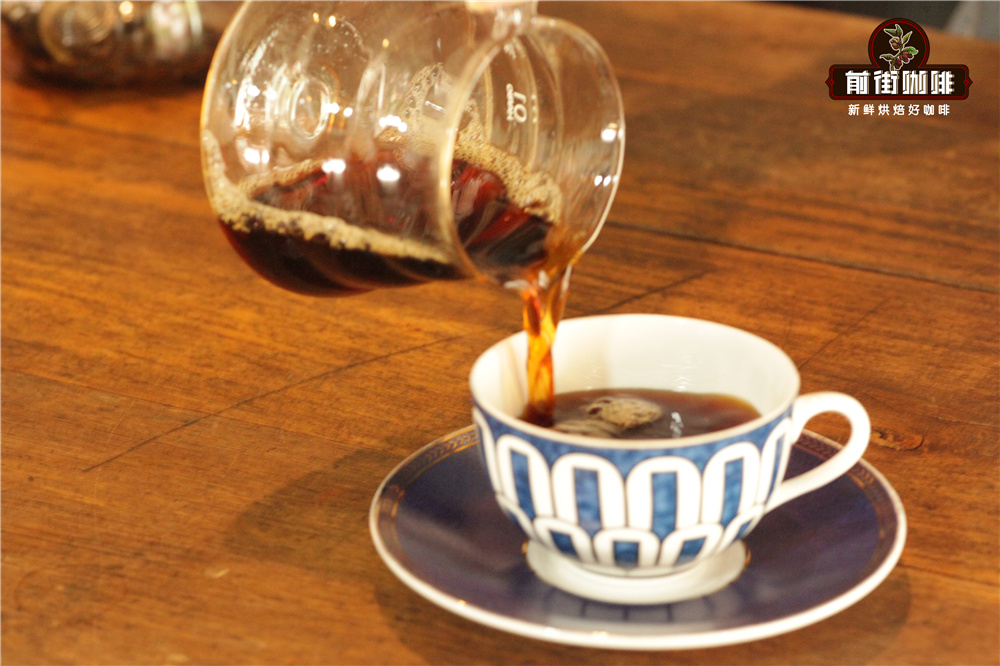
The typical flavor profile of Golden Mandheling includes:a rich herbal base,black chocolate as the dominant note,caramel sweetness, and a pronouncedaftertaste. Compared to the citrus notes of Ethiopian beans, Sumatran Mandheling presents a heavier flavor spectrum, suitable for pairing with milk or for sipping to appreciate its evolving layers. Beginners are advised to start with medium-dark roasts to build a foundational taste preference.
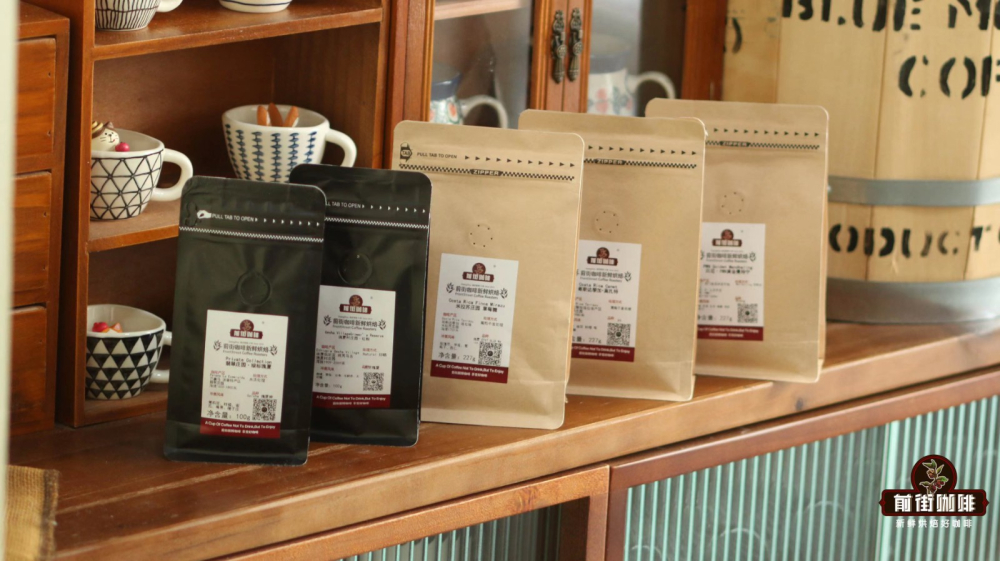
Storage tips: freshly roasted beans (shipped within 5 days of roasting) require a resting period of about 4–7 days to reach peak flavor. If purchasing pre-ground coffee, although it eliminates the need for resting, it should be used promptly (ideally within 3 days) due to faster oxidation. For long-term enjoyment, whole beans are recommended for home grinding; grinding just before brewing maximizes flavor expression, which is especially critical for the nuanced Mandheling.
The above content is compiled by CoffeeHunters, a coffee news website.


