







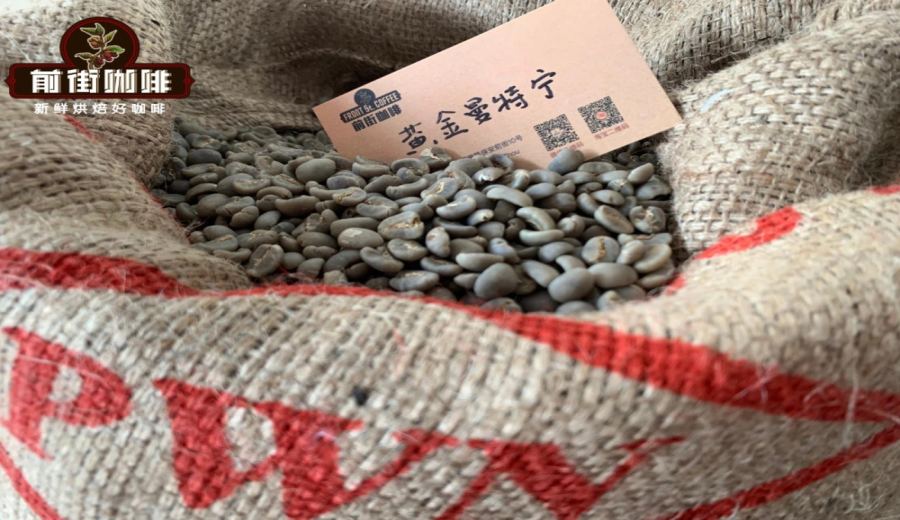
Introduction:Want to brew a cup of Indonesian PWN Golden Mandheling coffee with a rounded flavor and pronounced sweetness at home? Dark roasted beans are often considered bitter and astringent, but in fact, by mastering the right pour over parameters—including suitable grind size, water temperature control, and pulse pouring techniques—you can highlight its nutty aroma and caramel sweetness. This article will guide you step-by-step from understanding the beans, selecting equipment, to hands-on brewing, helping you achieve a professional-level rich pour over flavor.
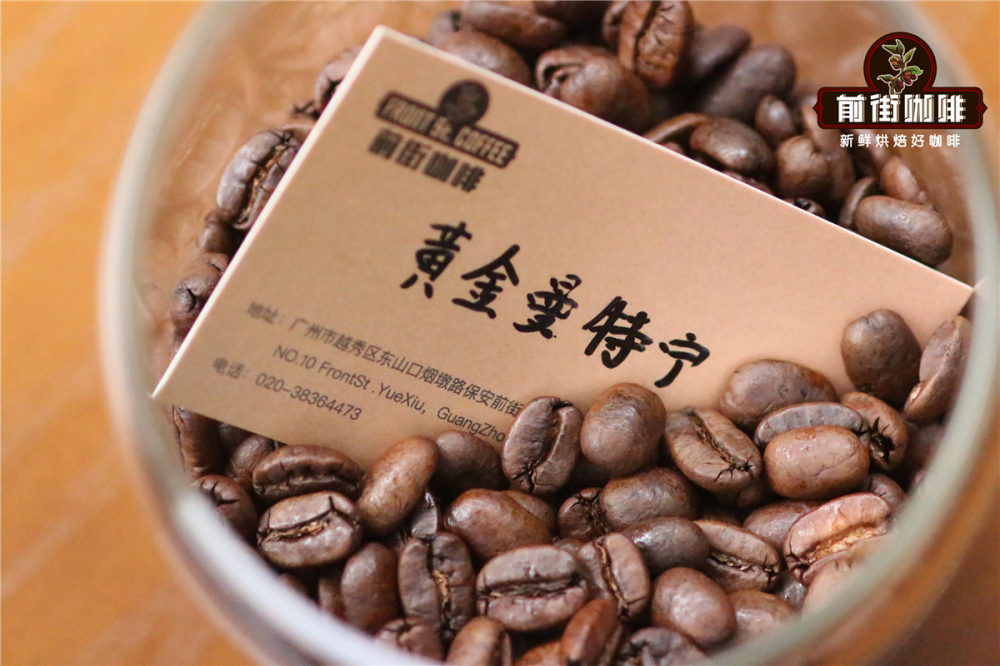
Choosing the Right Coffee Beans is Key: It is recommended to use freshly roasted Indonesian PWN Golden Mandheling. This bean is processed using the wet-hulled method and features unique spicy, herbal, and woody notes, representing the signature flavors of the Gayo highlands in Sumatra. Note that the optimal enjoyment period for freshly roasted beans is within about one month; beyond that, the aroma may dissipate, affecting extraction performance.
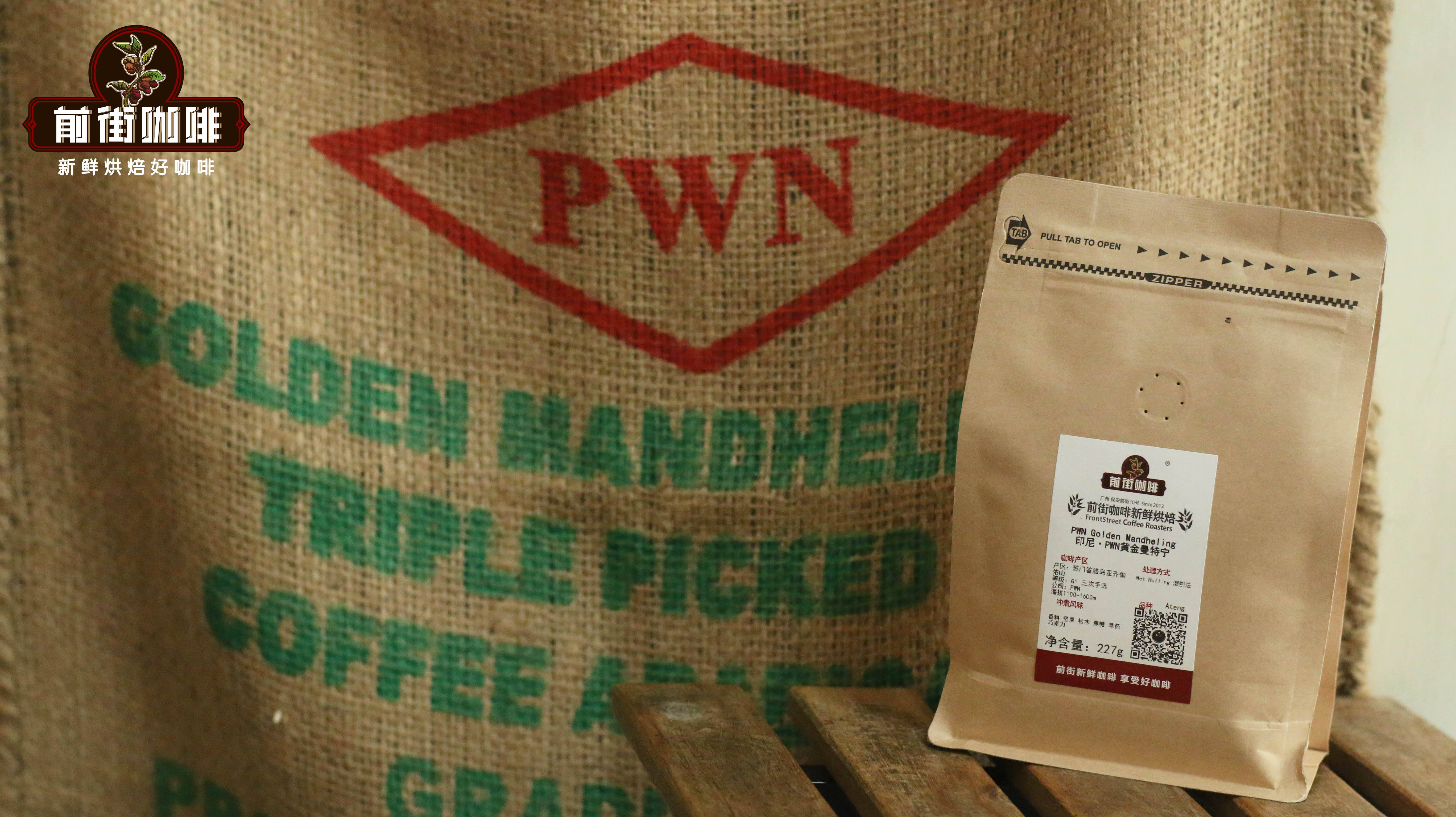
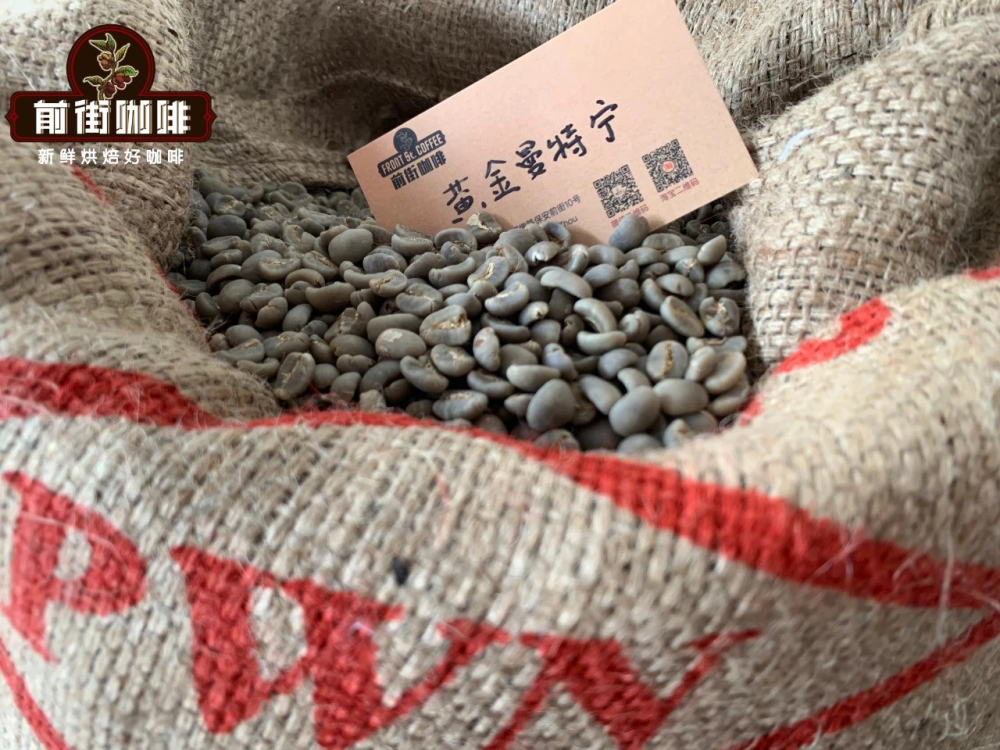
Understanding the Characteristics of Wet-Hulling: This method removes the parchment layer while the green beans are not yet fully dried. Although it increases the defect rate, it also imparts a more intense regional character, such as herbaceous muted aromas and a full-bodied mouthfeel. The PWN company further selects only G1 grade beans, using multiple rounds of manual screening to ensure uniform size and minimal defects, laying a solid foundation for the flavor.
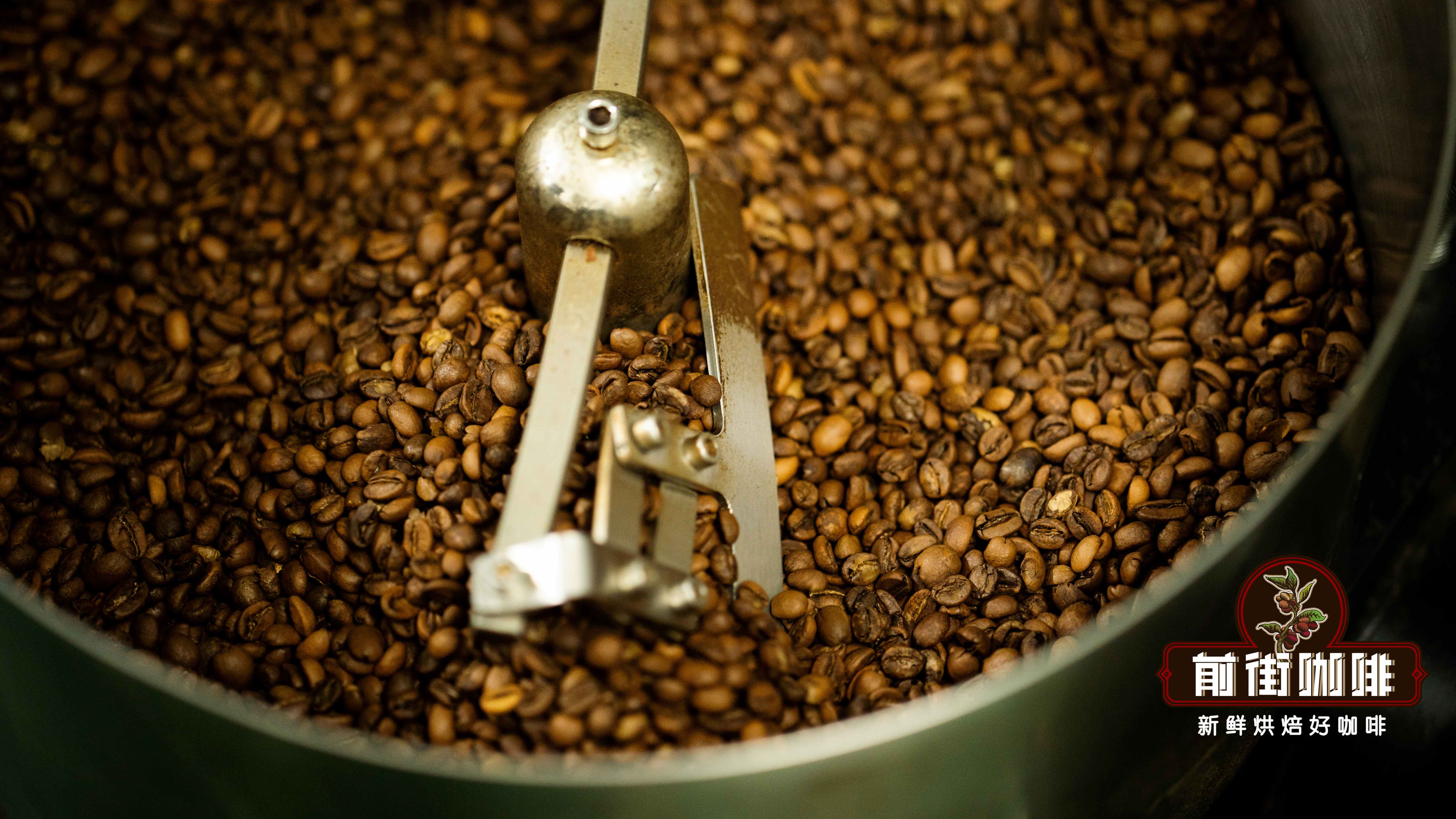
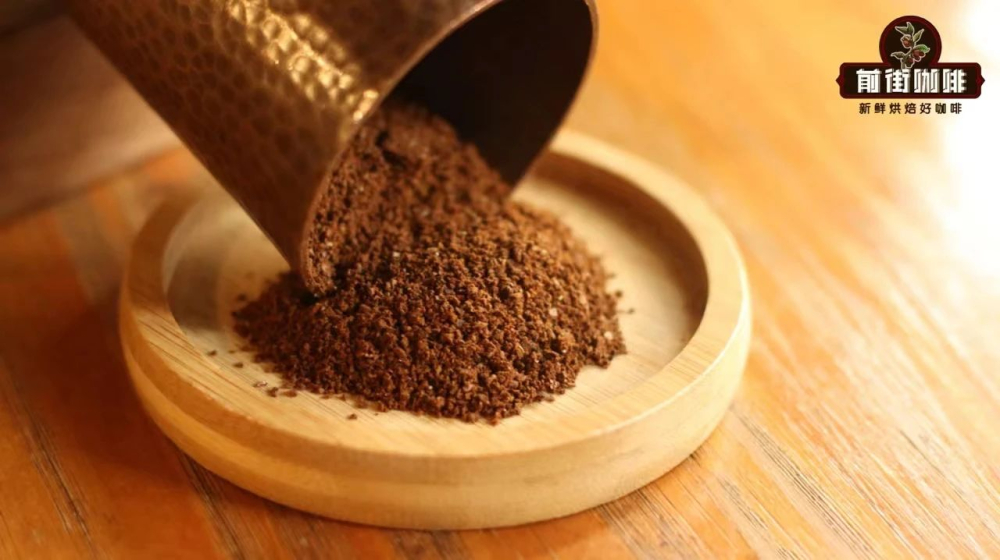
Coffee-to-Water Ratio and Grind Size Settings: It is recommended to use 15 grams of coffee grounds with 225 milliliters of water, a golden ratio of 1:15 suitable for most palates. If you prefer a stronger brew, reduce to 1:13; for a lighter taste, go up to 1:17. Since this is a dark roast bean,the grind size should be slightly coarser than light roasts, approximately 70% through a Chinese No. 20 sieve, or similar to setting 11 on an EK43s grinder, to avoid over-extraction that would release too much bitterness.
Water Temperature Influences Flavor Direction: Due to the thorough caramelization reaction, dark roast coffee can easily release burnt, bitter substances,it is recommended to control the water temperature between 87~88°C, which is lower than the 91~93°C used for light roasts, helping reduce off-flavors and bring out sweetness and a full body.
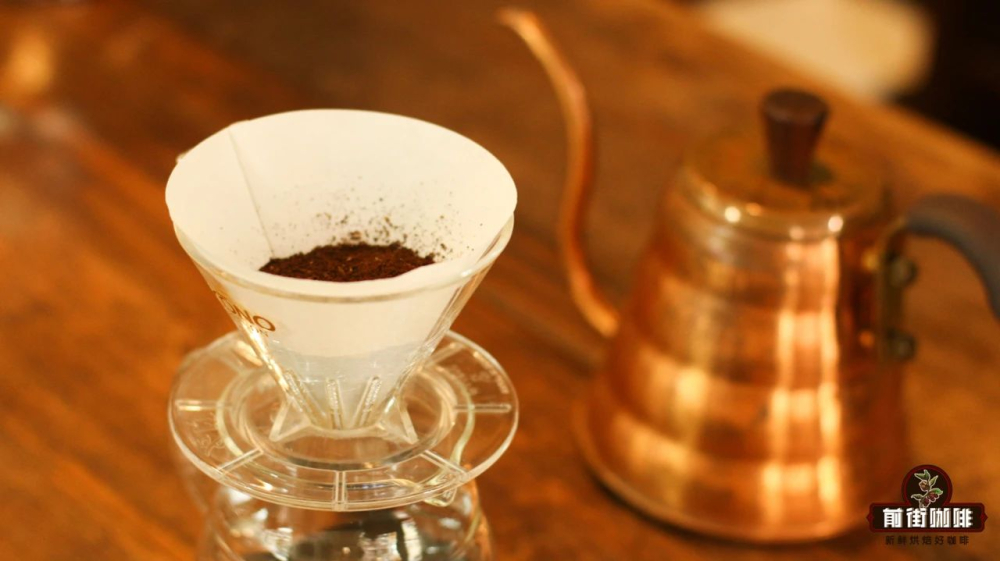
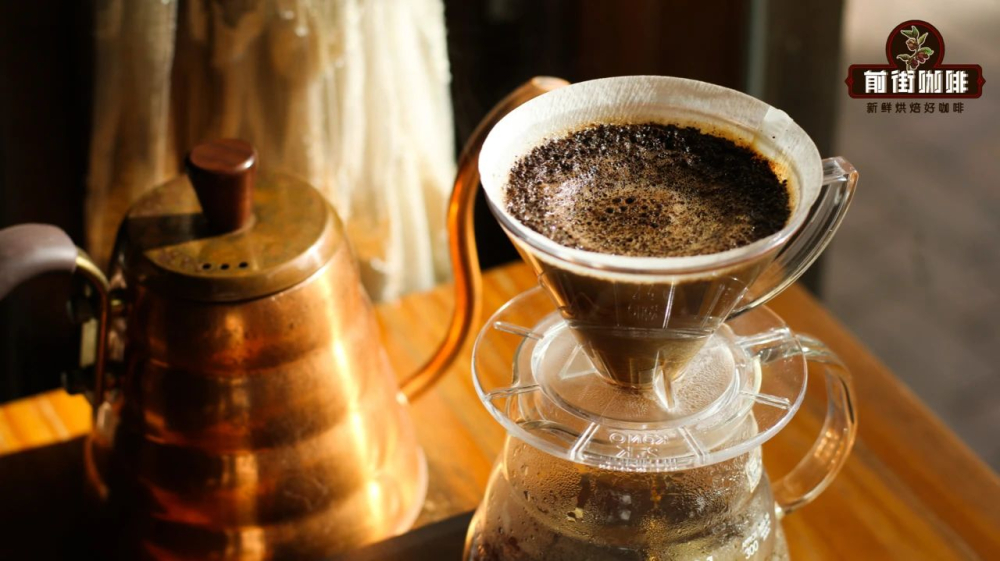
Filter Choice and Immersion Effect: It is recommended to use a KONO filter cone. Its smooth curved surface and minimal drainage ribs design extend the contact time between water and coffee grounds, creating an extraction effect similar to immersion, resulting in a rounder and fuller coffee mouthfeel—especially suitable for deep-roasted beans with rich flavors like those from Indonesia.
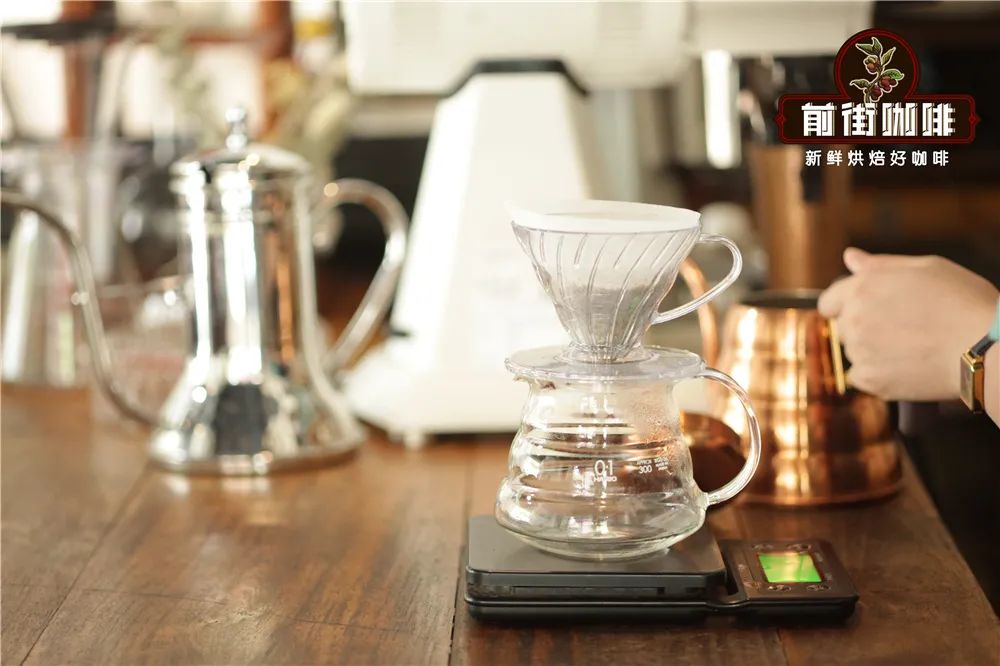
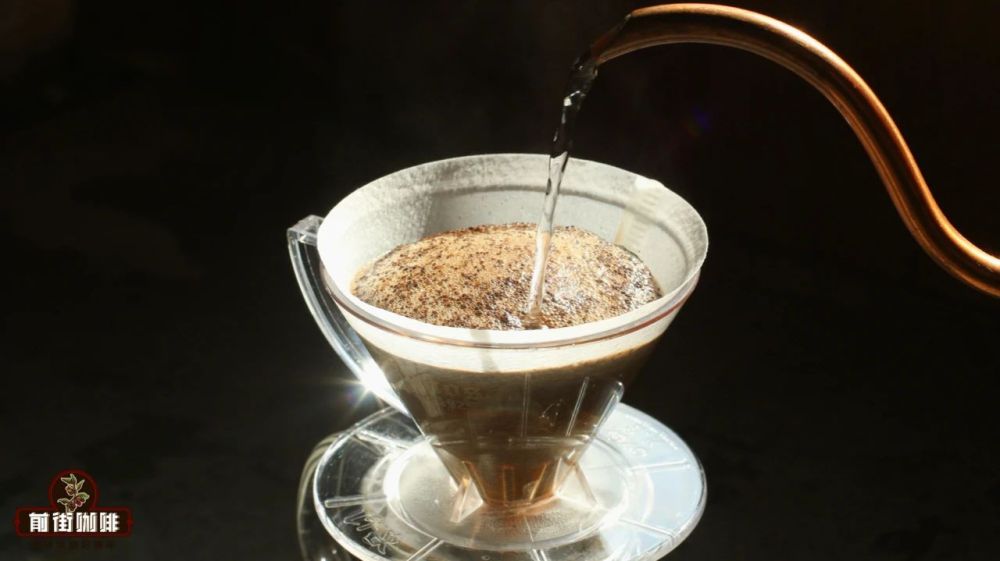
Three-Stage Pouring Enhances Sweetness: For actual pour over, it is recommended to proceed in three stages. First, wet the filter paper and add the coffee grounds,then use 30 grams of water for a 30-second bloomto help release gases and awaken the flavors; the second stage involves pouring with a small stream in circular motions centered on the grounds until the total water volume reaches 125 grams, then pause briefly; after the coffee bed settles, continue pouring until reaching 225 grams. The whole process takes about 2 minutes, and then simply wait for the dripping to finish before enjoying.
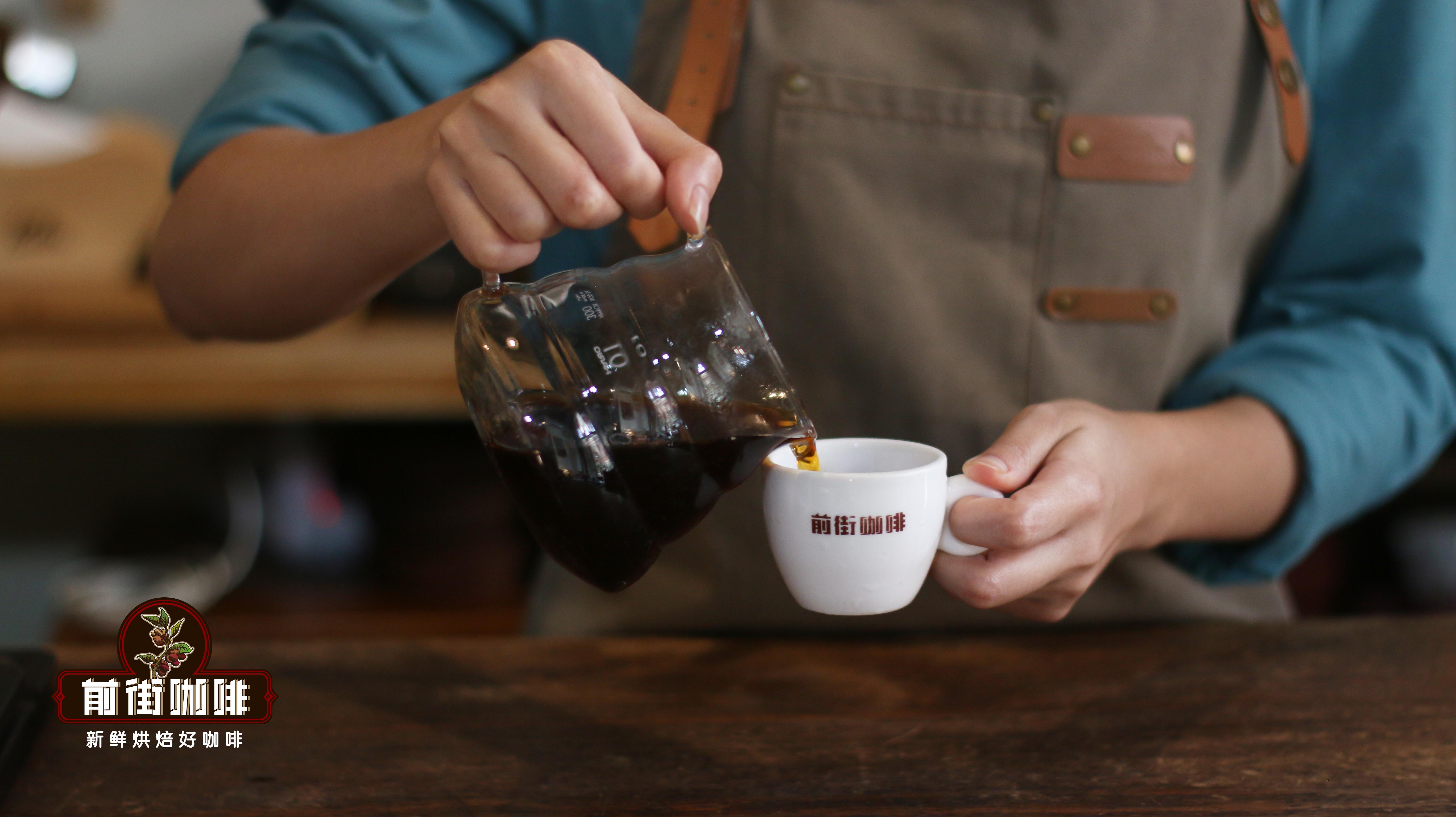
A Complete Flavor Experience: When carefully brewed, the Golden Mandheling offers distinct notes of spice, dark chocolate, and nuts, with a prominent sweet finish and long-lasting aftertaste. It's a classic example of how even a dark roast can showcase a high level of sweetness. Master these pour over details, and you can replicate café-quality flavor experiences at home.
The above content is compiled by CoffeeHunters, a coffee news website.


