







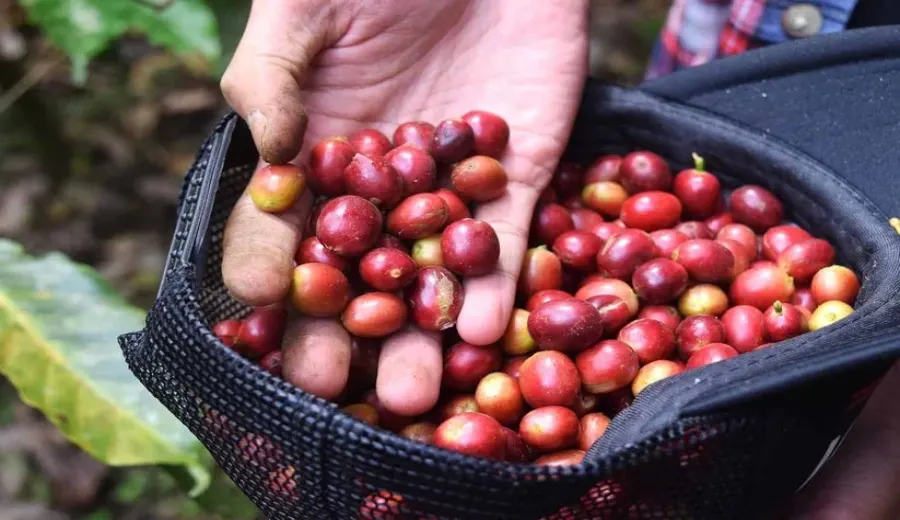
Introduction:Delve into the unique charm of Indonesian Sumatra Mandheling coffee, exploring its historical origins, processing techniques, and flavor characteristics to fully appreciate the allure of this classic Arabica bean. Learn why Mandheling has become a favorite among pour over coffee enthusiasts, how the wet hulling method shapes its bold and rich profile, and get practical brewing recommendations.
Among the many coffee varieties, Indonesian Mandheling stands out with its distinctive flavor and historical background, making it a classic cherished by coffee lovers worldwide. This Arabica coffee from Sumatra boasts a bold and rich taste, and its unique processing method—wet hulling—reveals an extraordinary aromatic complexity.
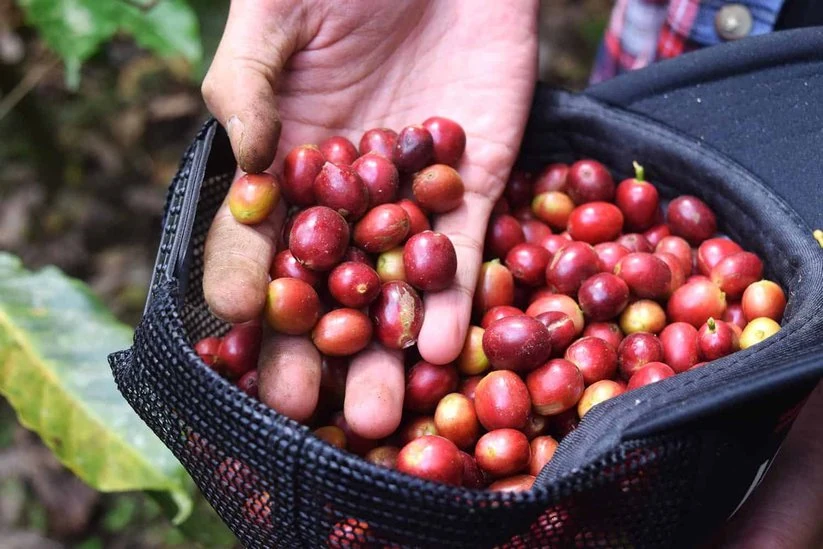
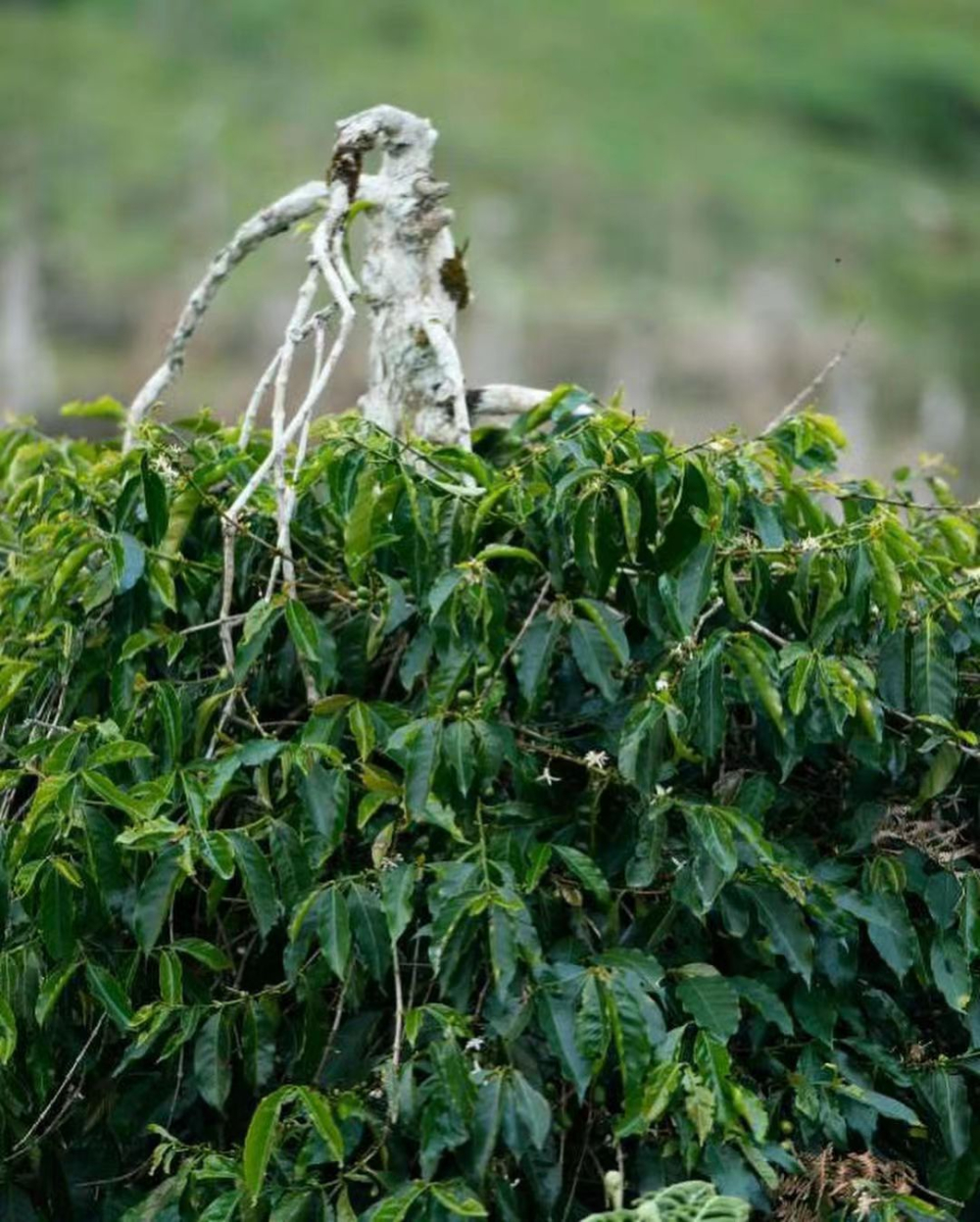
The Historical Origins of MandhelingCan be traced back to the 17th century, when the Dutch first introduced Arabica coffee seedlings to Ceylon (now Sri Lanka) and Indonesia. However, the devastating coffee leaf rust epidemic of 1877 forced local farmers to abandon the disease-prone Arabica in favor of the more resilient Robusta. Today, Sumatran Mandheling is one of the few surviving Arabica varieties, grown at elevations of 750 to 1,500 meters on mountain slopes, contributing to its rich chocolate and syrupy aromas.
The Interesting Misunderstanding Behind Its Name: The name "Mandheling" does not derive from its place of origin or variety but from a WWII-era misunderstanding. A Japanese soldier misheard the name of the Mandailing ethnic group in Sumatra. Intrigued by a delicious cup of coffee, he asked the shopkeeper about it but, due to a language barrier, was told it was from the "Mandailing people." After the war, he brought this coffee back to Japan, and the name "Mandheling" has endured ever since.
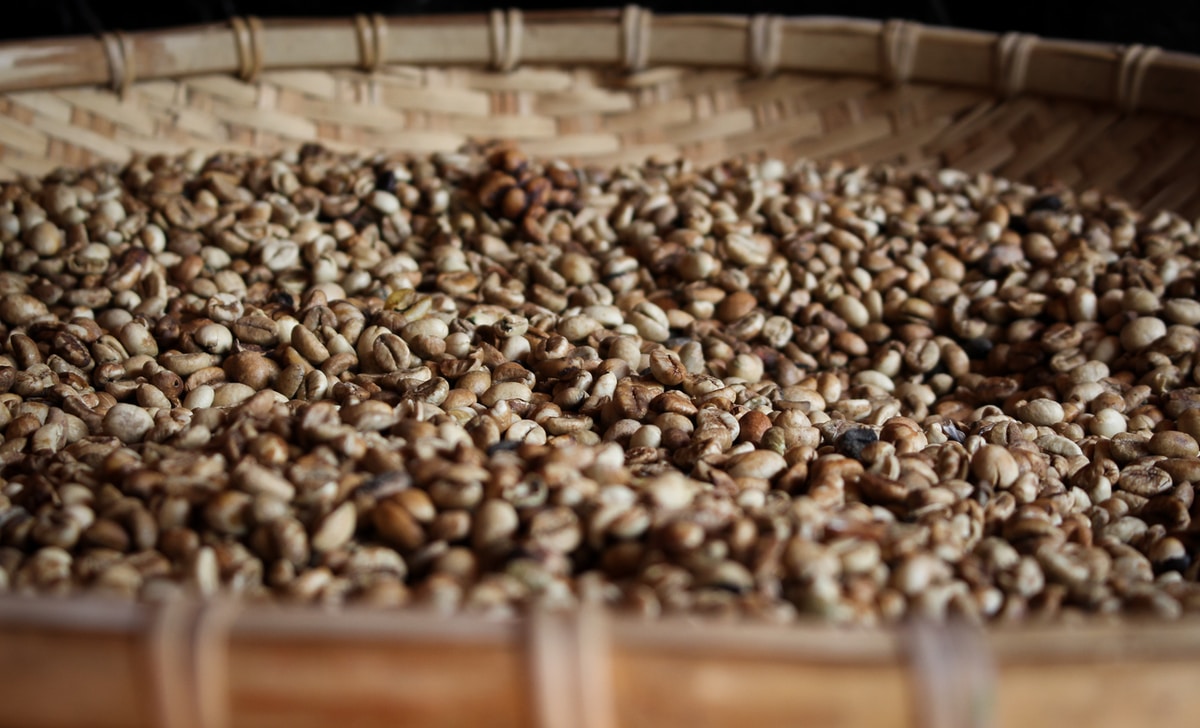
Wet Hulling: Sumatra’s Signature Processing Method: The unique flavor of Mandheling owes much to its distinctive processing technique. Farmers remove the coffee cherries' pulp, ferment them overnight in simple equipment, manually wash off the sticky mucilage, and then dry the beans in multiple stages. While this method can occasionally produce inconsistent batches, careful selection highlights its subtle yet rich taste profile.
Flavor Characteristics and Quality Grading: Sumatran Mandheling is renowned for its bold, full-bodied profile and low acidity, often featuring earthy, spicy, and chocolatey notes. DP Grade 1 Mandheling has a long finish with the rustic aroma of virgin forest soil, while Aged Mandheling undergoes three years of cellar aging, reducing acidity but enhancing body, resulting in complex flavors of spices and walnuts.
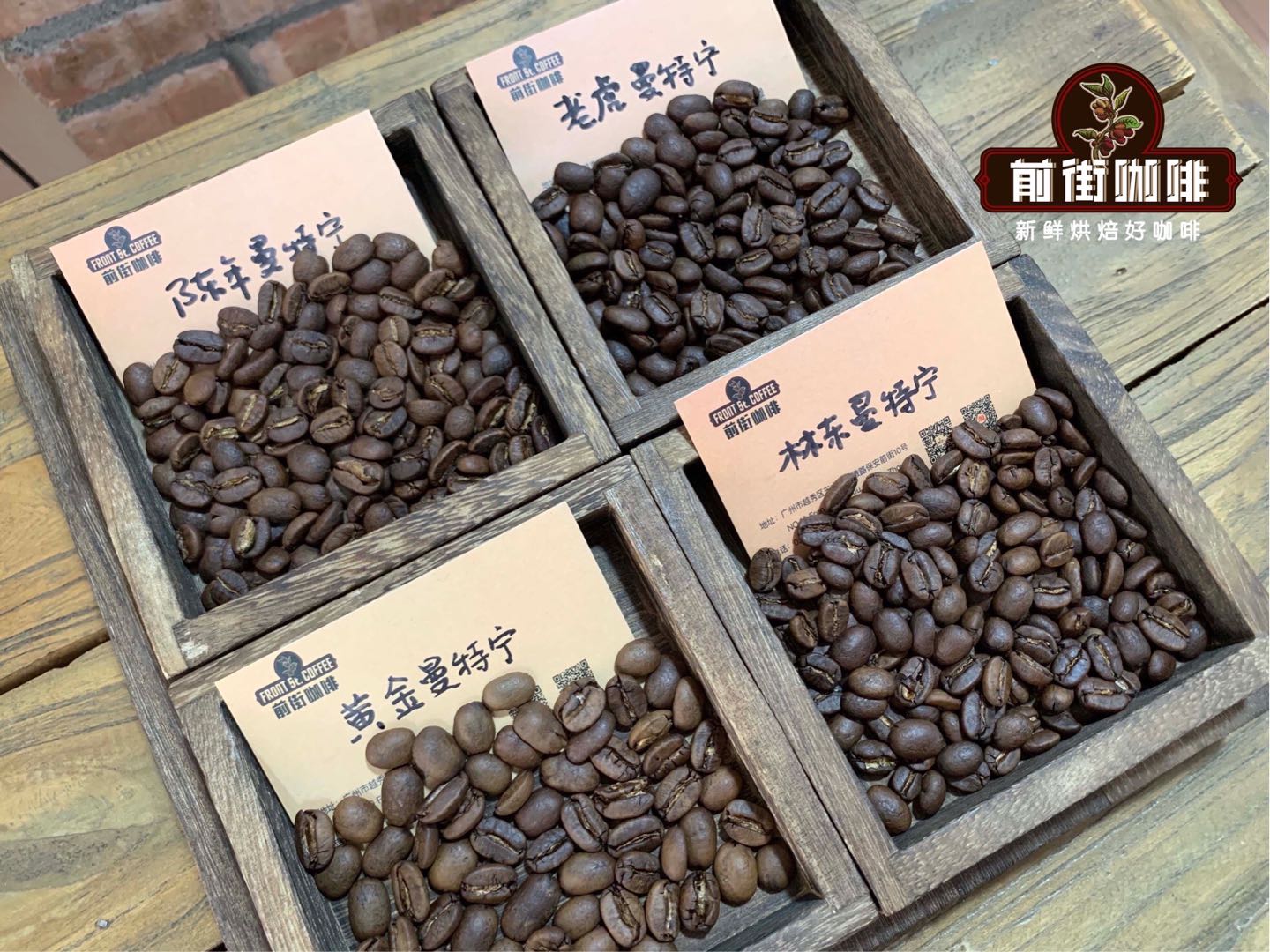
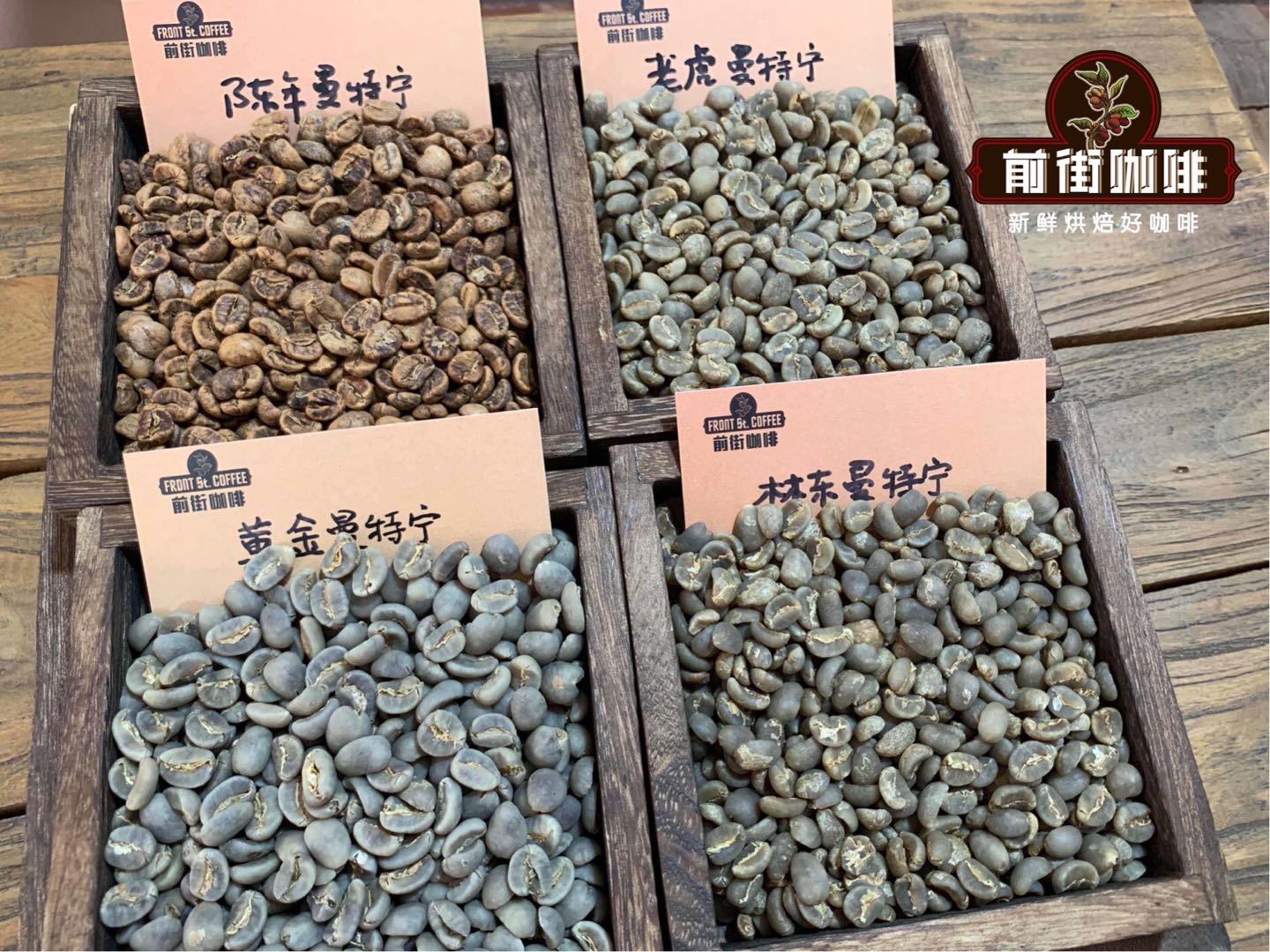
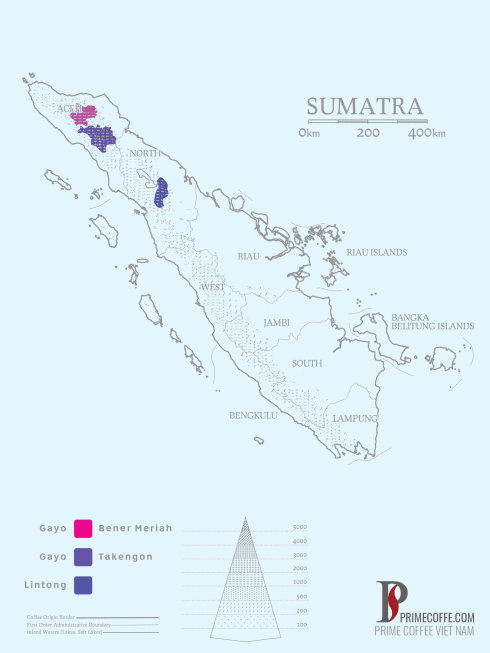
Four Classic Mandheling Varieties: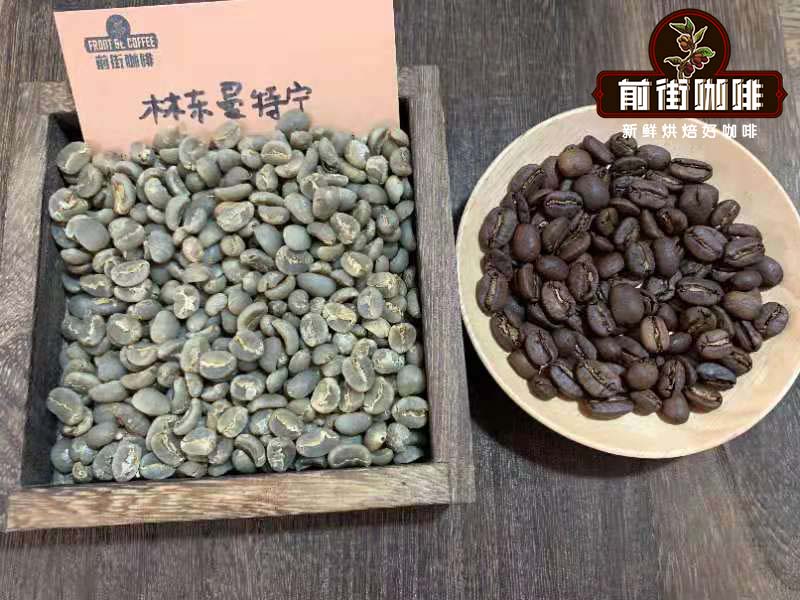 1. Lintong Mandheling: Grown around Lake Toba, with large, hard beans and a rich, sweet flavor;
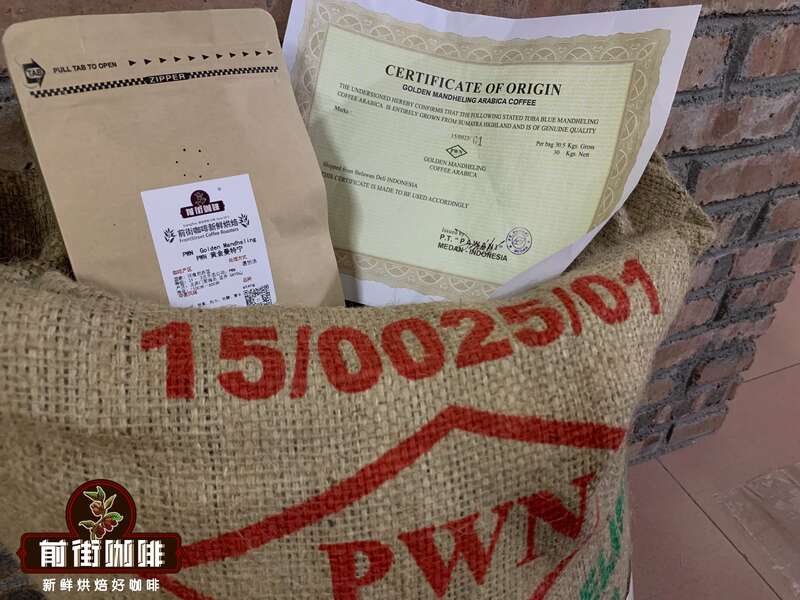
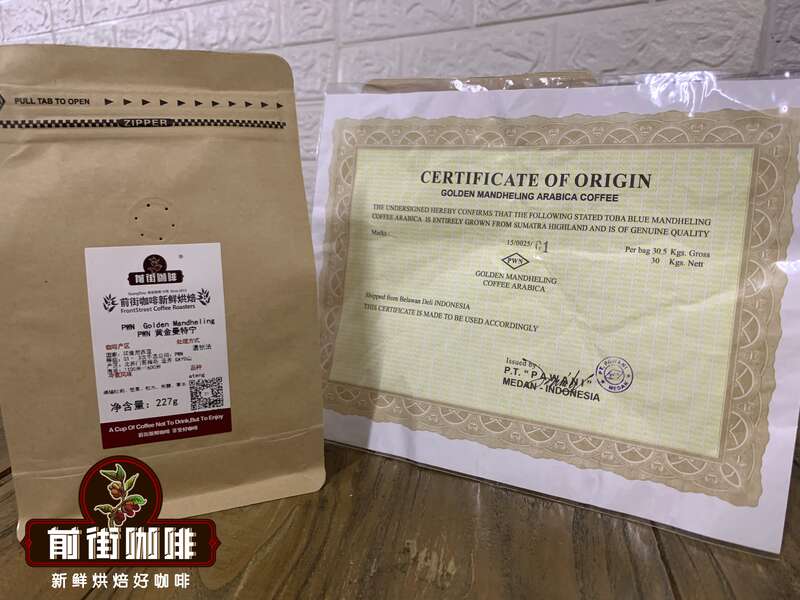
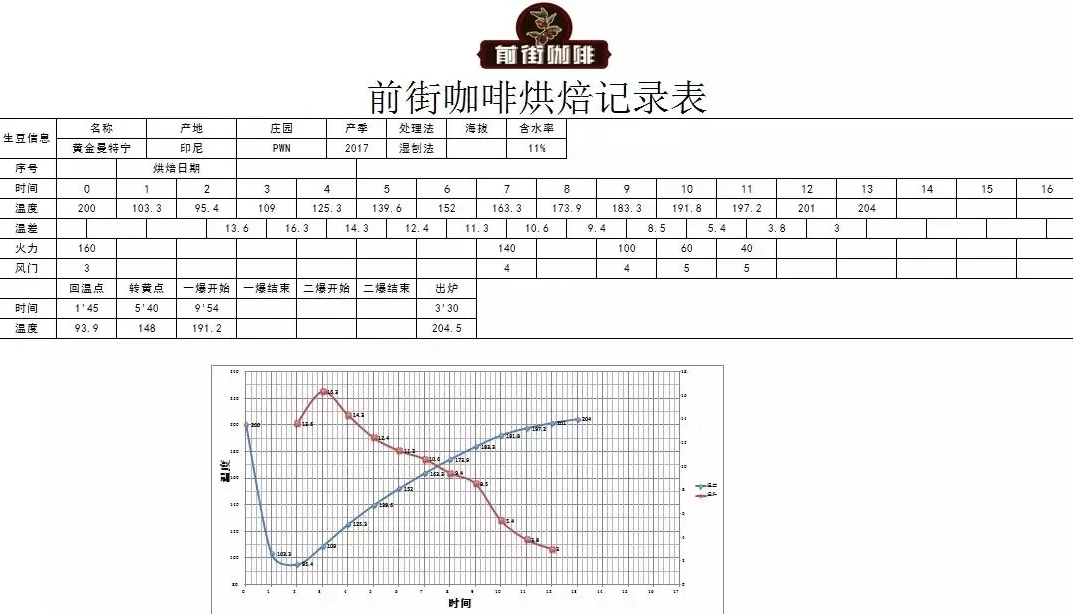
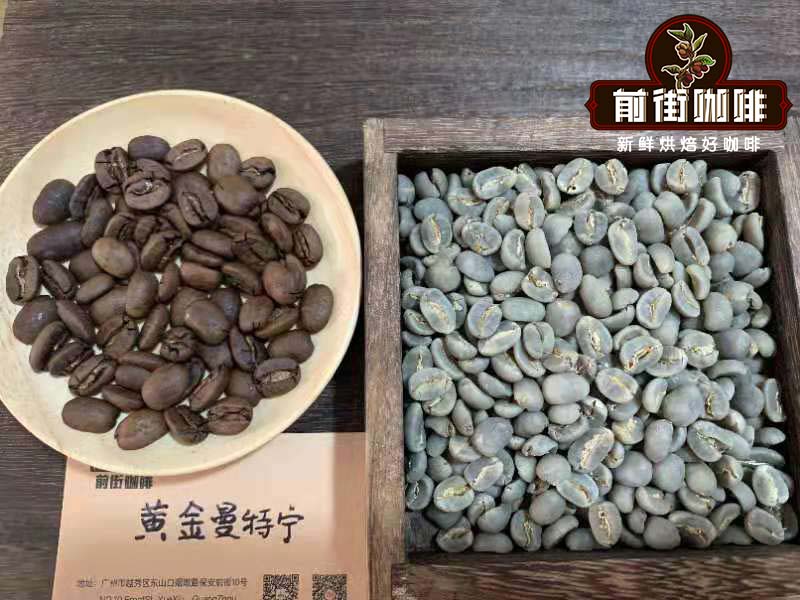 2. Golden Mandheling: Registered under PWN, sourced from the Gayo Highlands, handpicked four times, with high moisture content requiring special roasting attention;
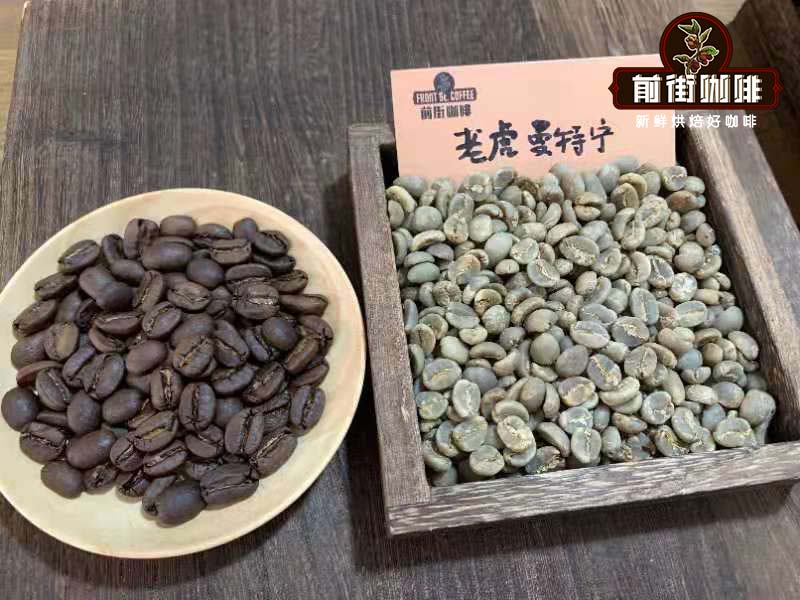 3. Tiger Mandheling: Defect rate below 4%, a balanced flavor profile from its mixed varieties;
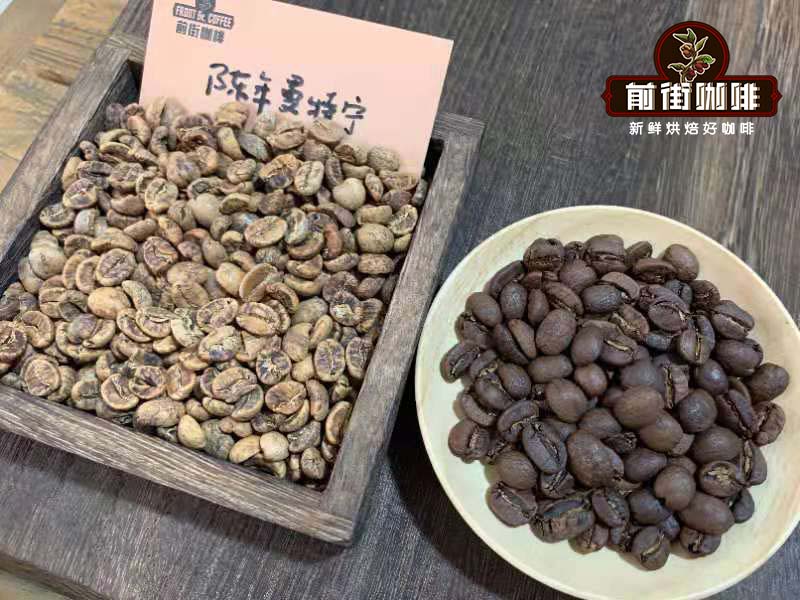 4. Aged Mandheling: Stored properly for 2–3 years, with softened acidity but intensified flavors.
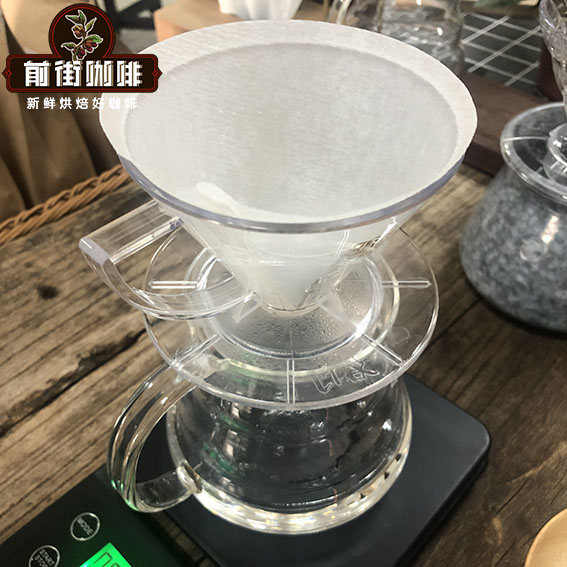
Pour Over Recommendations and Brewing Parameters: Recommended using a Kono filter, water temperature at 86°C, coffee-to-water ratio of 1:15, and medium-fine grind size. The step-brewing method effectively highlights Mandheling’s full-bodied character—blooming for 30 seconds followed by incremental pours, with a total extraction time of about 2 minutes, yielding intense nutty and caramel aromas with a lingering finish.
The above content is compiled by CoffeeHunters, a coffee news website.


