







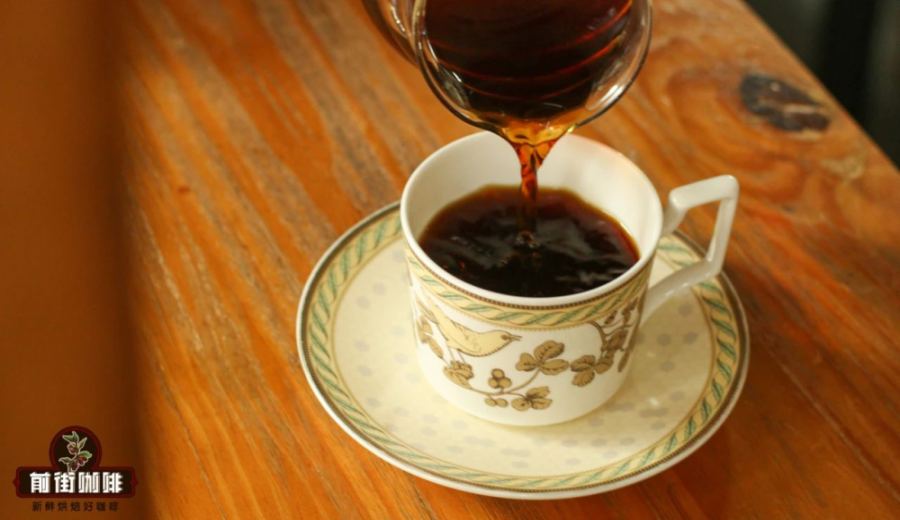
Introduction:Want to explore the unique charm of classic Sumatran Mandheling coffee? This article delves into the origins of Indonesian Mandheling, the characteristics of its growing regions, as well as the roasting and flavor profile of PWN Golden Mandheling. It also provides a detailed guide on how to brew a rich and captivating black coffee using a moka pot — offering practical tips for both coffee beginners and aficionados.
The name "Mandheling" coffee originated from a misunderstanding during World War II. At the time, Japanese soldiers in Sumatra drank a rich and strong coffee and asked the shopkeeper its name. The owner, thinking they were asking about his background, replied "Mandailing people." After the war, this Japanese soldier introduced these Sumatran coffee beans to Japan, where their distinctive flavor quickly gained popularity, and the name "Mandheling" has been used ever since.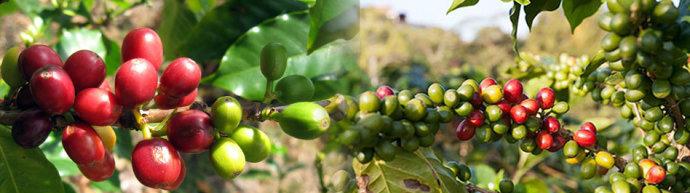
Generally speaking, Mandheling refers to Arabica beans grown in the mountainous areas around Lake Toba in Sumatra, with those from the Gayo highland region in Aceh Province being particularly highly regarded. This area features a tropical rainforest climate, where the hot and humid environment slows the growth of coffee trees, while the mineral-rich volcanic soil contributes to Mandheling's signature bold, low-acidity profile, along with herbal and spicy notes.
The central Sumatran region of Lintong is a renowned Mandheling-producing area. The beans grown here tend to be larger and harder in texture, but due to a higher proportion of defective beans, strict sorting is required. Lintong Mandheling is typically medium-dark to dark roasted to emphasize a rich, full-bodied taste, with prominent spicy and chocolatey flavors, making it ideal for those who prefer dark-roasted black coffee.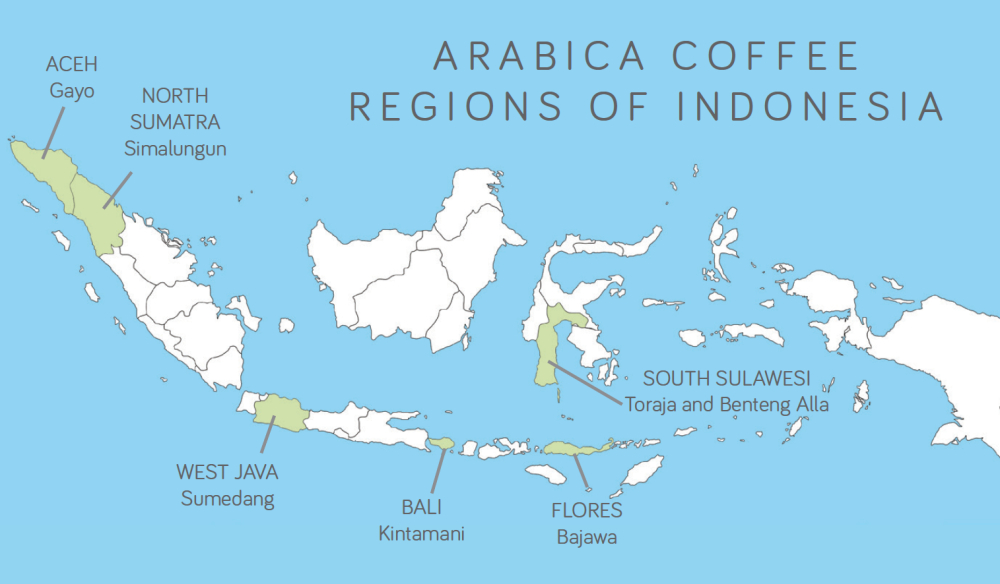
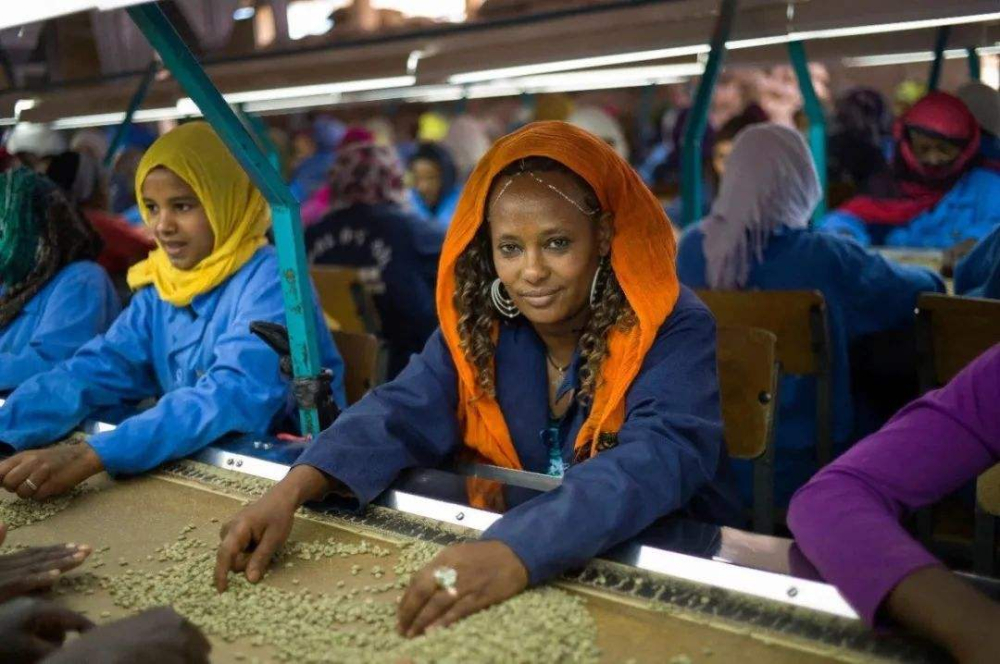
Among the many Mandheling products, PWN Golden Mandheling stands out due to its stringent selection process. Indonesia classifies green beans into several grades based on defect count and bean size, with Grade G1 being the highest — requiring no more than three defects in a 300-gram sample and beans sized at 18 mesh or above. PWN obtained the trademark registration for "Golden Mandheling" and supplies only top-tier G1 green beans that have undergone four rounds of hand sorting and density color sorting, ensuring uniform color, size, and shape of each bean. This results in a cleaner and brighter taste, with more pronounced body and sweetness.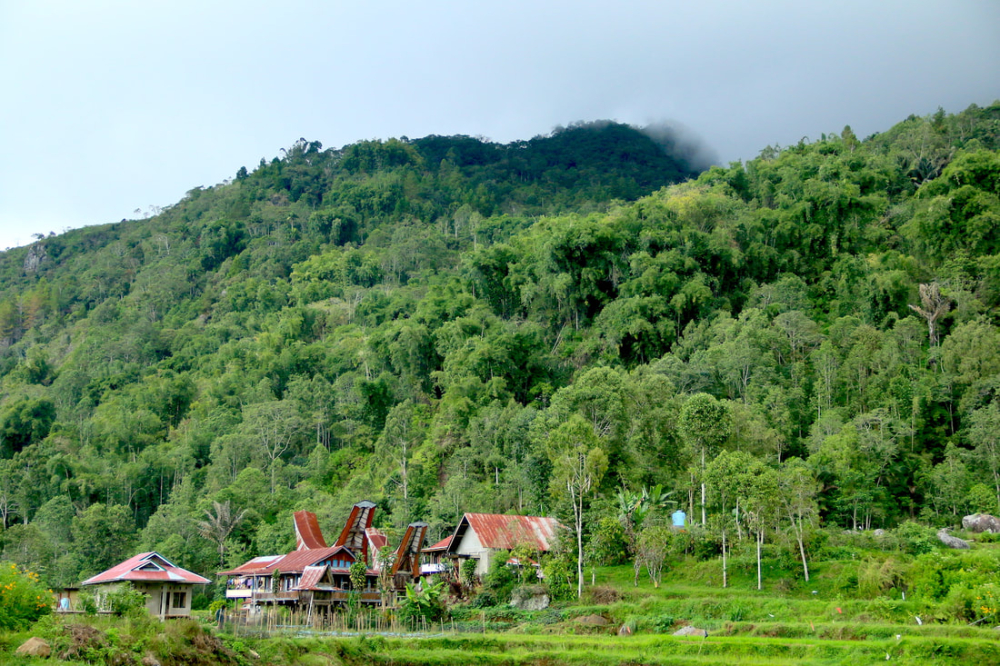
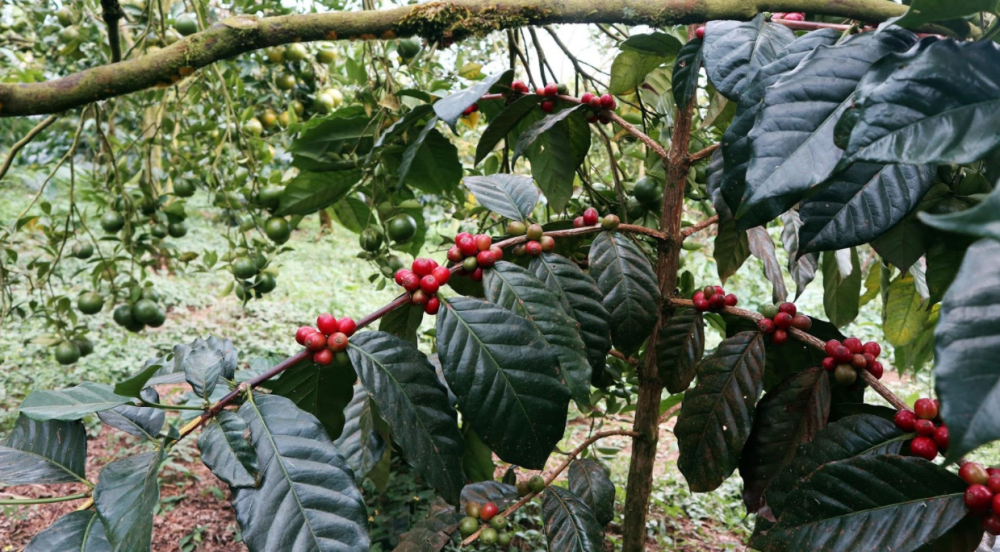
Common coffee varieties in Indonesian Mandheling include Tim Tim and the Ateng series. Tim Tim is actually a natural hybrid of Timor Island Typica and Robusta, known for its high disease resistance. Ateng, on the other hand, is another name for Catimor — a cross between the Arabica Bourbon variety Catuai and Timor, with 25% Robusta lineage. It offers strong disease resistance and is well-suited to Sumatra’s growing conditions. The Golden Mandheling used in this region belongs to the Ateng variety, delivering a rich and consistent regional character.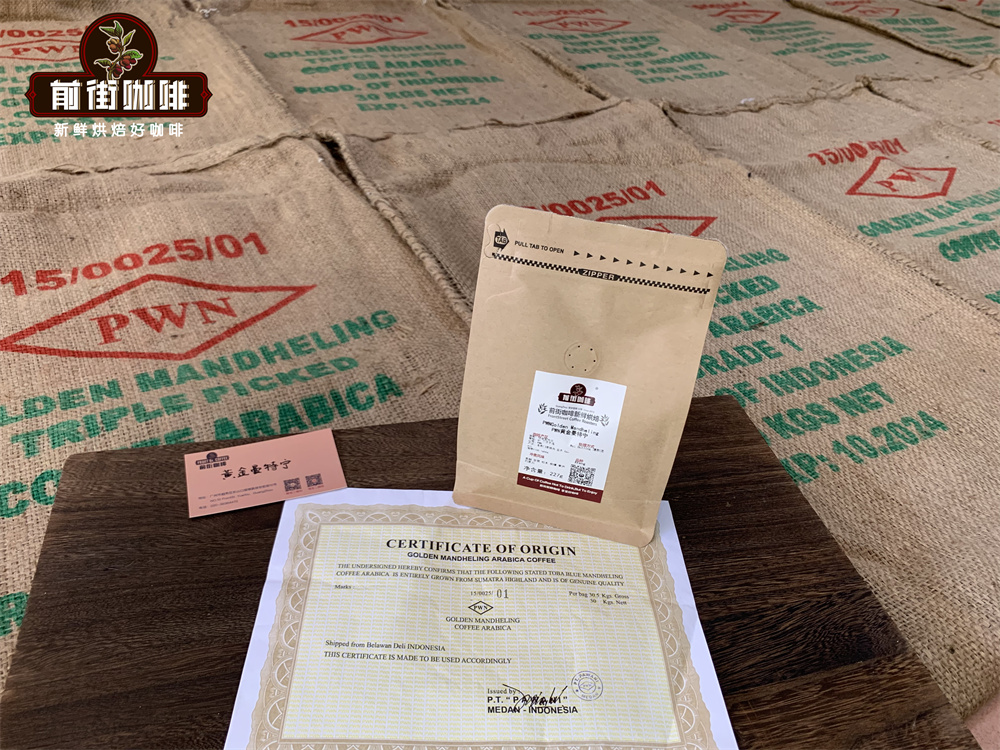
The unique low acidity and full body of Mandheling coffee are largely attributed to the local "wet hulling" (Giling Basah) processing method. Developed in response to Sumatra’s rainy climate and cost-efficiency needs, this method involves removing the coffee fruit’s skin and pulp, then fermenting the beans for about three hours. The beans are then dried with their parchment layer until the moisture content reaches 20–24%. The parchment is subsequently removed while the beans are still soft and prone to compression, which often results in the distinctive “elephant ear” shape seen in Mandheling green beans. Finally, the beans are dried to a moisture level of 12–13% in a controlled environment before packaging. With its short fermentation time and long drying period, the wet hulling method effectively suppresses acidity and highlights rich herbal, spicy, and chocolate notes.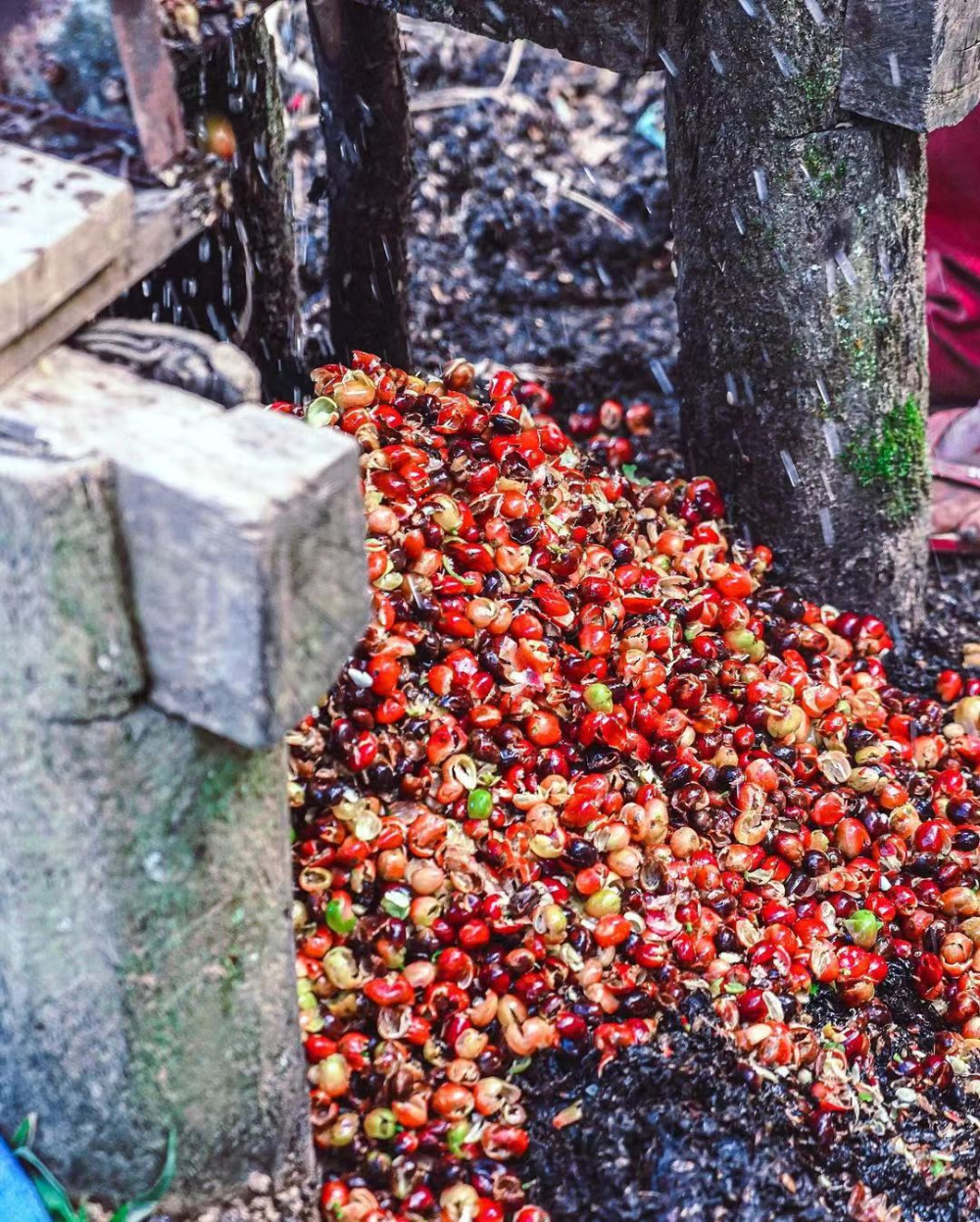
In terms of flavor, Lintong Mandheling and PWN Golden Mandheling are two highly representative options. Lintong Mandheling is beginner-friendly, using G1-grade green beans and the wet hulling method to present aromas of nuts, spices, chocolate, and caramel. It’s perfect for coffee newcomers wanting to experience classic Sumatran flavors. In contrast, PWN Golden Mandheling is further refined by selecting only top-tier G1 beans that have undergone three rounds of hand sorting, resulting in a cleaner profile with layers of rich nuts, spices, herbs, and caramel — ideal for advanced drinkers seeking nuanced and full-bodied flavors.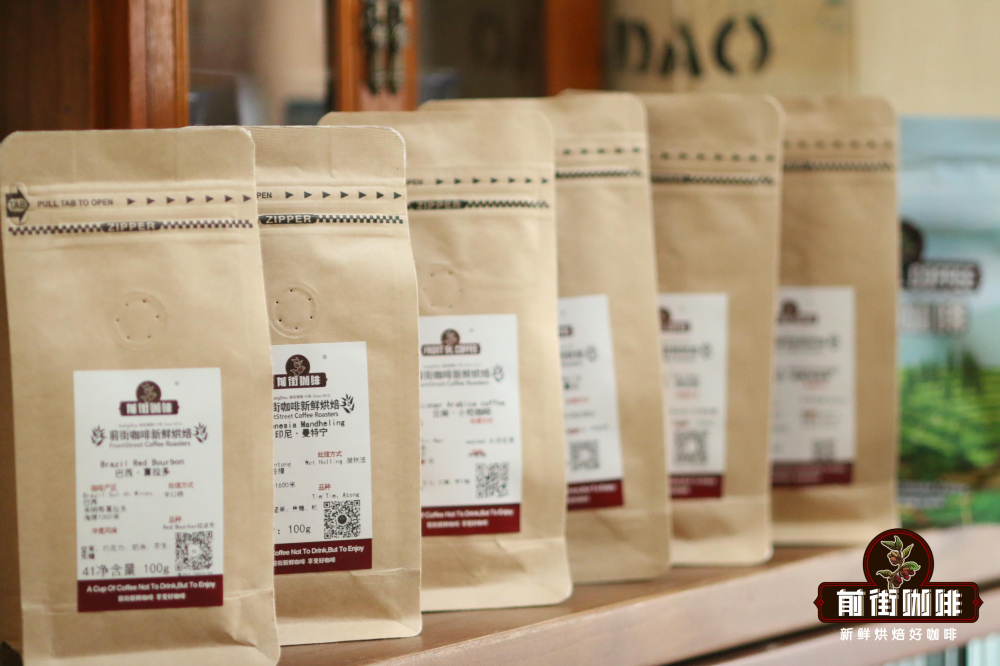
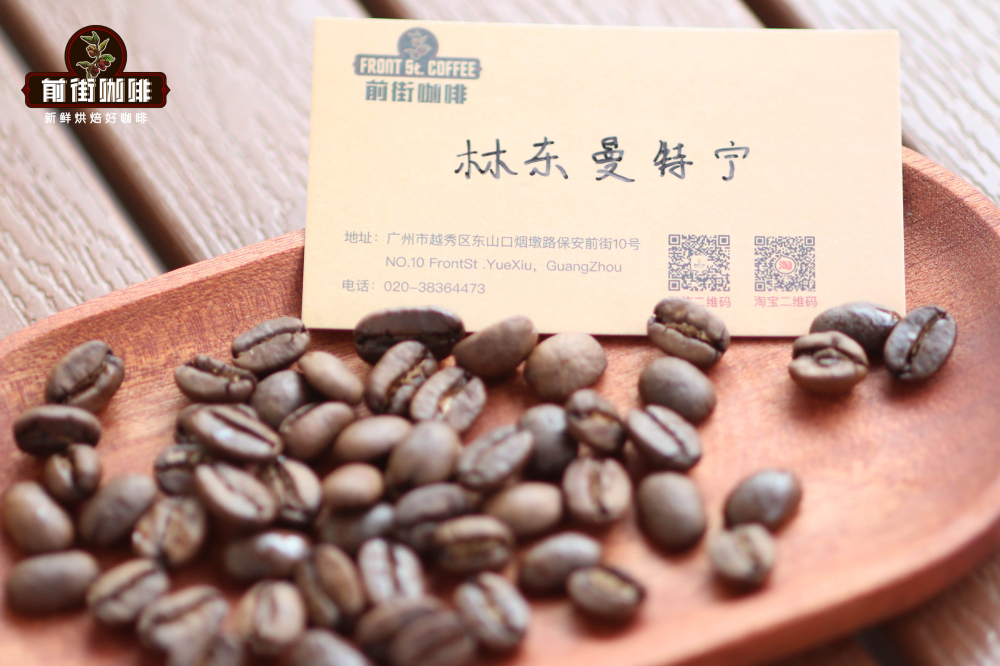
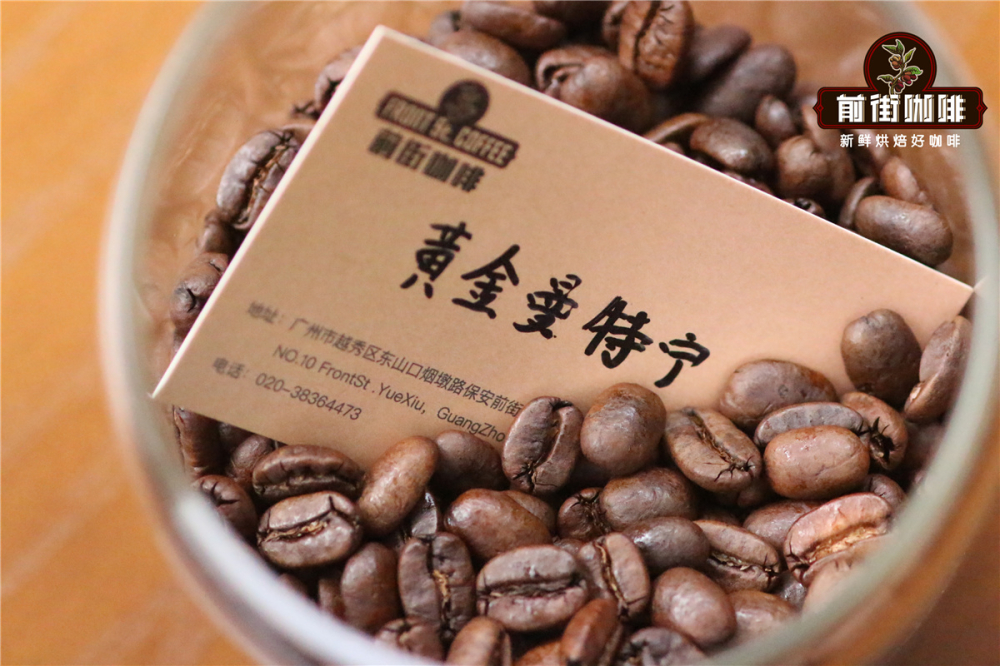
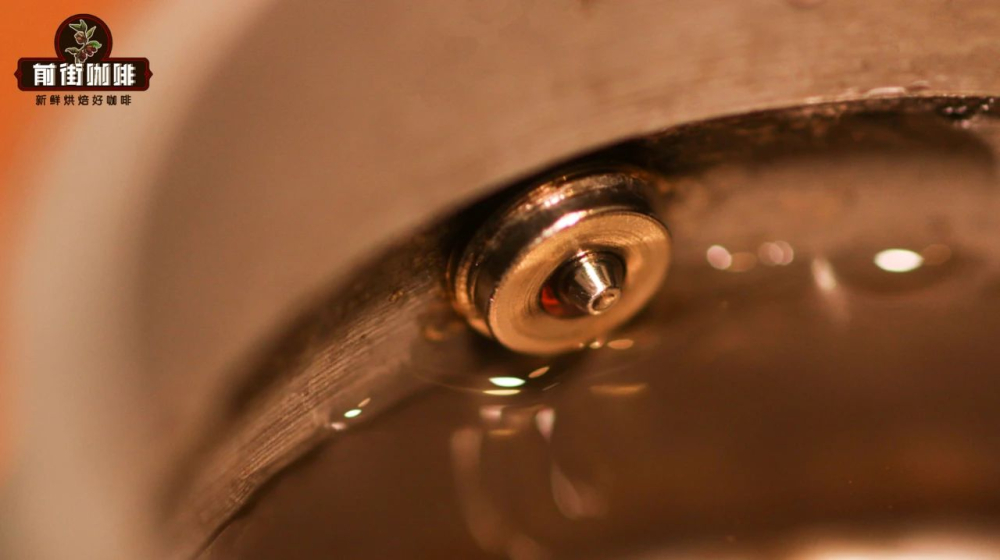
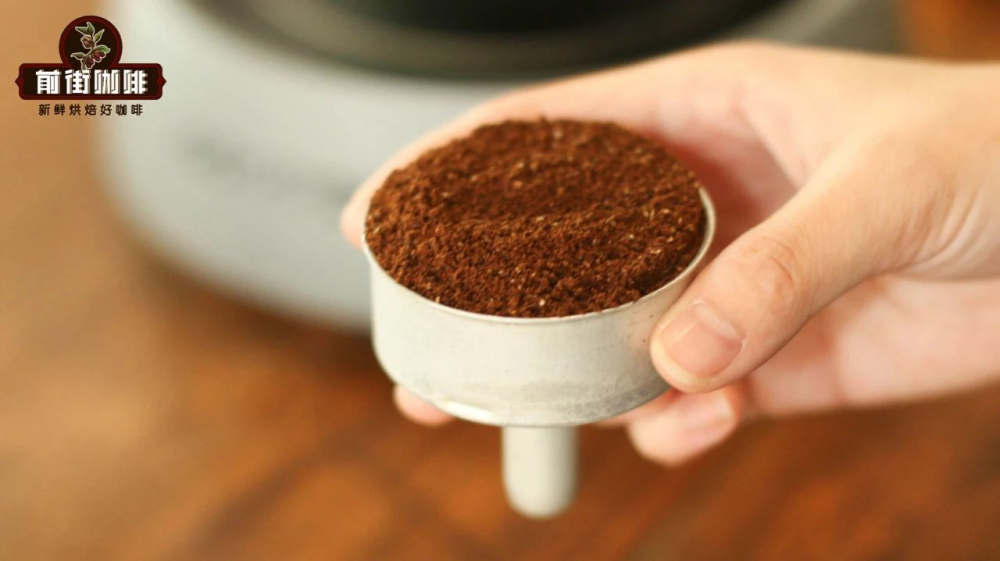
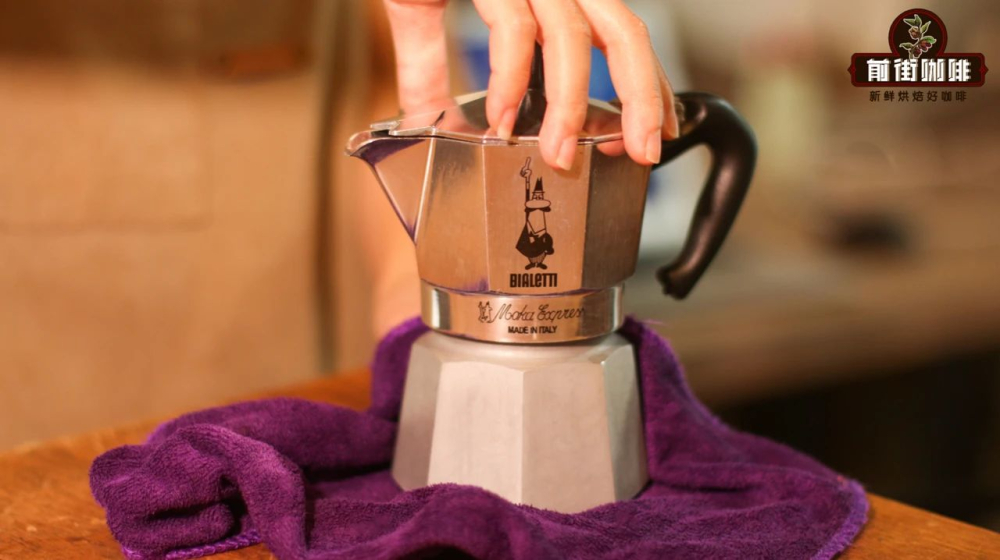
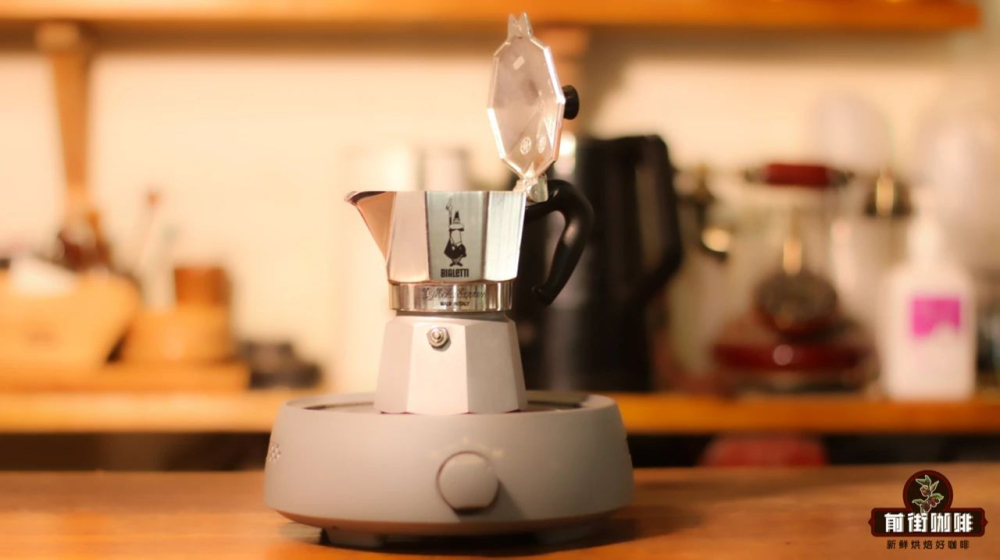
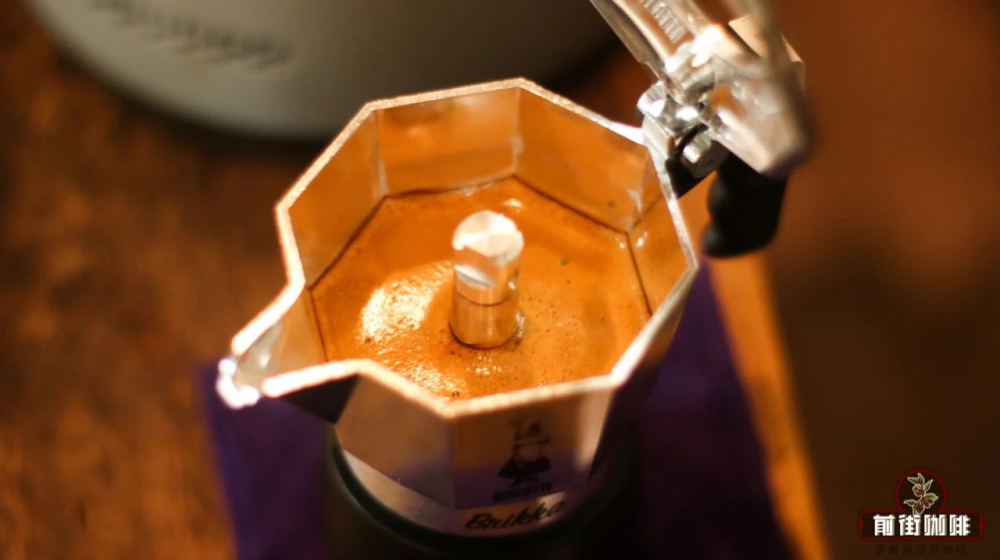
If you’d like to brew PWN Golden Mandheling at home using a moka pot, follow these steps: First, grind 20 grams of coffee beans into a medium-fine powder, similar in coarseness to granulated sugar. Then separate the moka pot into its upper and lower sections. Pour water into the lower chamber, ensuring the water level does not exceed the safety valve. Place the ground coffee into the metal filter (the funnel), gently tamp it down without over-compressing. Next, reinsert the filter into the lower chamber. Once the upper and lower parts are securely attached, heat the moka pot over low to medium heat, keeping the flame from extending beyond the base. As soon as you see coffee begin to flow out, turn off the heat immediately and quickly pour the coffee into your cup to avoid over-extraction. You can adjust to your preference by adding 150 milliliters of hot water for a milder taste, or mix in 150 milliliters of fresh milk to enjoy a rich and bold Mandheling flavor.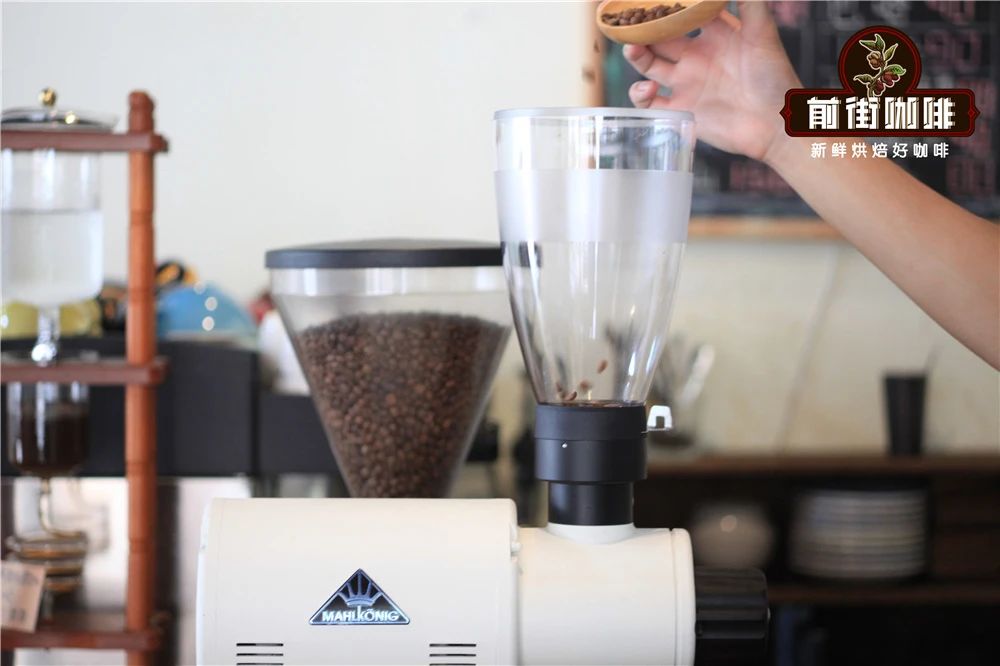
The above content is compiled by CoffeeHunters, a coffee news website.


