








Introduction:Cold brew coffee, with its refreshing and low-acid taste, has become one of the most popular iced coffees in summer. But do you know how to choose the right coffee beans for cold brew, or how to master the coffee-to-water ratio, grind size, and steeping time? This article will delve into the key points of making cold brew coffee, including bean variety recommendations, essential parameter settings, and common mistakes, helping you easily brew a well-balanced cold brew coffee at home.
Walking into any café, summer menus always feature a range of chilled drinks—such as affogato combining ice cream, slow-dripped ice drip coffee, or cold brew made by simply steeping coffee grounds in cold water. Among them, cold brew coffee (English: Cold Brew Coffee) is relatively simple to make: just steep ground coffee in cold water for over eight hours, then filter out the grounds. The key lies in selecting the right coffee beans and mastering the correct extraction parameters, allowing you to effortlessly create a clean-tasting, flavorful cold brew.
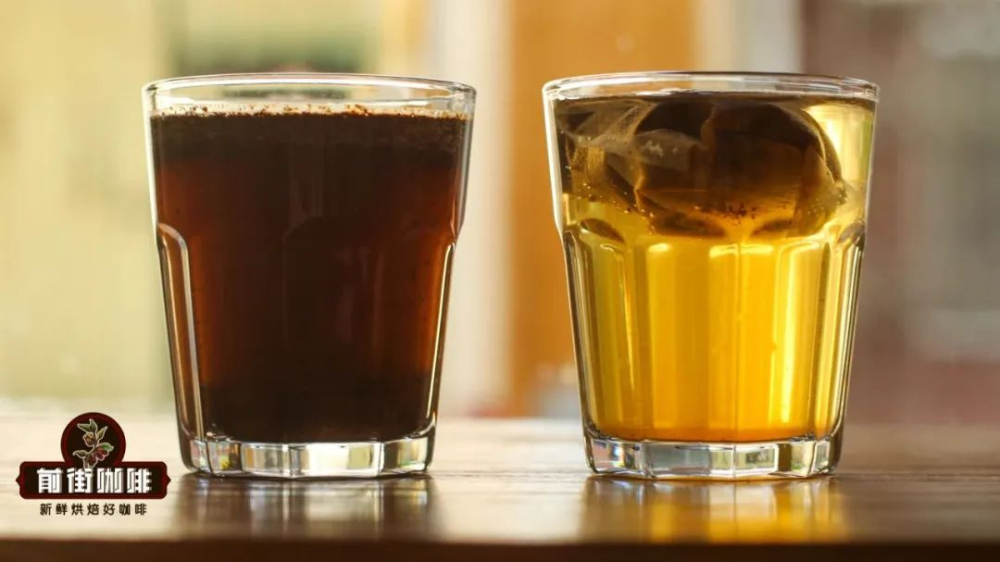
So, what kind of coffee beans should you choose for cold brew? Generally, it’s recommended to go with medium to light roasted beans, as these can showcase brighter fruit acidity and floral-fruity aromas, complementing the refreshing nature that cold brew aims for.
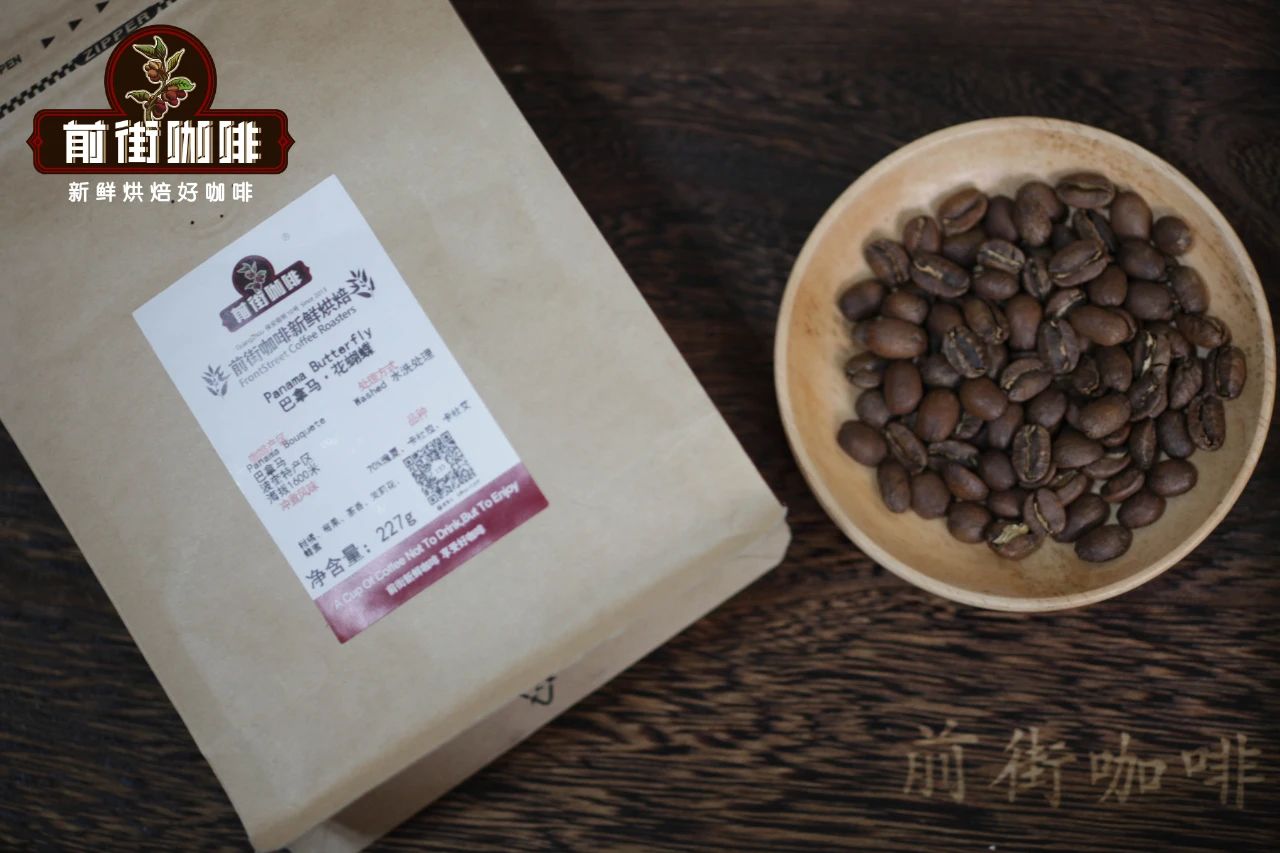
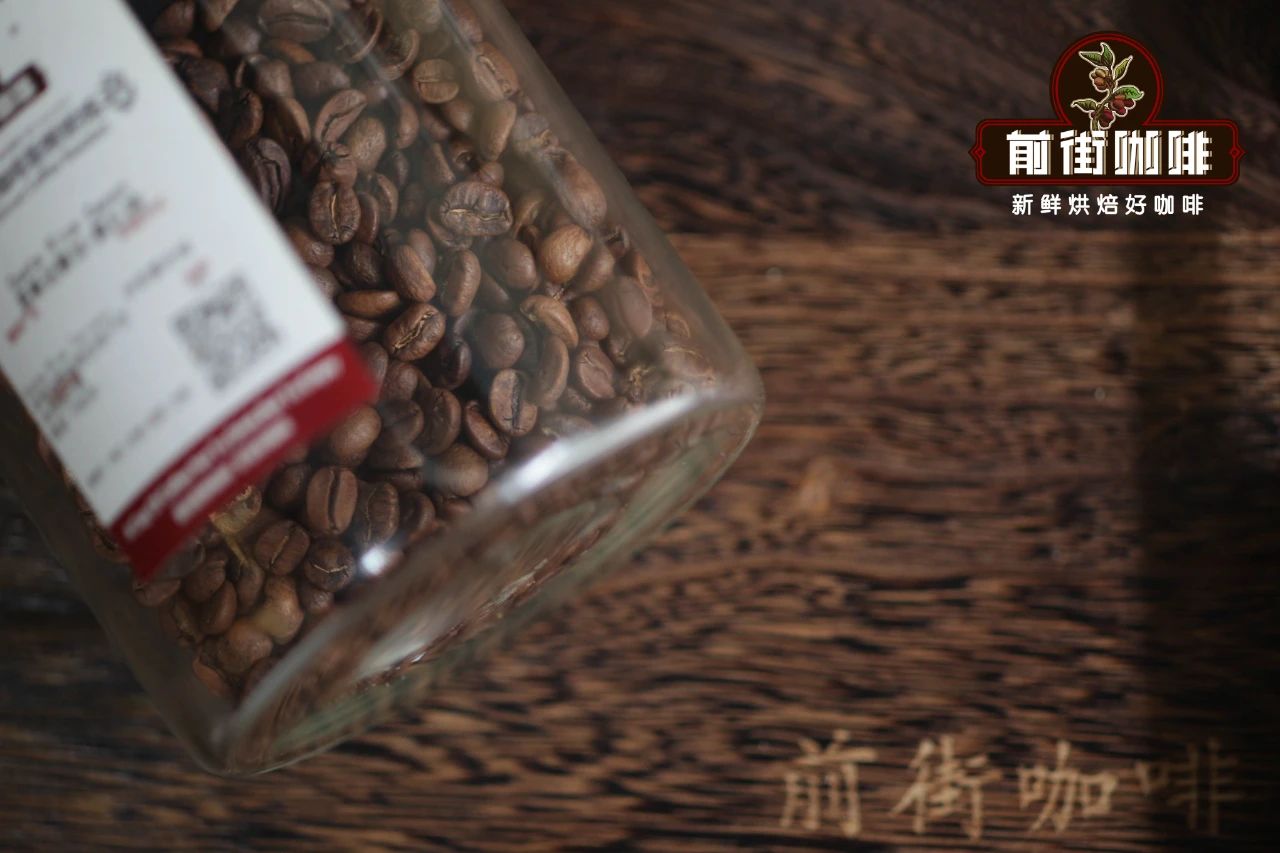
First recommended is Panama Geisha Flower Butterfly, a washed-processed coffee bean containing about 70% Geisha variety, offering excellent cost-performance. When used for cold brew, it delivers clean, fresh floral and citrus notes, with even a subtle oolong tea-like aftertaste, resulting in an overall very balanced profile.
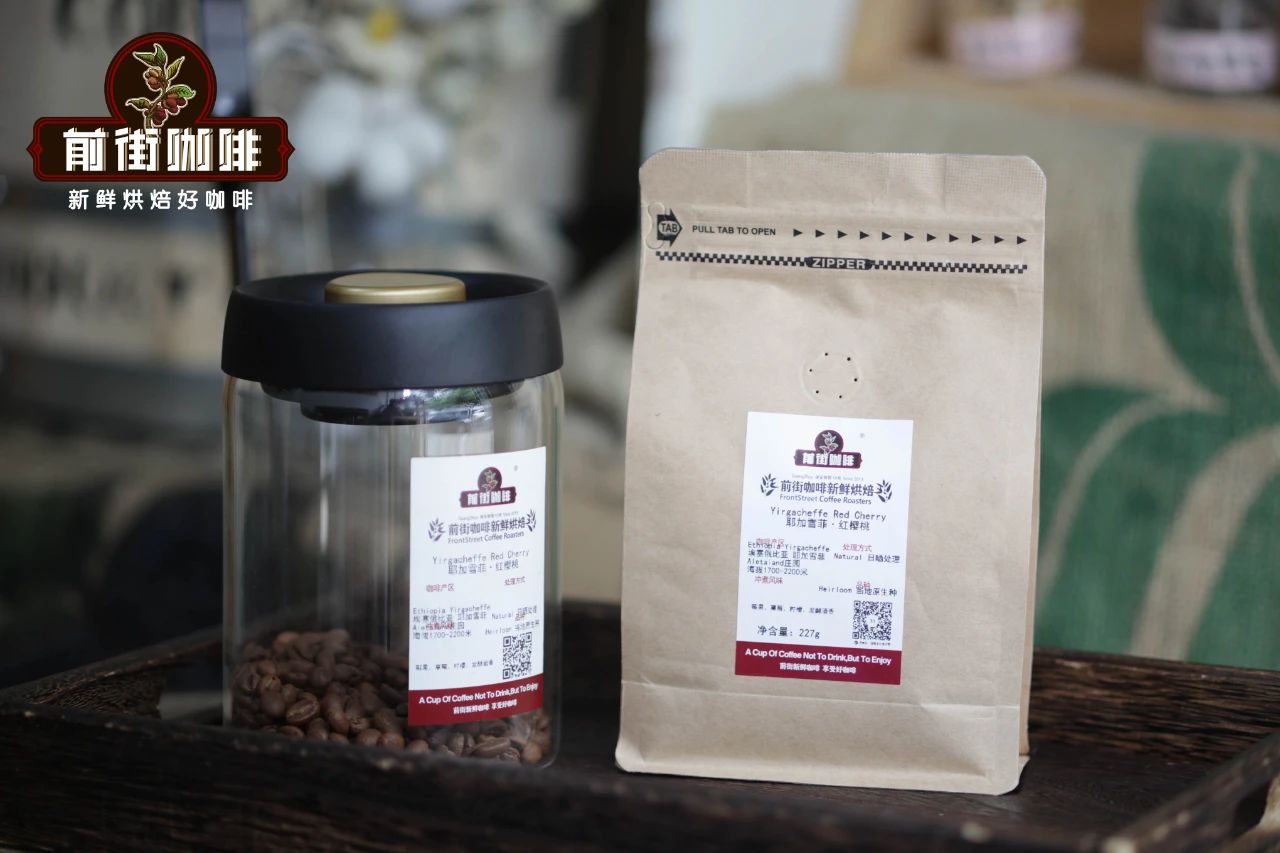
Another worth trying is Ethiopia’s Yirgacheffe Red Cherry Project. This naturally processed bean is a premium representative of Yirgacheffe, bursting with intense floral-fruity aromas and berry notes. Cold brewing highlights its sweet berry flavors and the silky layered sweetness reminiscent of honey, offering a rich and unforgettable taste.
If you prefer beans with special processing methods, consider trying Mozart from Costa Rica’s Musician Series. This bean uses anaerobic honey processing, and when cold brewed, reveals a complex flavor profile of osmanthus, grapes, and fermented wine notes. It has highly distinctive aromas, along with depth in both taste and flavor, making it ideal for cold brew enthusiasts seeking layered complexity.
After selecting your beans, the next step is deciding on the grind size. Since cold brew uses cold water for steeping, the overall extraction efficiency is relatively low, so there’s less need to worry about over-extraction. It’s recommended to use a grind slightly finer than that for pour over, aiming for about 85% of the grounds to pass through a standard #20 sieve, while minimizing the amount of fine particles to avoid affecting taste and filtration speed.
Practical tests have shown that excessive fine particles not only slow down filtration but may also cause oils and tiny particles to appear on the surface of the coffee liquid, affecting the overall smoothness. Therefore, properly controlling the fineness of the grind can result in a clearer and purer-tasting cold brew.
As for the coffee-to-water ratio, it’s recommended to use a combined ratio of coffee, water, and ice at 1:8:4, which translates to an actual coffee-to-water ratio of about 1:12. The addition of ice helps maintain a low water temperature, stabilizing extraction efficiency and preventing flavor imbalance due to temperature fluctuations. This ratio ensures the coffee isn’t overly strong or diluted, achieving a well-balanced extraction.
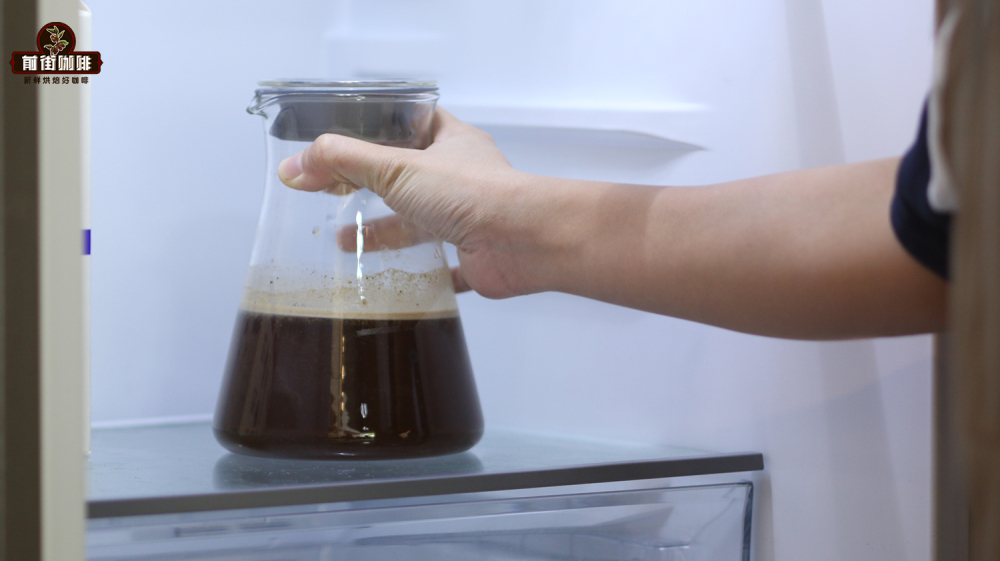
Regarding water temperature and steeping time, cold brew is generally recommended to be done in a low-temperature environment (such as a refrigerator), with a steeping time of around 12 to 24 hours. If choosing room-temperature brewing, reduce the time to 8 to 12 hours, but be mindful not to let the ambient temperature get too high, as this can easily lead to over-extraction or off-flavors.
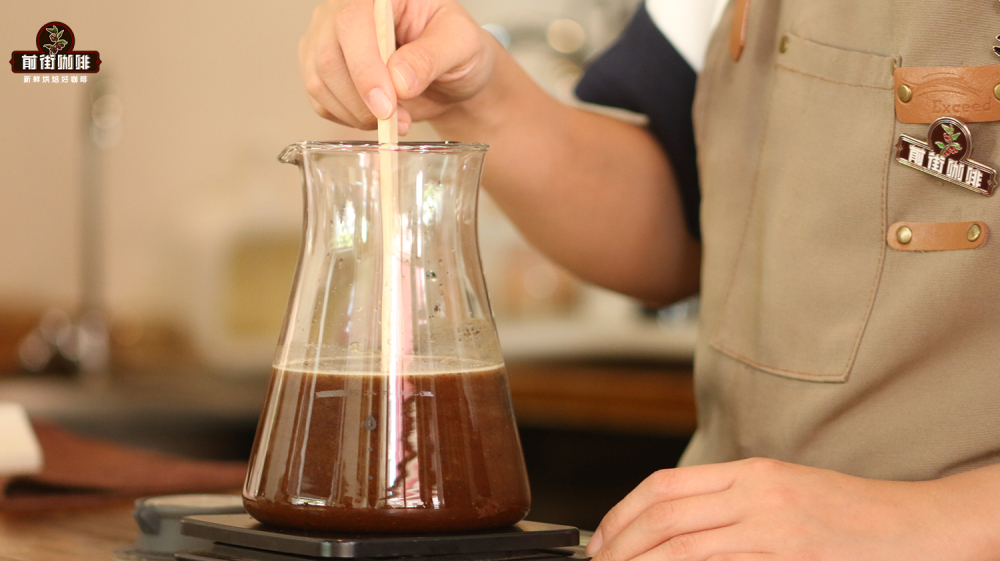
Here’s a practical cold brew coffee-making process: using 50 grams of coffee grounds as a base, with a grind size where about 85% passes through a #20 sieve, place the grounds in a glass container, add 400 ml of room-temperature water and 200 grams of ice (totaling 600 grams of ice-water mixture), achieving a 1:12 coffee-to-water ratio. Then, stir the coffee grounds and water evenly with a stirring stick, seal, and refrigerate.
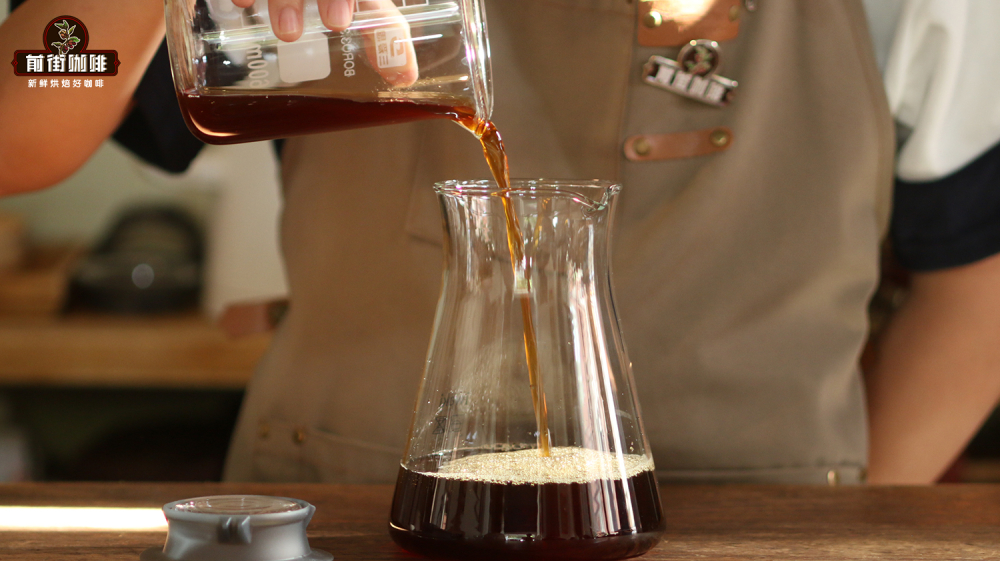
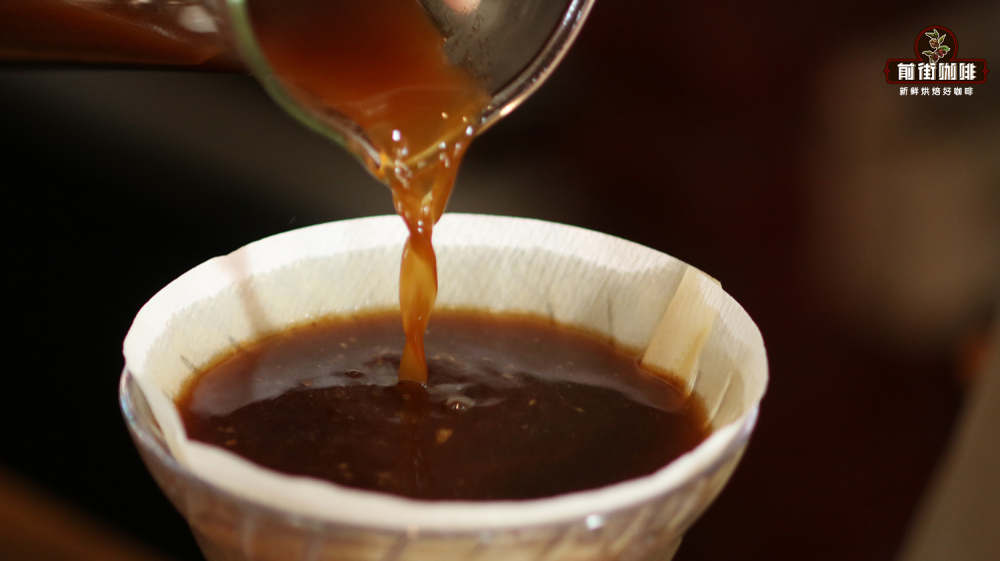
After steeping for 12 to 24 hours, use filter paper to remove the coffee grounds, obtaining a clear coffee liquid. It’s recommended to pour the liquid into a clean, sealed bottle and refrigerate for another 4 hours before drinking, as this allows the flavors to become more concentrated and balanced.
The advantage of cold brew coffee is its high flexibility in parameters. Whether it’s the type of coffee bean, container used, coffee-to-water ratio, grind size, or steeping time, there’s a lot of room for adjustment. As long as you avoid extreme combinations, you can usually produce satisfying iced coffee. However, many people find that even when using the same beans and parameters at home, the result isn’t as rich or sweet as what they’ve had in cafés—often because they overlook some key details.
One of the key factors is steeping time. It’s not recommended to go below 8 hours or exceed 18 hours. Since cold brew uses water at a low temperature of 4 to 10°C throughout the process, extraction is slower, so sufficient time is needed for aromatic compounds to fully release, bringing out the balance between sugars and organic acids, and harmonizing the coffee’s acidity, sweetness, and body. Experiments show that a steeping time between 10 to 16 hours usually delivers the best flavor performance, with rich aromas and a full-bodied taste.
Overall, cold brew coffee is not only suitable for summer but also its simple operation and high flexibility in parameters make it a great choice for beginner coffee enthusiasts. As long as you master bean selection, grind size, coffee-to-water ratio, and steeping time—and pay attention to details like filtration and post-refrigeration maturation—you too can easily enjoy a professional-grade cold brew coffee at home.


The above content is compiled by CoffeeHunters, a coffee news website.


