








Introduction:Want to easily make a refreshing and smooth cold brew coffee at home? This article explains in detail the coffee-to-water ratio, suitable grind size, and extraction time for cold brew, and shares how to adjust the strength according to personal preference. It also recommends several coffee bean flavor profiles that are well-suited for cold brewing. From basic steps to advanced techniques, help you master the tricks of making cold brew and enjoy an excellent icy coffee experience in summer.
As temperatures gradually rise, many coffee enthusiasts start looking for more refreshing beverage options. Compared to traditional hot-brewed coffee, cold brew coffee—known for its smooth taste and low acidity—has become one of the most popular coffee drinks in summer. However, to brew a cup of cold brew with balanced flavors, there's quite a bit of know-how involved, from the coffee-to-water ratio to extraction time.

So-called cold brew coffee is a brewing method that involves extracting coffee grounds in a low-temperature environment over an extended period. Due to the lower brewing temperature, it effectively reduces the release of bitter substances while allowing the sweet and acidic components of the coffee to fully express themselves. This brewing method gives cold brew its distinctive rich aroma, full-bodied sweet and sour notes, as well as a silky and mellow mouthfeel.
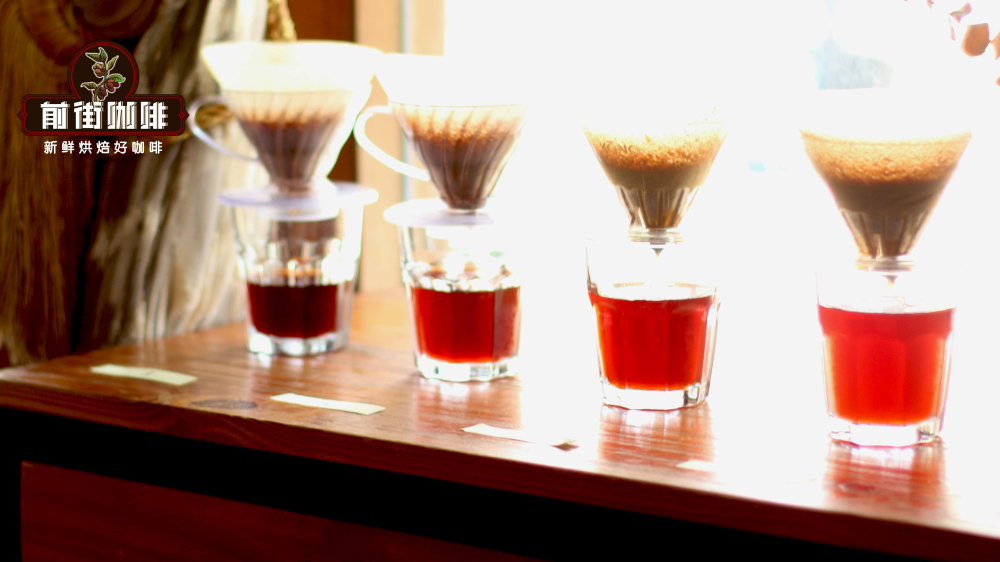
Regarding the coffee-to-water ratio for cold brew, it is generally recommended to use1:13as the golden ratio. Cold brew made with this ratio has a moderate concentration and balanced flavor, and can be enjoyed directly without additional dilution. If you plan to use the cold brew concentrate to make specialty drinks—such as combining it with milk, soda water, or creating flavored coffee—you might consider increasing the coffee-to-water ratio to1:10to achieve a stronger foundational coffee flavor.
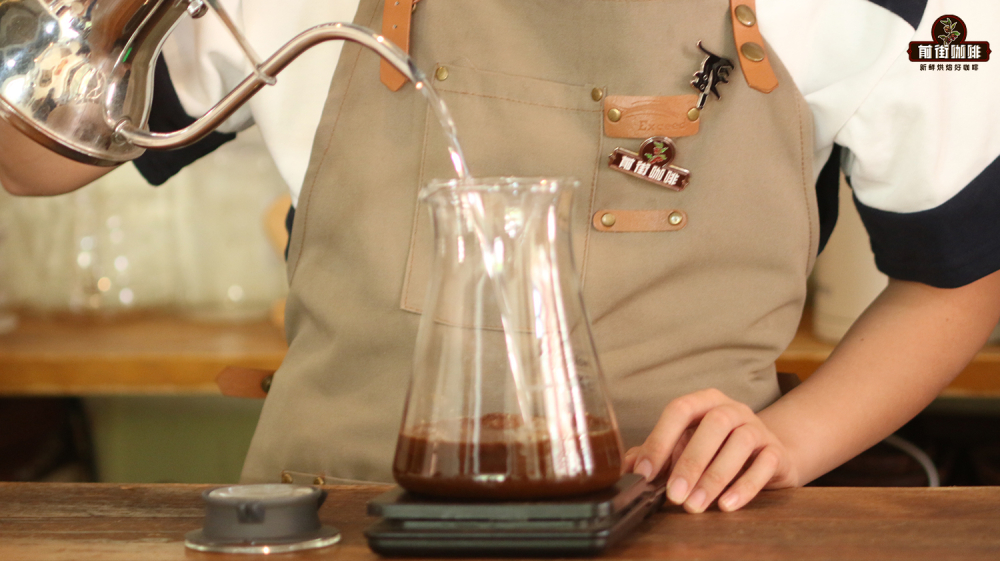
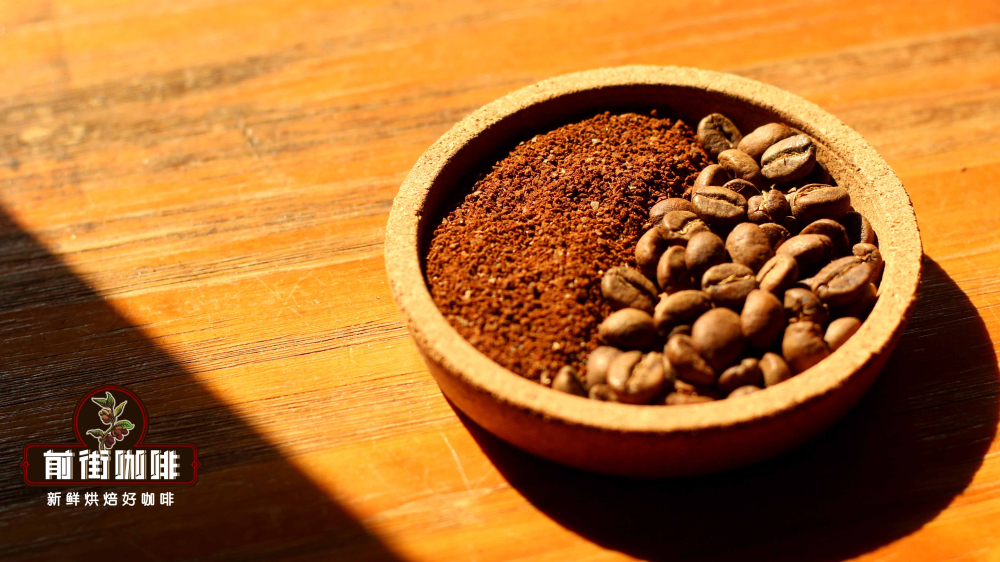
For actual preparation, taking1:13as the coffee-to-water ratio as an example, you can prepare 30 grams of coffee beans and grind them to a medium-fine level, where about 80–85% of the grounds pass through a standard 0.85 mm sieve. It’s particularly important to note that although low-temperature extraction can suppress the release of bitter substances, if the grind is too fine, it may still lead to the premature release of sweet and acidic compounds, which can affect the purity of the final flavor. A moderate level of body can indeed enhance the layered taste of the coffee, but steeping for too long can produce woody off-flavors, reducing the overall clarity of the drink.
The specific steps are as follows: Place the ground coffee into a clean, oil-free airtight container, add 150 grams of ice cubes and 240 milliliters of purified water, gently shake to evenly mix the coffee grounds with the ice water, then place it in the refrigerator to steep and extract for 12 to 24 hours. After extraction, use filter paper or a fine mesh strainer to thoroughly filter out the coffee grounds, and then you can enjoy a long-flavored cold brew coffee.
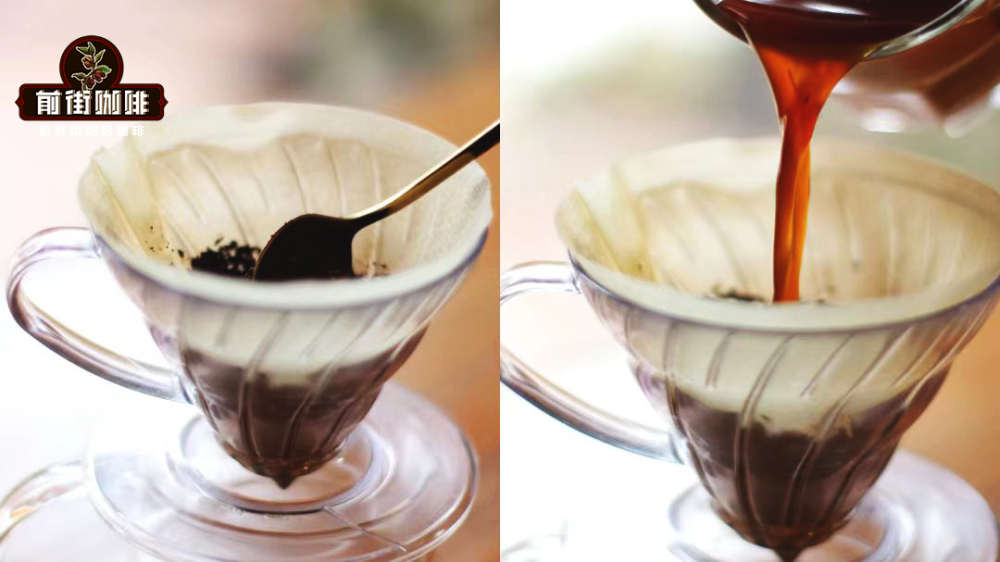
Regarding the shelf life of cold brew coffee, it is recommended to consume it within 2 to 3 days after filtration to achieve the best flavor. Although cold brew can be stored properly for about a week, over time, fermentation flavors may gradually intensify, affecting the overall taste. If you notice a significant change in flavor or detect any off-odors, it is advised to stop drinking it.
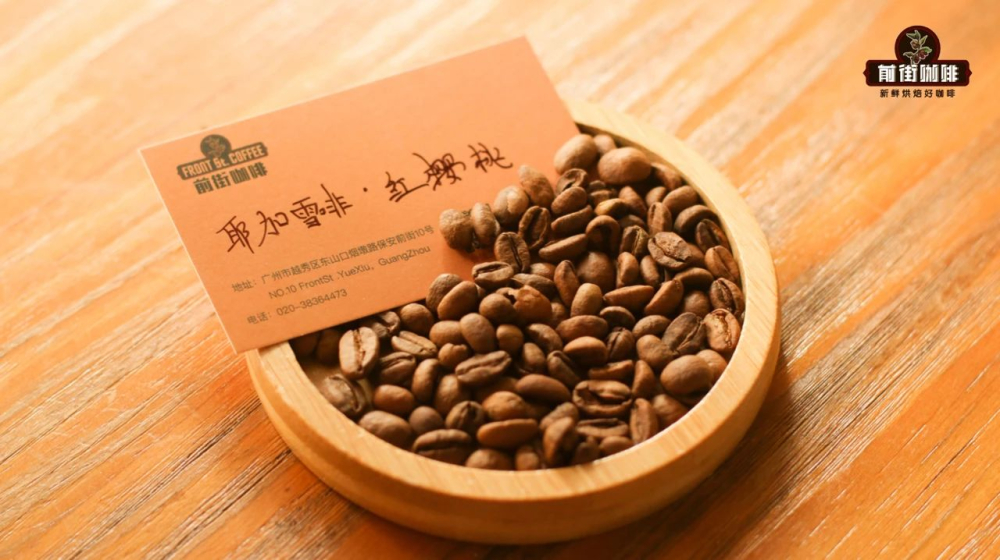
As for the choice of coffee beans suitable for cold brew, due to the characteristics of low-temperature extraction, medium to dark roasted beans may turn out thin due to insufficient extraction of body-rich compounds. Therefore, it is recommended to choose medium-light to medium roasted beans, especially those with distinct sweet and sour notes or prominent aromas. For example, beans with complex fruit juice flavors and black tea textures can display rich layers during the cold brew process; meanwhile, beans that combine citrus notes with green tea flavors can offer a refreshing and pleasant taste experience.
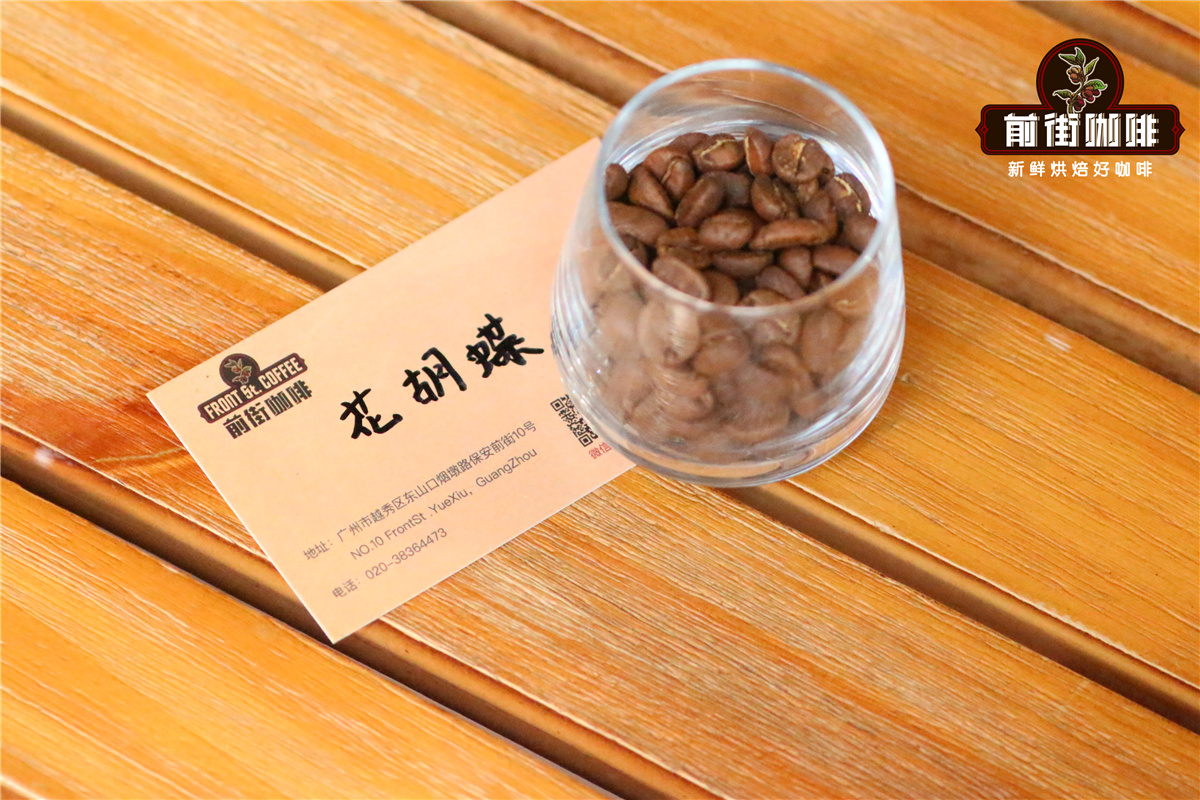
In addition, coffee lovers who prefer fruity flavors can prioritize beans with bright acidity and rich fruit notes. These types of beans can fully showcase their unique aromatic characteristics during the cold brew process, adding more flavor variations to the drink. No matter which coffee beans you choose, the appropriate grind size and precise extraction parameters are key elements to crafting the perfect cup of cold brew.
The above content is compiled by CoffeeHunters, a coffee news website.


