







Introduction:Want to easily brew delicious American-style coffee at home but don’t know how to choose coffee beans or set the right parameters? This article explains the fundamentals of American drip coffee, including suitable types of coffee beans, machine operation steps, coffee-to-water ratio, and other key elements. It also shares the flavor differences between light, medium, and dark roasts, along with practical tips to help you brew professional-level black coffee using a drip machine.
The American drip coffee maker (Drip Coffee Maker) is the go-to choice for many coffee beginners. It’s intuitive to operate and can brew a pot of rich coffee in just 5 to 8 minutes. These machines are widely used in homes and offices, and their standardized process makes brewing simple. Yet many people still have questions about coffee bean selection, machine capacity, and proper usage—here’s an in-depth breakdown.
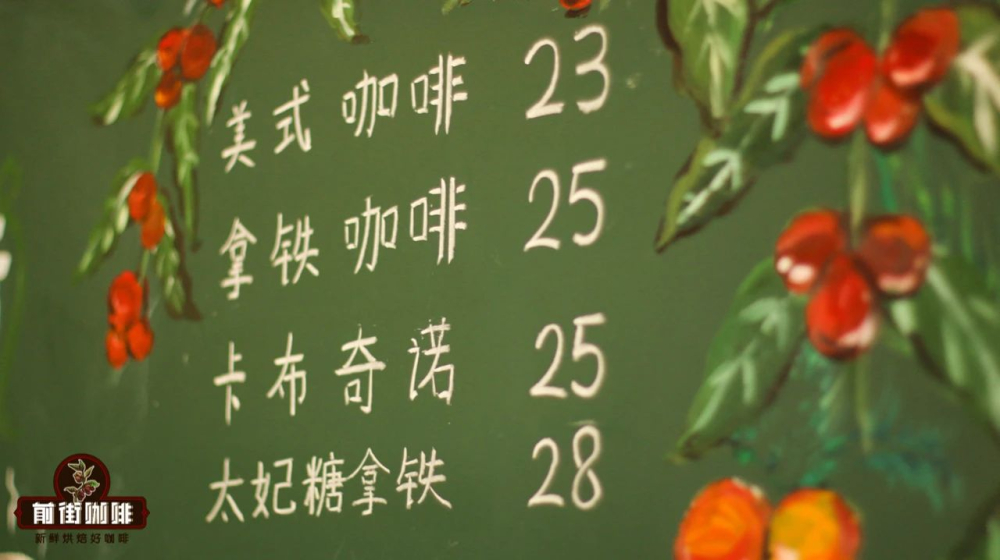
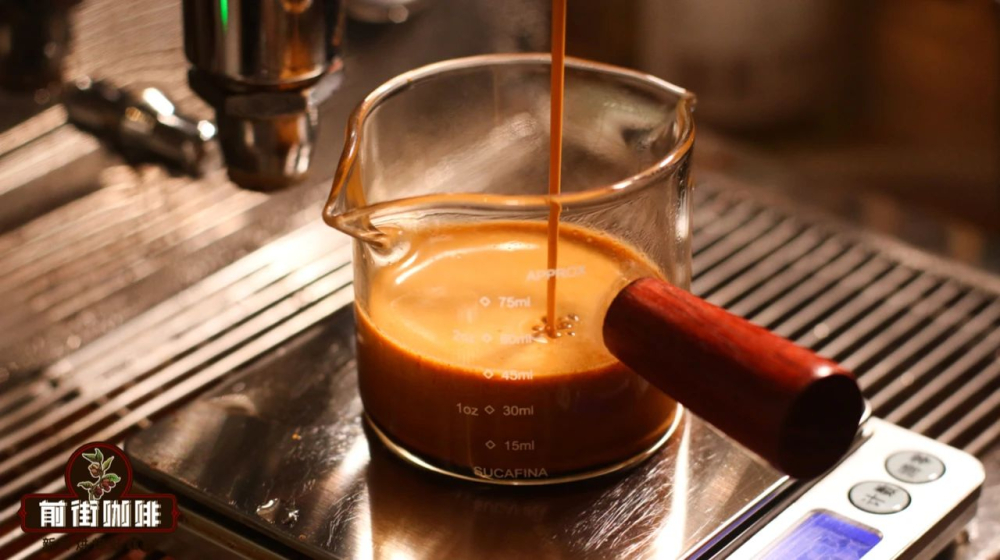
First, let’s clarify the basic categories: Coffee machines can be divided into two main types based on brewing method—drip and espresso. Before World War II, small drip machines were commonly used in American households for their simplicity and popularity. Nowadays, American coffee in modern cafés is often made by diluting espresso with water—this originated from American soldiers stationed in Europe during the war who weren’t used to the strong taste of espresso, so they diluted it, inadvertently creating a beverage similar in flavor to drip coffee, which Europeans later jokingly called "American coffee."
When it comes to choosing coffee beans, American drip machines are actually quite flexible.Both single-origin beans and espresso blends work,the key lies in personal preference. If you’re after black coffee with floral and fruity notes, it’s recommended to usemedium-roastedbeans, which have bright acidity and a refreshing taste. If you prefer a richer flavor,dark-roastedblends can better showcase intense smokiness and bold crema. The grind size should match the characteristics of drip brewing, typically close to that of pour over—about as coarse as fine sugar granules.
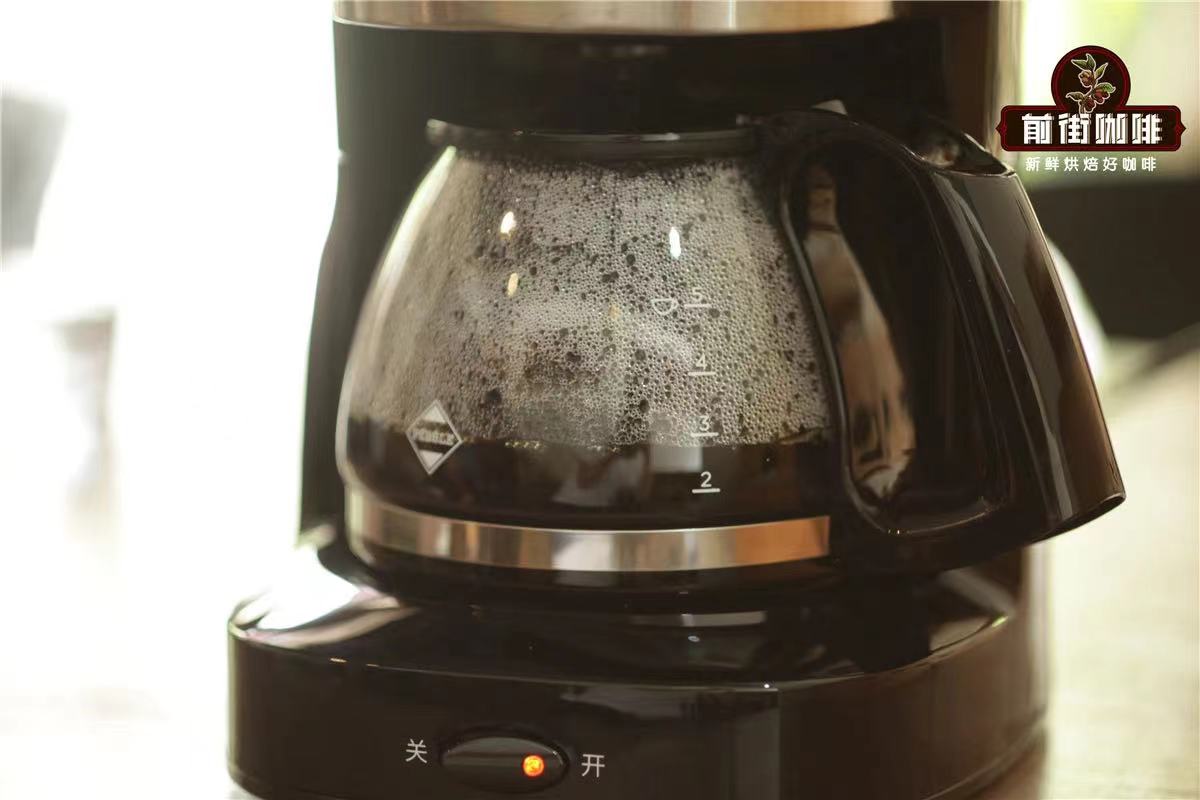
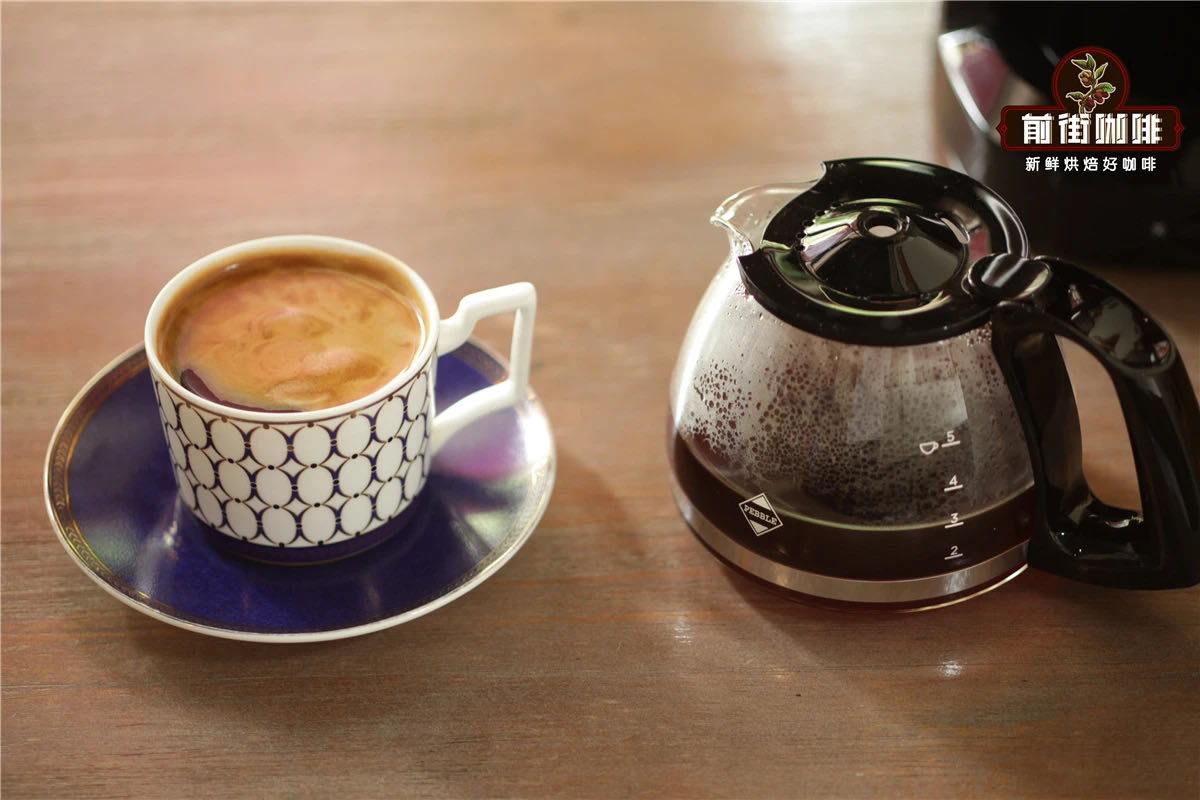
Common capacities for commercially available American drip machines are 5-cup and 12-cup models. A 5-cup machine’s glass carafe and water reservoir hold about 550 to 650 milliliters, while a 12-cup model expands to 1.2 to 1.3 liters. The standard definition of “one cup” is 100 to 120 milliliters, so for optimal extraction efficiency, it’s recommended to brew at least two cups or more at a time.
The coffee-to-water ratio is a core parameter that affects flavor.For every 100 to 120 milliliters of water, use 5 to 7 grams of coffee grounds,and this range can be fine-tuned according to taste. Most machines come with a dedicated coffee scoop, where one scoop is roughly equivalent to the 6 grams needed for one cup. Note: Even if coffee beans are from the same origin and have similar roast levels, their flavor profiles can vary greatly—adjust based on actual brewing results.
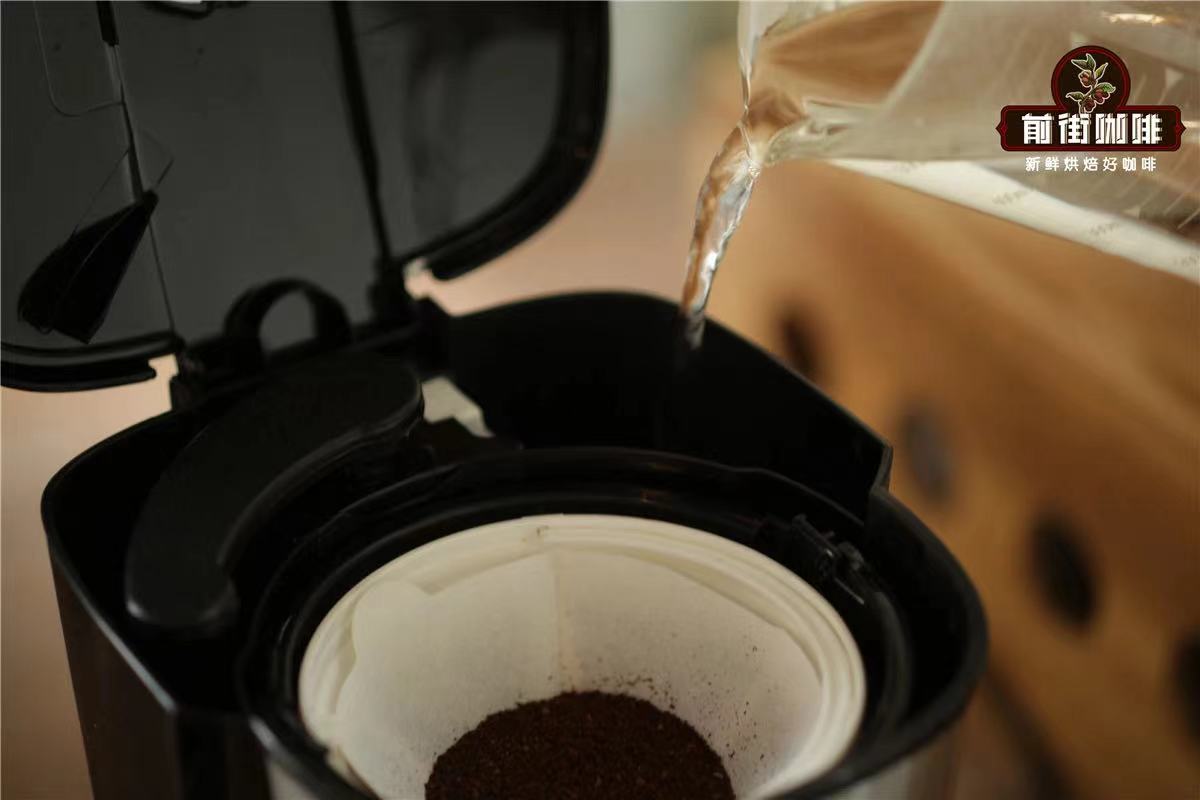
The complete operation process consists of six steps: First, grind the coffee beans into a moderately coarse powder (skip this step if using pre-ground coffee).Place the filter paper in the filter basket, then add the corresponding amount of coffee grounds based on the number of cups—for example, about 5 to 7 grams for one cup, and the scoop usually included with the machine typically equals the standard amount for one cup. Next, pour water into the reservoir matching the number of cups (100 to 120 milliliters per cup), ensuring the water level reaches the marked scale on the machine.
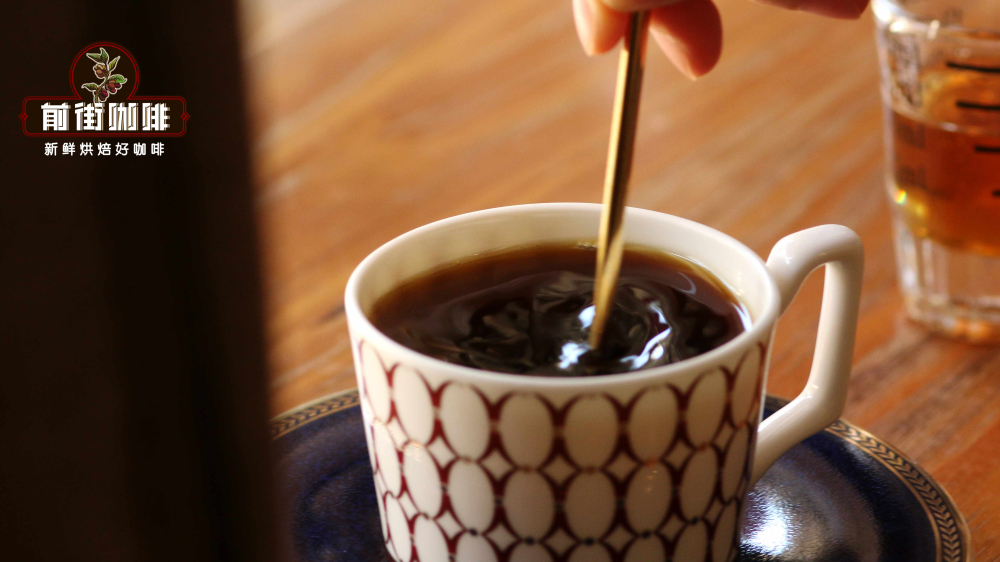
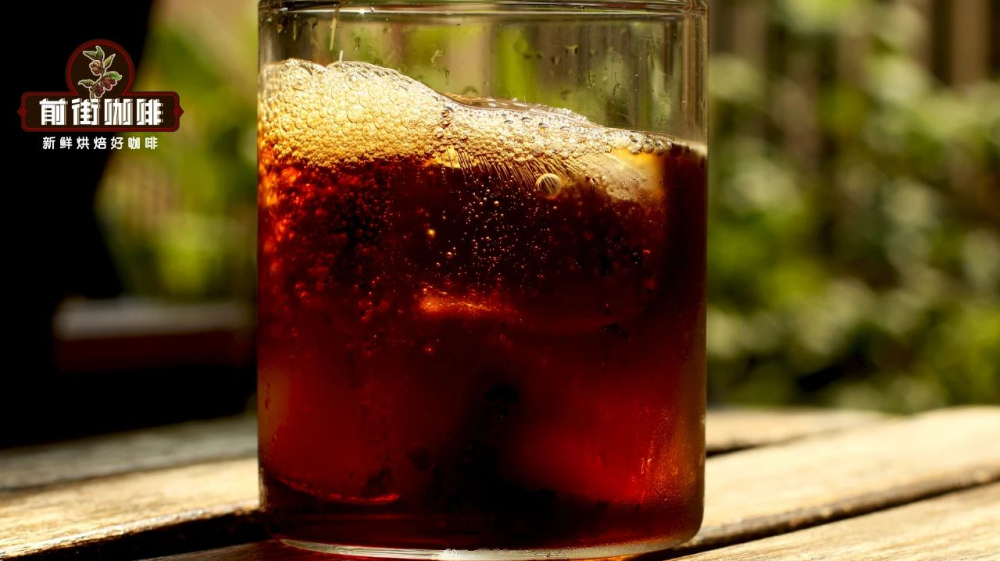
Install the glass carafe onto the warming plate, plug in the machine and start it. Wait 5 to 8 minutes until the dripping is complete. Observe the flow rate of the coffee in the carafe: if it drips too quickly, the grind may be too coarse; if too slow, it may be too fine. After brewing, feel free to add sugar or milk to taste. To make iced Americano, reduce the water volume and add ice cubes, or mix concentrated espresso with an equal amount of cold water.
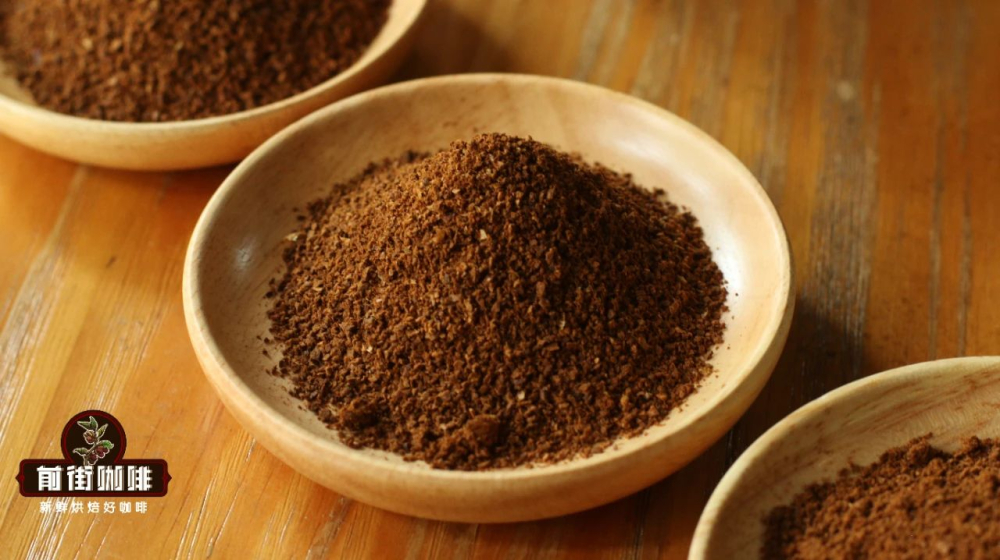
Regarding grind size selection, the principles for American drip and pour over are similar—both require medium-coarse grounds to ensure stable water flow. Though dark roasts are commonly used in espresso machines, when used in drip brewing, they can highlight intense bitterness and chocolatey aftertaste. Light roasts, on the other hand, showcase bright fruit acidity and aroma, making them suitable for those who prefer a refreshing taste. Notably,unground coffee beans are best ground by the shop staff upon purchase,with a note specifying drip brewing use.
Common espresso blends on the market, such as the “Warm Sun Blend,” although primarily dark roasted, carry fermented aromas and creamy chocolate textures. When used for drip brewing, they can still deliver a rich and layered finish. No matter which bean variety you choose, the key is understanding the interaction between coffee-to-water ratio and brewing time, and experimenting to find the combination that best suits your palate.
In summary, the charm of American drip coffee lies in its simplicity and flavor flexibility. From machine selection and coffee bean pairing to precise control of the coffee-to-water ratio, each step influences the final quality of the brew. With these foundational insights, you too can easily recreate café-quality black coffee at home.
The above content is compiled by CoffeeHunters, a coffee news website.


