








Introduction:Cold brew coffee, known for its refreshing low acidity and ease of preparation, has become the go-to cold coffee choice for many coffee enthusiasts at home. This article delves into the brewing principles of cold brew, explores the types of coffee beans that suit it best, and details its unique flavor profile. It also offers creative ways to enjoy cold brew with milk, sparkling water, and alcoholic beverages, helping you master every aspect—from bean selection to flavoring—of this popular iced coffee.
In recent years, cold brew coffee has taken the world by storm—not only because it’s easy to make, but also due to its refreshing, low-acid taste that’s especially well-suited for summer. Even as autumn and winter arrive, many coffee lovers remain drawn to its distinctive fermented aroma and smooth mouthfeel. Most appealing of all is that it only takes a few minutes to mix ground coffee with cold water, refrigerate it, and the next day you can enjoy a high-quality homemade cold brew, at a fraction of the cost of store-bought coffee.
Known in English as Cold Brew Coffee, it refers to the process of mixing coarsely ground coffee with cold water at a certain ratio, then letting it steep in a refrigerated environment—typically for about 12 hours. For a stronger flavor, the steeping time can be extended to 24 to 48 hours. The final step is filtering out the coffee grounds. Low-temperature extraction and prolonged steeping are its two defining features. Compared to traditional hot brewing, cold brew usually has less bitterness, softer acidity, and an overall smoother, more layered mouthfeel.
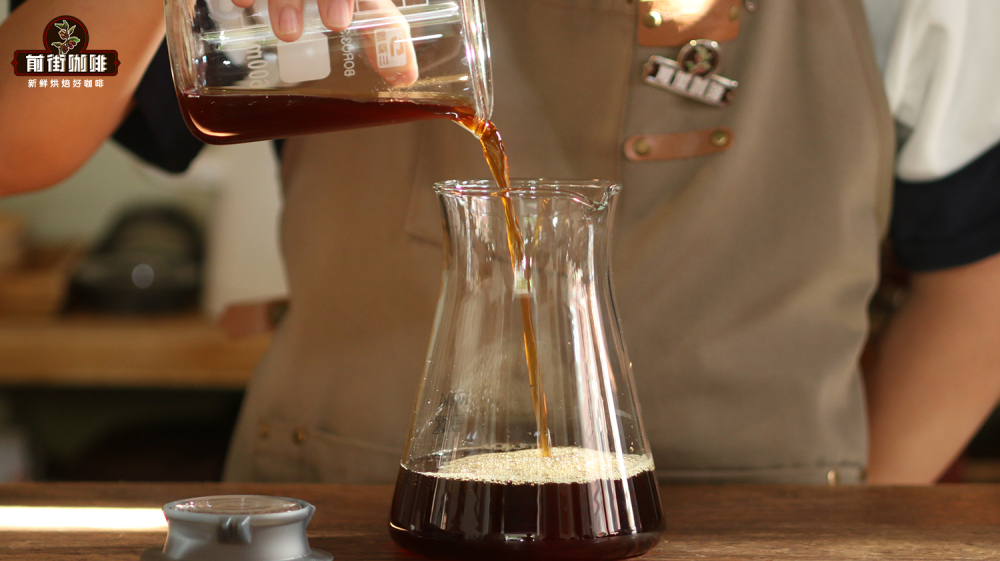
The unique flavor of cold brew mainly stems from its low-temperature extraction process. Because the water temperature is lower, only small-molecule flavor compounds such as fruit acids and floral notes are more easily dissolved, while larger-molecule roasted and smoky flavors are harder to release. As a result, cold brew typically exhibits lower acidity and astringency, with a fresh, easy-drinking flavor that can satisfy both those who love bright fruity and acidic profiles and those who prefer richer, fuller-bodied tastes.

When selecting coffee beans suitable for cold brew, it’s recommended to prioritize beans processed through natural (sun-dried), washed, or special methods. These processing methods highlight the intrinsic flavor characteristics of the beans and enhance the drink’s distinguishability and sweetness. For instance, African-origin beans such as Ethiopia Yirgacheffe often display prominent floral and fruity acidity, with lively and enjoyable flavors but relatively lighter body. In contrast, beans from the Americas—such as those from Panama or Costa Rica—tend to offer a more balanced acidity and sweetness with moderate body. Especially honey-processed or specially fermented beans can add layers and aftertaste to cold brew.

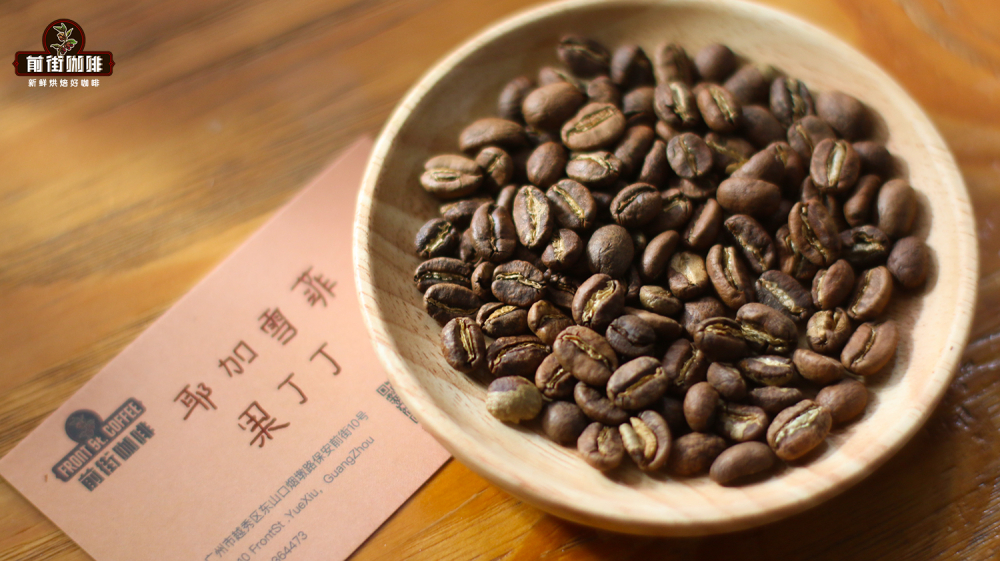
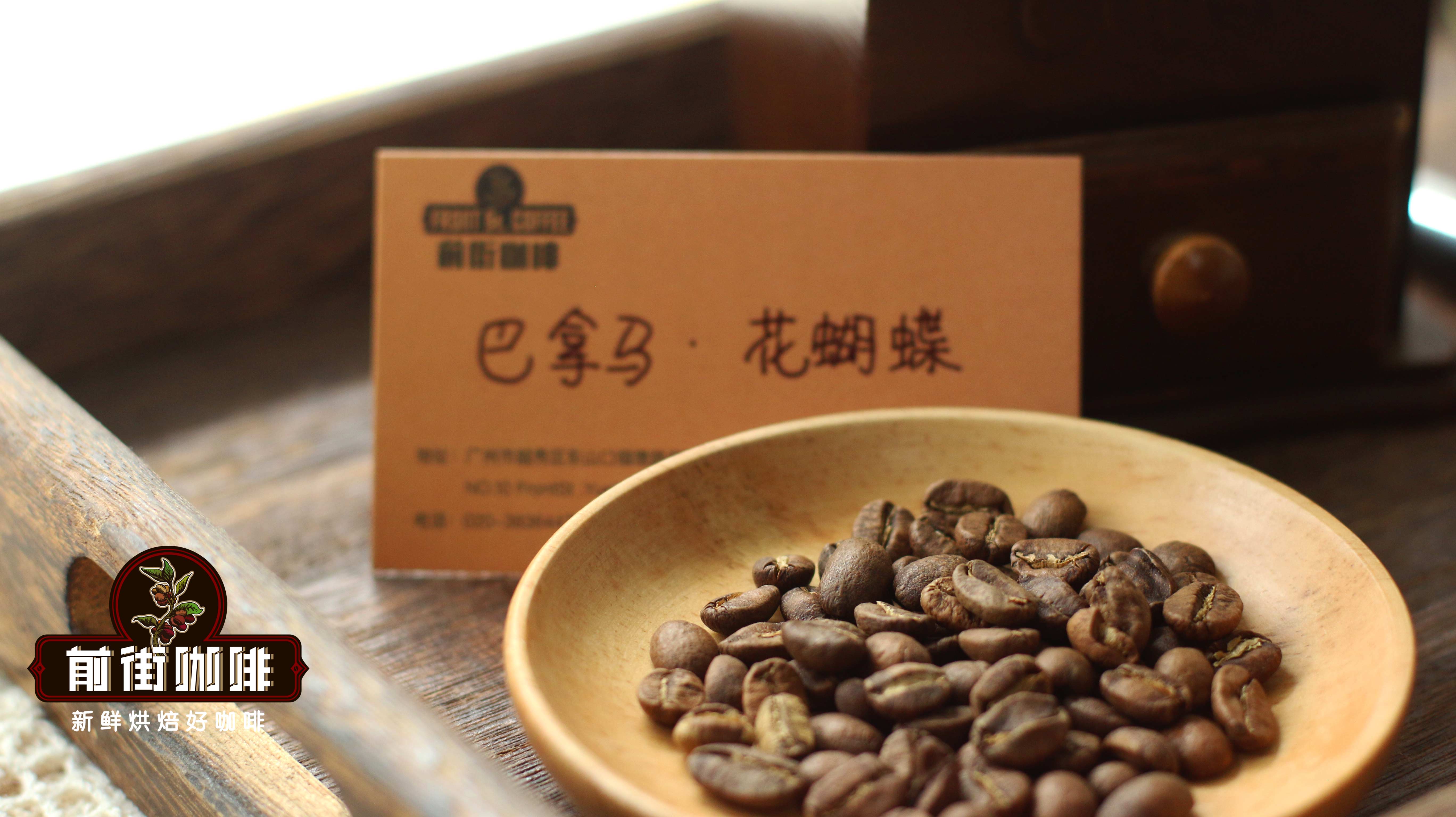
If you’re looking for specific bean recommendations, consider the following: washed-process Yirgacheffe coffee delivers clear notes of citrus, white flowers, and red plum, with bright yet soft acidity; Honduras Sherry coffee, processed through whiskey barrel fermentation, boasts rich lingering notes of vanilla, honey, and dark chocolate; Colombian Sidra, treated with double anaerobic sun-drying, presents intense fruitiness and fermentation notes of passionfruit, grape, and apricot; while Panama Geisha (花蝴蝶) showcases the tea-like body and citrus tones characteristic of the Geisha variety through sun-dried processing. These beans are all highly suitable for cold brew and can express their distinct regional flavors beautifully.

Beyond the traditional pure cold brew, you can also experiment with creative flavoring to add a personal touch. For example, using sparkling water instead of plain water for cold brewing—thanks to the physical effect of bubbles—can enhance the contact between coffee grounds and water, resulting in a more concentrated coffee flavor. Some users report a stronger berry aroma and a slight bubbly sensation in the mouth, adding fun to the experience. However, note that coffee grounds may settle at different rates in sparkling water, so it’s advisable to shake occasionally to ensure even extraction.
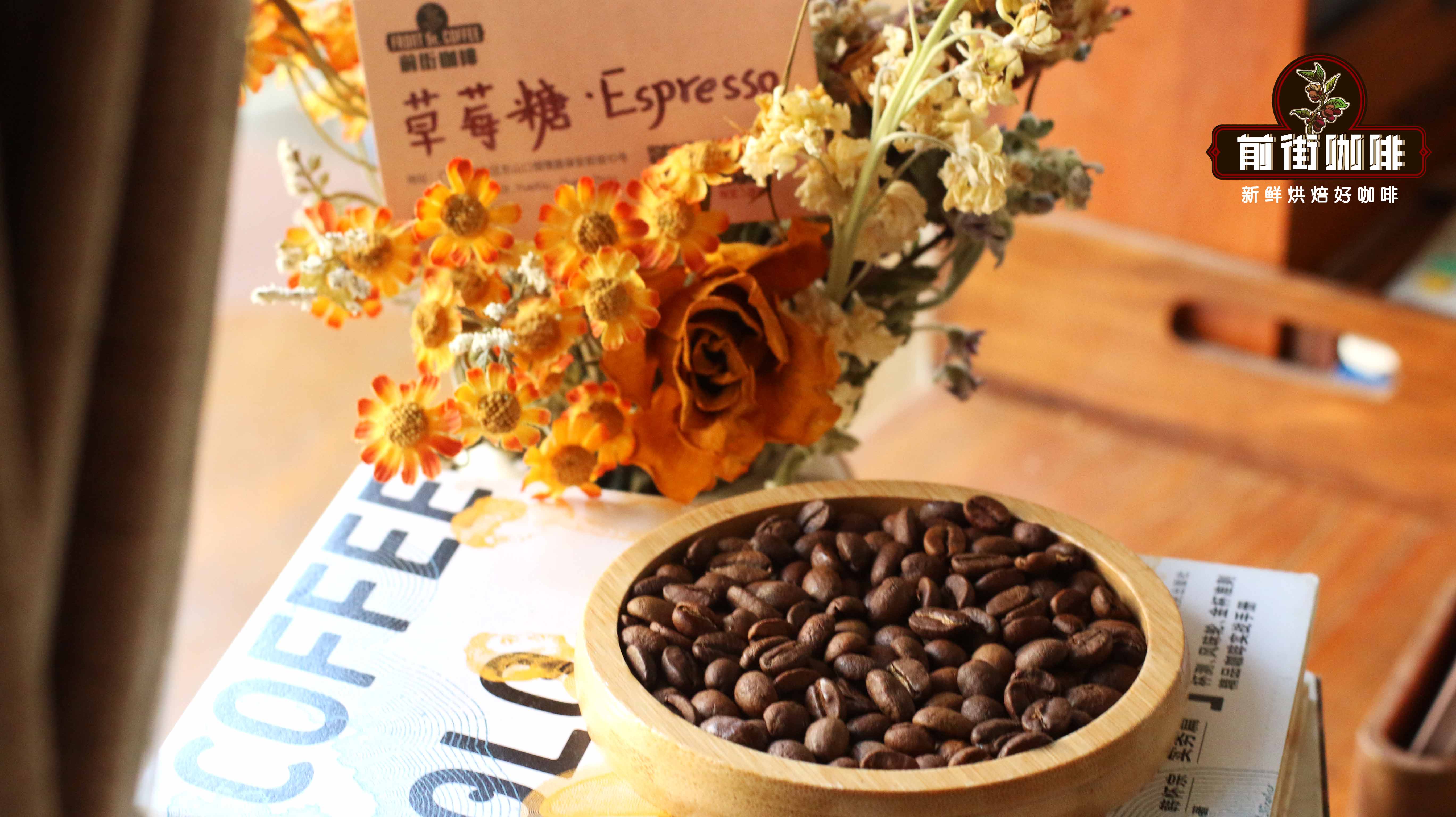
If you prefer milky flavors, cold brew also pairs wonderfully with milk. Cold brew made from light-roast beans is often best enjoyed black to highlight its floral and fruity acidity, while cold brew from dark-roast beans, which already have intense flavors, can be smoothed out with the addition of milk. Depending on the type of dairy used, the mouthfeel varies: blending with fresh milk yields a refreshing taste with a lighter body, whereas using fresh cream or creamer creates a richer, fuller body, ideal for those who enjoy a latte-style drink. Without added sugar, you can still savor the natural subtle sweetness of cold brew harmonizing with the creaminess of milk.
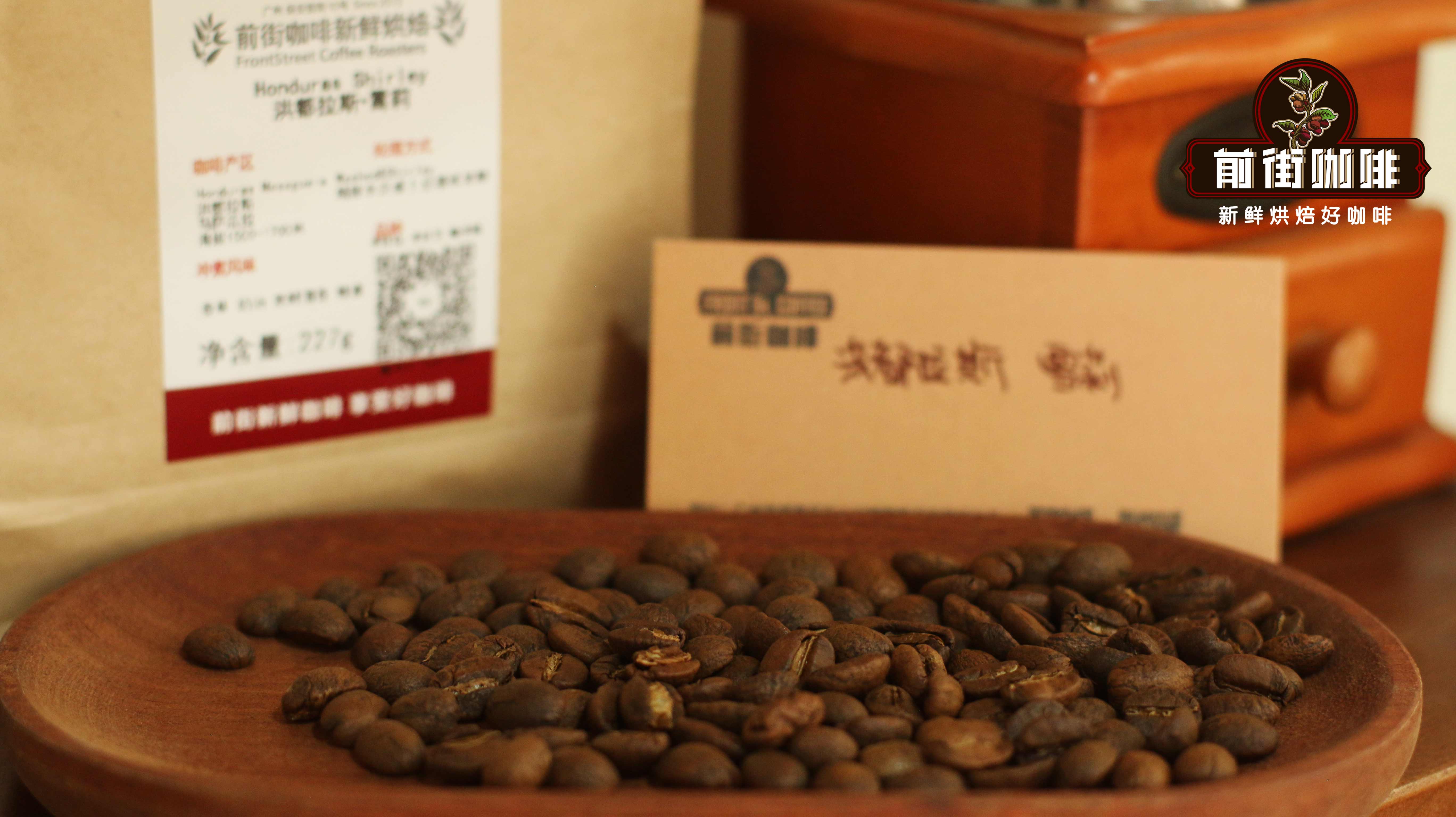
Additionally, for readers who enjoy beverages with a hint of alcohol, you might try adding a small amount of Irish whiskey or brandy to your cold brew—the combination of spirits and coffee offers a whole new taste experience. If you’d rather avoid alcohol, you can opt for coffee beans processed through wine-barrel fermentation, such as Honduras Sherry, which naturally features strong notes of whiskey, cream, and vanilla. No extra alcohol is needed to achieve a similar flavor profile, making it an excellent choice for those who love boozy notes.
In summary, cold brew coffee not only has a low barrier to entry but also, thanks to its refreshing low-acidity qualities, has become a daily favorite for many. Whether you prefer the vibrant fruitiness of African beans or the rich balance of American beans, cold brew can showcase a variety of profiles. Moreover, by adding sparkling water, milk, or alcoholic drinks, you can create your own signature cold brew recipe. With the right bean selection and basic steps, you too can easily enjoy professional-grade cold brew coffee at home.




The above content is compiled by CoffeeHunters, a coffee news website.


