







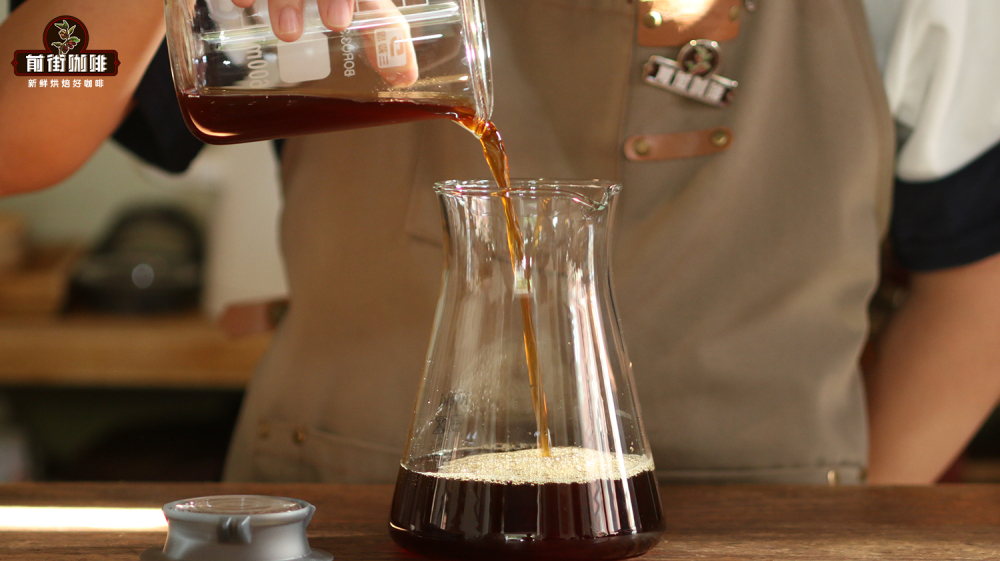
Introduction:Want to try cold brew coffee but don’t know where to start? This article provides an in-depth comparison between cold steeping and ice drip, covering everything from the ideal roast level, grind size, coffee-to-water ratio to steeping time. It offers practical parameters and operational details to help you avoid common pitfalls and extract a cool coffee with balanced acidity, sweetness, and clear flavors using the right method.
There are many ways to brew coffee, and aside from the common hot water method, you can also slowly extract flavors by soaking coffee grounds in cold water—this is what we call "cold brew coffee." Compared to hot-brewed coffee, cold brew presents a distinctly different flavor profile.
Cold brew coffee can be divided into two main types: cold steeping and ice drip.Cold Steep Coffeeinvolves soaking coffee grounds in room temperature or iced water, allowing the flavors to gradually release over time;Ice Drip Coffeeon the other hand, uses dripping ice water to slowly extract the essence of the coffee. Many wonder: "Can cold steep coffee be made with hot water?" The answer is no—using hot water defeats the core essence of cold brew, which must be soaked in cold or iced water under low-temperature conditions to achieve its unique refreshing taste.
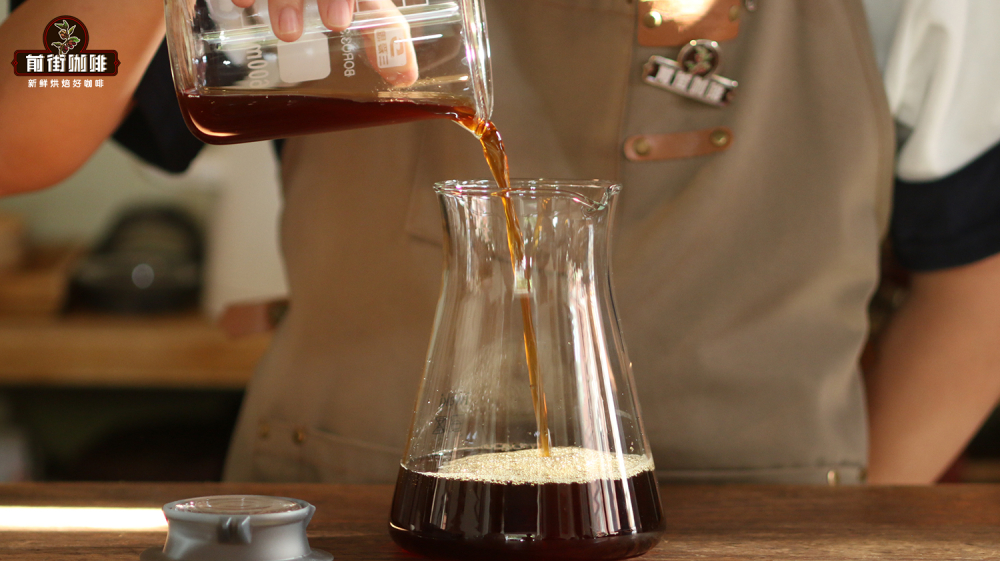
Since cold brew is in contact with water at a low temperature of 4–10°C throughout the process, the extraction speed is slow, making it difficult for large molecular substances that often cause bitterness and astringency to be released. In contrast, flavor compounds such as sugars and organic acids can be more fully extracted during prolonged steeping. As a result, cold brew coffee often showcases a more harmonious acidity, sweetness, and rich body.
To make a cup of cold brew with excellent flavor, the key lies in several core elements: coffee bean selection, grind size, coffee-to-water ratio, and steeping time. Mastering these details allows you to easily achieve professional-level cold brew even at home.
Let’s first talk aboutcoffee bean selection. To avoid failure, it’s recommended to prioritize medium to light roasted single-origin beans, as these beans have a higher margin for error in cold brew and are more likely to showcase bright fruity acidity and layered complexity. Many coffee beans labeled for pour over use are actually well-suited for cold brew. While dark roasted beans may deliver intense roasted aromas and bold finishes in hot brewing, they often end up tasting charred and overly bitter in cold brew, making it hard to present refined flavors.
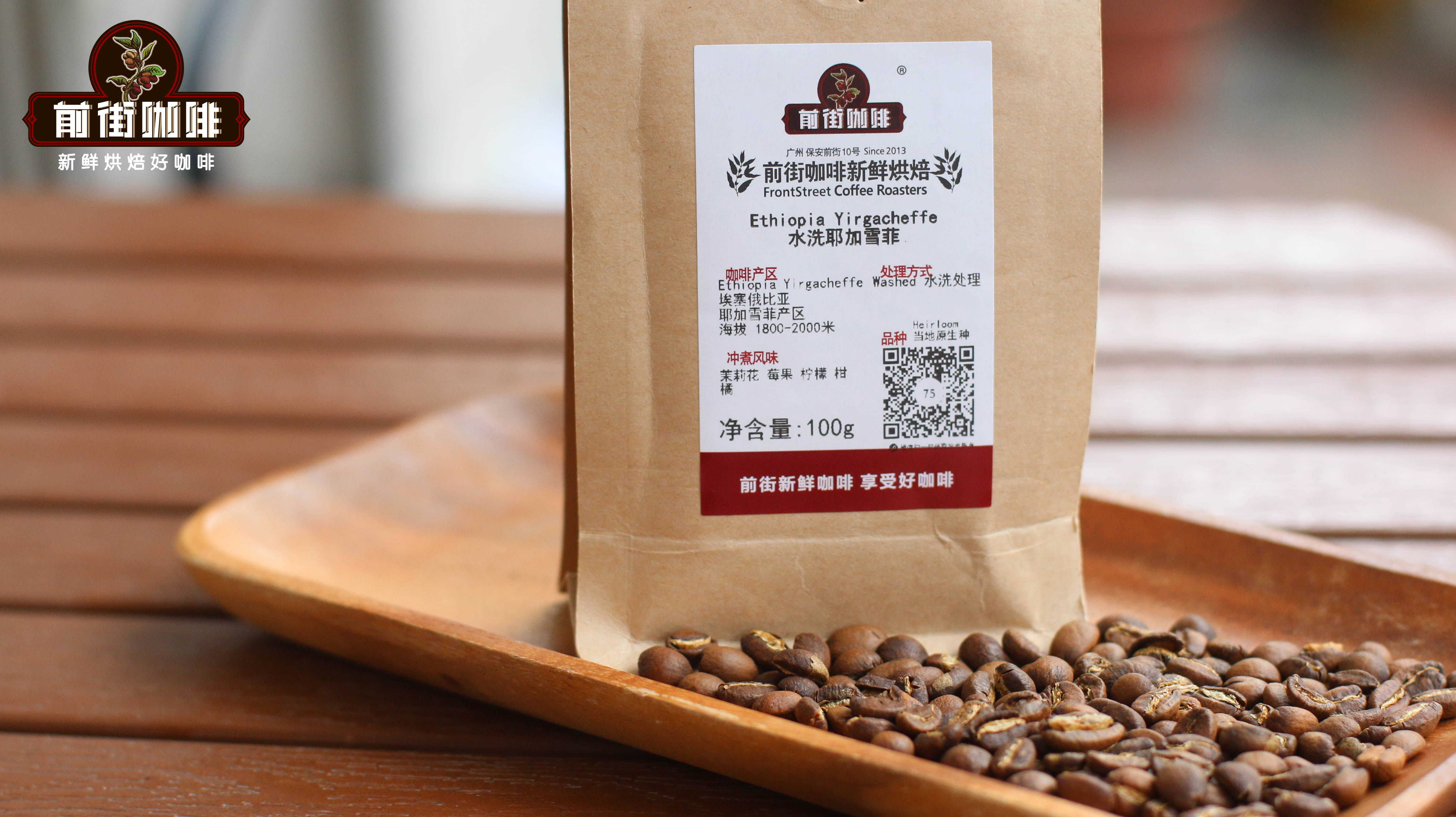
If you prefer a refreshing taste, you can choose lightly roasted washed-process beans, such as those from regions like Yirgacheffe or Kenya, which often have bright citrus acidity and floral notes; if you’re after richer fruitiness and fermentation layers, honey-processed or anaerobically fermented beans, such as certain specially processed lots from Colombia or Brazil, can bring wine-like complexity. For those who prefer a balanced and mellow "true coffee flavor," medium-roasted beans with distinct regional characteristics and moderate acidity but clear layers are a good choice.

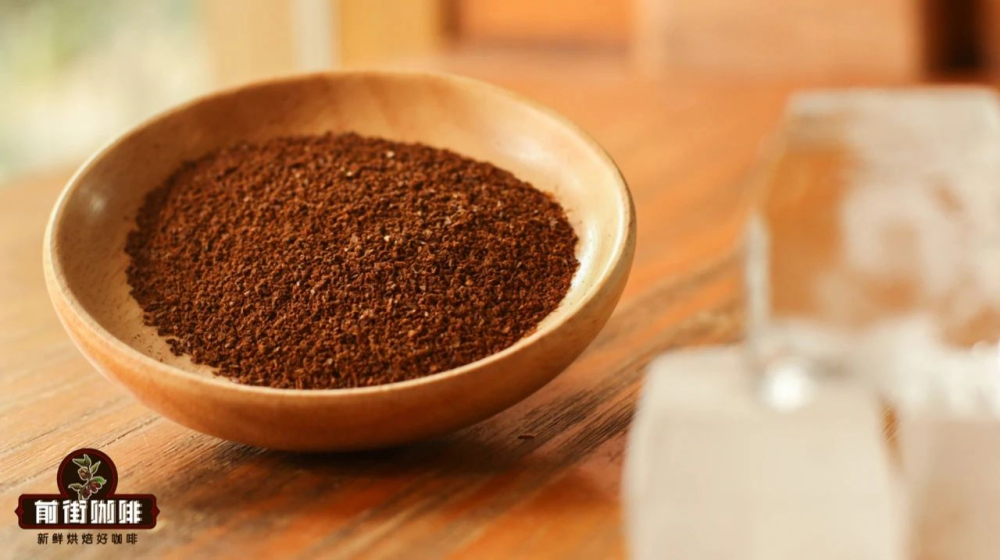
Next isgrind size setting. Since cold brew occurs under low temperatures, the extraction efficiency is relatively low. Therefore, compared to pour over, the requirements for grind uniformity are slightly more lenient, though it’s still advisable to stay within a reasonable range. Generally speaking, the grind size for cold brew is slightly finer than pour over—roughly 75% to 80% passing through a Chinese 20-mesh sieve, visually similar to the coarseness of fine sugar. For example, using an EK43 grinder, this would be around 9.5 to 10 on the scale; if using a hand grinder like C40, it falls between 22 to 26 clicks.
This grind size helps extract the desirable flavor compounds from the coffee over time with cold water, without risking over-extraction.
As forsteeping time, it is one of the key variables affecting the flavor outcome of cold brew. Due to the significantly slower extraction speed in a low-temperature environment, coffee requires much longer than pour over to fully release its flavors. The recommended steeping time range is8 to 18 hours, adjustable based on bean variety, grind size, and personal taste.
Practical testing has found that cold brew steeped for just 6 hours often results in overly thin flavors and insufficient aroma, while coffee steeped beyond 24 hours tends to develop noticeable over-extracted bitterness. Based on multiple experiments,a steeping time of 10 to 16 hoursusually achieves the best flavor balance—moderate acidity and sweetness with rich layers.
Last but not least iscoffee-to-water ratio. Many people, for convenience, simply pour coffee grounds and water into a container to steep, overlooking the importance of precisely calculating the ratio. An appropriate ratio ensures consistent concentration and flavor expression. The recommended range is1:10 to 1:13(coffee grounds weight : water weight). If the ratio is too high, the coffee may become overly strong, in which case you can adjust by adding ice cubes or cold water to dilute.
Based on practical experience, a 1:12 coffee-to-water ratio is an easy-to-start and flavor-balanced option, suitable for most medium to light roasted beans.
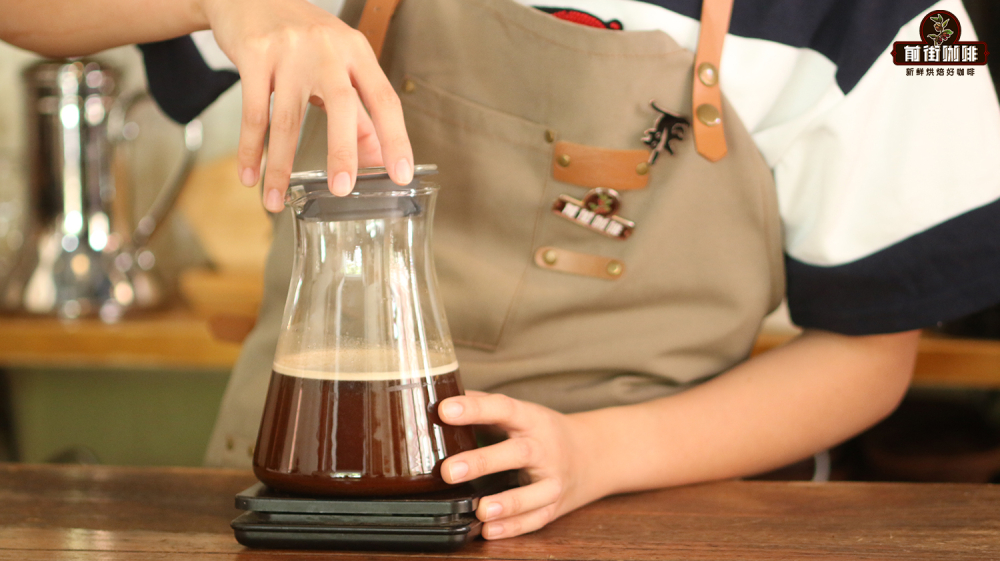
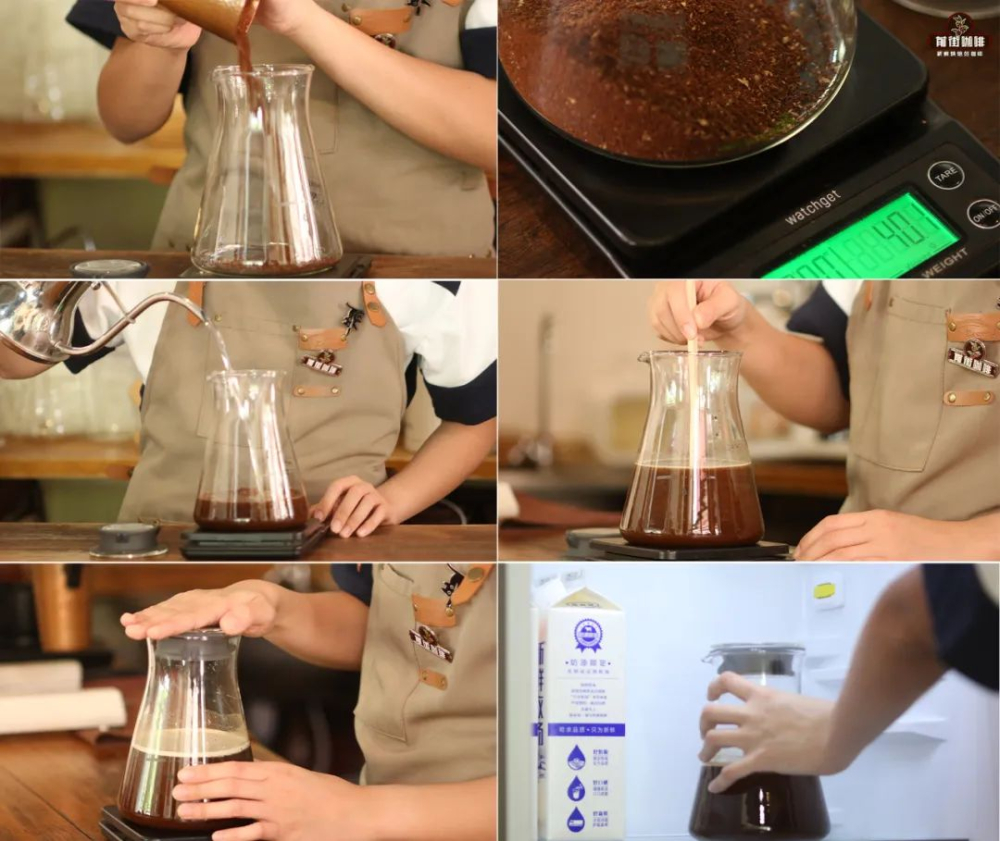
In practice, it’s recommended to use a clean, sealable container. Add ground coffee (e.g., 40 grams) into the container, then pour in 480 milliliters of cold water. Stir gently to mix evenly and cover with a lid. To prevent odor contamination, you can cover with plastic wrap before placing it in the refrigerator for steeping for about 12 hours.
Once the time is up, filter out the grounds to enjoy a clear and smooth cold brew coffee. For a rounder flavor, you can also bottle the filtered coffee and refrigerate for another 4 hours to allow further flavor integration.
It’s important to note that since both cold steep and ice drip are carried out in low-temperature environments, it is recommended to consume the final product withinfive days after preparationto ensure optimal flavor and drinking safety.
The above content is compiled by CoffeeHunters, a coffee news website.


