








Introduction:Cold brew coffee, with its refreshing taste and low acidity, has become a popular choice for summer beverages. This article delves into the extraction principles of cold brew, compares it with hot brew, explores suitable types of coffee beans and grind settings, and provides practical at-home brewing steps and precautions to help even coffee beginners easily make a well-balanced cold brew.
On a hot summer day, being able to enjoy a cool and smooth cup of cold brew coffee at home is undoubtedly a simple form of happiness. Compared to iced pour-over or iced Americano, which require high-temperature brewing, cold brew is extracted entirely in a low-temperature environment. Not only is it easier to make, but it also delivers a crisper and more layered flavor profile.
Generally speaking, about 30% of the compounds in coffee beans are extractable flavor substances, while the remaining 70% are woody fibers that do not contribute to flavor. Within that 30%, excessive bitter components can negatively affect the overall taste, so the ideal extraction ratio falls between 18% and 22%. Moderate extraction preserves acidity, sweetness, and body, but over-extraction can easily lead to unpleasant astringency.
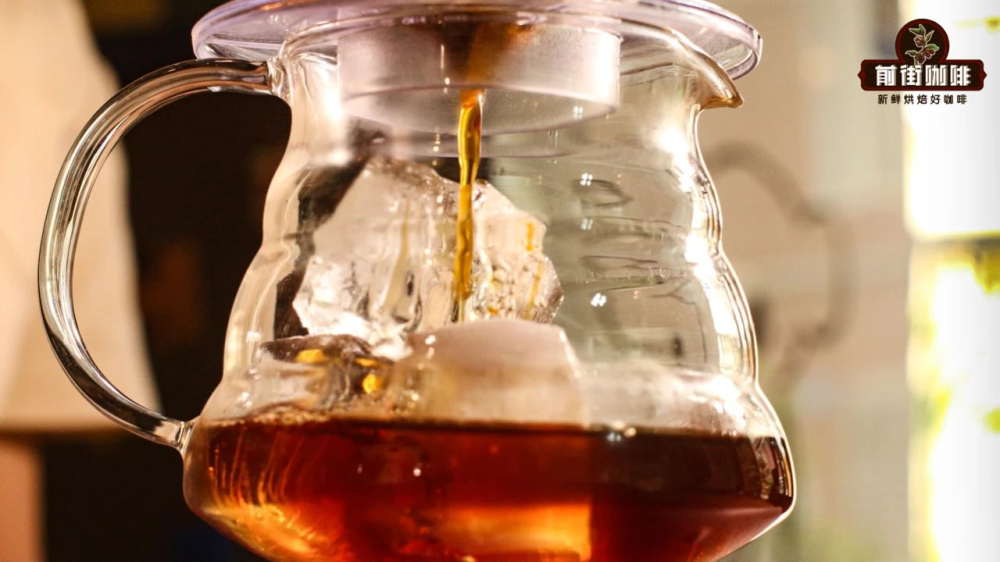
High-temperature extraction accelerates the movement of water molecules, quickly releasing flavors, but it can also lead to over-extraction and bitterness due to improper water temperature or grind size. In contrast, low-temperature extraction, although slower—usually taking 6 to 12 hours—suppresses the release of bitterness and retains more acidity, sweetness, and fruity notes. However, if steeped beyond 12 hours, woody fibers may release earthy off-flavors similar to tree roots, affecting the overall aroma.
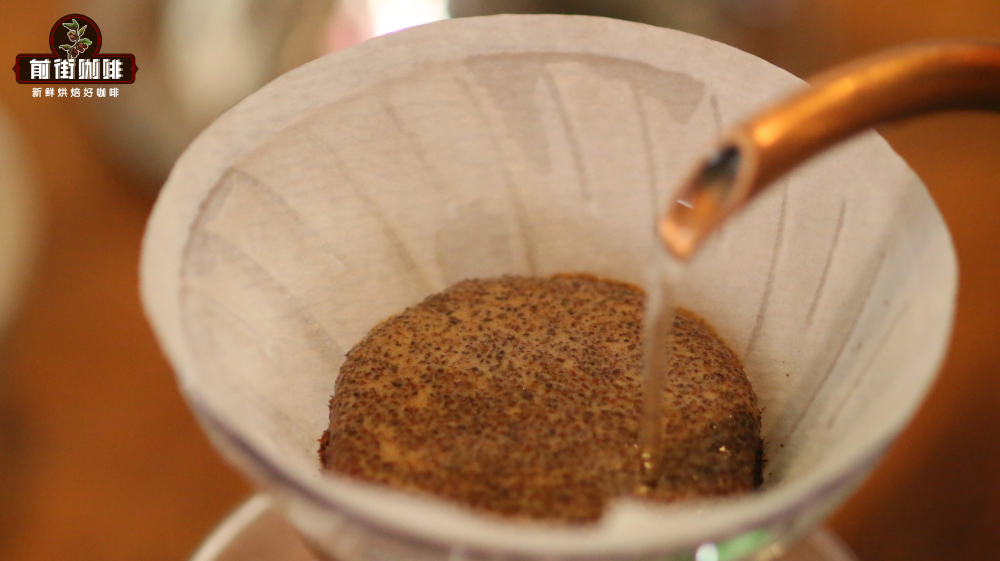
To achieve more complete extraction for cold brew, it is recommended to use a slightly coarser grind than for pour-over. For example, if a particular bean has an 80% extraction rate when used for pour-over, you can adjust it to 75% for cold brew. This adjustment helps avoid clumping issues caused by low water temperature and slow molecular movement, ensuring each coffee particle is evenly exposed to water, thereby improving overall concentration and flavor balance.
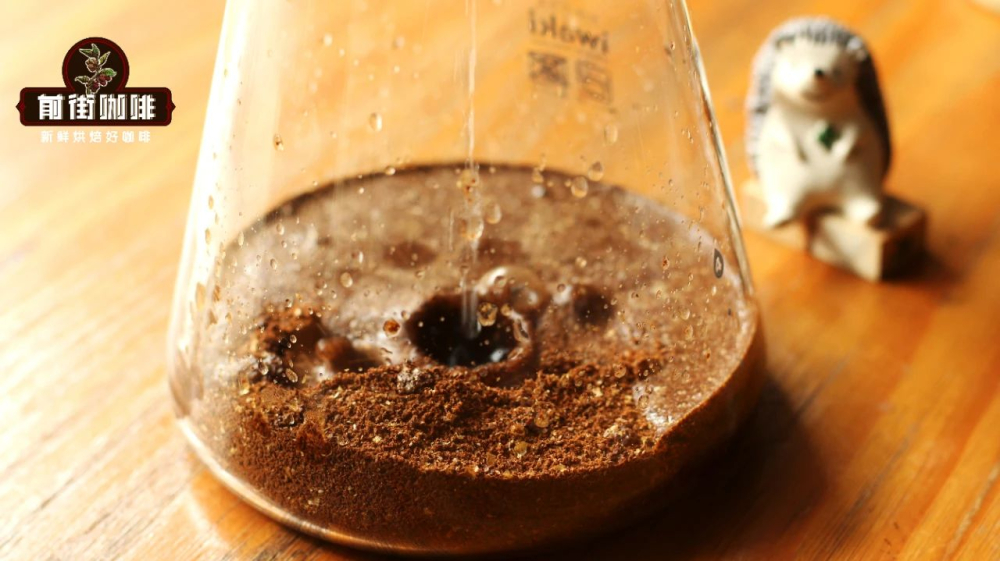
Why does a coarser grind enhance cold brew concentration? This is because in a low-temperature environment, the activity of water molecules decreases, and overly fine coffee grounds are prone to clumping, preventing the inner portions from being fully extracted. Experimental comparisons show that under the same conditions, coarser grinds can yield higher concentrations while reducing the impact of clumping on extraction efficiency.
The tools needed to make cold brew are very simple: just a clean, oil-free, and sealable container, along with filtration materials such as coffee filters, tea bags, high-density mesh screens, or cloth bags. After evenly mixing the coffee grounds with cold water, place it in the refrigerator and let it steep for 8 to 12 hours to complete the basic extraction. A recommended ratio is 30 grams of coffee grounds to about 400 milliliters of water, a 1:13 coffee-to-water ratio. After filtering, you can enjoy a refreshingly flavored cold brew.
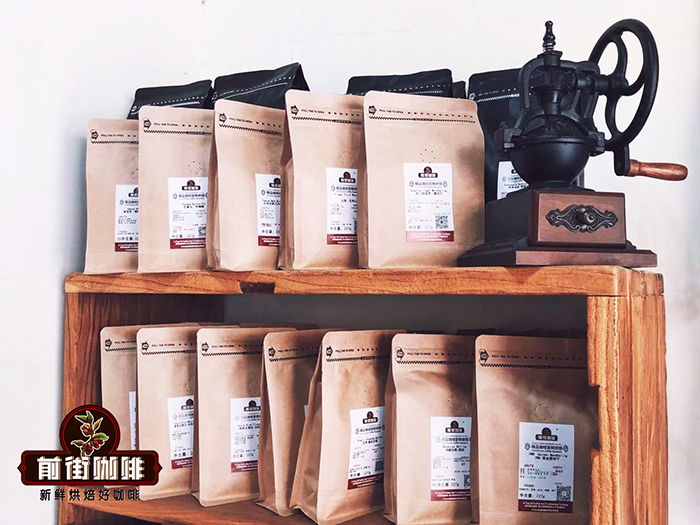
When selecting coffee beans, varieties well-suited for cold brew often feature pronounced acidity and sweetness with rich flavor layers. For example, light-roasted beans from Africa or Central and South America—such as those with berry notes, Geisha blends with floral tea aromas, or beans showcasing dried fruit flavors—are excellent choices for cold brew. Additionally, beans processed with special methods, such as those with white peach oolong notes, fruit-infused wine chocolate, or wine-like aromas, can also deliver delightful surprises.
For coffee enthusiasts who prefer a bolder taste, you can also try using darker-roasted beans, such as Indonesian Yellow Gold Mandheling, Brazilian Yellow Bourbon, or coffees from Papua New Guinea. Cold brew made from these beans often exhibits rich flavors of nuts, caramel, and spices, with a lingering note of dark chocolate sweetness, offering a unique character.
There are a few tips worth noting when making cold brew. First, although freshly roasted beans often bring more vibrant aromas during hot brewing, the cold brew process is relatively static, and the low temperature suppresses the release of carbon dioxide. Therefore, it is recommended to use beans that have been roasted for more than 10 days, which helps achieve a richer and more stable flavor profile.
In addition, no matter which bean variety you choose, keeping the coffee grounds and water evenly mixed is key. Gently stirring occasionally during the steeping process can improve extraction uniformity. It’s also important to filter out as much coffee grounds as possible to avoid affecting the smoothness of the taste. Finally, after brewing, you can adjust to your personal taste—for example, by adding milk, oat milk, or a small amount of syrup—to create your own unique cold brew flavor.

In summary, the charm of cold brew coffee lies in its simplicity, refreshing flavor, and suitability for summer drinking. As long as you master the basics—grind size, coffee-to-water ratio, and steeping time—even beginners can easily get started and enjoy a well-balanced, layered cold brew. By trying different bean varieties and adjusting details, you’ll be able to find the cold brew recipe that best suits your taste.

The above content is compiled by CoffeeHunters, a coffee news website.


