







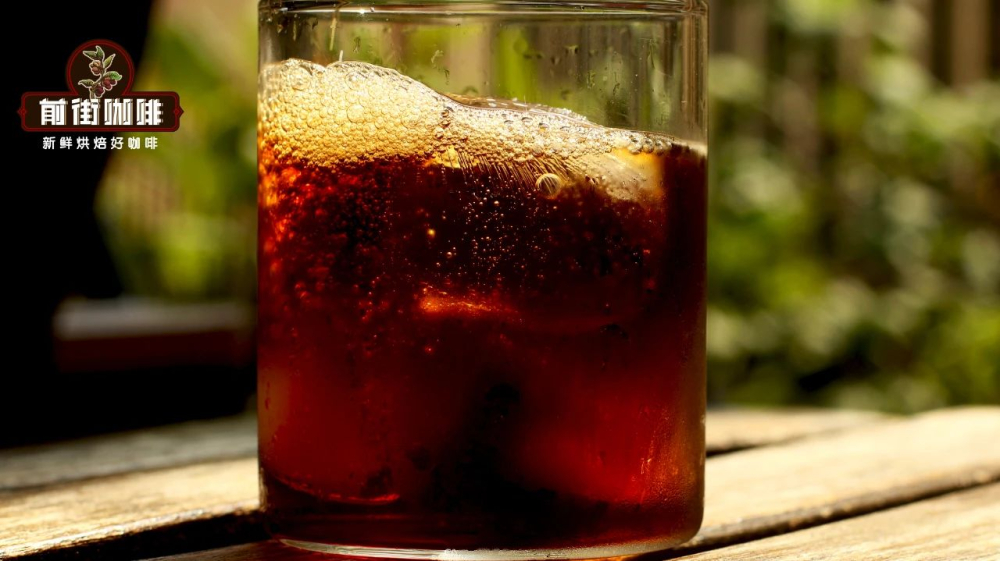
Introduction:Thanks to its low-temperature slow extraction process, cold brew coffee delivers a unique flavor profile that is rich, smooth, and low in acidity, making it a popular choice in the summer. This article provides a detailed comparison of three common brewing methods—cold brew, cold drip, and cold steeping—as well as expert recommendations on grind size and the golden coffee-to-water ratio. It also guides you in selecting the right coffee beans based on your personal taste preferences by exploring the flavor characteristics of different bean varieties, and includes a complete guide to making cold steeped coffee along with key tips and precautions.
Cold brew coffee differs significantly from the traditional method of brewing with hot water. It involves extracting the essence of coffee grounds through prolonged soaking or dripping with cold water. Common methods available in the market, such as cold steeping and cold drip, both fall under this category. However, in some regions, “cold brew” is specifically used to refer to cold steeped coffee, distinguishing it from cold drip—a difference that may stem from linguistic translation variations. The former is referred to in English as “Cold Brew Coffee,” while the latter is called either “Cold Drip Coffee” or “Dutch Coffee.”

Traditional pour over brewing requires precise control of water temperature to regulate extraction efficiency. In contrast, the cold water extraction rate is significantly slower, so achieving the desired concentration inevitably requires more time. As a result, cold brew coffee typically takes 6 to 8 hours to brew. This long-duration, low-temperature process not only extracts more water-soluble flavor compounds, resulting in a richer and fuller-bodied taste, but also avoids high-temperature conditions throughout, which extends its shelf life to 3 to 5 days.
When choosing the roast level of coffee beans, medium to light roasts of single-origin beans are generally recommended. These beans exhibit a fresh and crisp character after cold brewing, making them especially suitable for hot summer days. To determine bean suitability, you can start by looking at flavor labels—the tasting notes recorded during cupping (such as fruity, floral, or fermented profiles) often become more pronounced during cold brewing. Regardless of the brewing method used, the intrinsic flavors of the coffee variety do not conflict with the cold brew technique.
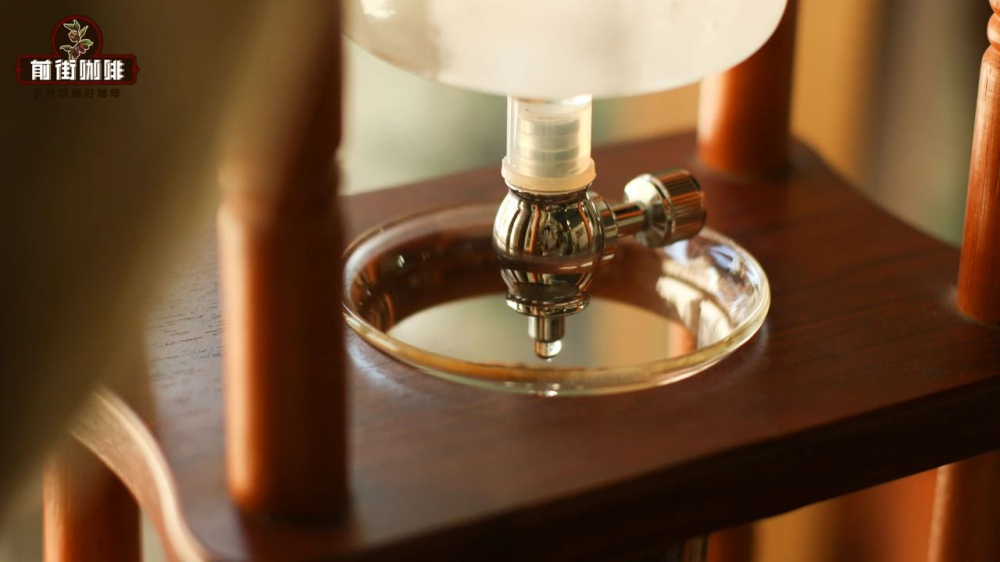
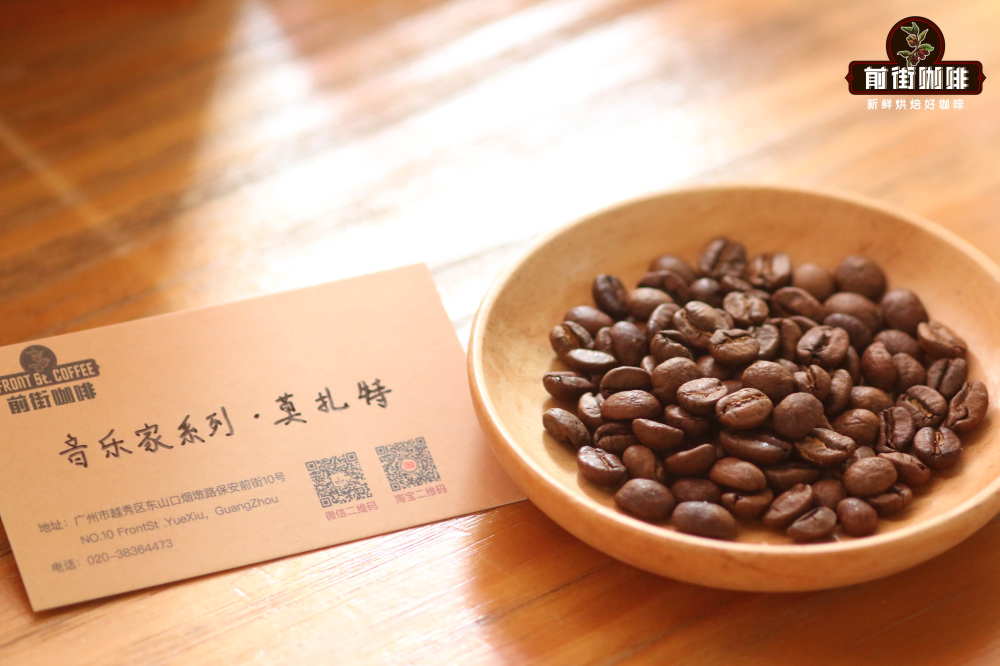
For those who prefer bright acidity and a refreshing mouthfeel, washed-process light roast beans such as those from Yirgacheffe, Guatemala Huehuetenango, or Kenyan origins are good choices. If you’re drawn to fruity and honey-sweet profiles, sun-dried or anaerobic-processed light roast beans (for example, Huagu, Giant Stone Estate’s blueberry series, or Rose Valley) are ideal. For those seeking intense fermentation notes and layered wine-like aromas, specialty beans such as Honduras Sherry, Lichee Lan, Costa Rica Baha, Mozart, or Colombia Flor de Mayo are recommended.
Regarding whether medium to dark roast beans can be used for cold brew, the answer isn’t an absolute no—but most consumers find the bitter notes that emerge in a cold state hard to accept, much like no one would voluntarily choose iced Bing Sha Liang Cha (a bitter herbal tea). Real-world test cases have shown that properly refrigerated Yunnan medium roast cold brew coffee, even after seven days, can still present a full-bodied texture and strong fruity-wine fermentation flavors. This proves that non-acidic beans also have potential for cold brew production, though achieving a great cup requires a higher level of skill.
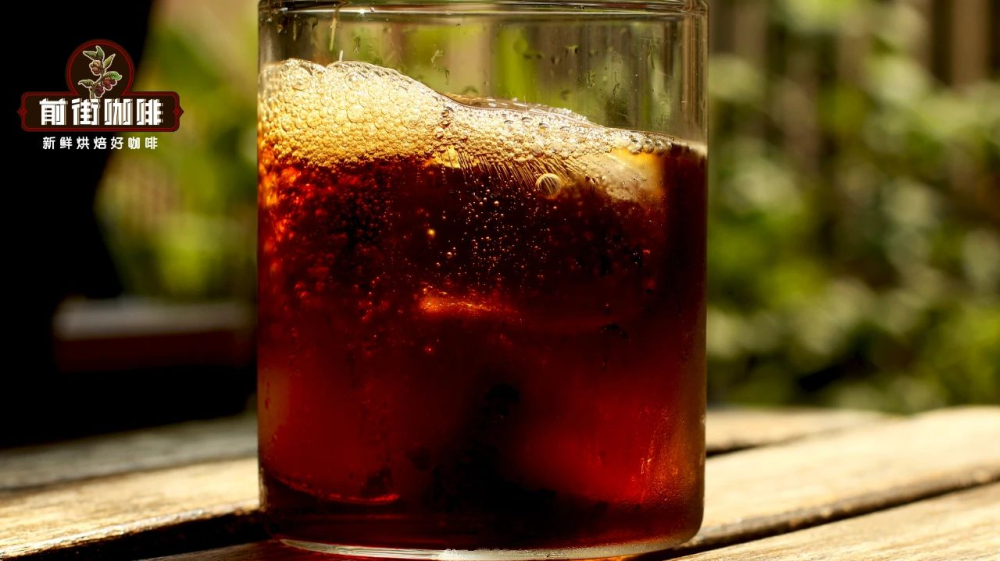
Cold brew coffee production falls into two main categories: immersion brewing (cold steeping) and drip filtration (cold drip), with the latter’s operational details explained in a separate dedicated article. The immersion method requires minimal equipment—a 600ml-capacity container will suffice (if you’re not overly particular, a plastic bottle is also acceptable). The key lies in mastering three parameters: grind size, coffee-to-water ratio, and steeping time.
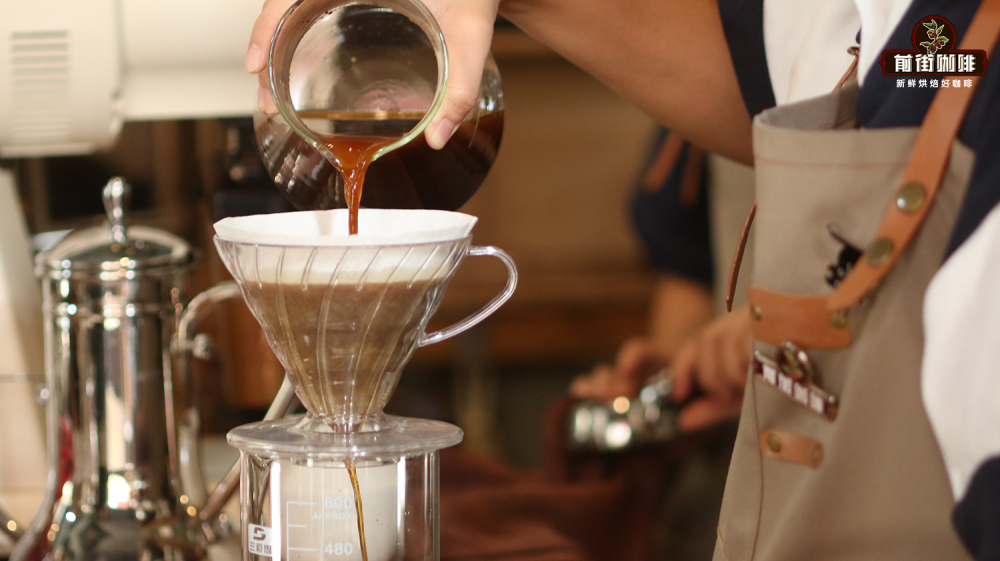
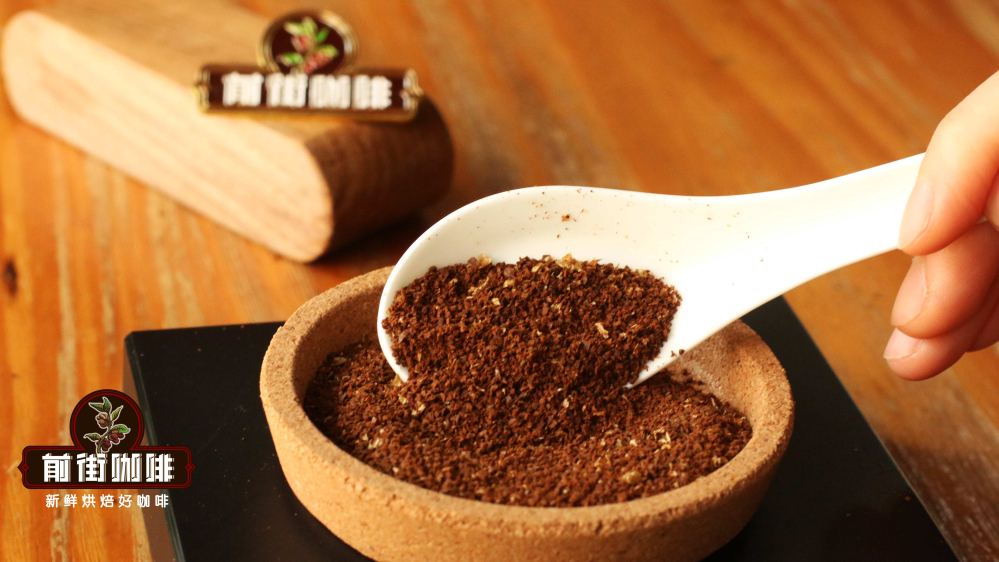
The grind size for cold steeped coffee should be finer than that used for regular pour over brewing, approximately 85% passing through a #20 sieve (close to the texture of fine sugar). The standard coffee-to-water ratio is 1:12. For example, 600ml of water corresponds to 40 grams of coffee grounds (i.e., 480ml of cold water), though you can adjust flexibly according to personal taste. To prepare, place the coffee grounds and cold water into the container, shake gently to ensure even distribution, and make sure all the grounds are fully saturated. Then, place the container in a refrigerator set between 5 to 10 degrees Celsius and let it steep for 12 to 24 hours—the longer the steeping time, the stronger the flavor concentration.
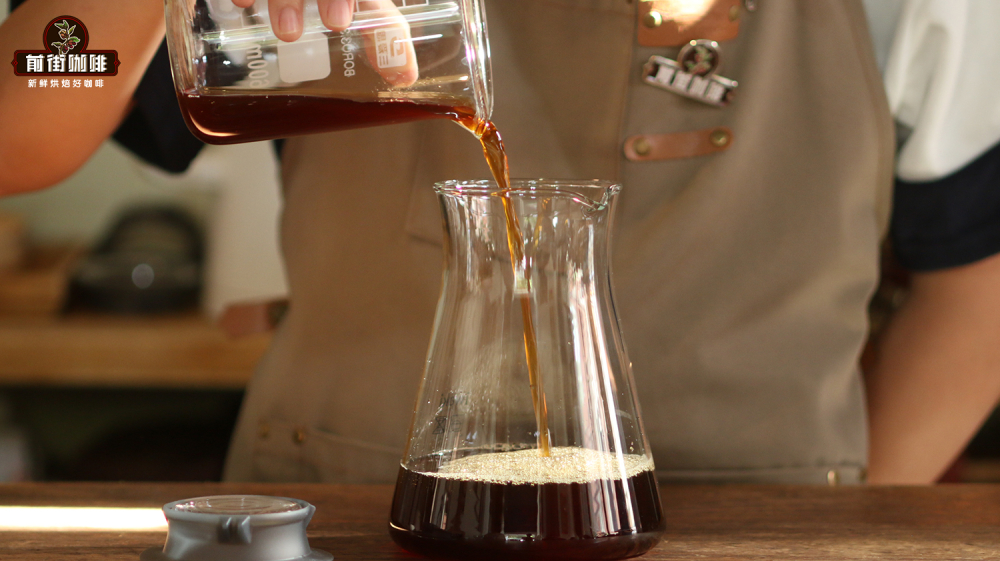
After steeping, simply separate the coffee grounds from the liquid using filter paper or a filter cloth to obtain the finished product. If you want a more concentrated aroma, it’s recommended to let the coffee sit in the refrigerator for another 4 hours before drinking. This step helps further integrate the flavors and enhances the overall drinking experience.
The above content is compiled by CoffeeHunters, a coffee news website.


