








Introduction:Want to enjoy cool and smooth cold brew coffee at home without a fridge? This article will provide a detailed guide on how to make cold brew without refrigeration, including the types of coffee beans suitable for cold brew, the optimal coffee-to-water ratio and grind size, as well as practical steeping time suggestions and shelf life guidance to help you successfully brew a cold brew coffee with balanced flavor and a refreshing taste.
This summer’s extreme heat has been truly unforgettable. Faced with the high temperatures, many coffee enthusiasts have turned to cool beverages, and one of the most popular choices in recent years has undoubtedly been cold brew coffee. This type of coffee, extracted at low temperatures over an extended period, not only showcases unique richness and sweetness but also offers a refreshing mouthfeel, making it highly suitable for summer consumption. If you also want to easily make delicious and professional-grade cold brew coffee at home, follow the steps below to master the key techniques.
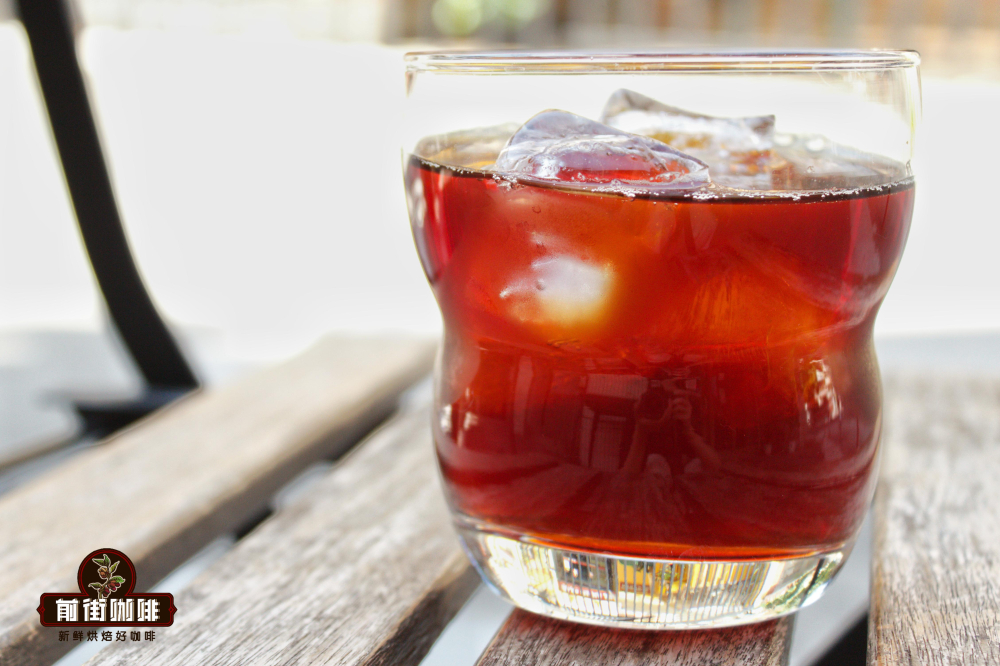
So-called cold brew is actually a simple method where coffee grounds are mixed with cold water and left to steep for several hours before the grounds are filtered out. Compared to traditional hot water brewing, the entire cold brew process takes place in a low-temperature environment (approximately 4–10°C), so bitter substances are less likely to be released. Instead, it better extracts sugars and organic acids from the coffee, allowing the final brew to achieve a good balance between acidity, sweetness, and body.
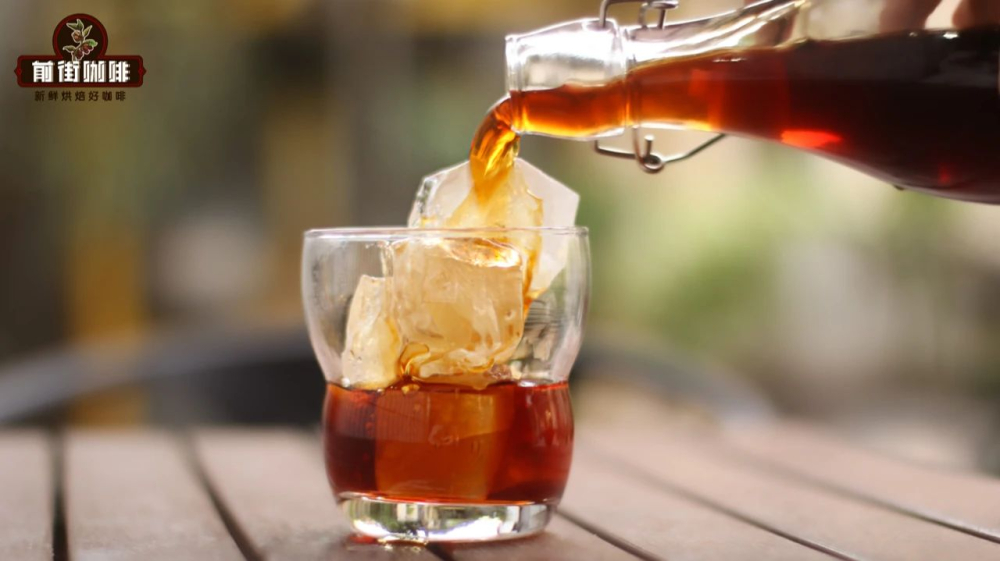
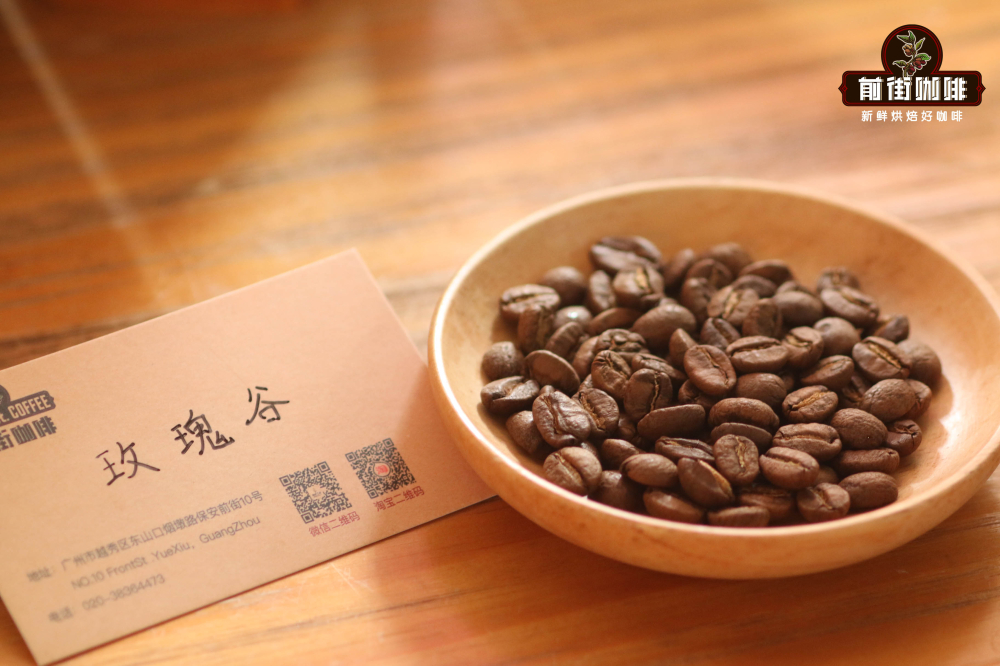
So, which coffee beans are suitable for making cold brew? The wide variety of processing methods and roast levels available on the market can make it difficult to know where to start. In general, any single-origin coffee beans labeled as suitable for pour over can be tried for cold brew. However, it’s important to note that while dark roasted beans can deliver intense and rich aromas when brewed with hot water, they tend to exhibit burnt or charred flavors in cold brew and struggle to showcase subtle flavor layers. Therefore, it’s recommended to choose beans with light to medium roast levels.
If you prefer a refreshing, juice-like taste, you can opt for washed-process light-roast beans, such as washed Yirgacheffe or Kenya AA—these beans often have bright notes of lemon, floral, and citrus. If you enjoy more complex fruitiness and wine-like tones, try Central American beans processed with wine barrel aging or honey processing, such as Colombia Rose Valley or Honduras Lishan. For those who prefer a more balanced flavor without pronounced acidity, consider Papua New Guinea Heavenly Bird, which offers stable and deep flavors.
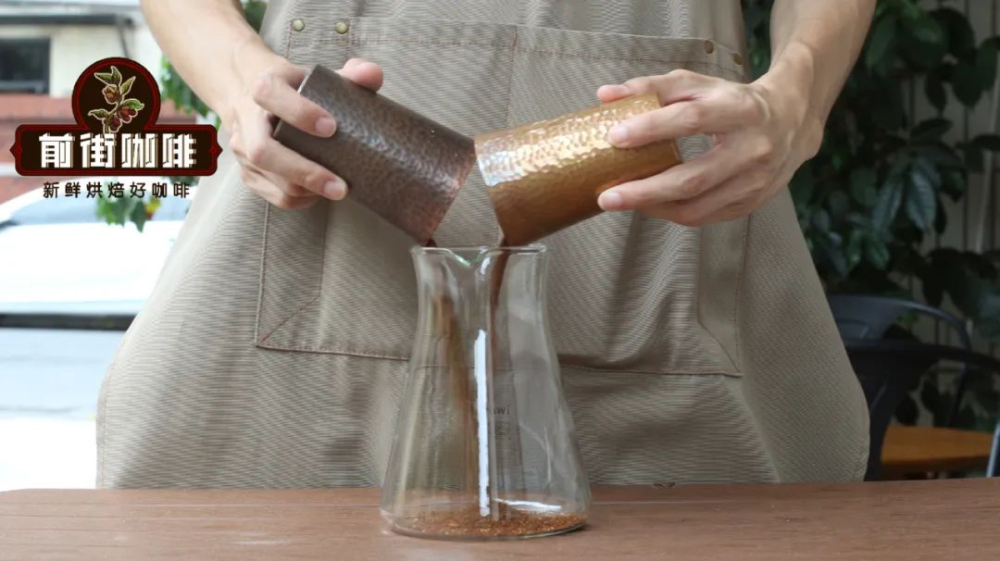
Before starting to make cold brew, there is one very important parameter you absolutely must not overlook—that is, the coffee-to-water ratio. Some coffee beginners, for the sake of convenience, simply toss coffee grounds and water into a container and let it steep, neglecting the impact of the ratio on the final flavor. In reality, an imprecise coffee-to-water proportion is like opening a mystery box, where the taste may vary greatly each time. To ensure stable extraction and excellent taste, it is recommended to control the coffee-to-water ratio within1:10 to 1:13. If the final brew turns out too strong, you can adjust the concentration by adding ice cubes or cold water.
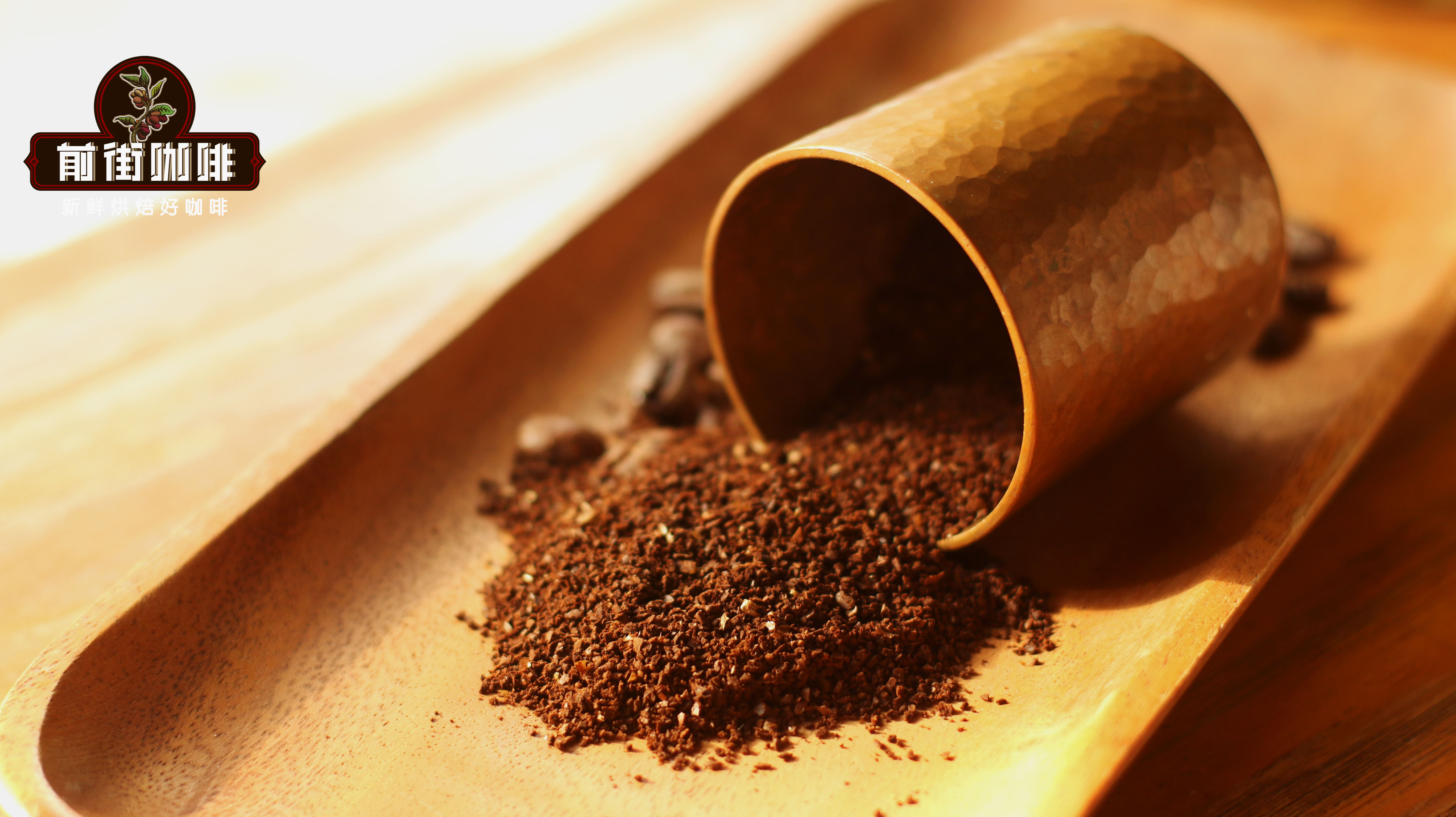
In addition to the coffee-to-water ratio, grind size and steeping time are also crucial factors affecting the flavor of cold brew. Generally speaking, the finer the grind, the faster the flavors are released, but it can also easily lead to over-extraction and produce unwanted woody or hay-like astringent notes. Especially in cold water, fine particles are prone to clumping, resulting in incomplete extraction and poor mouthfeel. Based on practical experience, it is recommended to use a grind size with a 20-mesh sieve retention rate between70% and 85%—a granularity similar to superfine sugar—which achieves a better balance.
As for steeping time, it is generally recommended to set it between8 to 24 hours, with the actual duration adjustable based on grind size. If the grind is finer, it’s advisable to shorten the time to avoid over-extraction; conversely, if the grind is coarser, you can moderately extend the steeping time to fully extract the flavors. Many coffee enthusiasts choose to start brewing with a coarse grind in the evening, let it steep overnight, and enjoy it the next day. After filtering, if you refrigerate it for another night of maturation, the flavor often becomes even rounder.
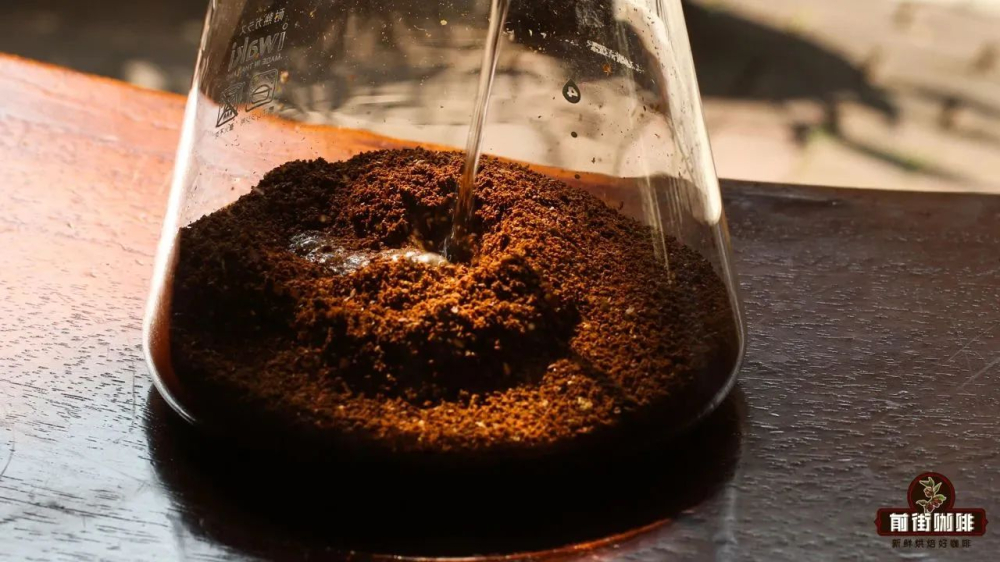
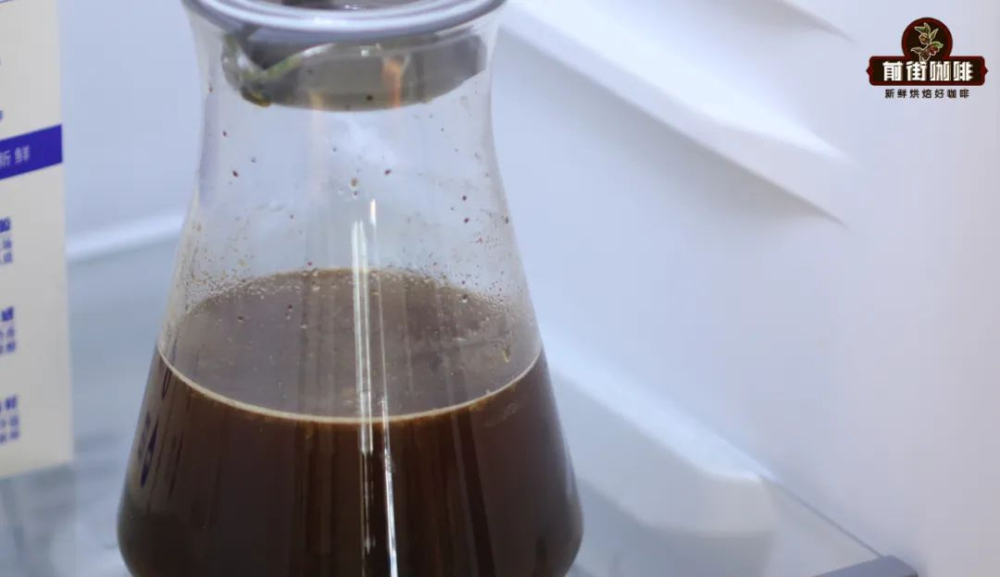
Finally, the shelf life of cold brew coffee is also a common concern. Since cold brew coffee can still slowly ferment at room temperature or in a low-temperature environment, over time it may develop undesirable fermented notes that gradually mask the original aroma of the coffee. To ensure the best flavor and drinking safety, it is recommended to consume the cold brew within3 days after brewing. Although it may not necessarily spoil after 3 days, the flavor performance may significantly decline, so long-term storage is not advised.
The above content is compiled by CoffeeHunters, a coffee news website.


