








Introduction:As summer heat intensifies, iced coffee becomes a go-to drink for many to beat the heat. While both ice drip coffee and cold brew share the trait of low-temperature extraction, they differ significantly in brewing methods, time investment, and flavor profiles. This article dives deep into their differences, provides precise grind size and coffee-to-water ratio recommendations for home brewing, and shares practical tips to elevate flavor — helping you easily enjoy professional-grade iced coffee at home.
On sweltering summer days filled with cicada chirps, a refreshing cup of coffee is a favorite for many. When it comes to iced drip and cold brew — two common low-temperature extraction methods — although loved by many, not everyone can tell them apart. What exactly is the difference between iced drip coffee and cold brew? And how do you master the key parameters for home brewing? Let’s get it all figured out in one go.

Iced drip coffee uses an ice-water mixture that slowly drips drop by drop onto coffee grounds, with the entire extraction process typically lasting 6 to 12 hours. As a result, it offers delicate and layered flavors, but the equipment and time investment are higher, making it relatively more expensive. In contrast, cold brew broadly refers to any coffee extracted using cold or cool water over an extended period, including both iced drip and the more common cold water immersion method. It has a lower barrier to entry and is better suited for home brewing.

The typical setup for iced drip coffee consists of several components, each serving a specific purpose: a water reservoir, a regulating valve, a coffee grounds chamber, a serpentine tube, and a coffee liquid collection container. The water reservoir holds the ice-water mixture, the regulating valve controls the dripping speed, the coffee grounds chamber holds the coffee grounds, the serpentine tube allows for easy observation of color changes, and the bottom container collects the brewed coffee. It is generally recommended to use 60 grams of coffee grounds with a 1:10 coffee-to-water ratio, and a grind size that allows 85% of particles to pass through a Chinese Standard No. 20 sieve. The extraction time is around 6 to 8 hours. The steps include moistening the filter paper in the coffee chamber, adding the coffee grounds and pressing them lightly to flatten, moistening the coffee bed with a small amount of water, pouring in the ice-water mixture, adjusting the dripping speed to 5 drops per 10 seconds, and finally refrigerating the brewed coffee overnight to enhance its flavor.

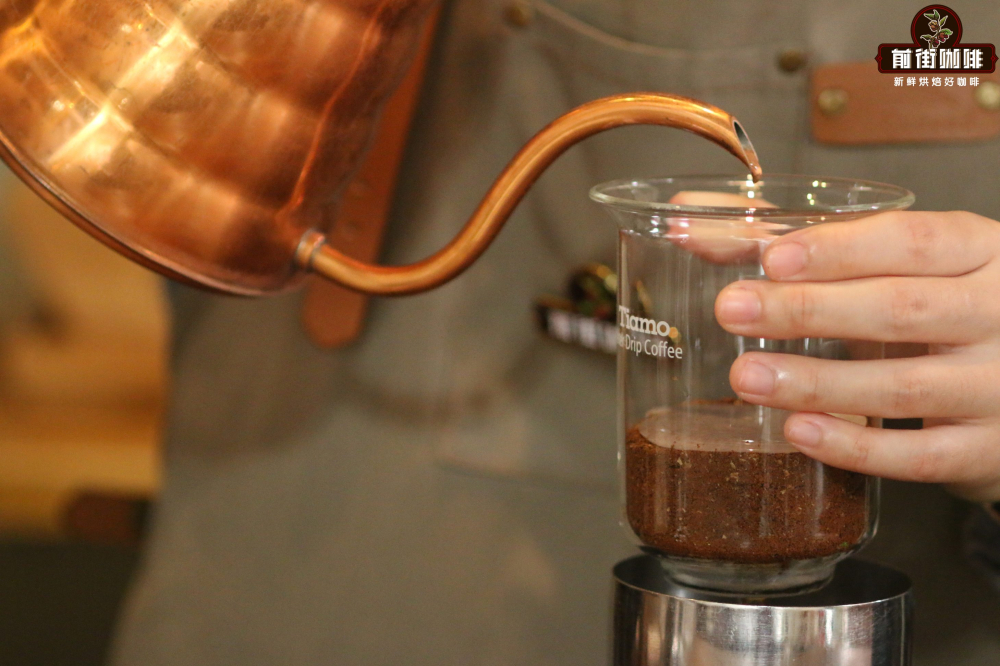
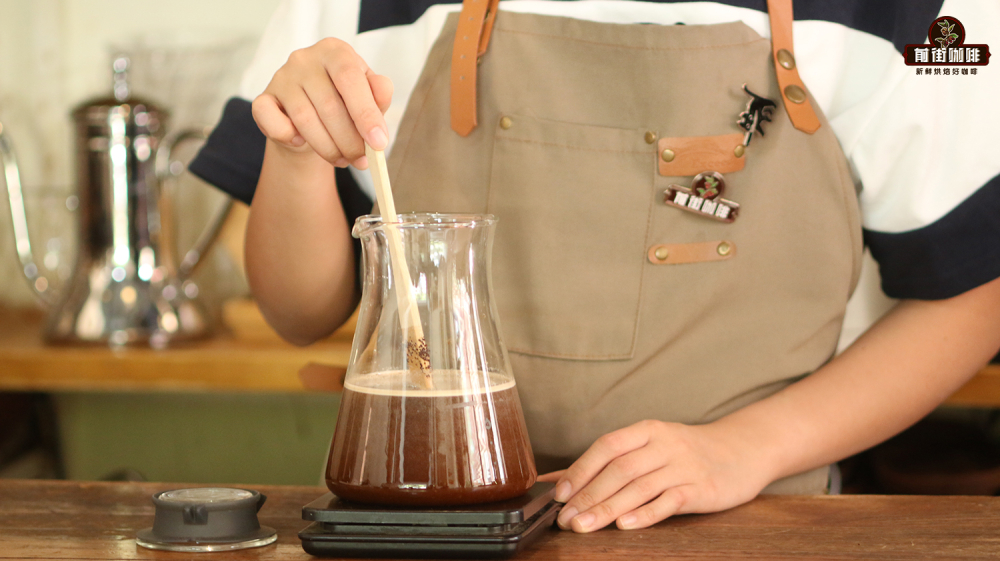
If you find iced drip equipment too complicated, you might prefer the simpler cold brew method. All you need is a sealed container: combine 60 grams of coffee grounds with room temperature water at a 1:10 coffee-to-water ratio, refrigerate for 8 to 12 hours, then filter and refrigerate for another 12 hours before enjoying. This method skips the intricate dripping steps but still extracts the rich, low-temperature coffee essence.

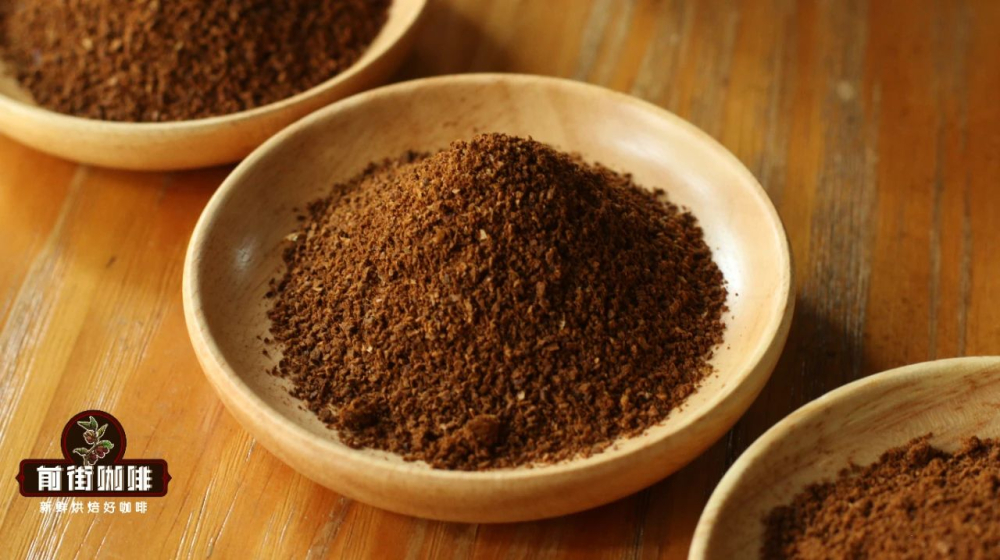
In terms of grind size, since cold water molecules move more slowly, a finer grind than what’s used for pour over is needed to increase contact surface area. But if too fine, it may lead to over-extraction and bitterness; if too coarse, the flavor will be weak. Practical testing shows that a grind size allowing 85% of particles to pass through a Chinese Standard No. 20 sieve strikes the right balance, extracting floral, fruity notes and sweetness while avoiding unpleasant off-flavors.

The coffee-to-water ratio can be adjusted based on personal taste. A 1:10 ratio is a common baseline; those who prefer a stronger brew can shorten the filtration time, while those who prefer a milder taste can let the ice naturally dilute it. The refrigeration fermentation stage is also key — it softens acidity and brings out unique fermented aromas, resulting in a smoother, rounder mouthfeel.
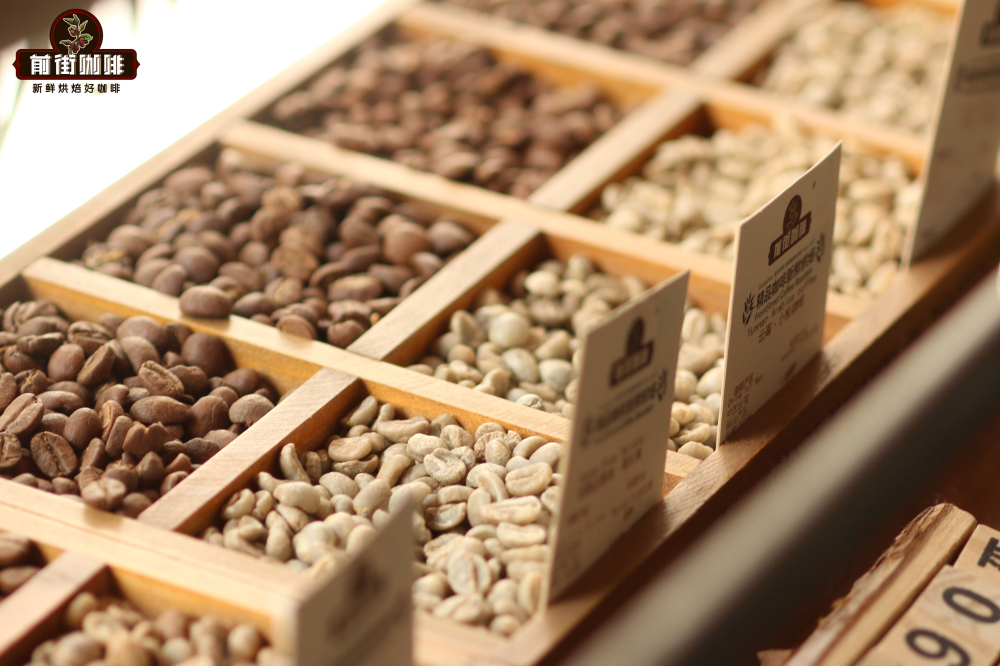
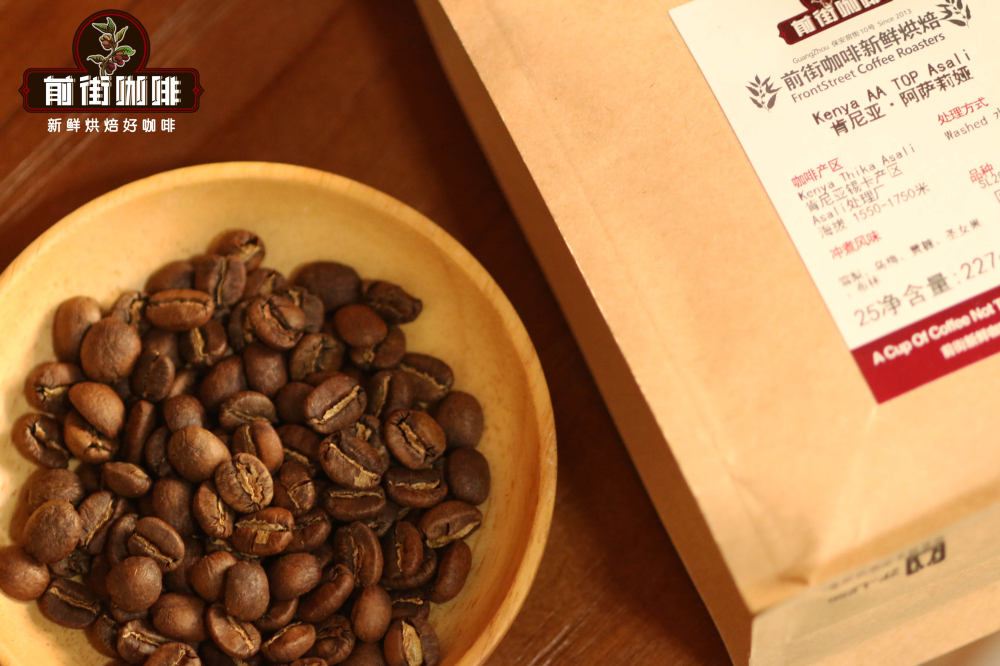
When choosing coffee beans, varieties with bright acidity or distinctive flavor profiles are more suitable for cold brew. For example, the SL28 and SL34 varieties from Kenya, processed via the K72 washed method, exhibit a complex flavor profile of black plum, cherry tomato, and caramel — bright, sweet, and refreshingly cooling. Honduran coffee beans fermented in sherry casks are also a great option, offering wine-like aromas and caramel sweetness.
Whether you opt for iced drip or cold brew, mastering the key parameters and details will allow you to enjoy a professional-grade iced coffee experience at home. From grind size and coffee-to-water ratio to refrigeration fermentation, every step influences the final flavor. Experiment to find your own perfect balance.

The above content is compiled by CoffeeHunters, a coffee news website.


