








Introduction:Both cold drip and cold brew coffee belong to the category of low-temperature extracted coffee, yet each boasts distinct characteristics in terms of brewing techniques, time investment, and final flavor profiles. This article delves into the extraction principles of these two cold-brewed coffees, key parameter settings, and takes you through a comprehensive understanding—from actual flavor profiles and texture differences to at-home brewing steps—to help you choose or try making the one that best suits your personal taste, discovering your ideal iced coffee experience.
Although both cold drip and cold brew are representatives of cold-brewed coffee, they employ fundamentally different extraction logics.In short, cold drip coffee is a drip-filtered extraction method, relying on ice water slowly dripping drop by drop through the coffee grounds; whereas cold brew coffee involves steeping the coffee grounds in cold water, allowing the flavors to gradually release over time. These two methods not only differ in their form of preparation but also in the final flavor and aroma profiles they deliver.

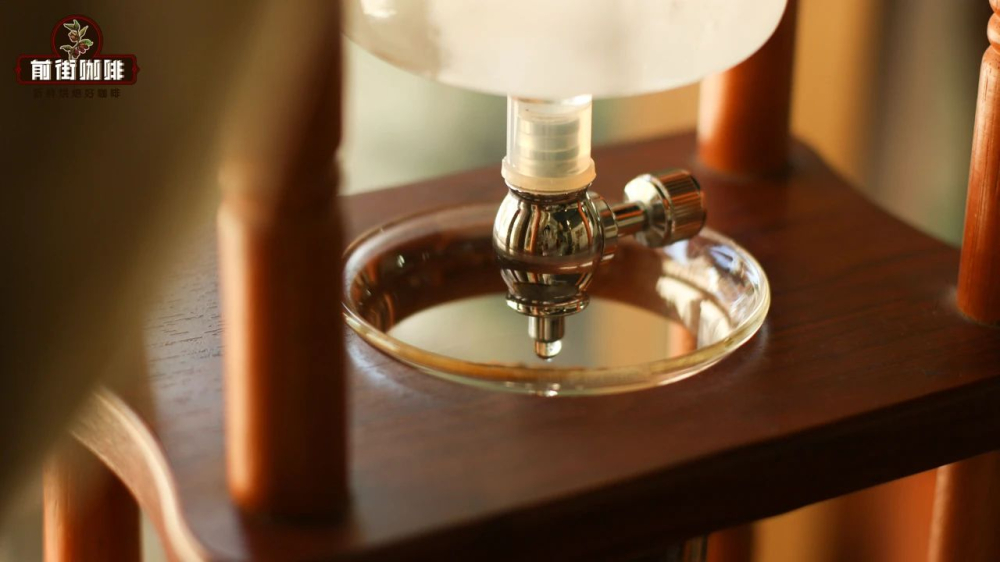
The cold drip process is relatively complex, requiring specialized cold drip equipment. Generally, it’s recommended to use60 grams of coffee grounds, ground slightly finer than for pour over, with a particle size that allows around85% to pass through a #20 sieve. The drip rate should be controlled at7 drops per 10 seconds, with the entire extraction process taking approximately6 hours, yielding about600 millilitersof coffee liquid. After extraction, it’s advised to let the coffee liquid sit in the refrigerator for12 hoursbefore drinking, to allow the flavors to integrate and settle further.
As for the question of ice-to-water ratio, it’s actually sufficient to ensure that an ice-water mixture is used throughout the process. Since cold drip coffee is extracted until the target volume of coffee liquid is collected, any excess ice water in the upper chamber won’t affect the quality or concentration of the final extract.

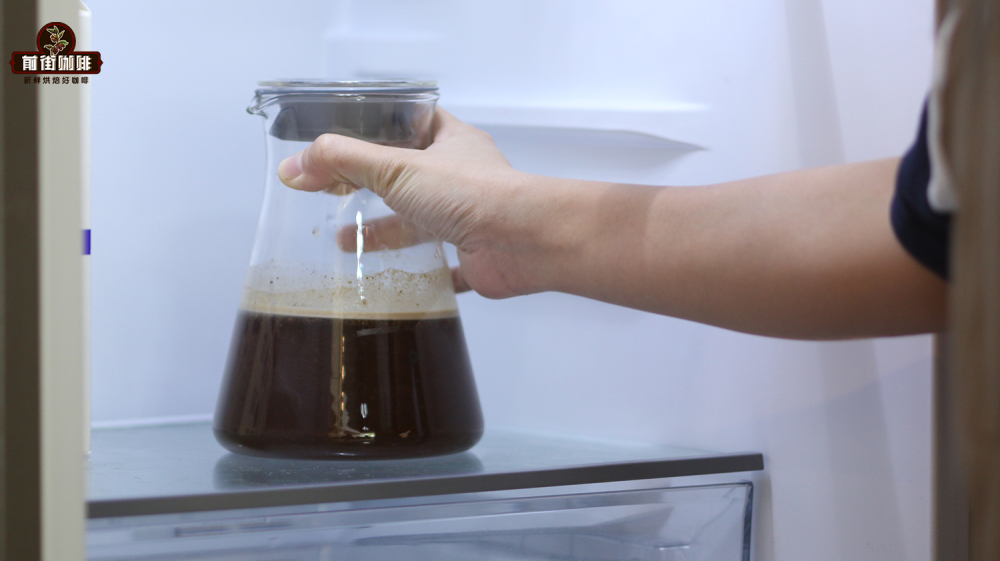
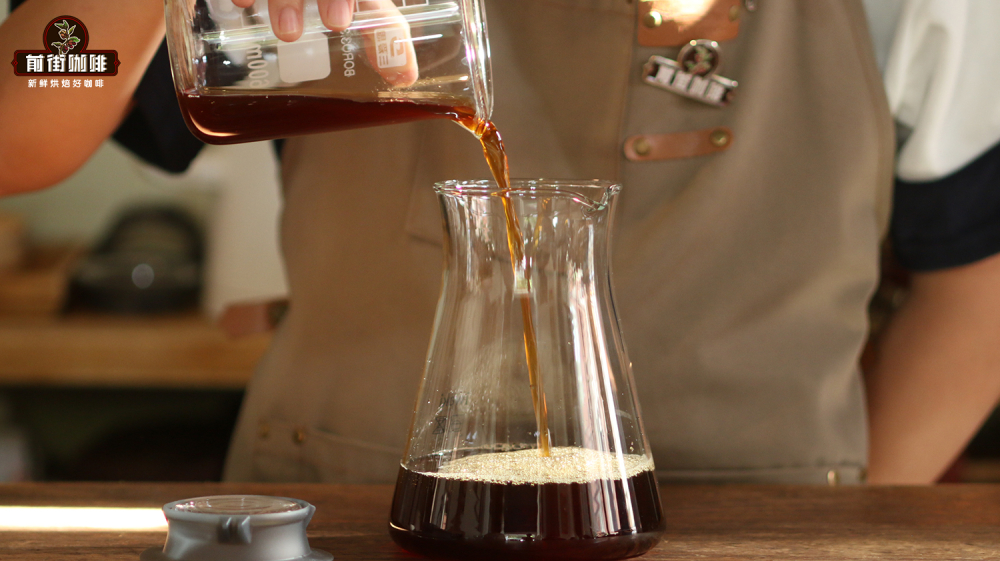
Cold brew coffee, also known as cold steeped coffee, is made by steeping coffee grounds in cold water. The recommended coffee-to-water ratio is1:12; similarly, the coffee grounds are also suggested to be ground slightly finer than for pour over, using the same reference of85% passing through a #20 sieve. For preparation, place the coffee grounds in a sealable container, add the corresponding amount of cold water, shake well, then refrigerate. The steeping time is recommended to be12 hours. Afterwards, filter out the coffee grounds using a cloth, paper filter, or mesh filter. It’s then recommended to let the filtered coffee liquid sit in the refrigerator for another4 hoursto allow the flavors to stabilize and balance before enjoying.

Due to the inherent physical differences in the extraction methods, their visual presentation, aroma, and flavor profiles also vary distinctively.Cold drip coffee usually appears clearer and more transparent, which is related to the lower amount of suspended particles during the dripping process. In terms of flavor, the same coffee beans can also show different personalities when brewed via cold drip versus cold brew.
Cold drip coffee, having undergone prolonged low-temperature extraction and resting, often exhibits a more pronouncedfermented aroma and wine-like undertone, with an overall crisper mouthfeel. Occasionally, one may even detect a hint of berry-like acidity and sweetness, as if it has been uniquely ‘brewed’ overnight.
In contrast, cold brew coffee better highlights the original flavor characteristics of the coffee beans, especially those with prominent fruity notes, preserving rich fruit aromas and sweetness. Its mouthfeel is typically morefull-bodied and consistent, with less noticeable fermentation, presenting an overall smoother and more approachable profile—ideal for those who prefer the ‘pure’ taste of coffee.
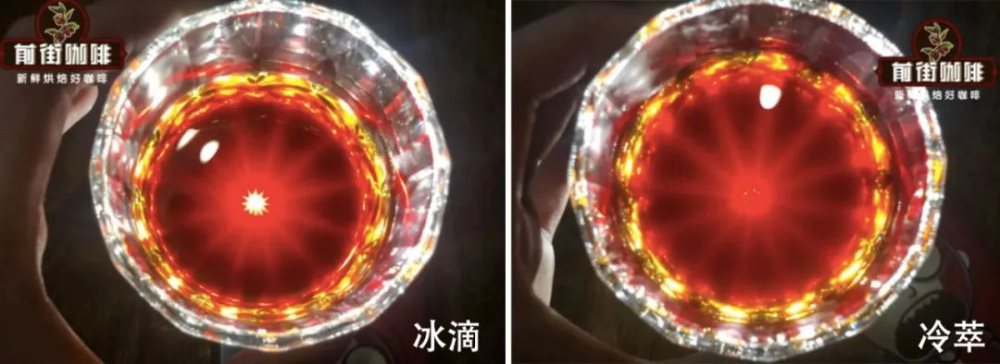
For example, if using a light-roasted washed Yirgacheffe coffee bean, and preparing it using both cold drip and cold brew methods, the flavor profiles would generally be as follows:
Cold drip coffee flavor profile:Overall taste is clean and refreshing, with a strong fermented aroma, a subtle alcoholic aftertaste, accompanied by a slight berry-like acidity and sweetness.
Cold brew coffee flavor profile:The mouthfeel is richer and fuller, the flavor profile is relatively more balanced, with particularly prominent fruity sweetness. The fermented note is not as obvious, resulting in a gentler and smoother overall impression.
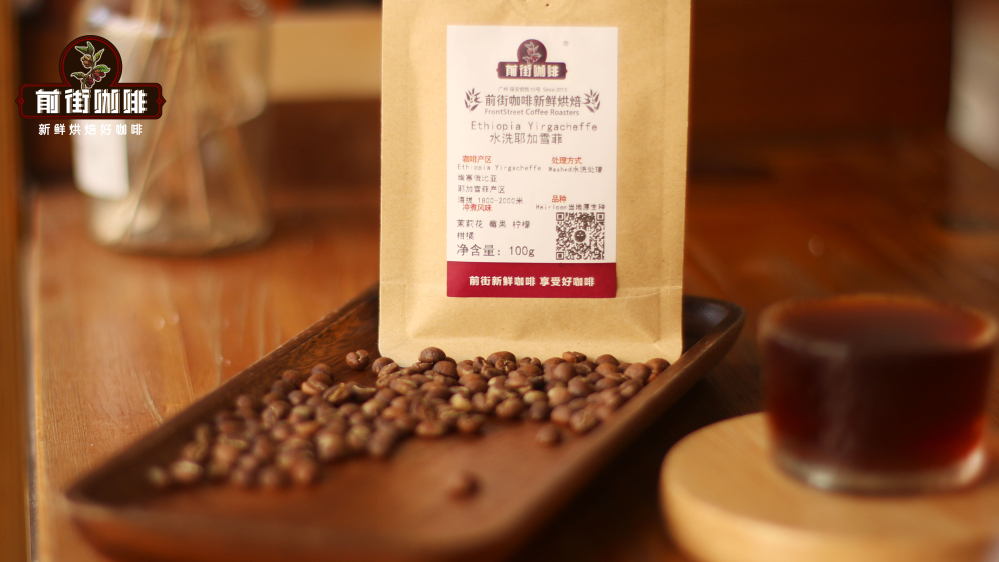
Overall, both cold drip and cold brew coffee have their own unique charms.If you prefer to explore the special fermentation expressions of coffee beans in a low-temperature environment, or wish to experience the distinctive extraction flavors brought by equipment and techniques, cold drip is an excellent choice.Andif you’re looking to enjoy a cup of iced coffee with bright fruitiness and a full-bodied mouthfeel in a simpler, more accessible way, cold brew is the beginner-friendly option.
Whichever you choose, it can bring you a unique coffee experience in the hot summer. Remember to adjust the grind size, coffee-to-water ratio, and time according to your taste preferences, to find your perfect iced coffee recipe.

The above content is compiled by CoffeeHunters, a coffee news website.


