








Introduction:Latte is often many people’s first step into the world of coffee, but crafting a balanced and smooth latte isn’t as simple as just mixing milk with coffee. This article will take an in-depth look at the correct proportions for a latte, common flavor issues such as being too bitter, too light, or both bitter and light, and provide expert recommendations on adjusting extraction parameters. Whether you're new to coffee or a hobbyist aiming to refine your technique, you’ll find practical tips to make your latte taste better, and even answers to common questions like “Can I add ice cubes to a hot latte?”
For many, the memory of their first latte may have faded, but that initial sensation—the slight sweetness and gentle bitterness from the crema, transitioning into a rich and nuanced body, complemented by the soft sweetness of hot milk, and finishing with a hint of creamy chocolate aroma—is often unforgettable.
The ratio of milk to coffee in a truly great latte is absolutely crucial. An imbalanced ratio—for example, adding too much milk to an iced latte after removing the ice—can instantly dilute the coffee flavor. Likewise, a hot latte relies on precise temperature and ratio balance and should never have extra ice added. These details determine the final flavor profile of the latte.

Compared to a delicious latte, people’s descriptions of a “bad latte” are surprisingly consistent—not too bitter, or too light, and sometimes both. Such a taste is usually due to issues with extraction or formulation.
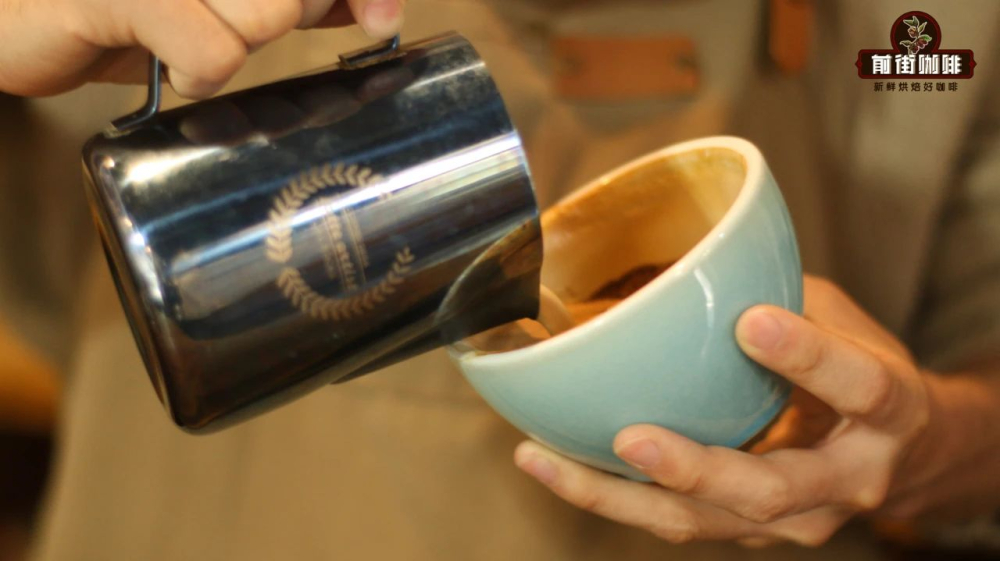
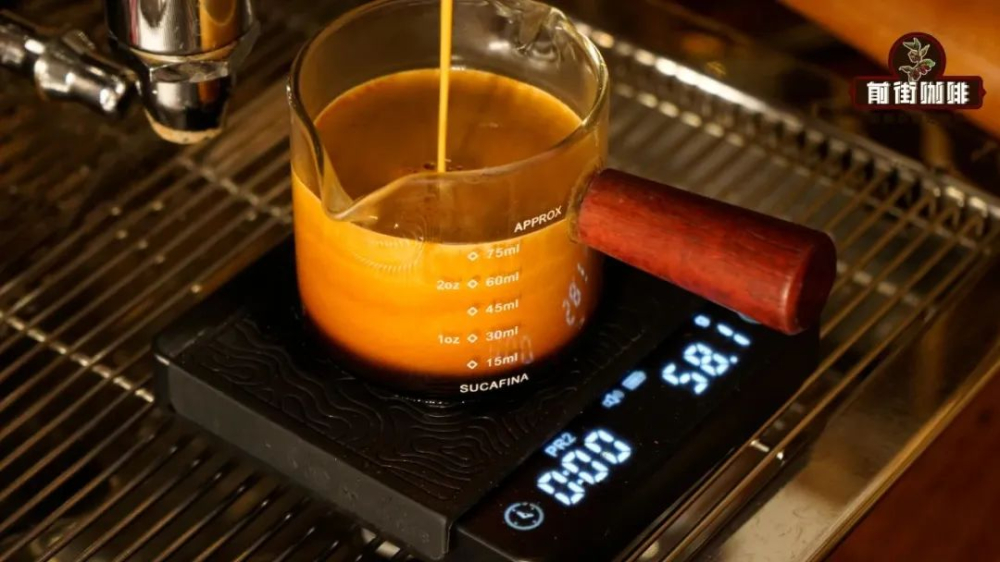
To understand how to make a proper latte, you can start with a classic recipe. Taking a commonly used shop blend as an example, such as beans roasted to a medium-dark level, the target flavor profile is often vanilla, creamy chocolate, and caramel cookie notes. For extraction, you can refer to the standard formula for espresso: a coffee-to-water ratio of about 1:2, meaning approximately 2 grams of coffee liquid are extracted from every 1 gram of coffee grounds, with an extraction time controlled between 25–35 seconds. In practice, if using a double-shot portafilter, it is recommended to use 20 grams of coffee grounds to extract 40 grams of espresso, keeping the time between 27–33 seconds, and ensuring the entire process has a stable flow rate without splashing, channeling, or uneven extraction.
When making a hot latte, it is common to steam 220 milliliters of fresh milk to 55–65°C, with the milk foam thickness controlled at 0.3–0.5 centimeters, and then mix it with 40 grams of espresso at a 1:5.5 ratio. This mixture is poured into a ceramic cup, followed by pulling a clear and well-defined design. This ratio and temperature allow the coffee and milk to achieve optimal balance.

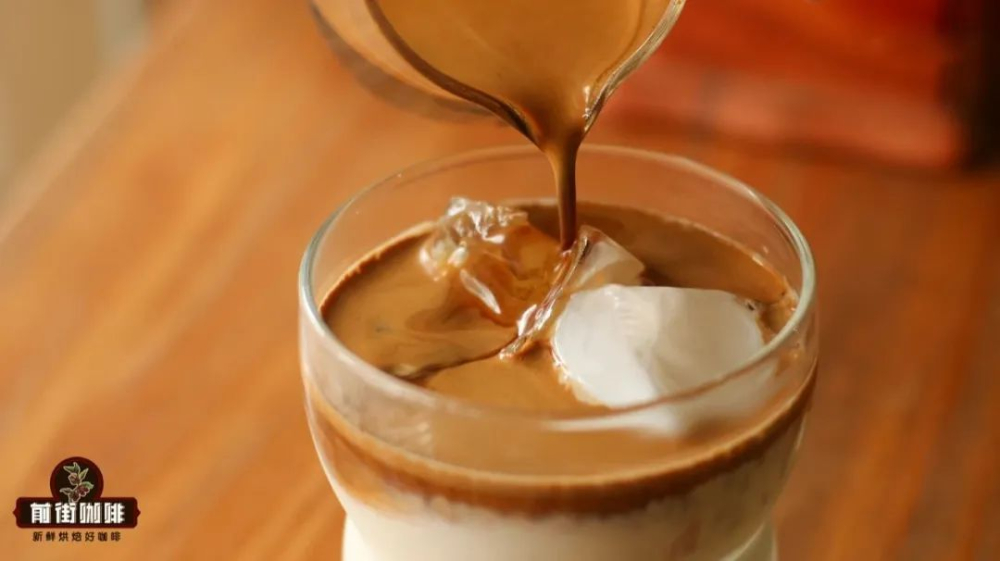
As for iced lattes, many assume they’re just hot lattes with ice added, but the preparation method is actually quite different. To maintain coffee concentration, it’s typical to start by placing 3 ice cubes as a base, then mix the coffee and milk at a 1:5 ratio—pouring about 200 grams of fresh milk first, then drizzling 40 grams of espresso liquid on top. This not only preserves the layered visual effect but also avoids excessive dilution.
In summary, as long as you master the selection of coffee beans, extraction parameters, milk ratio, and temperature, making a balanced and delicious latte is not difficult. On the contrary, if your latte shows obvious flavor flaws—such as being too bitter, too light, or both—it’s usually because something went wrong in one of these steps.

First, what causes a latte to be too bitter? Generally, due to the large amount of milk, a latte shouldn’t be overly bitter. But when you clearly taste bitterness, the issue is mostly with the espresso. It could be that the coffee beans are roasted too dark, or the extraction conditions are improper.
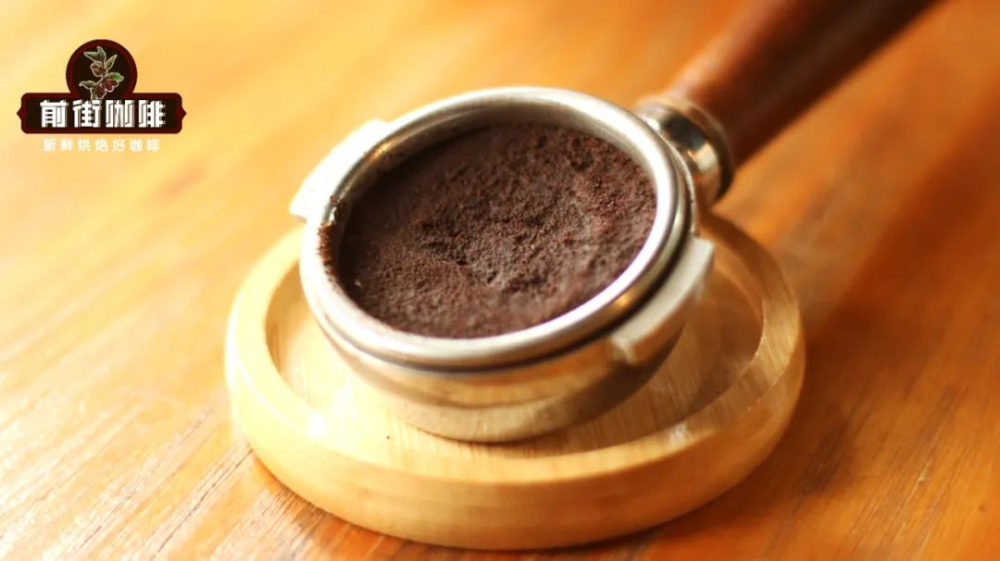
Common problems include a slow flow rate (extraction time exceeding 35 seconds), channeling effects, or splashing liquid columns causing over-extraction. Sometimes, clumped coffee grounds or a pierced puck can also cause channeling, leading to over-extraction and bitterness in some coffee particles. In such cases, adjusting the grind to be coarser or breaking up clumped coffee grounds beforehand can help improve the situation.
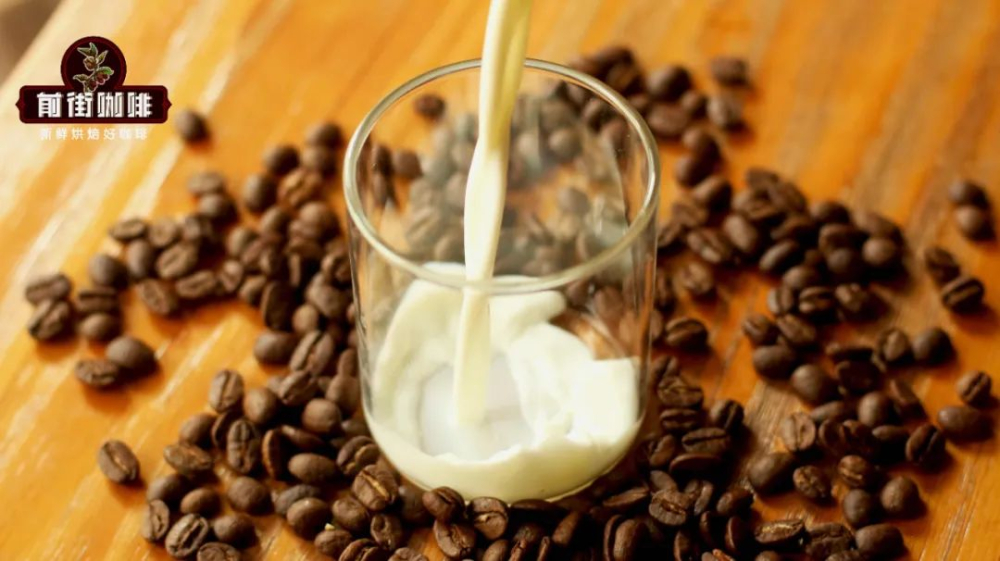
So, what should you do if your latte tastes too watery or too light? This usually relates to both the milk and the espresso. First, it’s recommended to use whole fresh milk, as its higher fat content produces a thick and stable foam, giving the coffee a fuller body. In contrast, low-fat or skim milk not only yields poor foam but also makes the overall taste thinner.
Additionally, if you’re using a light-roasted SOE (Single Origin Espresso), it can easily result in a weak latte flavor due to its inherent characteristics combined with under-extraction, tasting like a cup of lightly fruity hot milk lacking complexity. When making lattes with SOE beans, it’s important to pay special attention to extraction time and coffee-to-water ratio to avoid it being too bland.
As for why some lattes exhibit the contradictory taste of being both bitter and light, this is usually related to a darker roast level. The later-stage compounds in dark-roasted beans often carry bitterness, woody, or off-flavors. If combined with a high extraction rate, it can easily lead to over-extraction. Although the bitterness is noticeable, the overall concentration decreases due to a higher water ratio.
For example, sometimes using 18 grams of coffee grounds to extract only 40 grams of coffee liquid, with a ratio of about 1:2.22, not only results in strong bitterness but also reduces the overall richness of the coffee. In such cases, it’s recommended to reduce the extracted liquid weight, for example down to 35 grams, which helps enhance concentration while avoiding over-extraction, resulting in a thicker and more balanced latte flavor.

In conclusion, the key to a delicious latte lies in the selection of coffee beans, precise control of extraction parameters, the pairing of milk quality and ratio, and mastery of temperature. Whether you’re just starting out or already have some experience, making adjustments in these areas can significantly improve the flavor performance of your latte, bringing each cup closer to the ideal balance and deliciousness.
The above content is compiled by CoffeeHunters, a coffee news website.


