








Introduction:Want to brew a rich and aromatic latte at home that rivals those from coffee shops, but always end up with bitterness or overly strong milk flavor? The key lies in material selection and ratio adjustment. This article delves into the perfect pairing of medium-dark roasted beans and milk, provides professional-grade espresso extraction parameters, and teaches you how to find your ideal milk-to-coffee ratio, ensuring every cup of latte achieves a balanced and mellow flavor profile.
With autumn and winter arriving, hot lattes once again become a top choice for a comforting drink. However, many people encounter issues when making it at home—the flavor is often not as expected—either the coffee is too bitter or the milk overpowers everything. In truth, the secret to a memorable latte lies not just in the steps, but more importantly, in the precision of material selection and ratios. Below, we’ll break down in detail how to craft a rich yet balanced latte through the right bean variety, milk, and technique.

The term "latte," as the name suggests, is a combination of milk and espresso. But to bring out the rich yet non-bitter layers of this simple pairing, both material selection and preparation techniques are essential. Many focus on “how to combine” them, but overlook the fact that “choosing the right materials” is the foundation of deliciousness. Especially in a latte, where the proportion of milk is very high, the roast level and flavor characteristics of the coffee beans directly impact the final result.
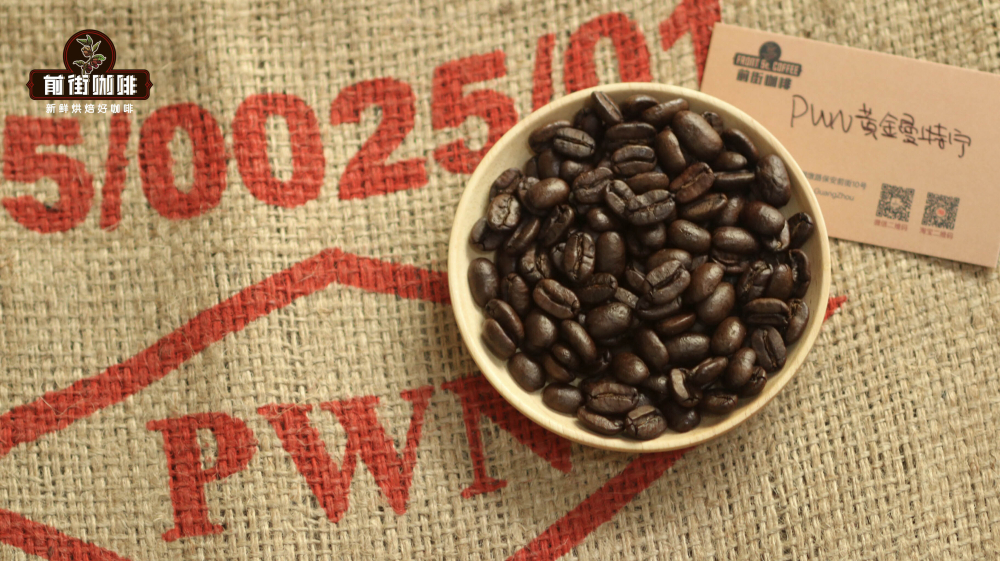
Since lattes incorporate a large amount of milk to balance the intense flavor of coffee, the roast level of the beans is relatively strict. If you choose a light roast, its flavors are mainly fruity acidity and floral notes, but these can easily taste thin or even be masked when extracted into milk. On the contrary, it’s recommended to go for medium-dark or dark roasted coffee beans. These beans typically have distinct caramel, nutty, or spicy profiles that create a wonderful contrast with the silky sweetness of milk. Classic Italian blends with roasted aromas, Queen Estate beans with their toasted nut flavors, or the bold Golden Mandheling are all great choices.
If you prefer a milder taste, medium roasted beans are also an ideal option. For example, the Warm Sun blend not only has lower bitterness but also retains rich crema, which aids in latte art and flavor expression, without being completely overshadowed by the milk.


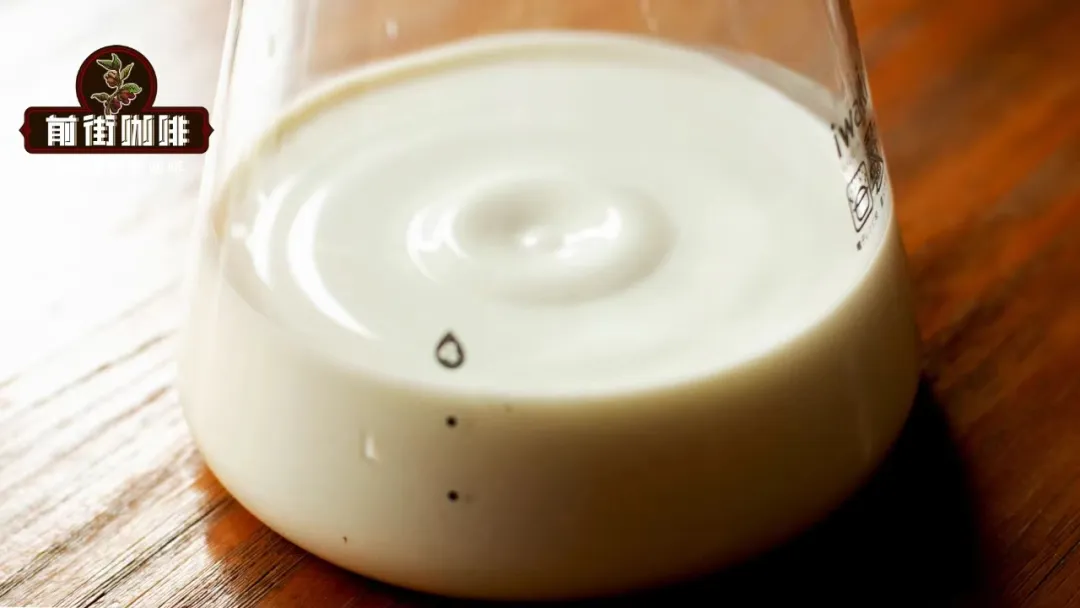
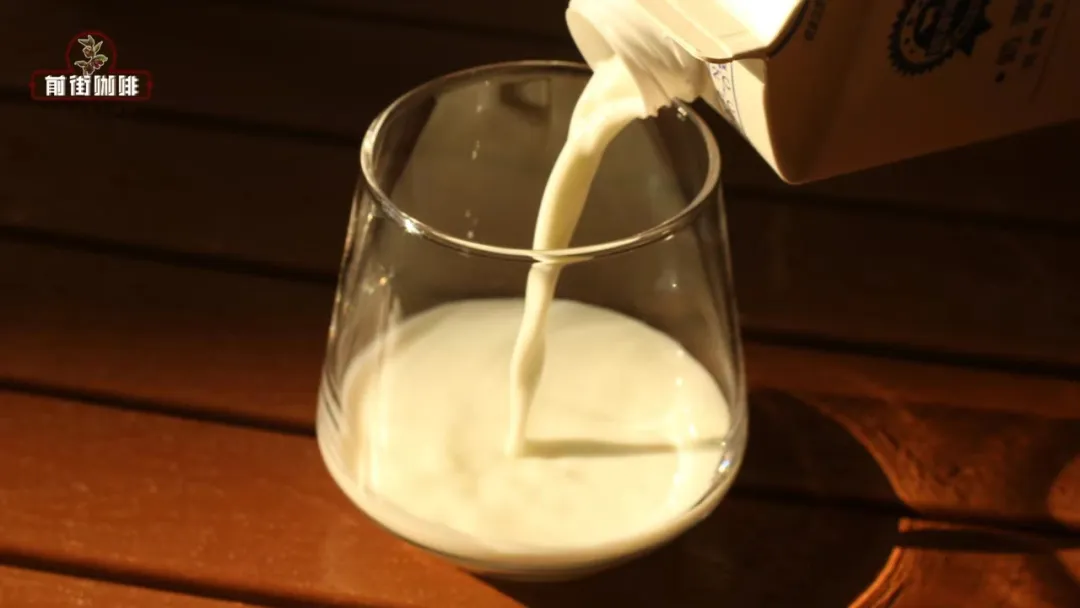
Milk plays a role in lattes that is just as important as espresso, often making up as much as 80% of the drink. Therefore, choosing the right milk is equally crucial. While whole milk is the mainstream choice, different brands vary in sweetness, texture, and richness—all of which directly affect how well they pair with the coffee beans. For instance, if you’re using a medium-dark roasted bean with a bold and rich flavor, but pair it with equally heavy and overly sweet milk, the overall taste may become cloying and lose its layered balance. It’s advisable to try different brands of milk based on the characteristics of your chosen coffee beans to find the most complementary combination.
For example, when the coffee itself already has a full and rich character, selecting a milk with higher sweetness but a relatively lighter texture can prevent the overall drink from becoming too heavy, while highlighting the harmony between coffee and milk. When experimenting, consider buying a few common types of whole milk for small-scale testing to see which one creates the best “1+1>2” effect with your beans.

After understanding material selection, the next step is the actual brewing process. First, espresso serves as the soul base of a latte, and its flavor balance is critically important. The ideal state is one where acidity, sweetness, and bitterness are all present, yet none are overly sharp or dominant, with sufficient concentration but not so intense as to be hard to drink. To achieve this, it’s recommended to start with the widely recognized “golden extraction formula”: use 18 to 20 grams of coffee grounds to extract about 36 to 40 grams of coffee liquid within 25 to 30 seconds. Of course, these are just initial parameters; in practice, you may need to fine-tune based on the extraction results—such as adjusting grind size, water temperature, or pressure—to get an espresso that best suits your personal taste.
After pulling the espresso, the next step is heating the milk. If you’re not aiming for elaborate latte art foam skills, simply heating the milk to 60°C to 68°C is enough to bring out the natural sweetness of lactose—ideal for those who prefer a simpler flavor profile. But if you want your latte to have a finer, creamier texture, you can go further and froth the milk to add layers and enjoyment to the drinking experience. Whether or not you add foam, controlling the milk temperature is key—too high can lead to nutrient loss and flavor degradation, too low and it won’t fully release its sweetness.
Finally, the step that best reflects personal taste—adjusting the ratio of milk to coffee. Generally, the common ratio range for a latte is 1:4 to 1:8 (espresso:milk), but this isn’t set in stone. It’s recommended to start with around 1:5 or 1:6, then adjust the amount of milk based on the actual flavor outcome. If the milk flavor feels too strong, reduce the amount of milk slightly; if the coffee flavor is too prominent or even bitter, increase the milk ratio. Remember, everyone’s taste preferences, as well as the characteristics of the coffee beans and milk, are different—so the “optimal ratio” is actually highly personalized. Through multiple trials, you’ll be able to find your own unique golden ratio that suits your materials and flavor preferences.



The above content is compiled by CoffeeHunters, a coffee news website.


