








Introduction:Want to make a smooth and aromatic latte at home that rivals those from cafes? This article delves into the optimal coffee-to-milk ratio for lattes, suitable espresso bean selections, and practical tips for frothing milk and creating latte art. Whether you're new to coffee or aiming to refine your latte art skills, you’ll grasp key details here to craft your own perfect latte.
"Why does the latte I make at home taste so different from the one at the café?" Many who have tried making pour over or espresso at home probably have this question. In truth, the charm of a latte lies not just in the coffee itself, but in the perfect balance between coffee and milk, as well as the visual enjoyment brought by latte art.

To replicate café-quality lattes at home, the key lies in mastering the ratio of espresso to milk and selecting the right coffee beans and milk. With just a few essential pointers, you can easily create a latte that is both flavorful and visually appealing.

I. Choosing the Right Coffee Beans to Elevate Your Latte
In a latte, milk makes up a large portion, so choosing the right coffee beans is especially important. Generally, it’s recommended to go withmedium or darker roasts—particularly medium-dark or dark roasts—that can hold their own when paired with a generous amount of milk.
Take medium-dark roasts as an example: these beans often feature aromas of caramel, nuts, and chocolate. When combined with milk, they yield a rich yet smooth mouthfeel. On the other hand, if you opt for a light roast, the flavors tend to be more delicate and can easily be overpowered by the milk, making it hard to showcase the layers.

Common recommendations include blends with flavors of buttery cookies, vanilla, and chocolate—ideal for those who enjoy a mellow, sweet profile; for those who prefer nutty notes, choose blends with roasted aromas; if you’re up for a bold, spicy experience, try dark roasts from Indonesian regions. No matter which you choose, select based on your personal taste.

II. Milk Selection Affects Overall Flavor Balance
Besides the coffee beans, milk is another key factor that determines the texture of a latte. There are many types of milk available on the market—whole, low-fat, high-calcium, flavor-enhanced—each with unique properties.
For instance, whole milk has a higher fat content, and when frothed, it produces a dense microfoam that creates a silky mouthfeel, pairing especially well with dark roasts. Low-fat or skim milk may be lighter and fresher, but the foam tends to be less stable, which could affect the overall texture.
It’s advisable to choose milk based on the roast level of your coffee beans. For example, dark roasts pair nicely with full-flavored whole milk, while medium-dark roasts can work well with fresh milk that offers a more pronounced sweetness, enhancing overall flavor harmony.

If you find that the milk overpowers the cup or suppresses the coffee flavors, try switching to a different brand or fat content to find the combination that best suits your taste.
III. Home Brewing Details: Extraction and Equipment Selection
Many believe that having a lower-tier home coffee machine is the main reason their lattes don’t taste café-worthy. However, with proper technique, even affordable machines can produce espresso of commendable quality.
It’s recommended to usea 1:2 coffee-to-water ratioand control the extraction time between25–35 seconds—parameters commonly used by most baristas. The focus is on stable extraction, avoiding channeling or uneven pressure, to achieve a rich and balanced coffee base.

As for equipment, although high-end machines offer better stability and functionality, mastering basic techniques can allow standard home machines to produce satisfying espresso as well.

IV. Milk Frothing and Temperature Control
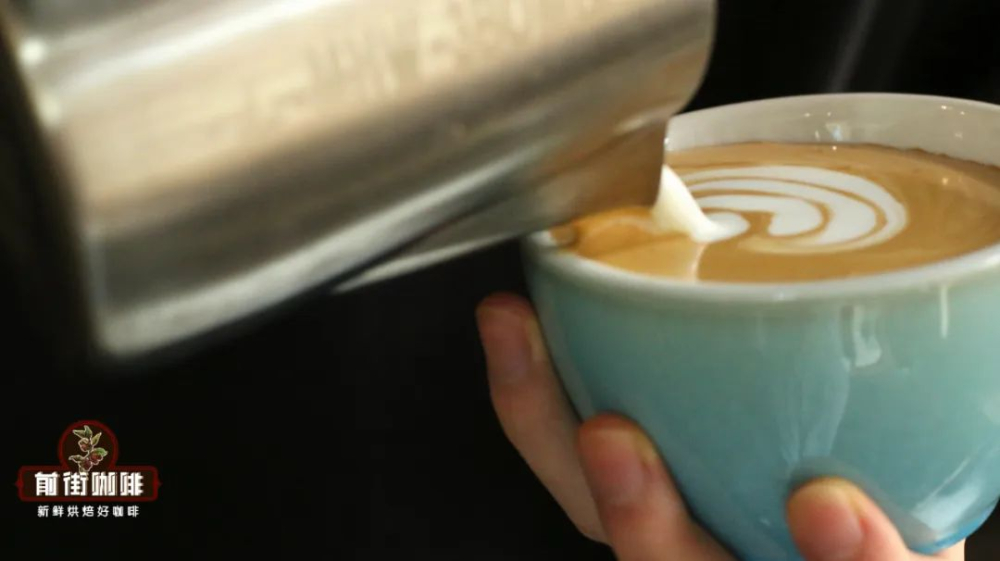
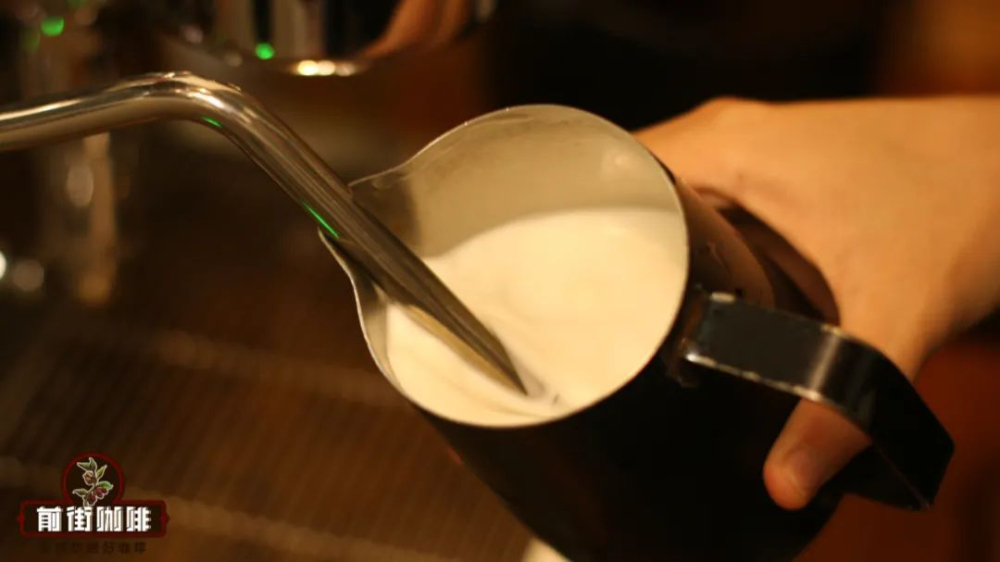
The texture of the milk foam directly impacts the taste and latte art of your drink. Ideally, the foam should be fine, dense, and blend seamlessly with the espresso.
When frothing milk, it’s recommended to heat it to65±2°C—this temperature range balances foam texture and flavor expression. If the temperature is too high, it can break down the protein structure, resulting in rough foam; if too low, the foam may lack stability and negatively affect the overall mouthfeel.
For non-professionals, as long as the foam is fine without large bubbles and blends smoothly with the espresso, even without pursuing perfect latte art, you can still enjoy a creamy and smooth latte.
V. The Golden Ratio of Espresso to Milk
The standard ratio for a latte is usually1:5—that is, 40ml of espresso paired with 200ml of milk. But in reality, this isn’t set in stone; it largely depends on individual taste preferences.
Some people prefer a stronger coffee flavor and may adjust the ratio to 1:4; if you favor a creamier, milk-forward taste, you can try a 1:6 ratio. Adjusting the ratio to find what best suits your palate is the true joy of making lattes at home.
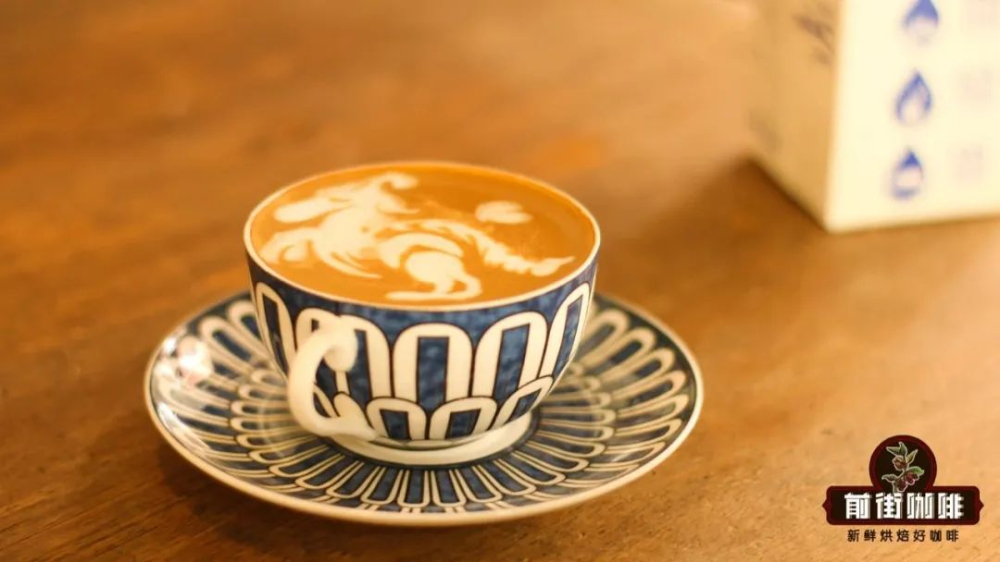
In summary, as long as you choose the right coffee beans and milk, master the details of espresso extraction and milk temperature, and tweak the ratio according to your personal taste, you can easily recreate café-quality lattes at home—and even take on the challenge of latte art to make every cup a rewarding experience.

The above content is compiled by CoffeeHunters, a coffee news website.


