







Introduction:Espresso is the foundation of many classic coffee beverages such as lattes, cappuccinos, and Americanos. Mastering its preparation methods and parameters is the first step into the world of professional coffee. This article details the extraction principles of espresso, the flavor characteristics of common coffee types, the differences between Americanos and espressos, as well as the ratio variations between hot and iced Americanos. It also provides practical espresso extraction parameters—such as dose, time, yield, and TDS measurement methods—to help you better understand the science and art behind each cup of coffee.
Although many café customers opt for pour over coffee, there is also a significant number of espresso enthusiasts. As is well known, Espresso is the core base of many classic coffee drinks, including lattes, Americanos, cappuccinos, flat whites, and mochas, all of which are derived from it.
In Italian and global coffee culture, Espresso is not just a beverage but the starting point of all espresso-based drinks. It is made by forcing nearly boiling water—around 92°C—through finely-ground coffee beans that are tightly packed under high pressure, all within a very short time. This process extracts not only the solids in the coffee but also dissolves a rich array of flavor compounds, resulting in a thick, bold, and layered liquid we call espresso. Though it’s often seen as the base for other drinks, it is in fact a distinctive coffee style in its own right and is frequently used for flavor comparison with Americanos.
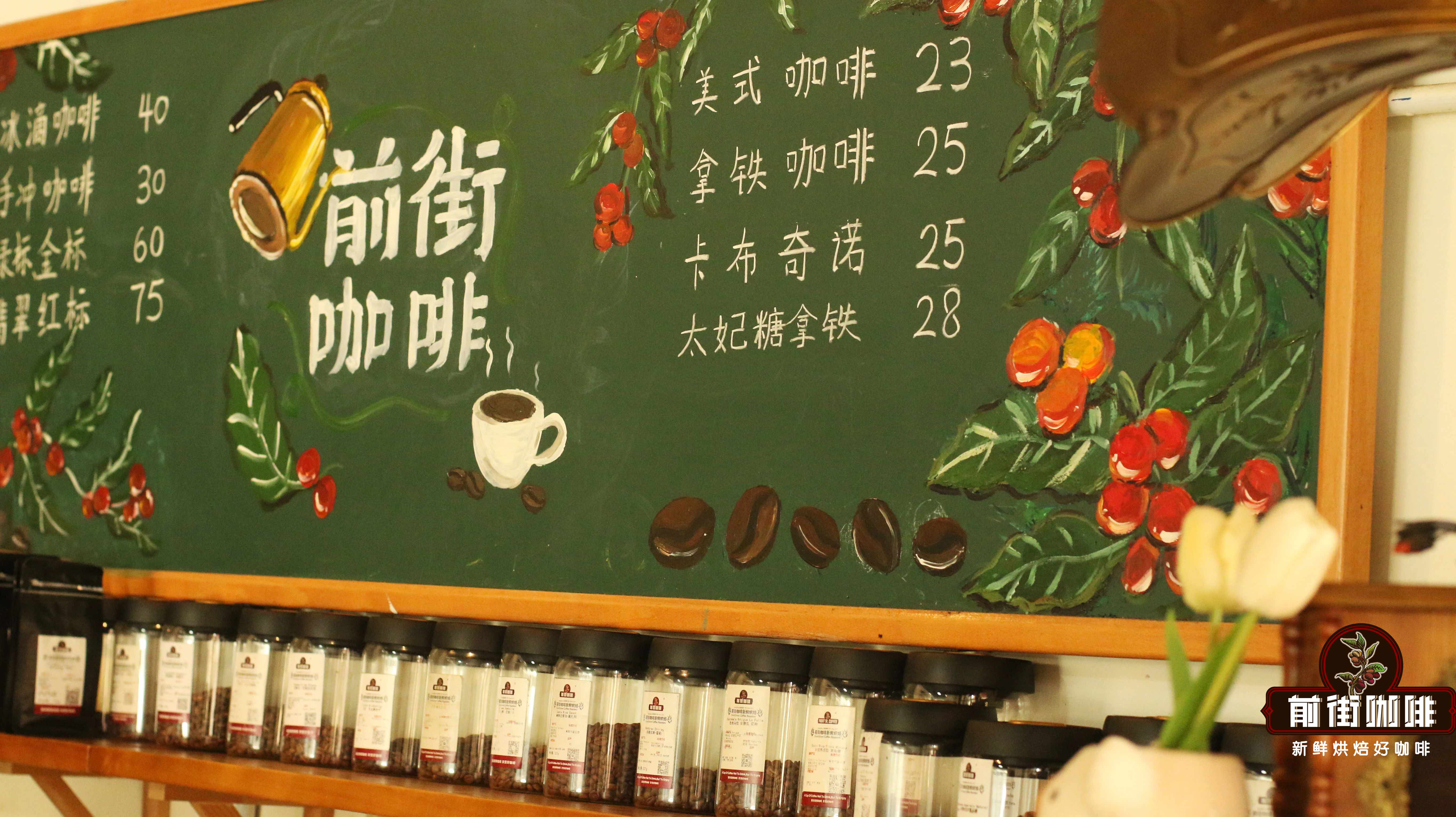
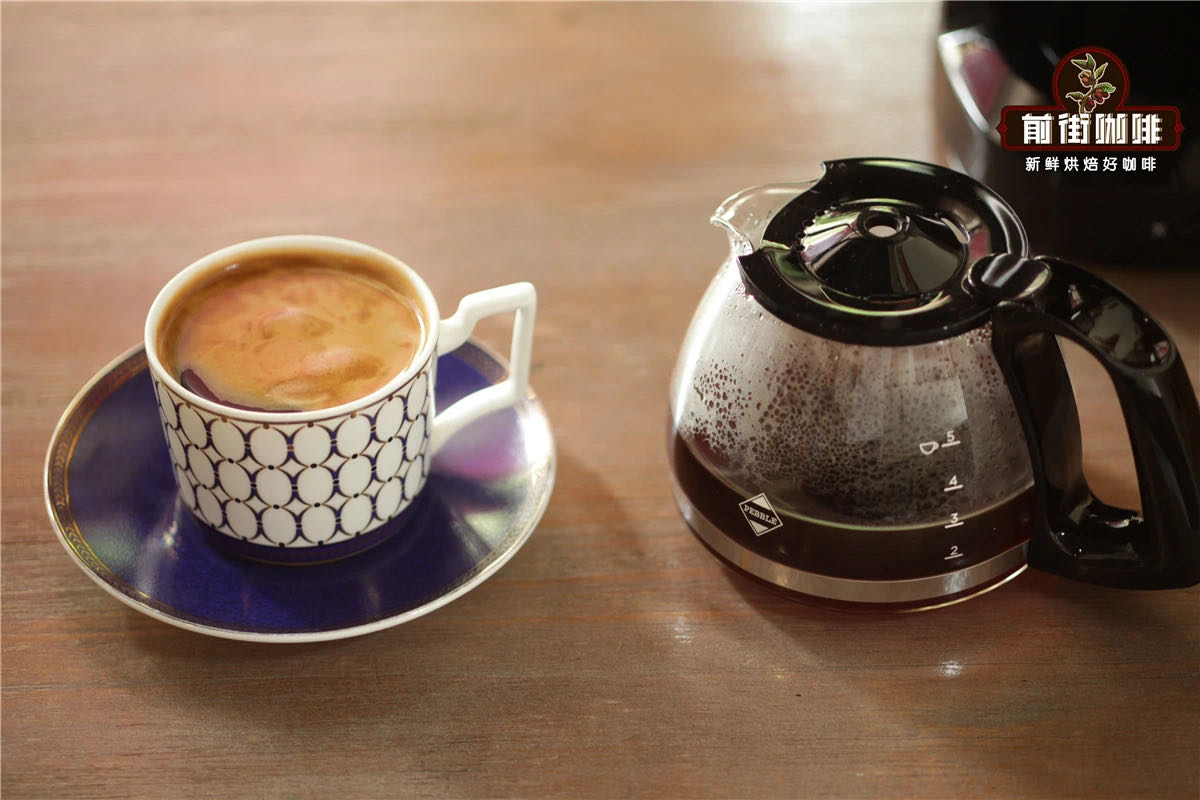
There are two common ways to make an Americano: one is by directly brewing it using a drip coffee machine, and the other is by diluting espresso with hot water. The difference between these two methods is closely tied to the history of the Americano. In the early days, American households commonly used drip coffee machines, producing coffee that was light-bodied, watery, and mild in flavor. However, during World War II, American soldiers stationed in Europe encountered the strong, intense espresso popular there, which was vastly different from the drip coffee they were used to. To recreate the taste of home, they began adding hot water to their espresso, softening the overall flavor. This practice wasn’t common in Europe, so locals dubbed it “Americano,” sometimes even sarcastically. The French even mockingly called it “sock coffee” to describe its supposedly dull, sock-like flavor.
Nowadays, most Americanos served in cafés are made by diluting espresso with water. Common water-to-espresso ratios in the market typically range from 1:4 to 1:9, with individual shops adjusting the ratio based on the characteristics of their coffee beans and serving sizes. For example, a typical hot Americano might use a 1:4.5 water-to-coffee ratio, while an iced Americano could go as high as 1:9 due to the greater dilution from ice and cold water. A particular café uses a 1:4.5 water-to-espresso ratio for its hot Americano, determined after considering the specific blend’s characteristics and the standard serving size. As for iced Americanos, the cooling effect of the ice results in a crisper taste and a lighter flavor profile.
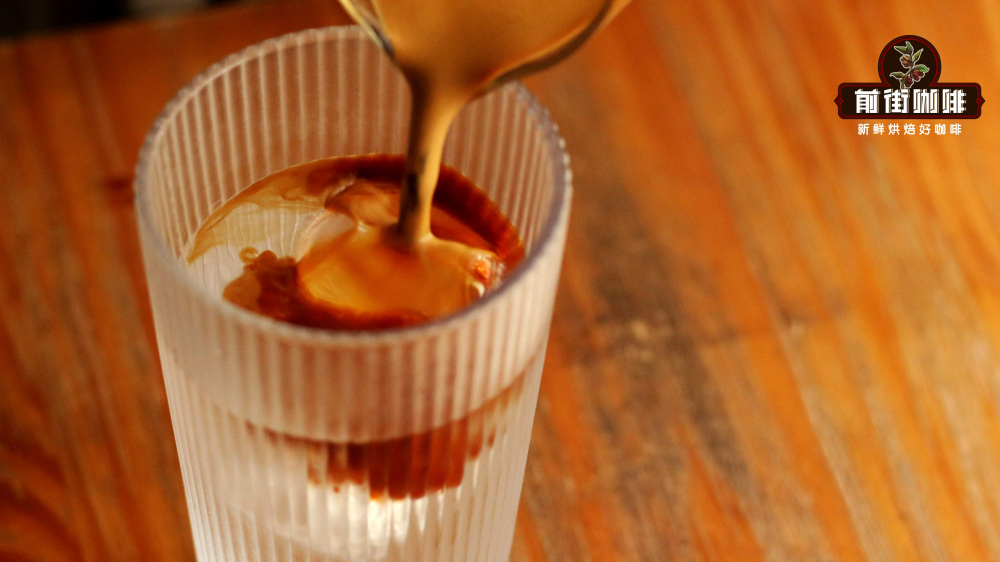
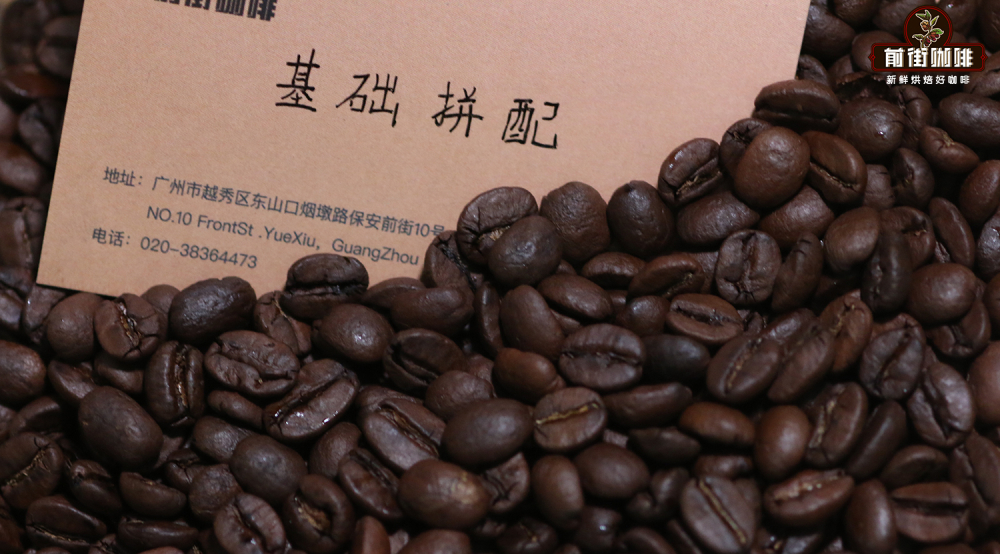
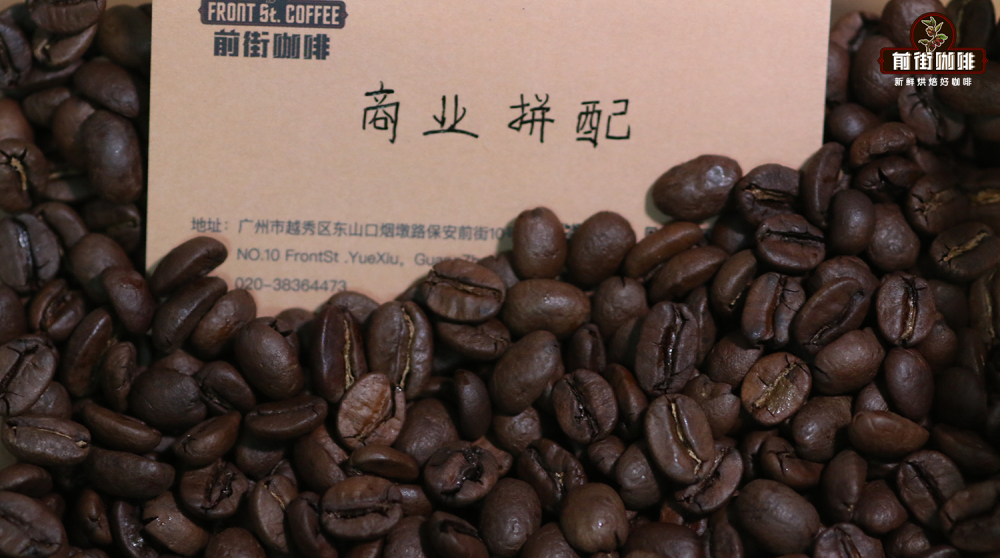
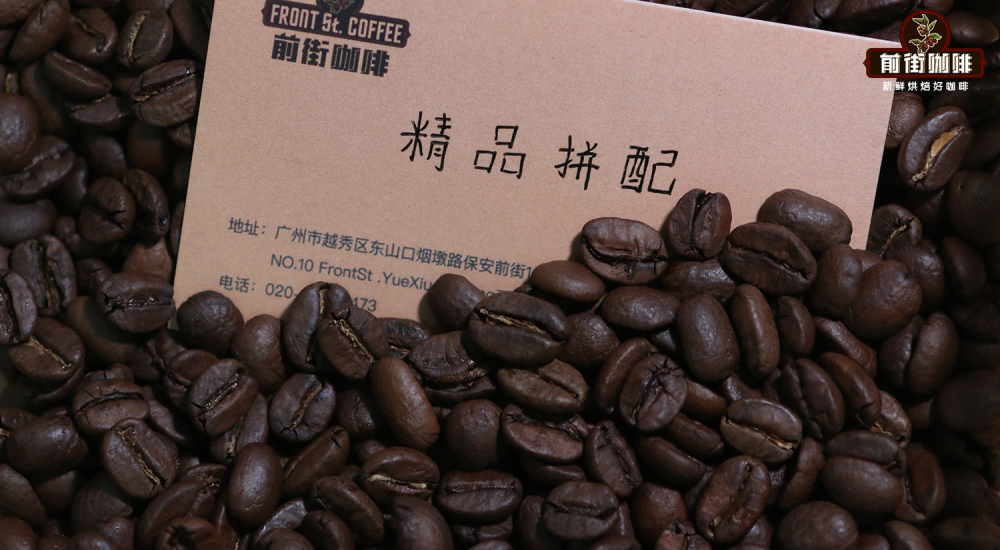
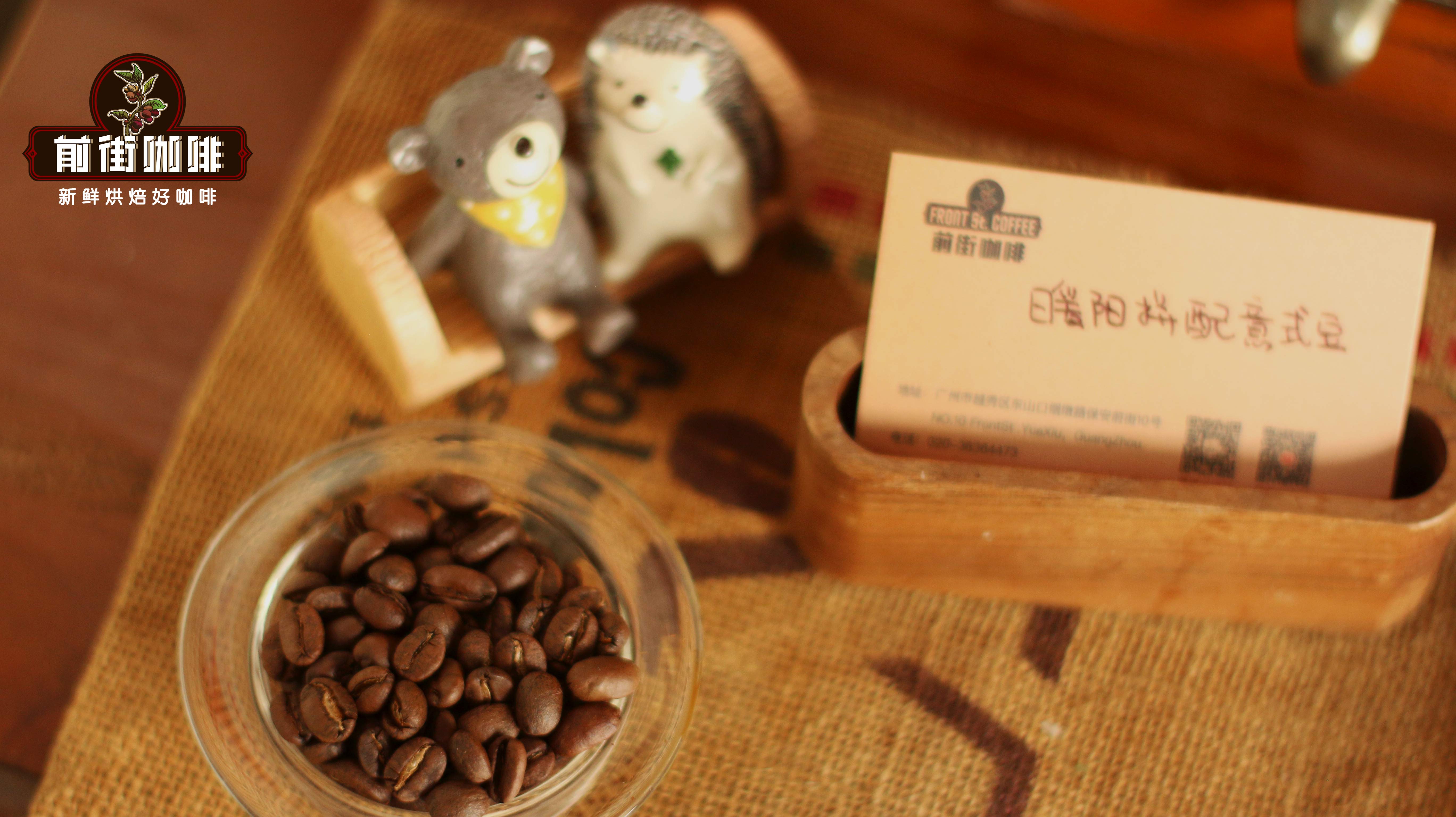
Many Americanos offered by a certain café are made by adding water to espresso, as is the case with most cafés in the market. Additionally, this café offers a variety of flavored espresso beans, including Dark Cocoa Blend, Warm Sun Blend, Commercial Blend, and Premium Blend, catering to different consumers’ preferences for crema, sweetness, and body. Among them, the Dark Cocoa Blend uses common espresso bean varieties such as Brazil, Colombia, and Yunnan, aiming to achieve good flavor at a relatively low cost. The Commercial Blend includes 10% Robusta beans to enhance overall body and chocolate notes, making it especially suitable for milk-based drinks. The Premium Blend uses only Arabica beans from the Americas, such as Brazil and Colombia, showcasing clean, distinct nutty and chocolate tones, making it ideal as a base for espresso drinks. The Warm Sun Blend is an innovative mix launched by the café in 2019, combining 30% Yirgacheffe Red Cherry and 70% Honduran Sherry, focusing on flavor profile with notable vanilla cream and fermented wine notes, highly favored by flavor-seeking consumers.
Espresso extraction follows certain standardized procedures and parameters. Depending on the size of the portafilter basket, the coffee dose typically ranges between 18 to 22 grams. Precise control over the dose has a significant impact on the final flavor. The most common extraction ratio is double the dose, meaning that if 18 grams of coffee are used, ideally 36 grams of espresso should be extracted. Exceeding this range can easily lead to over-extraction, resulting in bitter and off-flavors.
However, this ratio is not set in stone. Some cafés adjust the ratio according to their beans and output needs. For instance, a certain café's espresso is made with 20 grams of coffee yielding 36 grams of espresso, aiming to create more robust flavors and aromas in the resulting Americanos and lattes. It is generally recommended that the liquid coffee weight be 1 to 3 times the dry dose, with 2 times being the most balanced and commonly used choice.
Extraction time is also a key factor influencing espresso flavor, typically ranging between 25 to 35 seconds. If the extraction time is too long or too short, the first thing to check is the grind size. Too fine a grind may cause channeling or over-extraction, leading to prominent acidity and reduced sweetness. Conversely, too coarse a grind may result in under-extraction, producing a flat or even bitter and muted taste. Therefore, adjusting the grind size is a crucial step in optimizing extraction parameters.
The most direct way to determine whether an espresso meets ideal standards is by tasting it. However, because flavor judgment is subjective, many professional baristas and roasters use a refractometer to measure the total dissolved solids (TDS) in the coffee, thereby assessing extraction strength and extraction percentage. Using the formula (%TDS × extracted coffee weight) / coffee dose = extraction percentage, one can scientifically monitor the extraction status of each cup and adjust parameters accordingly to achieve the ideal flavor balance.
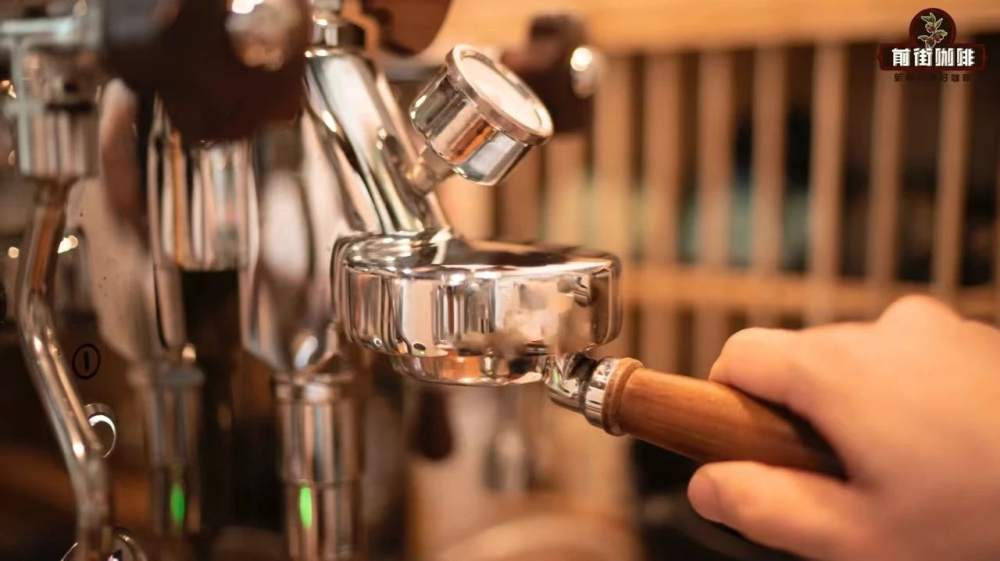
For many first-time espresso drinkers, the professional techniques baristas use when operating the espresso machine can be quite impressive. But in reality, what baristas primarily master is the detailed process of making espresso, not the complex mechanics inside the machine. Below are the standard steps for making espresso at a certain café, provided for readers interested in learning more:
Step 1: Wipe the portafilter basket to ensure it is dry and free of moisture residue.
Step 2: Use an electronic scale to accurately weigh the coffee dose, with an error controlled within ±0.1 gram.
Step 3: Distribute the coffee grounds evenly to ensure a level surface.
Step 4: Tamp the coffee to apply appropriate pressure and compact the puck.
Step 5: Lightly tap the portafilter to ensure even distribution of the coffee grounds.
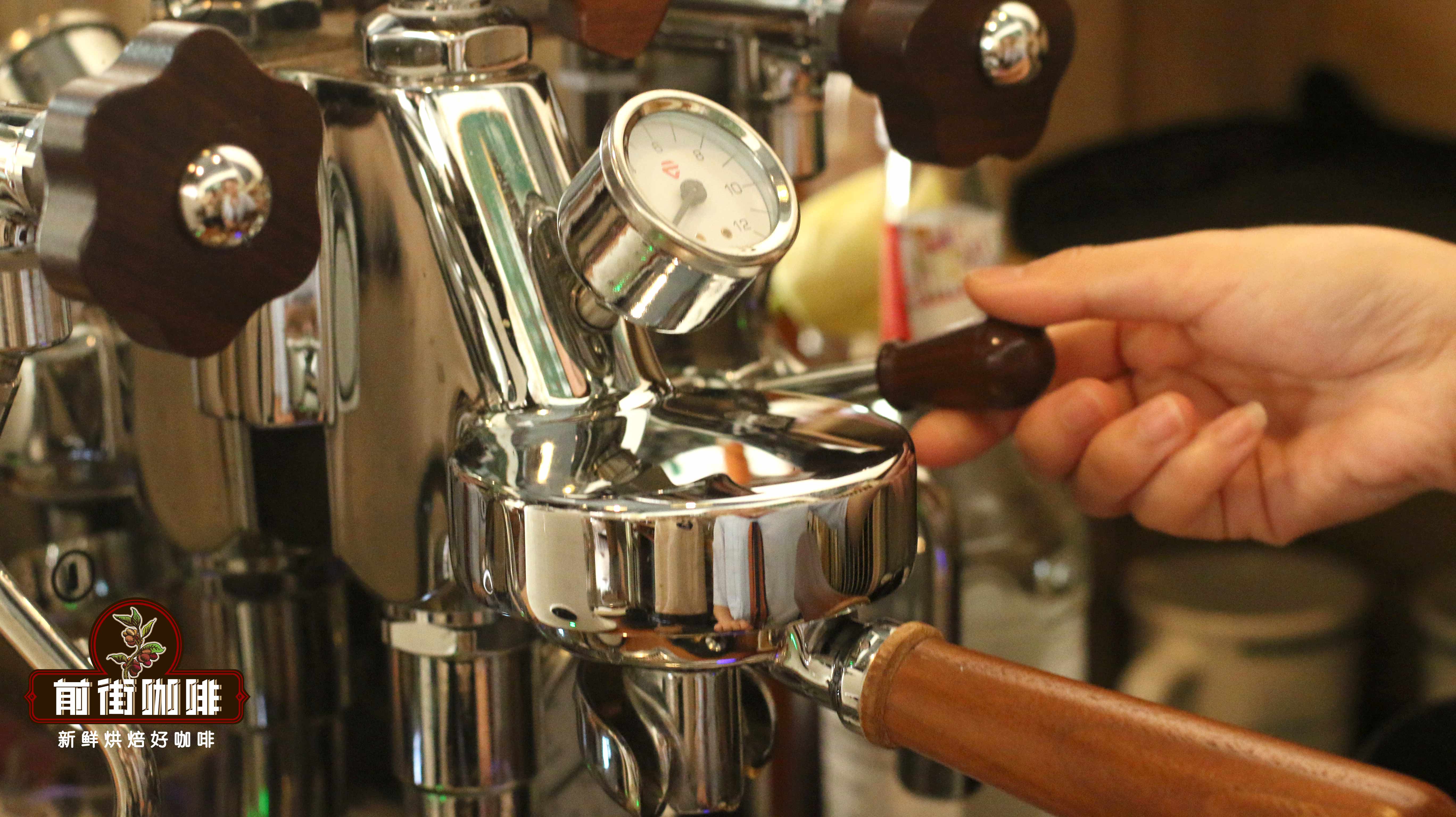
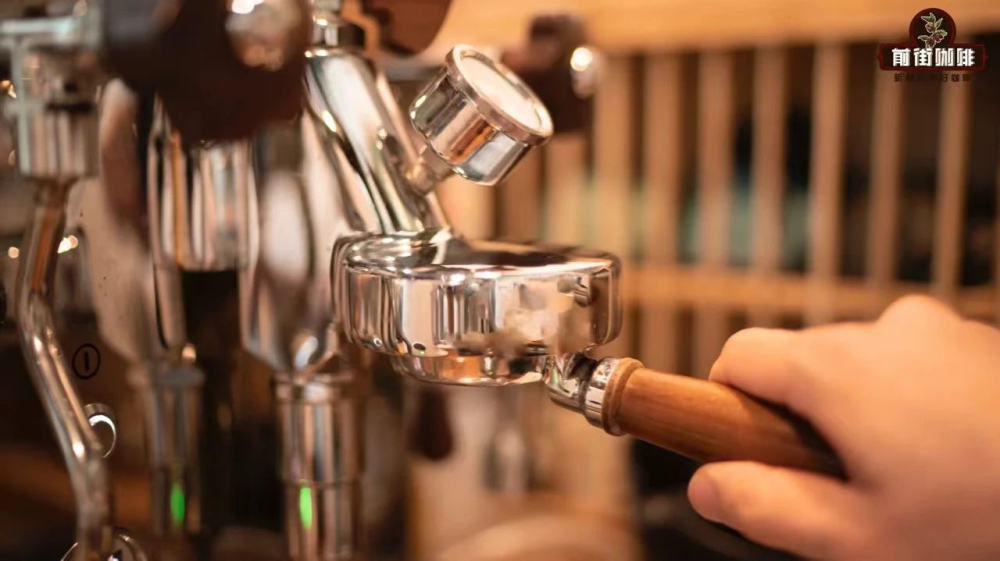
Step 6: Attach the portafilter to the machine and begin the extraction by pressing the button.
Step 7: After extraction, lightly tap the portafilter basket, remove the portafilter, and immediately clean the group head.
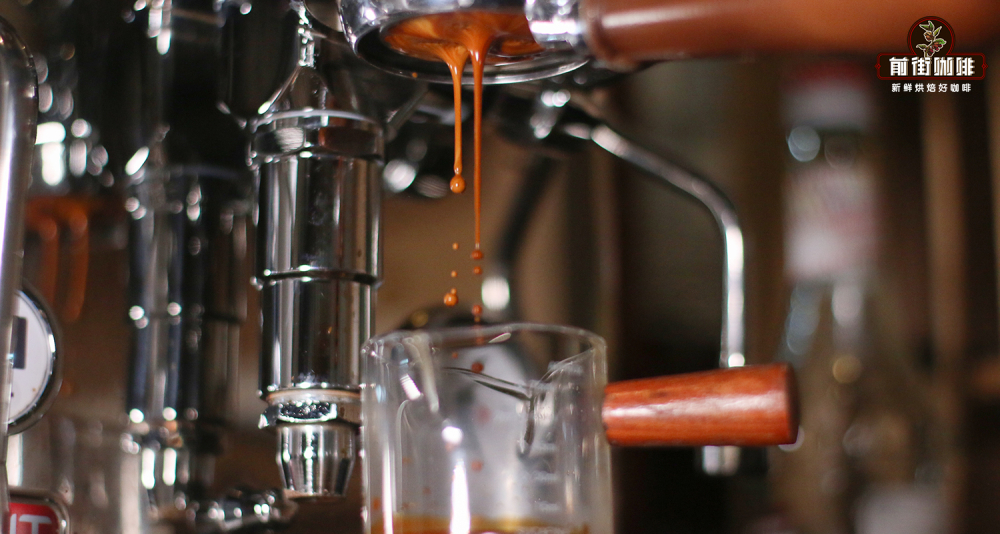
A certain café recommends the following standard espresso extraction parameters: 20 grams of coffee dose, 40 grams of extracted liquid, with an extraction time controlled around 30 seconds. This set of parameters fully showcases the aroma and flavor layers of the coffee, suitable for making subsequent drinks such as lattes and Americanos. Completing the extraction following this procedure results in a standard shot of espresso.
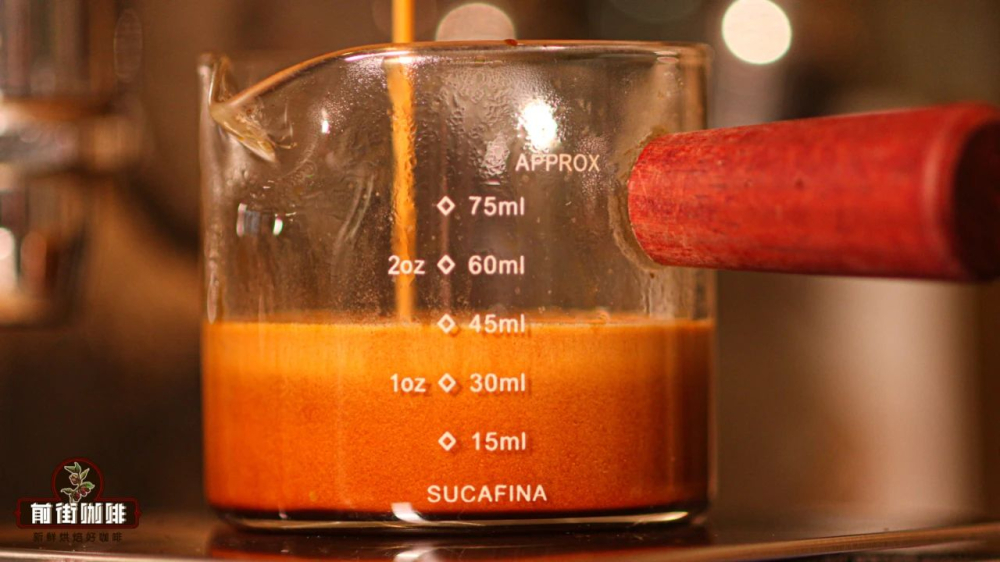
To further prepare other types of coffee, such as lattes or Americanos, simply add milk or hot water to the espresso base. Iced coffee preparation is relatively simple, usually involving pouring hot espresso directly over pre-chilled milk. For hot milk coffee, the steam wand on the espresso machine is used to froth the milk, heating it and creating microfoam, which is then combined with the espresso. There are many instructional resources available on how to properly froth milk. Moreover, many modern chain coffee brands use fully automatic machines, simplifying the process—just select the desired drink with one touch, and the machine will handle the rest automatically.
The above content is compiled by CoffeeHunters, a coffee news website.


