








Introduction:There are many types of espresso-based coffee, which often leave beginners unsure of what to choose. This article provides an in-depth comparison of the fundamental differences between lattes and Americanos, analyzing everything from the extraction principles of the espresso base and commonly used parameters, to the ratios and effects of adding milk or water, and how these influence flavor profiles and mouthfeel. It also offers practical brewing reference data to help readers better understand the characteristics and differences of these two classic coffee drinks.
For those new to coffee, facing a menu full of options can be overwhelming. The latte (Latte) and Americano (Americano) are two of the most common espresso-based coffees, but their differences go beyond just their names. A latte is made with a base of espresso and a large amount of steamed milk with finely textured microfoam, while an Americano is created by diluting espresso with hot or cold water, resulting in a lighter black coffee.

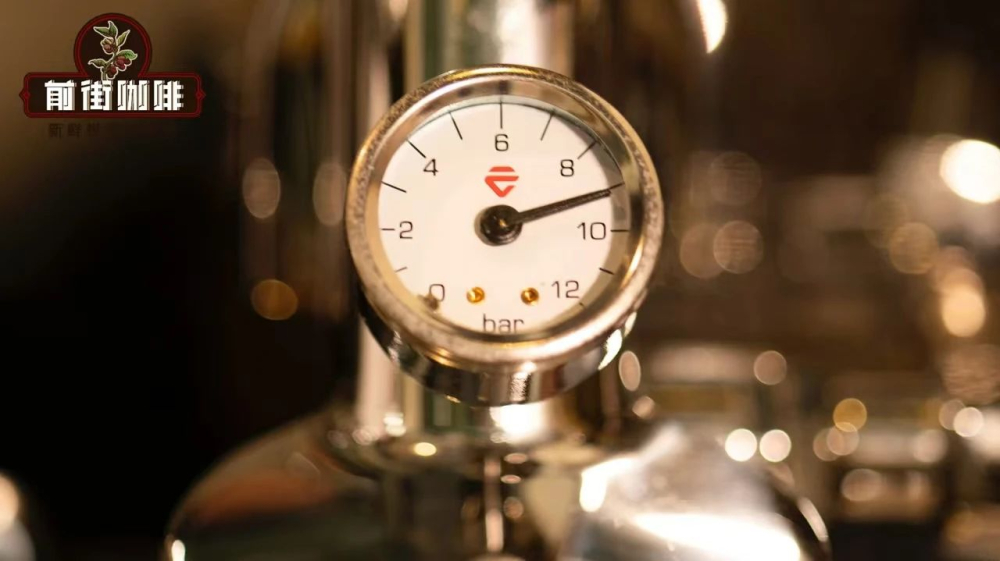
Both drinks originate from espresso, which is a concentrated coffee liquid extracted by forcing hot water through finely ground coffee beans under high pressure (typically 9 bar or more). Traditionally, blends are used to ensure flavor stability and cost control, but in recent years, many shops have started offering Single Origin Espresso (SOE), showcasing more distinctive regional flavor profiles.

Taking commonly used extraction parameters as an example, it is generally recommended to use about 20 grams of coffee grounds to extract 40 grams of coffee liquid under 9 bar pressure, with a time frame controlled between 25 to 30 seconds, achieving a roughly 1:2 coffee-to-water ratio. In practice, adjustments can be made to grind size or pressure based on extraction results to achieve the best flavor. Experienced shops may fine-tune to 19.8–20 grams of coffee, extracting 35–38 grams of liquid within approximately 27–30 seconds, aiming for a more delicate mouthfeel and balanced acidity and sweetness.

Making a latte is relatively straightforward—after extracting the espresso, steamed milk with finely textured microfoam is added. The general recommendation is a coffee-to-milk ratio of around 1:3 to 1:5, adjustable according to personal taste. The temperature of the milk is usually kept between 60–65°C, as going higher can damage the texture and flavor of the foam. When steaming milk, emphasis should be placed on achieving fine and stable microfoam to allow for clear and long-lasting latte art.
Thanks to the large amount of milk added, lattes generally have a smoother and gentler mouthfeel, with the original bitterness of coffee being neutralized by the milk. They are ideal for those who enjoy a balance between creamy and coffee flavors. When using hot milk, it often presents a velvety feel reminiscent of vanilla cream along with a mild sweetness, whereas using cold milk may yield a fresher profile with berry acidity and nutty aromas, and a finish that hints at chocolate and caramel.
In contrast, an Americano is made by diluting espresso with hot or cold water. The ratio can be adjusted to personal preference, with a common brew ratio being 1:5—that is, one part espresso to five parts water. A hot Americano, brewed with hot water, tends to better highlight the inherent aromas of the espresso, such as notes of vanilla cream, subtle berry acidity, and a finish of caramel and dark chocolate. Meanwhile, an iced Americano, due to the lowering effect of ice or cold water, presents a crisper profile, often with hints of whiskey-like alcohol, soft berry acidity, and a nutty-chocolatey finish.

Many people find Americanos to be bitter, and this is actually closely related to the extraction quality of the espresso. Under-extracted espresso can result in sharp bitterness or astringency, while over-extraction may amplify bitterness and dryness. If an Americano tastes too bitter, one can try increasing the water ratio to dilute the strength, or revisit the espresso extraction parameters—such as grind size, water temperature, pressure, and time—to make appropriate adjustments.

In summary, although both lattes and Americanos are based on espresso, they deliver distinctly different flavor profiles and mouthfeel experiences after the addition of milk or water. Lattes emphasize harmony between milk and coffee, making them suitable for those who prefer a softer taste, whereas Americanos showcase the more direct characteristics of black coffee, appealing to those who favor a clean or low-fat beverage. Understanding these differences and brewing parameters can help you make more precise choices or customize your ideal coffee flavor.


The above content is compiled by CoffeeHunters, a coffee news website.


