








Introduction:Want to make a latte with fine microfoam and beautiful latte art? This article details the golden ratio of latte, milk selection, and milk frothing techniques, and explores in depth the key parameters and common mistakes of steam frothing. Whether you're just starting out or looking to refine your skills, you can master professional-level latte-making tips here and take every cup of coffee to the next level.
To make the perfect latte, every step — from milk selection, foam thickness to latte art techniques — is extremely important. For lattes commonly found on the market, the ratio of espresso to milk is generally 1:3 to 1:5, with the foam thickness controlled at about 1 cm. This combination ensures an excellent balance between coffee flavor and milk aroma.
The quality of milk directly affects the fineness and stability of the foam. It is recommended to choose fresh whole milk, as it contains rich proteins, lactose, and milk fat, which help form a stable foam structure. When milk is heated, casein and whey proteins form a tension film on the liquid surface, trapping air to create what we call milk foam.
Among the proteins, whey protein gradually unfolds its hydrophilic ends when heated or stirred, exposing its hydrophobic parts. This helps reduce bubble surface tension and delay rupture, resulting in more persistent and delicate foam. In addition, the milk fat also affects the texture and blending performance of the foam, so choosing the right milk is crucial for both the taste and the formation of latte art.
When frothing milk for latte art, there are several key techniques to pay special attention to. The first is to hold the milk pitcher steadily with both hands, which improves operational stability, prevents milk splashing due to steam impact, and reduces the risk of scalding. A firm grip is a basic skill for every barista and can also effectively enhance the quality of the foam.
Before starting to froth, be sure to purge the steam wand to release any condensation water. Using steam that still contains water will produce overly large and coarse bubbles, affecting the fineness of the foam. It’s recommended to steam a few seconds in the air until the steam is pure and free of moisture — this step effectively avoids creating big bubbles at the beginning.

When frothing, insert the steam wand into the pitcher at a 45-degree angle, positioned roughly at the 2-3 o’clock or 9-10 o’clock direction. This guides the milk into forming a small whirlpool, helping to pull coarser foam toward the center and resulting in a more even and delicate foam overall. At the same time, the steam tip should be inserted about 0.8 cm to 1 cm below the milk surface. Going too deep won’t draw in enough air, while going too shallow can cause large bubbles and splattering — this depth range has been experimentally verified as optimal.
In the initial "aeration" stage of frothing, adjust the steam tip to about 0.3 cm above the milk surface. You’ll hear a light “hissing” sound for 4 to 5 seconds — that’s enough to create the desired foam thickness. Then lower the steam tip to 0.8 to 1 cm, maintaining a 45-degree angle, using the whirlpool to eliminate large bubbles and continue heating. It’s recommended to keep the final milk temperature between 55 to 65°C. This temperature range allows the lactose in the milk to fully release its sweetness, blending with the coffee to deliver a richer taste profile.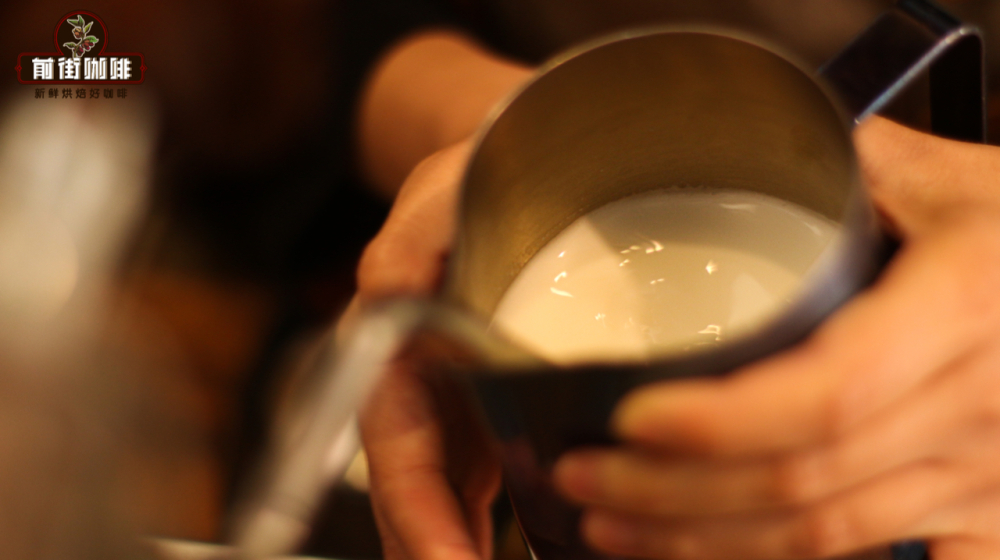
When a latte combines the right ratio of espresso and milk, along with fine and stable foam, not only does it have a smooth mouthfeel, but it also highlights the inherent flavor characteristics of the coffee. For example, when paired with an espresso featuring berry notes and spicy undertones, appropriately tempered milk can bring out a sweet, strawberry milkshake-like flavor while retaining a rich aftertaste. Master these basic elements and details, and you too can easily make professional-grade lattes at home or in the workplace.
The above content is compiled by CoffeeHunters, a coffee news website.


