








Introduction:Latte is the beverage of choice for many people entering the world of coffee. But if you want to recreate that rich and smooth café-style version at home, the key lies in the precise ratio of espresso to milk and choosing the right Italian-style beans. This article delves into the origins and flavor characteristics of the latte, and offers practical advice on ingredient selection, extraction parameters, and how to adjust proportions — helping you master a classic latte that balances sweetness, creamy richness, and coffee flavor.
The latte (Latte) originates from Italy, where "latte" means "milk" in Italian. Therefore, a latte coffee is literally a "milk coffee." In the English-speaking world, Latte Coffee usually refers to a coffee drink with a large amount of hot milk added. However, it wasn't until the 1980s that the term became widely known outside of Italy, evolving into a classic coffee style familiar to coffee lovers around the globe.

Many people attempting to make lattes at home often encounter issues with unbalanced flavors — either the coffee tastes overly bitter or the milk is too strong, overpowering the coffee’s inherent character. In reality, the secret to a satisfying latte lies in the harmony between ingredient selection, espresso extraction, and the proportion of milk. This article will provide a detailed breakdown on how to create a latte that is rich, sweet, and well-balanced.

Let’s start with the ingredients. Though the basic components of a latte are simply espresso and milk, achieving a rich yet non-bitter flavor depends heavily on ingredient selection. Especially when it comes to coffee beans, which directly influence the foundational flavor profile of the entire drink. Since lattes typically incorporate a large amount of milk to mellow the taste, selecting an appropriate roast level becomes the primary consideration.

It is generally recommended to choose medium-dark or dark roasted coffee beans, as these types tend to bring out more pronounced caramel, chocolate, or nutty aromas that complement the sweetness of milk. If you prefer a smoother and less intense flavor profile, medium-dark roasted blends can be a good option. These beans tend to release good crema and a velvety mouthfeel during extraction, while also offering layers of sweetness.

Milk plays almost as important a role in a latte as the espresso itself. In a standard latte, milk can account for up to 80% of the drink. Thus, choosing the right milk is equally crucial. Whole milk is usually the first choice, but the sweetness, body, and foam stability of whole milk can vary between brands. It's advisable to experiment with different brands based on the flavor characteristics of your chosen coffee beans to find the one that complements best.

For example, if you're using medium-dark roasted beans — which already have a relatively rich and full-bodied flavor — pairing them with a very thick and heavy whole milk may result in an overly dense or even cloying overall taste. In such cases, opting for a whole milk with a higher sweetness level and a relatively lighter texture can better highlight the balance between coffee and milk. It's recommended to do your own tasting comparisons to find the most suitable combination for your preferred flavor.

When it comes to preparation, the espresso extraction is the soul of the entire latte. It’s recommended to use 18–20 grams of coffee grounds, with an extraction time controlled between 25–30 seconds (slightly longer for light roasts), aiming for an extracted liquid weight of about twice the amount of coffee grounds — roughly 36–40 grams. This extraction range achieves an espresso base that balances acidity, sweetness, and bitterness with moderate concentration — often referred to in the industry as the “golden extraction ratio.”
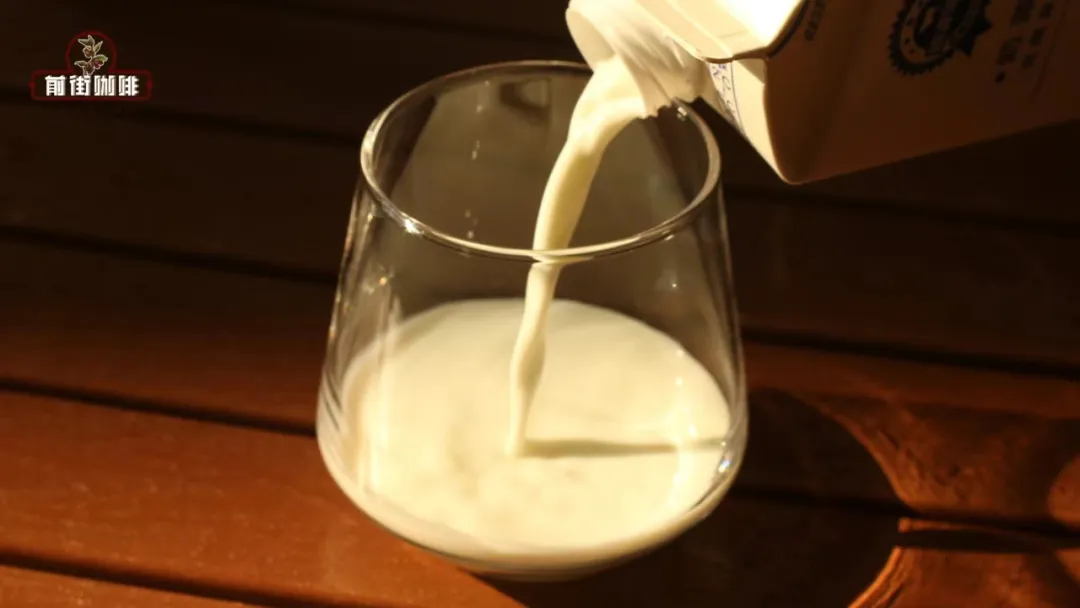
Next is the treatment of the milk. If you don’t need foam, simply heat the milk to 60–68°C. This temperature effectively brings out the natural sweetness of the milk’s lactose. If you’d like your latte to have a finer texture and a denser layer of microfoam, you can further steam the milk into foam — but be sure to control both the thickness and evenness of the foam to ensure good performance in both latte art and overall mouthfeel.
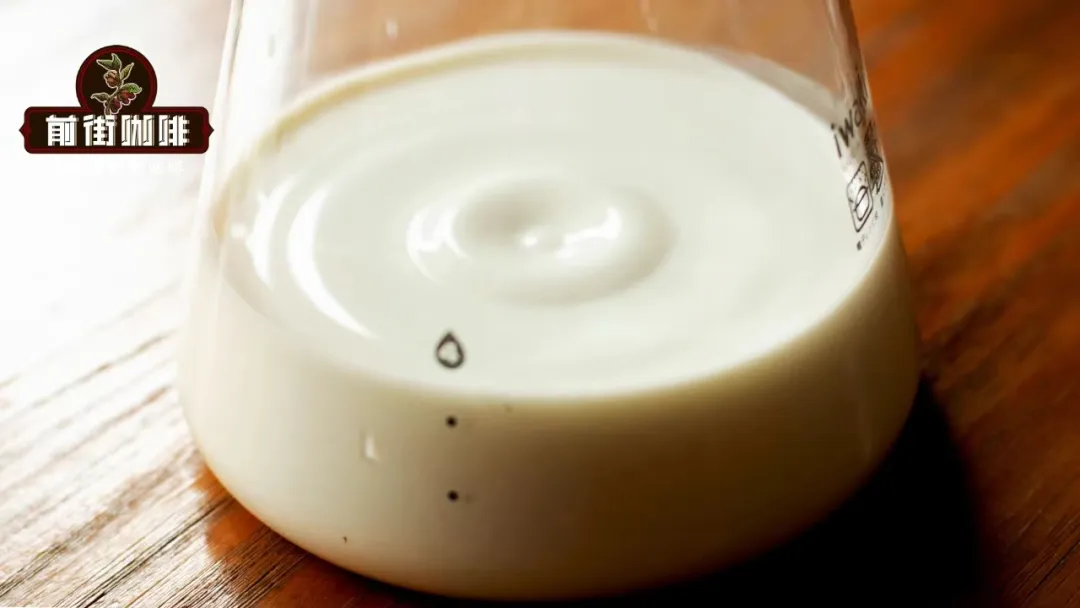
Finally, adjusting the ratio of milk to espresso is key to determining the final flavor presentation of the latte. The commonly recommended ratio range is 1:4 to 1:8 (espresso:milk), though you can fine-tune this according to personal taste. If you find the milk flavor too dominant, reduce the amount of milk; if the coffee flavor is too strong or bitter, you can appropriately increase the milk. It’s recommended to experiment multiple times to find your personal golden ratio that suits your taste preferences, bean variety, and milk characteristics.

In summary, making a delicious latte requires not only mastering the basic ratio of espresso to milk, but also carefully selecting and adjusting factors such as bean roast level, milk quality, and preparation methods. Through continuous experimentation and tasting, you too can easily recreate a café-quality classic Italian latte at home.


The above content is compiled by CoffeeHunters, a coffee news website.


