







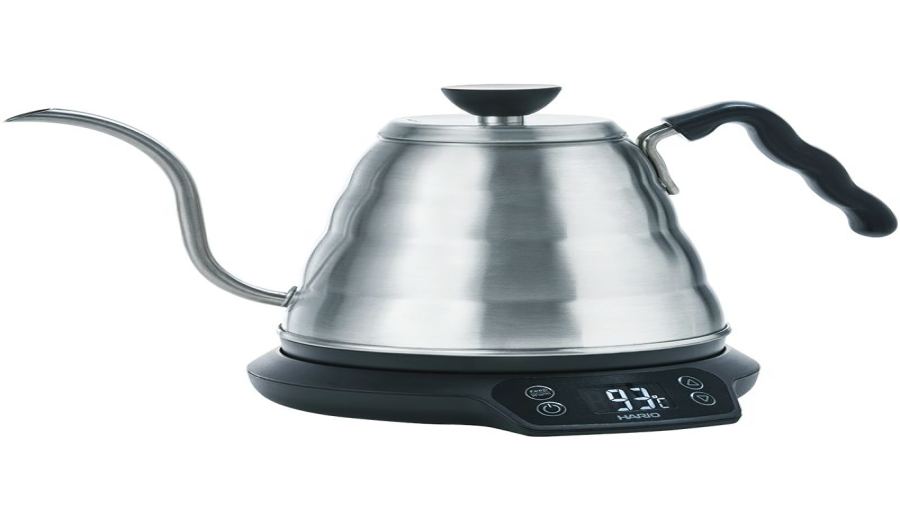
Introduction:Choosing a pour over kettle may seem simple, but there's actually quite a bit to consider. From temperature control vs non-temperature control, spout design, kettle body shape, to handle and material — every detail can affect the stability of coffee extraction and your overall brewing experience. This article will take you in-depth into the characteristics of various pour over kettles to help you find the one that suits you best, especially useful for beginners in coffee.
Step 1 in choosing a pour over kettle: Temperature control or non-temperature control?
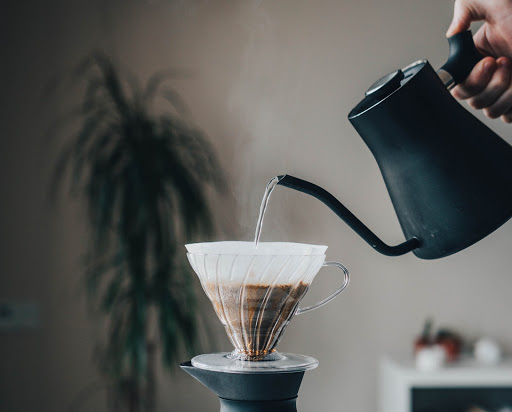
When selecting a pour over kettle, the first thing to consider is whether you need temperature control functionality. The biggest advantage of a temperature-controlled kettle is its ability to automatically maintain water temperature, which is not only convenient but also keeps the water warm throughout the brewing process — especially suitable for coffee grounds that are sensitive to water temperature fluctuations. In addition, it usually comes with a built-in heating module, so no separate thermometer is needed. However, temperature-controlled kettles also have some downsides, such as a lower center of gravity due to the bottom heating component, a heavier body, and a price that is generally about 300 yuan more expensive than regular kettles. Common temperature-controlled kettle brands include Brand B and Brand F, with relatively limited choices, but they can still meet most needs.
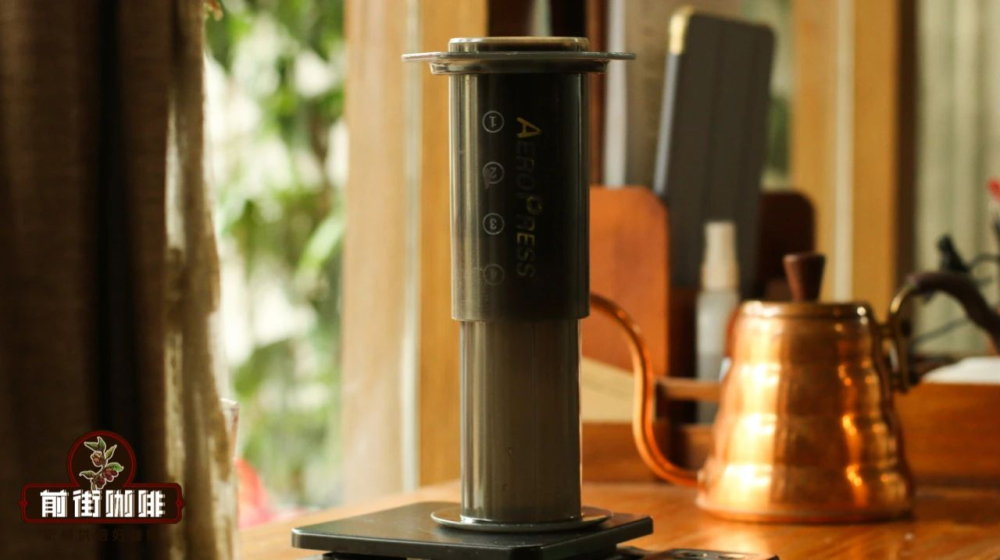
If you’re looking for something lightweight and cost-effective, non-
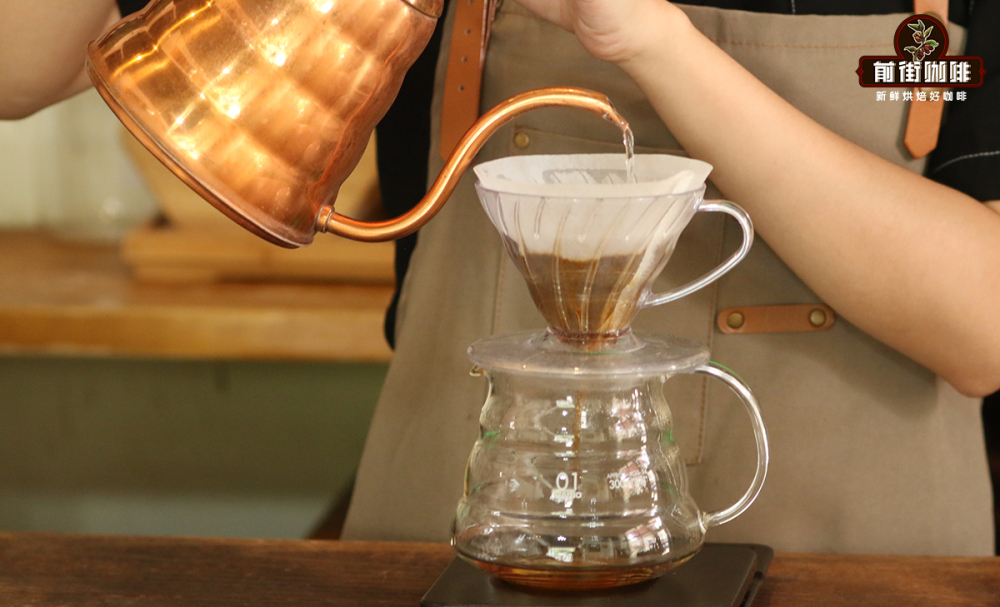
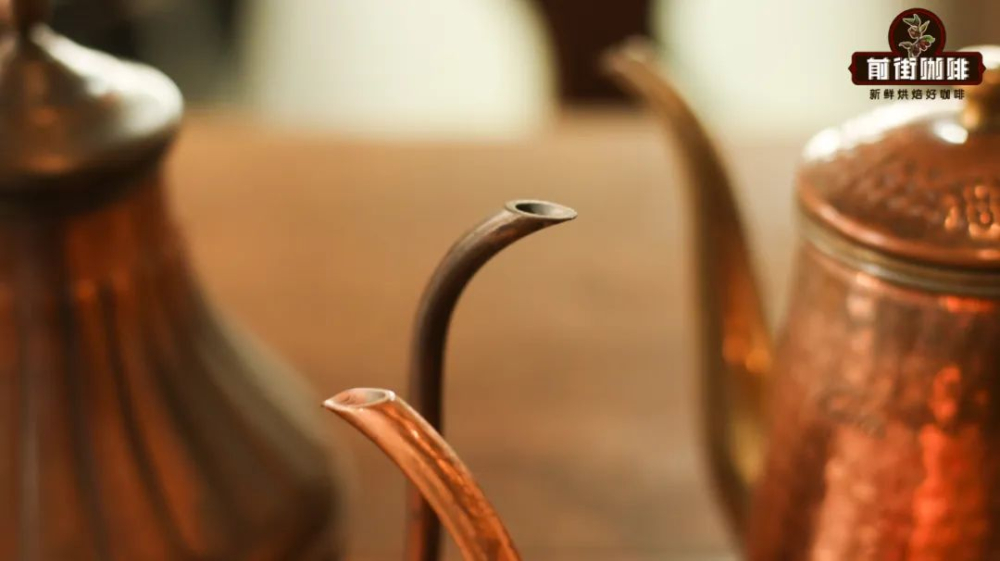
Kettle Spout Type: The Key to Water Flow Control
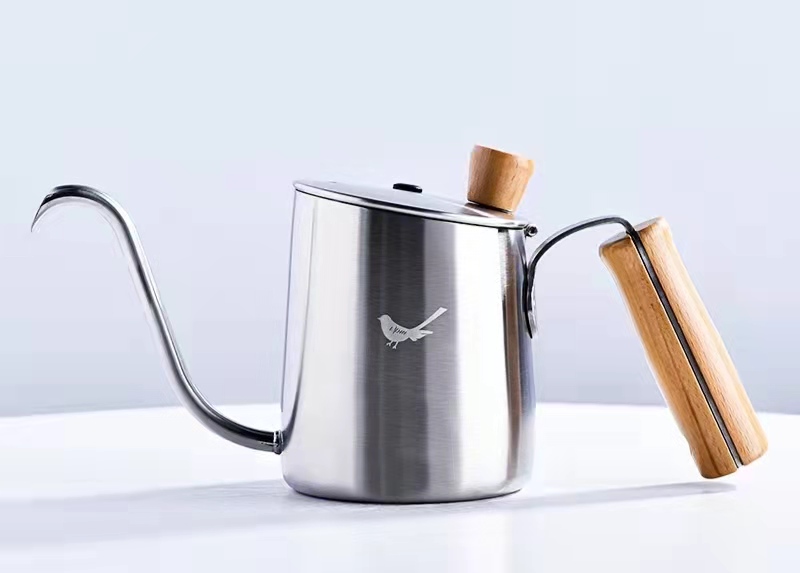
The design of the spout directly affects the stability and controllability of the water stream, making it an essential factor when choosing a pour-over kettle. Common spout types include narrow gooseneck, wide gooseneck, elephant trunk, flat spout, and eagle beak. Narrow-spout kettles, such as the well-known "cheater kettle" from popular brands, have a spout diameter of only about 4 mm, making them very suitable for beginners due to their fine and easily controlled stream. However, their range of use is limited and they are not suitable for high-volume pouring techniques.
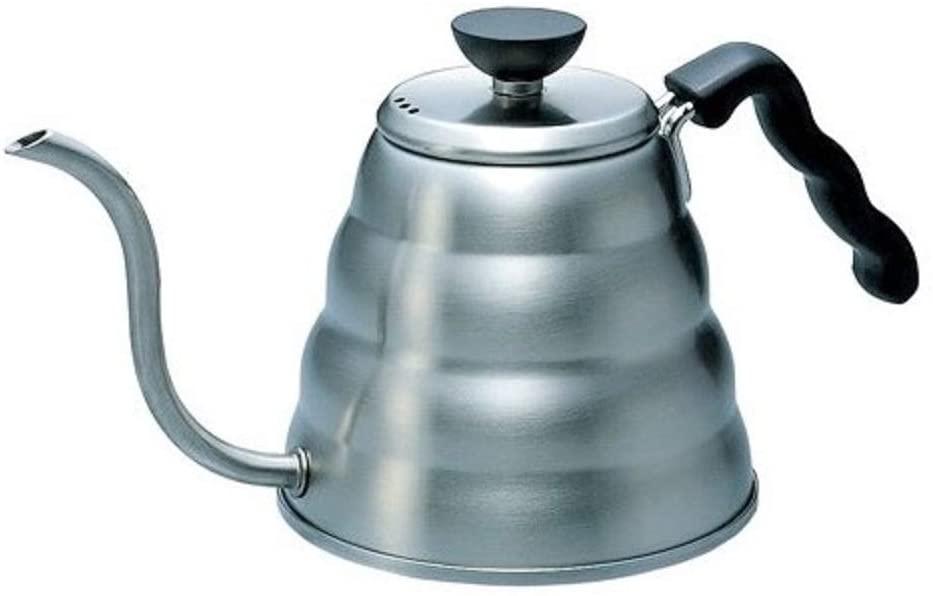
In contrast, wide-spout kettles are more challenging and better suited for advanced users—for example, Hario’s “Kamjove” kettle. These offer a rich variety of water flow patterns but require considerable practice to master. They can accommodate multiple brewing methods, even including the drip method.
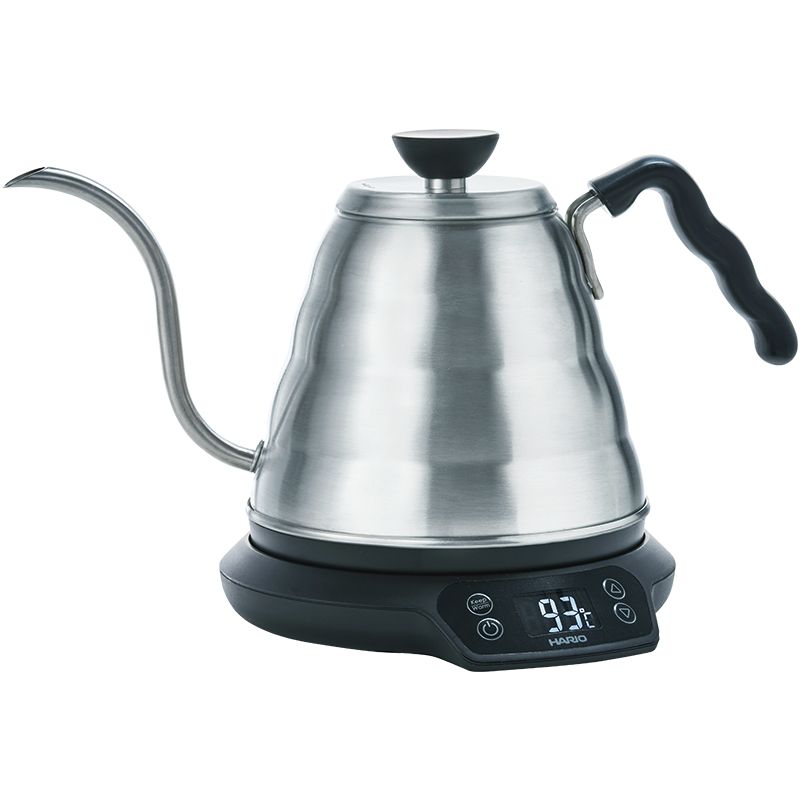
The crane spout kettle gets its name from its crane-like spout shape. Examples include Kalita’s Master Pour kettle and Wave kettle. Their pouring lines are relatively stable, with the Wave kettle offering even more stable water flow due to its short, wide opening. Flat spout kettles produce a parabolic water stream that does not form a perfectly vertical column, but they are highly beneficial for practicing water control. Once mastered, using other types of kettles becomes much easier. The eagle beak kettle represents a recent design trend, featuring a downward-curving guide structure that helps create a more vertical water stream and also prevents backflow issues when pouring small amounts of water.
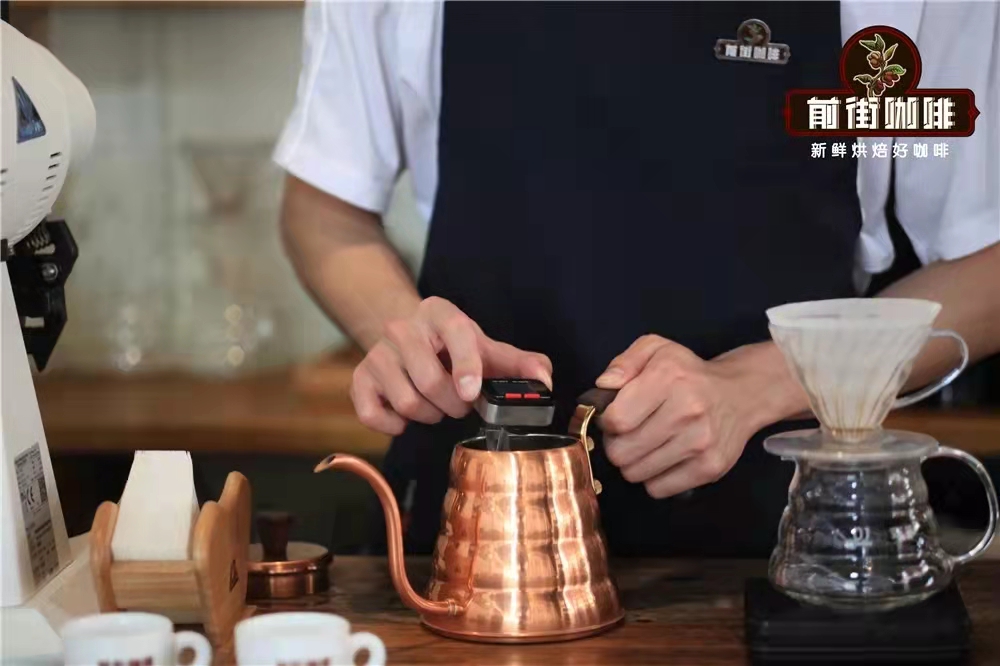
Kettle Body Design: Capacity and Center of Gravity Balance
The capacity of pour-over kettles typically ranges between 0.5 and 1.2 liters. It is recommended to choose based on your palm strength and usage habits. The shape of the kettle body also affects stability—short and stout kettles have a lower center of gravity, making them more stable during pouring but slightly more strenuous to use. Tall and slender kettles have a higher center of gravity and may wobble if the water level is too low, so they usually require a bit more water to maintain stability. Additionally, there is a type resembling an Aladdin’s lamp known as the palace kettle, which has a unique design but is less practical and may serve more as an aesthetic or collectible item.
Handle: The Key to Comfort and Control
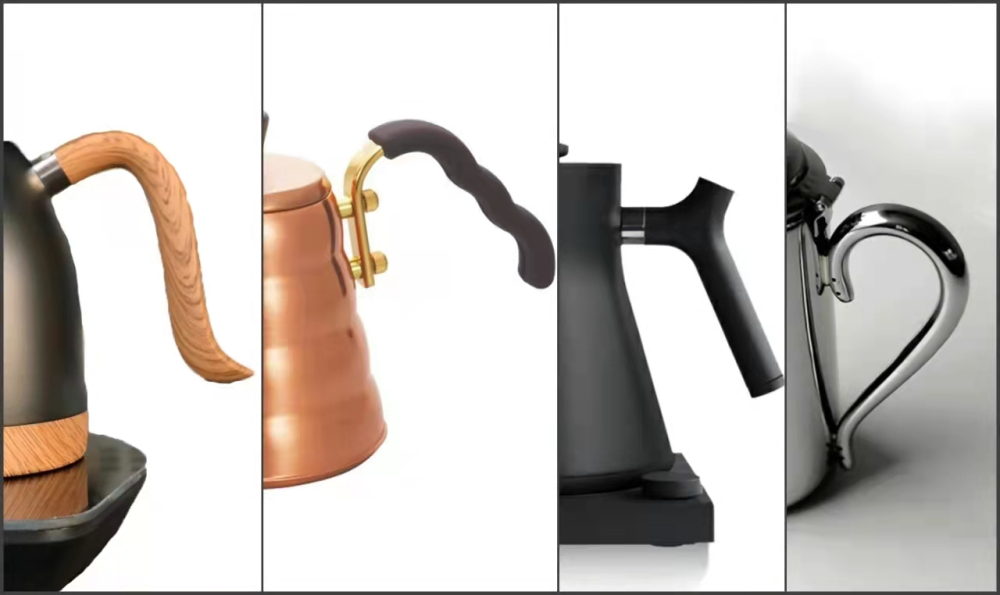
Although all brands claim their handles are ergonomic, the actual feel varies from person to person. A good handle should allow for even hand pressure and make it easy to control the kettle’s center of gravity, resulting in more stable and smooth pouring. Modern pour-over kettle handles have largely been optimized in design, but beginners can still choose based on personal feel. Japanese-style pour-over kettles often feature loop handles and slim, tall bodies, which are better suited for slow and delicate brewing styles.
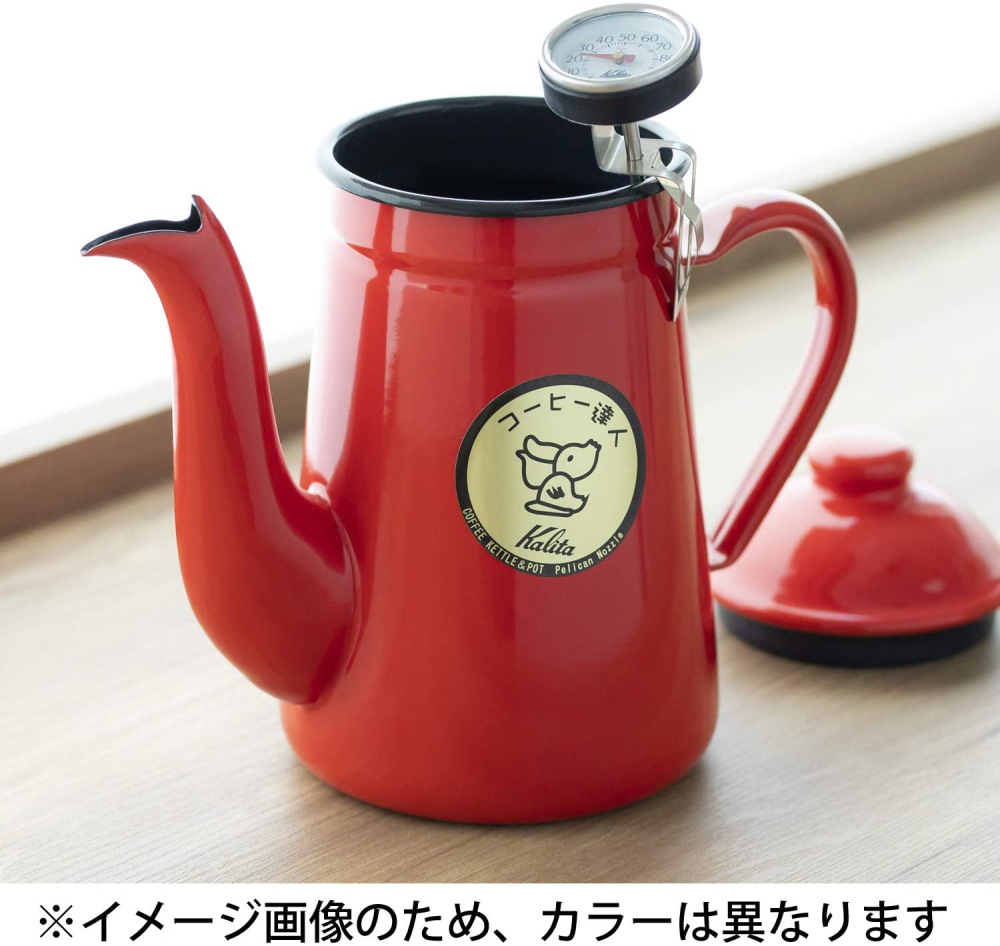
Material Selection: Comparison of Stainless Steel, Copper, Enamel, and Glass
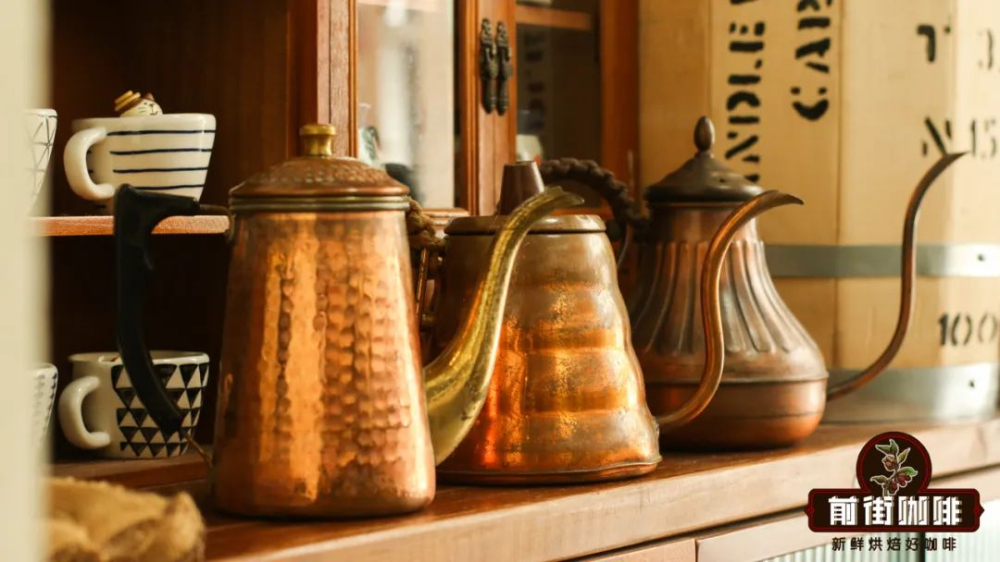
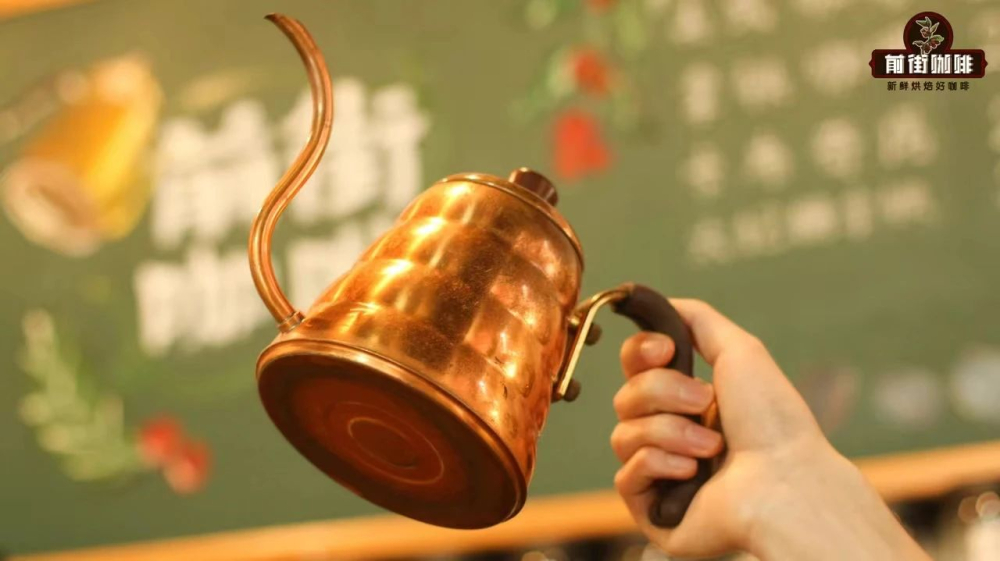
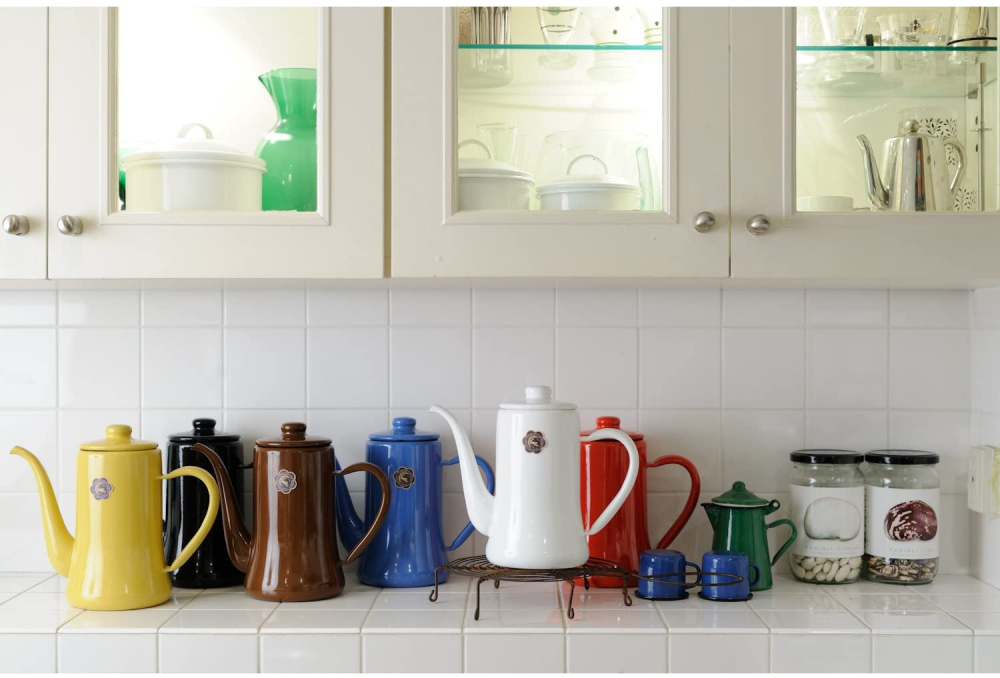
Common materials used in pour-over kettles include stainless steel, copper, enamel, and glass. In terms of performance, copper kettles offer the best heat retention and durability but come with a higher price tag. Stainless steel kettles provide great value for money and are the economic choice for most people. Enamel kettles have a beautiful appearance with a strong artistic feel, but are relatively fragile and conductive, requiring careful handling. Glass kettles, although not commonly recommended, can occasionally be found on the market. Beginners can choose based on budget and personal preference.
Price Range and Purchase Recommendations
The price of pour-over kettles varies greatly, ranging from just a few dozen yuan to several hundred yuan or more. In truth, as long as your brewing technique is solid, even an affordable kettle can produce great coffee, so price isn’t the only benchmark. When purchasing, it’s advisable to consider factors such as spout design, kettle body shape, and handle comfort in a comprehensive assessment. Also, low-cost imitations are commonly found on online platforms—while they may look similar, the details and feel can vary significantly. Be sure to carefully discern these differences to avoid compromising your user experience and learning confidence.
The above content is compiled by CoffeeHunters, a coffee news website.


