







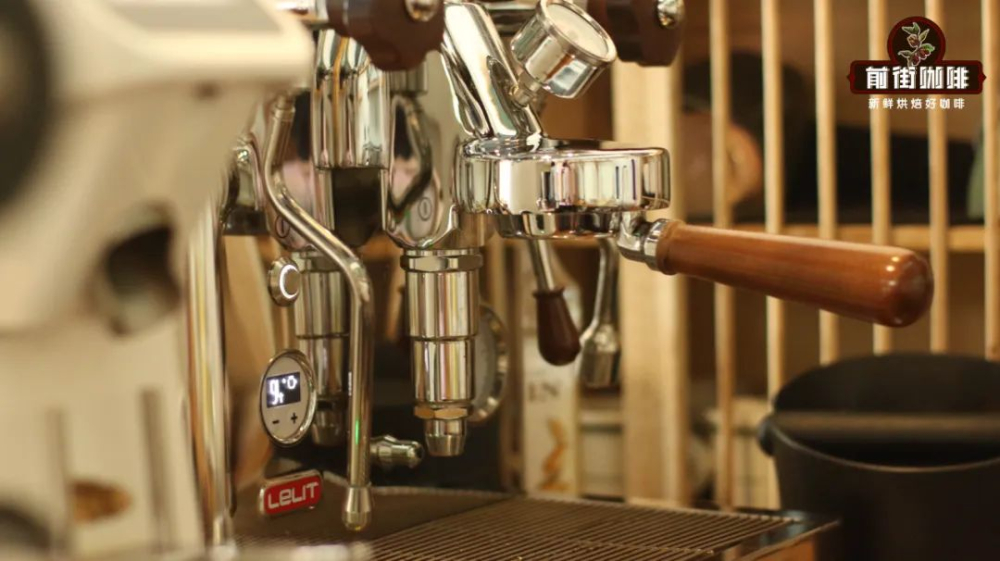
Introduction:To consistently brew delicious espresso, regular maintenance of your espresso machine is key. This article provides a detailed guide on daily cleaning, in-depth part maintenance, and gasket replacement for home semi-automatic espresso machines. From the steam wand and shower screen to the portafilter and basket, we’ll walk you step-by-step through proper care to extend your machine’s life and maintain optimal extraction performance.
With the rise of specialty coffee, more and more coffee enthusiasts are choosing to purchase espresso machines for home use to craft their own personalized espressos. However, many users often overlook the daily cleaning and routine maintenance of their machines during initial use, leading to issues such as unstable extraction, weakened steam pressure, and water leakage. These problems can greatly affect coffee flavor and the overall user experience.
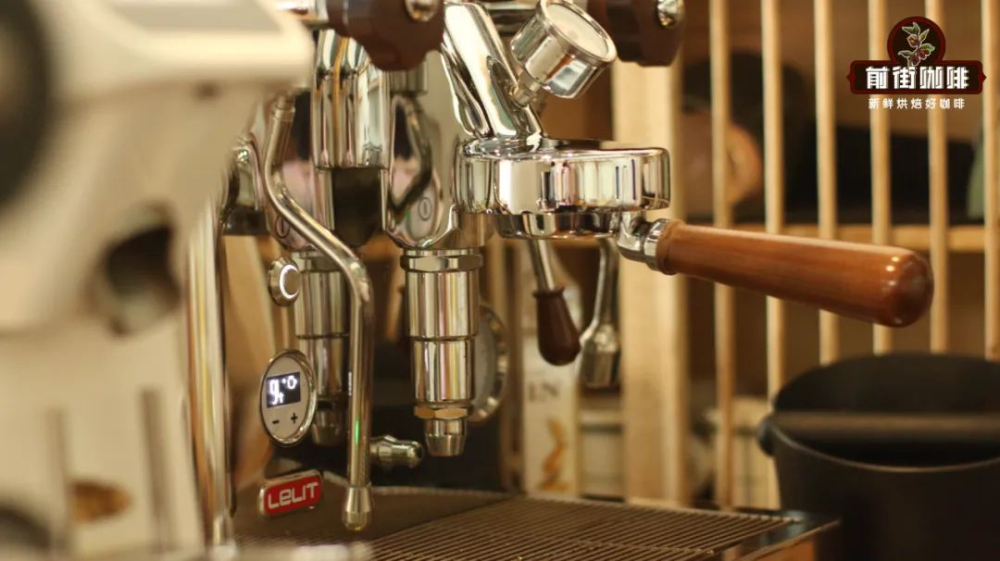
Below, we’ll introduce a complete workflow from daily cleaning to deep maintenance to help you better understand how to properly maintain your home semi-automatic espresso machine and keep it in optimal condition over the long term.
Daily Cleaning: Maintaining Basic Performance
Daily cleaning refers to the basic maintenance recommended right after each coffee brewing session. It mainly includes two key aspects: immediate cleaning of the steam wand and cleansing the shower screen of the brew head.
1. Immediate Cleaning of the Steam Wand
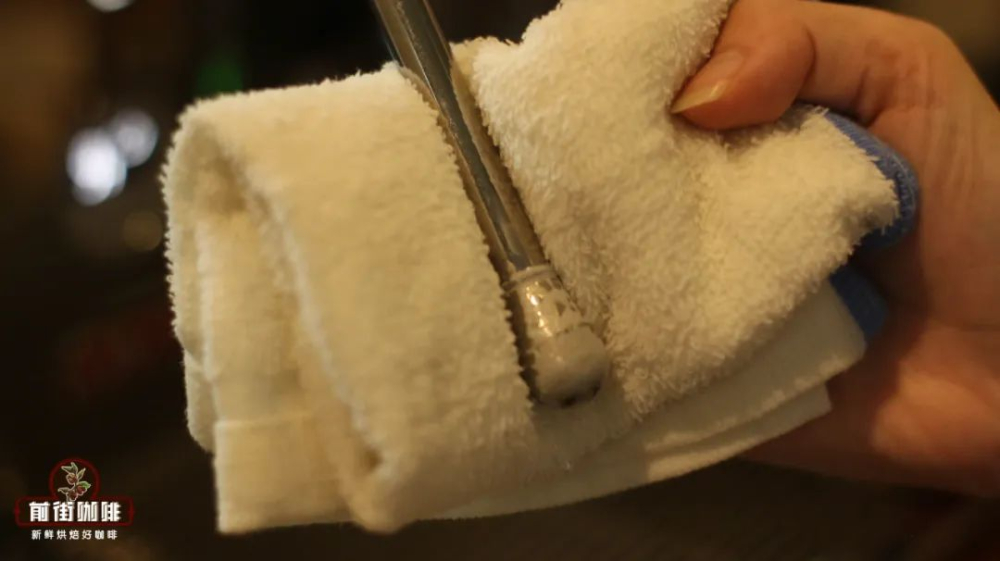
After frothing milk, milk foam residue tends to stick to the surface of the steam wand. If not cleaned promptly, the high temperature can cause the milk residue to burn, leading to off-flavors over time. It may also clog the steam holes, resulting in noticeably reduced steam output.
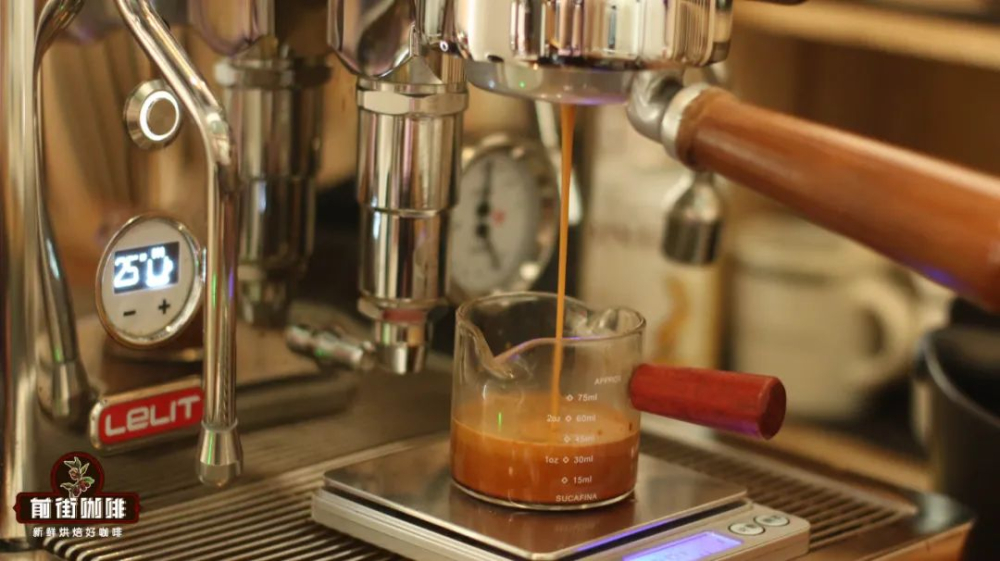
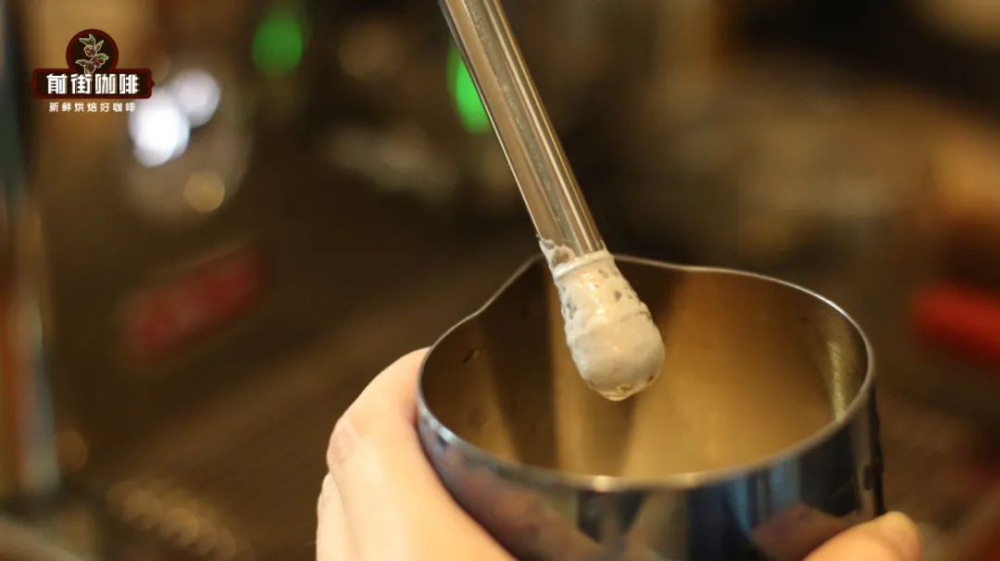
The correct approach is to immediately wipe the head of the steam wand with a clean, damp cloth after frothing to thoroughly remove any milk residue. Then, direct the steam wand upward above the drip tray (avoiding people) and release steam for about 3 to 5 seconds to clear any residual milk inside the internal tubing.
2. Immediate Cleaning of the Brew Head Shower Screen
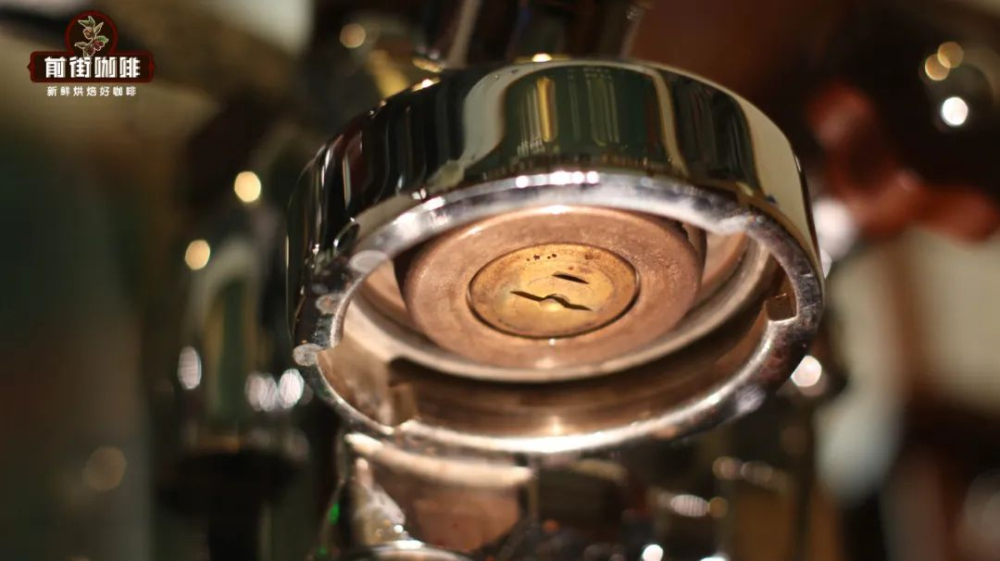
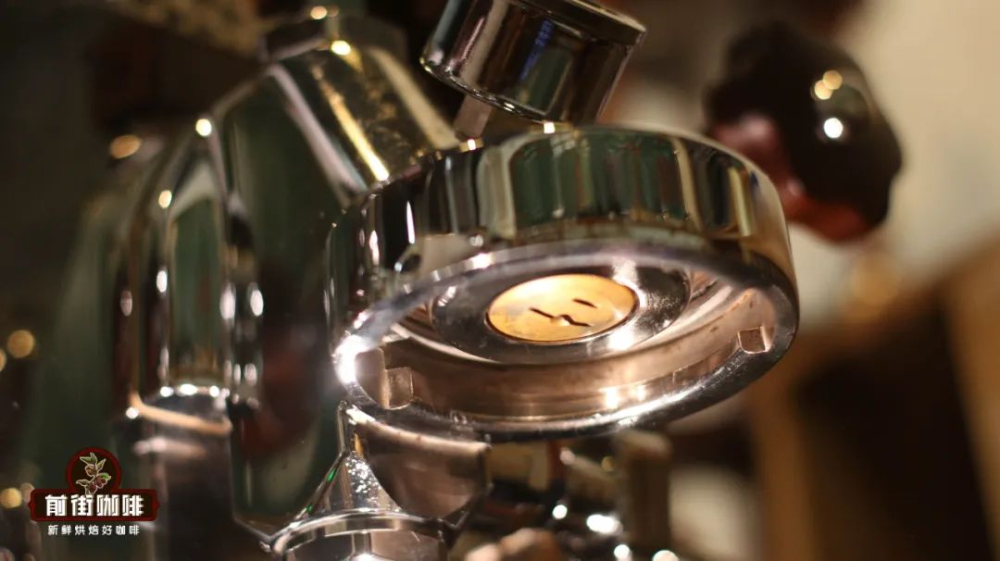
The shower screen is the first component that comes into contact with pressurized hot water and coffee grounds, and it’s also where coffee oils and fine particles tend to accumulate. If not cleaned promptly, it can affect the flow rate and flavor of subsequent extractions.
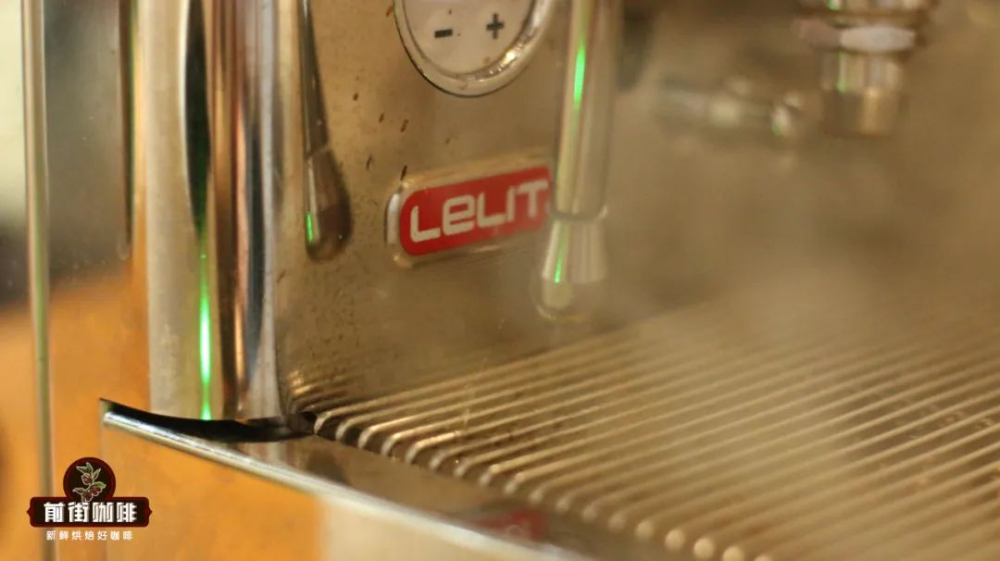
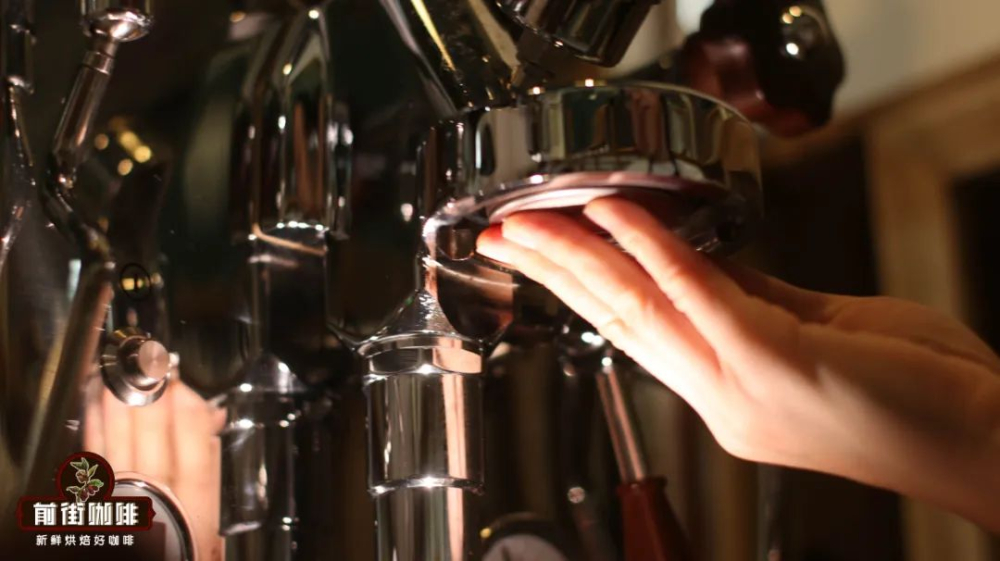
After each espresso extraction, you should first remove the portafilter and coffee puck, then rinse the shower screen by pressing the brew button to let water flow through, or gently scrub the surface with a soft-bristled cleaning brush to remove attached coffee grounds and oils.
Pre-Shutdown Routine Maintenance
Even with daily use, it’s recommended to perform a simple backflush procedure after each use or every few uses to help clear accumulated residue inside the tubing and brew head.
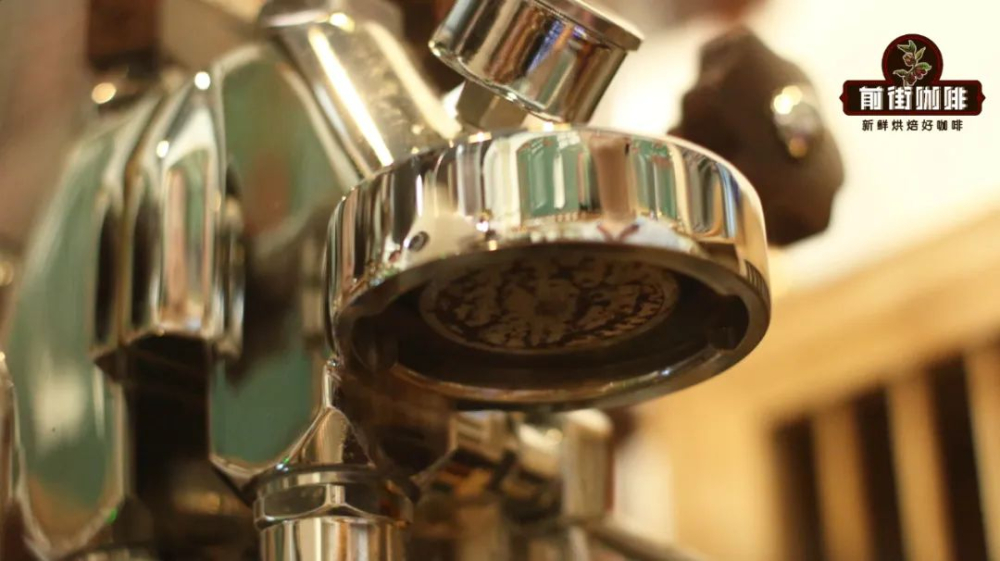
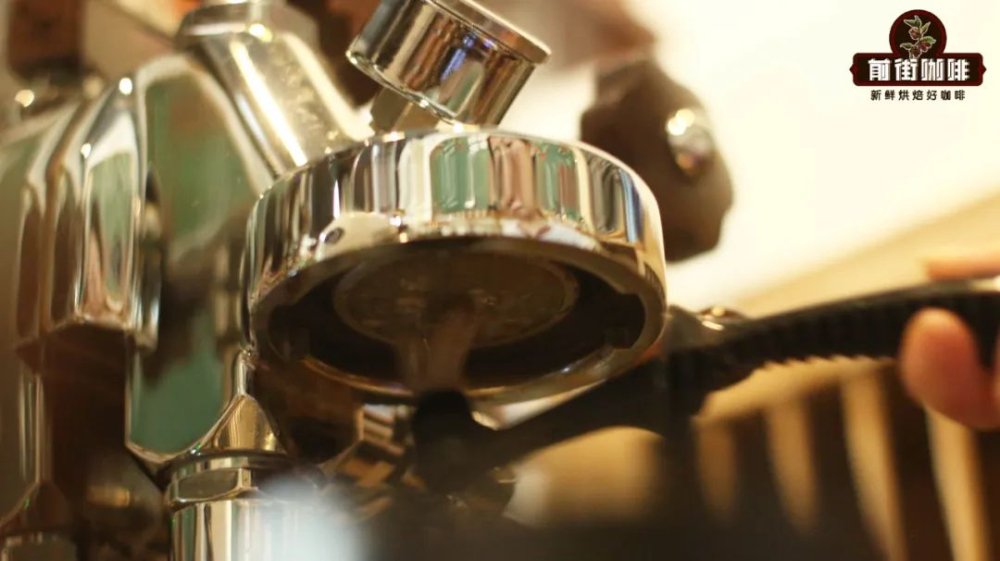
You can use the included blind filter (a portafilter basket without holes) attached to the portafilter, and run the machine under pressure without coffee grounds to backflush the internal lines. After backflushing, it’s advisable to remove the portafilter and gently brush the recesses of the brew head with a soft brush to remove residue in hard-to-reach areas. Finally, wipe the entire machine with a dry cloth to keep both the exterior and interior clean.
Additionally, remember to open the steam wand after shutting down the machine to release any remaining steam and prevent condensation inside the tubing from forming limescale. Also, empty the water tank completely to avoid bacterial growth due to water standing for extended periods.
Regular Deep Cleaning: Thoroughly Removing Stubborn Dirt
Even with daily cleaning, long-term use will inevitably lead to deposits of coffee oils, limescale, or milk stains—especially inside the shower screen, steam wand holes, and the portafilter system. In such cases, a more in-depth cleaning process is required.
1. Deep Cleaning of the Steam Wand
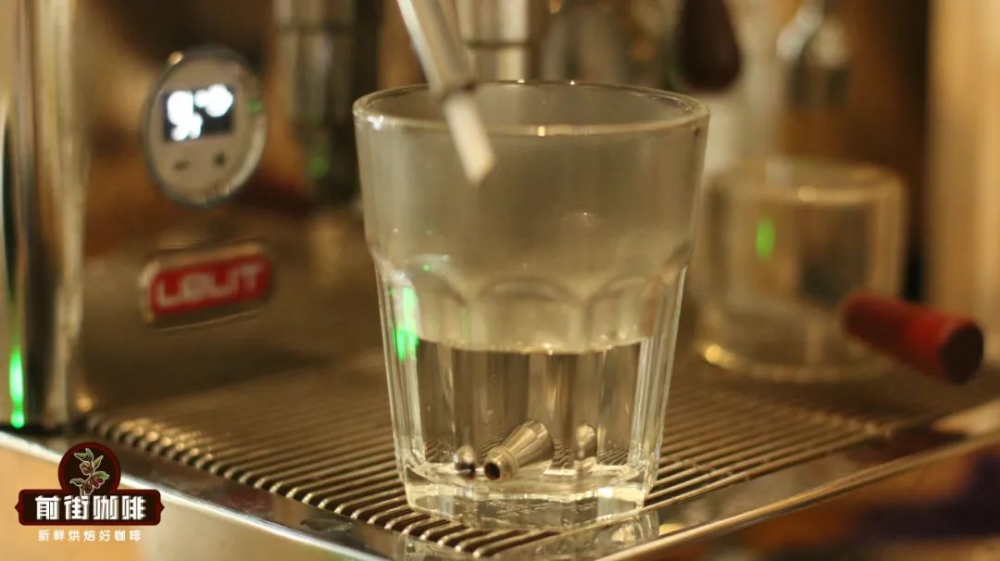
Clogging of the steam holes is usually caused by limescale or milk residue. Depending on the situation, different methods can be applied. If the steam output noticeably decreases, you can try removing the steam wand, soaking it in hot water, and then using a thin needle (like a SIM card tool) or a specialized cleaning brush to clear the small holes. If limescale is suspected, you can use a descaling agent diluted to the appropriate ratio for soaking.
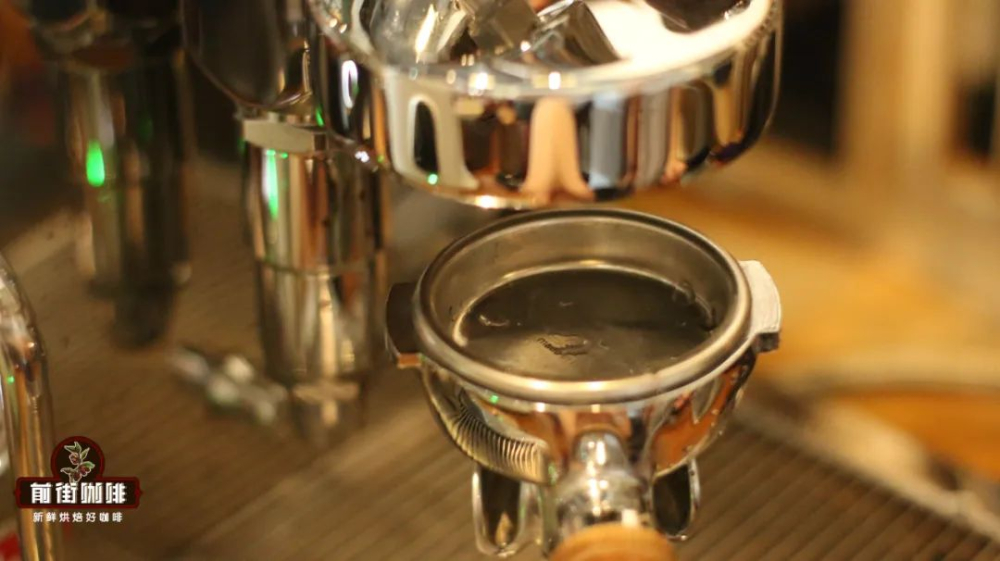
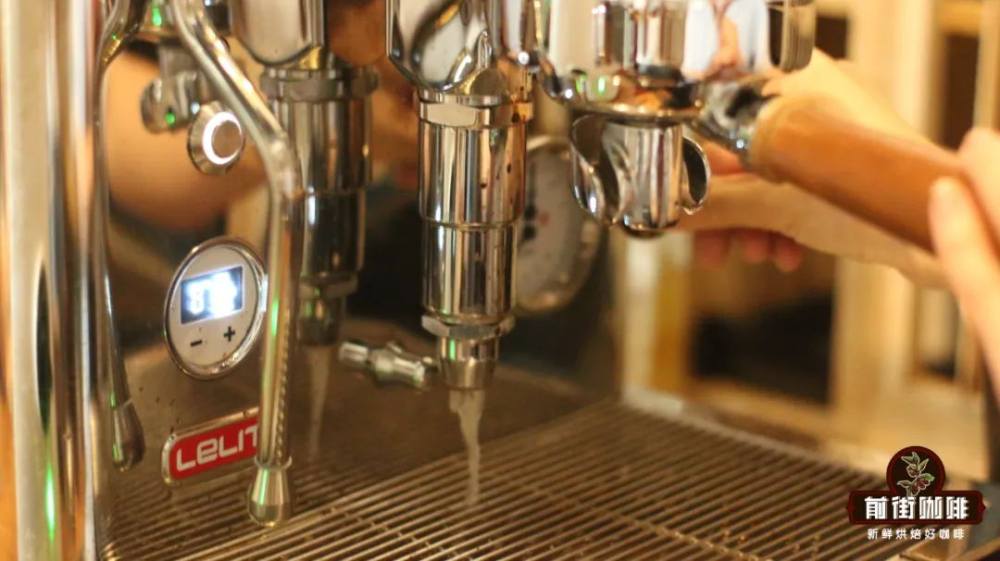
After cleaning, reassemble the wand and perform an air test to confirm whether the steam output has returned to normal. If issues persist, it’s advisable to contact a professional technician for inspection.
2. Deep Cleaning of the Shower Screen
While the exterior of the shower screen is often cleaned, its inner grooves are not easily accessible. It’s recommended to perform a backflush cleaning with specialized espresso machine cleaning powder regularly (about every 2–4 weeks).
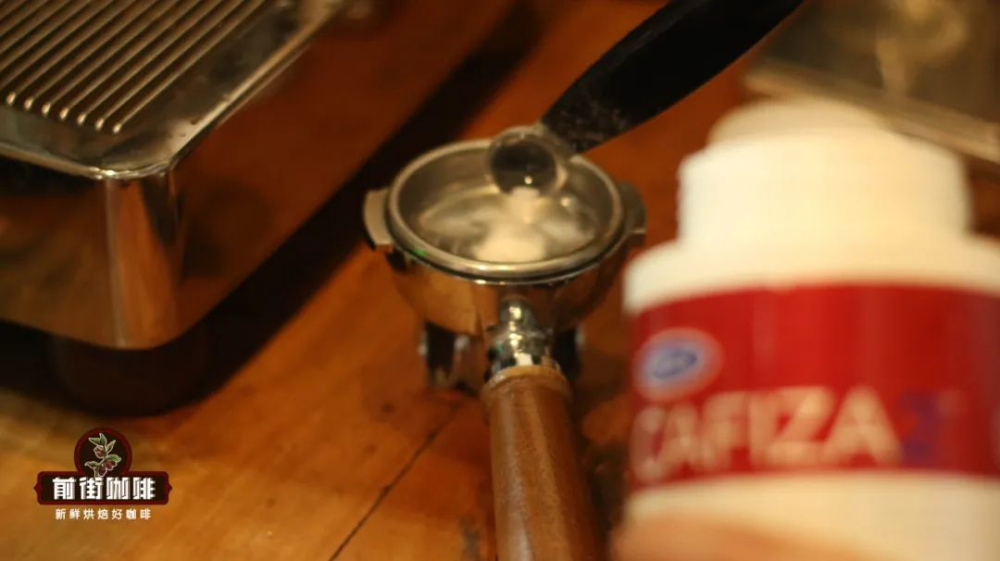
The operation method is as follows: attach the blind filter to the portafilter, add about 3 grams of cleaning powder into the blind filter, and start the extraction process to allow the cleaning powder to enter the internal tubing under pressure. Each backflush should last about 15 seconds, repeated 3 to 5 times. Be mindful of controlling the pressure and duration to avoid damaging the pressure relief valve. Finally, rinse with water and brush away any residue.
3. Deep Cleaning of the Portafilter and Basket
If a two-spouted portafilter is not cleaned regularly, internal residues such as leftover coffee liquid and oils can accumulate, causing odors or even hygiene issues. You can soak the portafilter and basket in hot water (about 50–60°C) with added cleaning powder for about 30 minutes, then rinse thoroughly with water.
Gasket Replacement: Preventing Leaks and Maintaining Structural Stability
If you notice side leakage during extraction, the portafilter not fitting tightly, or a loose feel during operation, it’s likely that the internal gaskets have hardened or worn out. In this case, consider replacing them with new gaskets to ensure stable extraction pressure and machine sealing.
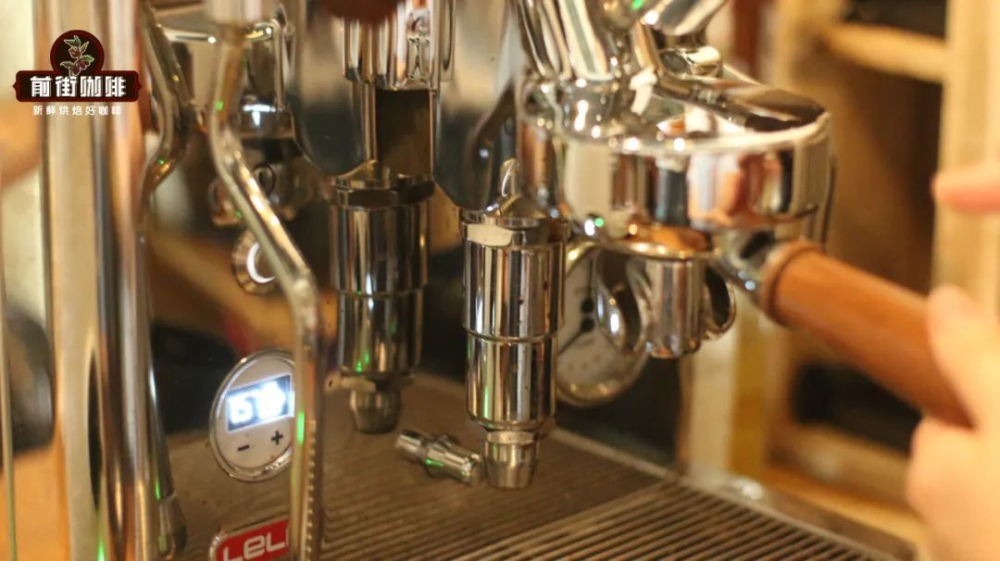
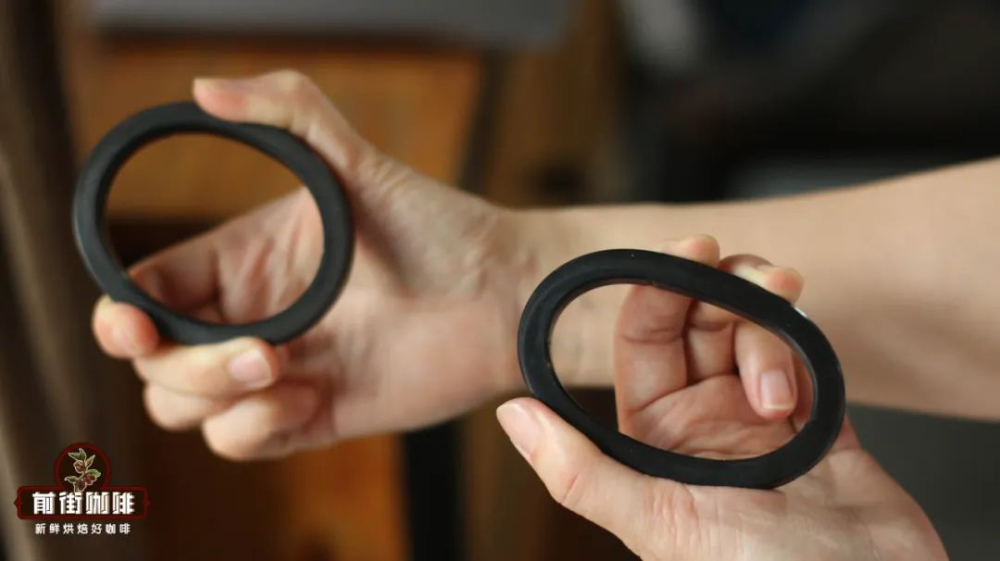
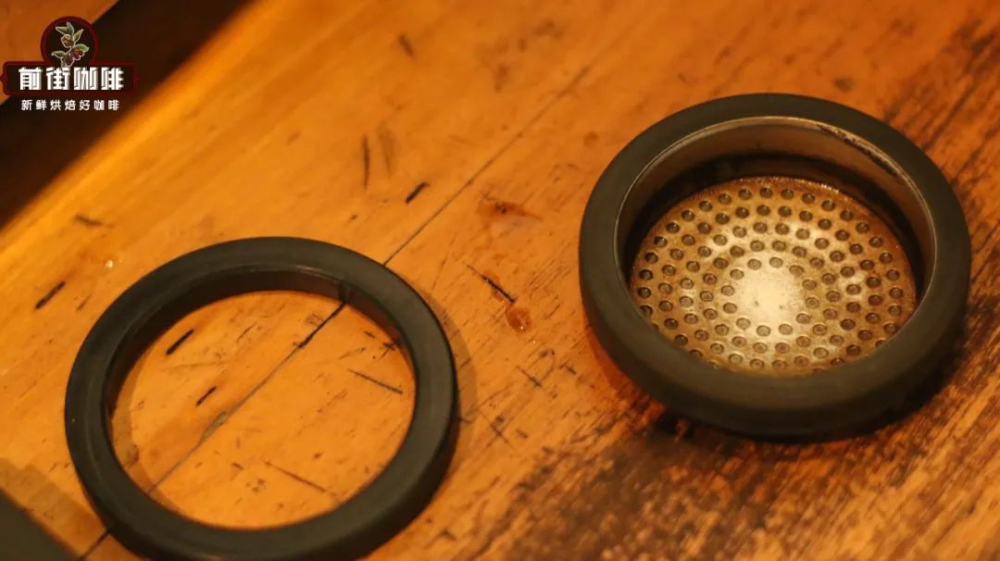
Different machine models have varying brew head designs, so it’s recommended to consult the manual or manufacturer beforehand to understand the correct disassembly method. The general process is: after turning off the machine and allowing it to cool, remove the brew head, take out the old gasket, clean any surrounding residue, and then securely re-install the new gasket in the shower screen position. Finally, reassemble the parts.
Note: Before installation, make sure the gasket model and size are correct to avoid pressure issues or secondary wear due to improper fit.
About Water Usage: Preventing Limescale from Affecting Performance
Finally, it’s recommended to use filtered or soft water for brewing coffee to prevent excessive minerals in the water from depositing in the boiler and tubing over time, forming limescale. This not only affects coffee taste but can also cause equipment malfunctions and increase repair costs.
By following the complete cleaning and maintenance procedures outlined above, you can effectively extend the lifespan of your home semi-automatic espresso machine and ensure that every extraction delivers stable, excellent coffee flavor.
The above content is compiled by CoffeeHunters, a coffee news website.


