








Introduction:About 60% of a coffee’s flavor profile comes from the green beans, while roasting contributes around 30%, profoundly shaping the final cupping experience. What factors determine the roast level of coffee beans? What are the key differences between light, medium, and dark roasts? This article will delve into the relationship between roast color, temperature curves, and development time to help you understand the science and art behind different roast styles, as well as offer practical advice on bean selection and brewing.
The flavor profile of a cup of coffee is roughly 60% determined by the quality of the green beans themselves, about 30% from the chemical and physical changes during roasting, and only about 10% from the final extraction method. That’s why roasting is not just a technique, but an interpretation of a bean’s potential. Faced with a wide array of green beans, how do roasters decide the most suitable roast level? There is no absolute standard—instead, it's based on a comprehensive judgment of the bean variety’s characteristics, the terroir of the origin, and the desired flavor profile.
Generally speaking, the industry often uses the roasted bean color as the basis for classification. By referring to internationally recognized color charts, common roast names such as Cinnamon (light roast), City (medium roast), Vienna, French, and even Dark French have emerged. However, this system serves only as a reference, and exceptions are common in practice—for example, beans from certain regions may be difficult to darken in color even with extended roasting time due to higher moisture content or density, yet their key flavors are already fully expressed; conversely, some beans may appear dark in color in a relatively short time due to high sugar content. In addition, if relying solely on discharge temperature for judgment, one must also consider the differences in roaster models and heat source configurations—for instance, the 230°C to 240°C range commonly seen in Japanese roast curves is noticeably different from that of general commercial machines.
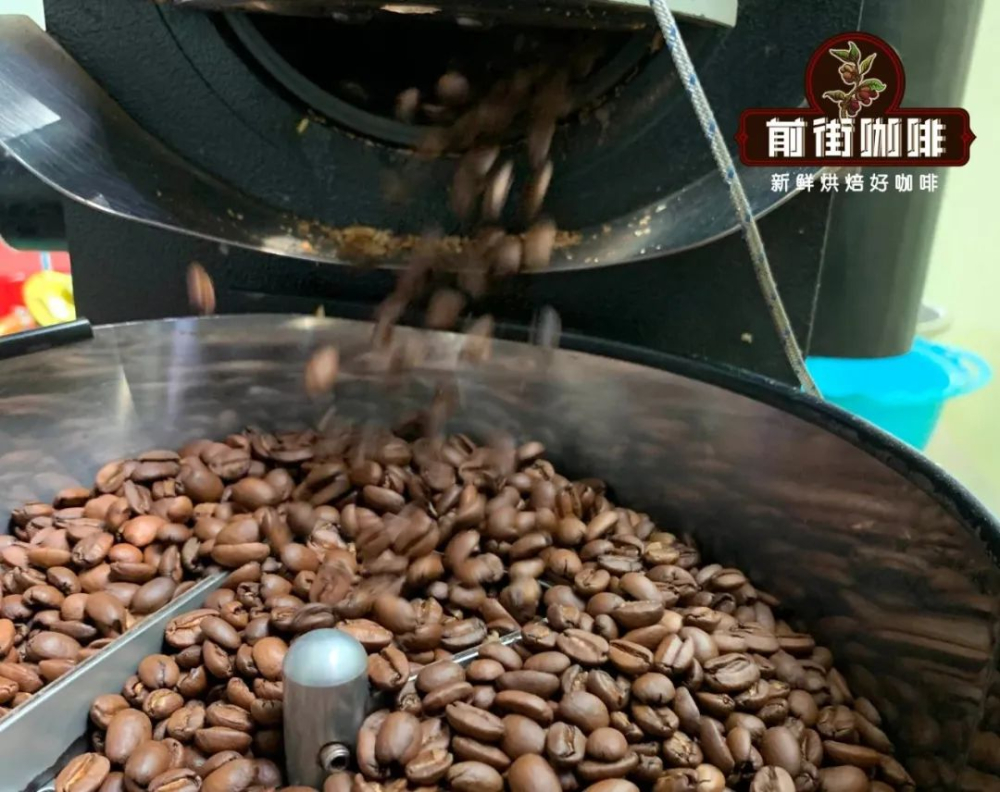
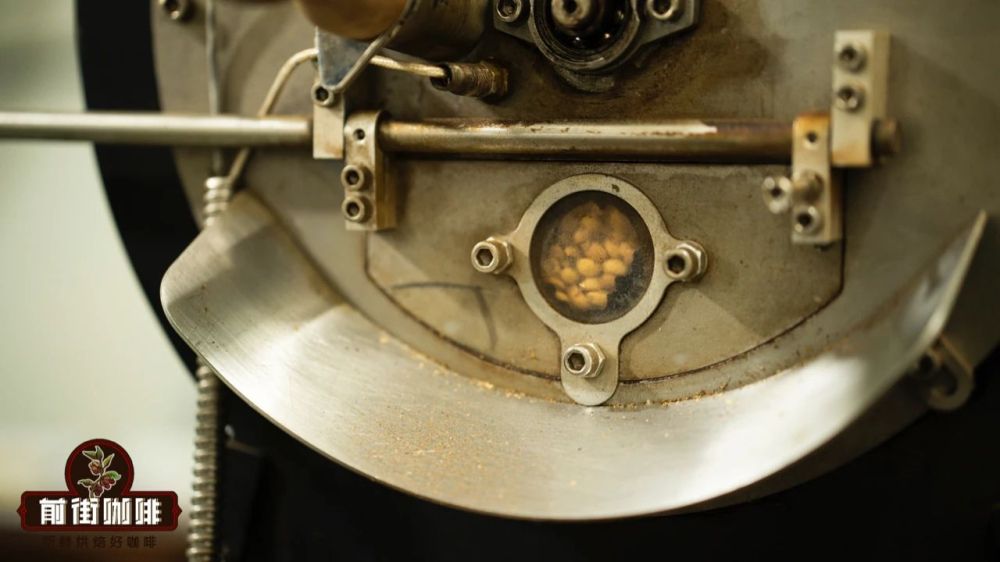
Roasting is essentially the process of subjecting green beans to high temperatures (usually above 200°C) to trigger a series of Maillard reactions and caramelization, lasting approximately 10 to 15 minutes, accompanied by distinct “first crack” and “second crack” sounds, along with gradual moisture loss and volume expansion. During this process, chlorogenic acids—which make up a significant portion initially—gradually decompose, releasing pleasant organic acids such as citric acid, acetic acid, and malic acid. The skill of the roaster lies in precisely controlling the balance of these reactions. Theoretically, the brief range of about 10°C from the start of the first crack to the end of the second crack can give rise to three main roast styles: light, medium, and dark. Even though the discharge temperature difference may be just two or three degrees, by observing changes in bean surface color, shape, and cupping flavors, their attributes can still be clearly distinguished.
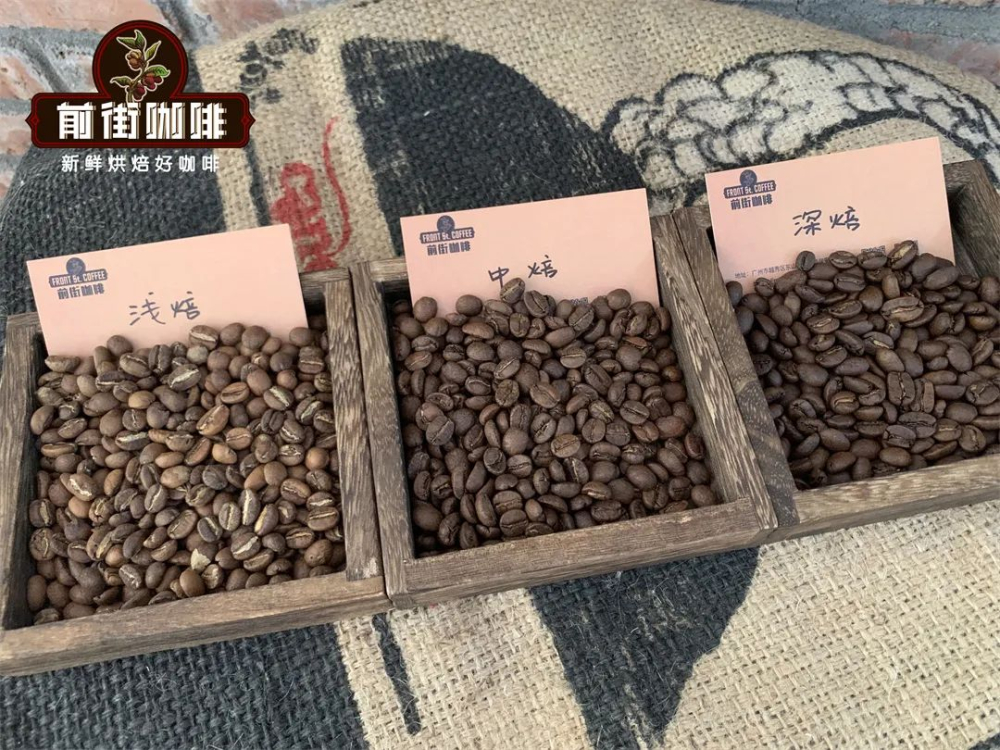
Breaking it down by roast phase: Light roast typically falls in the “mid-to-late first crack” stage, where enzymatic activity and initial Maillard reactions have just begun, organic acids are preserved intact, acidity is bright and vibrant, and bitterness is minimal—making it especially suitable for drinkers who prefer a fresh, fruity acidity.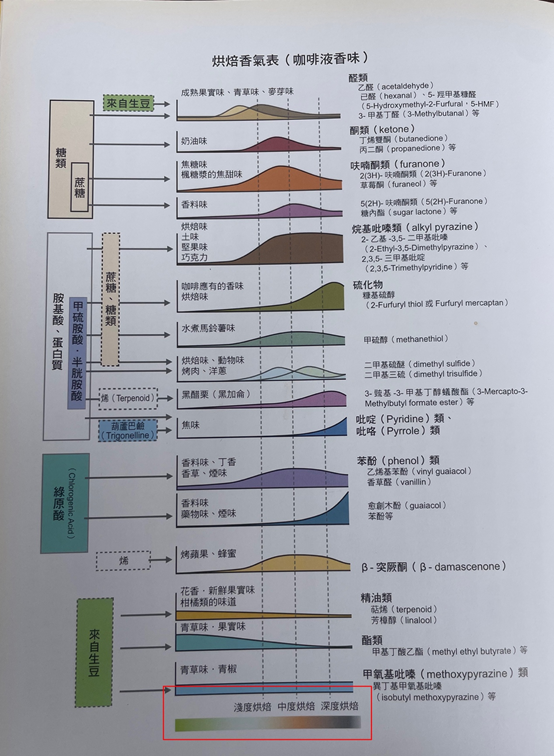 Medium roast lies between the “end of the first crack and before the second crack.” At this stage, caramelization and Maillard reactions intensify, acidity is slightly subdued, but sweetness and body are significantly enhanced, often exhibiting layers of caramel, nuts, and dark chocolate. This is the golden range where most specialty coffees showcase their characteristics. As for dark roast, it mostly refers to the “late second crack” stage, when caramelization is nearing its end and Maillard reactions dominate, producing resinous notes, spicy undertones, and even slight carbonized aromas—suitable for situations where a rich, full-bodied taste is desired.
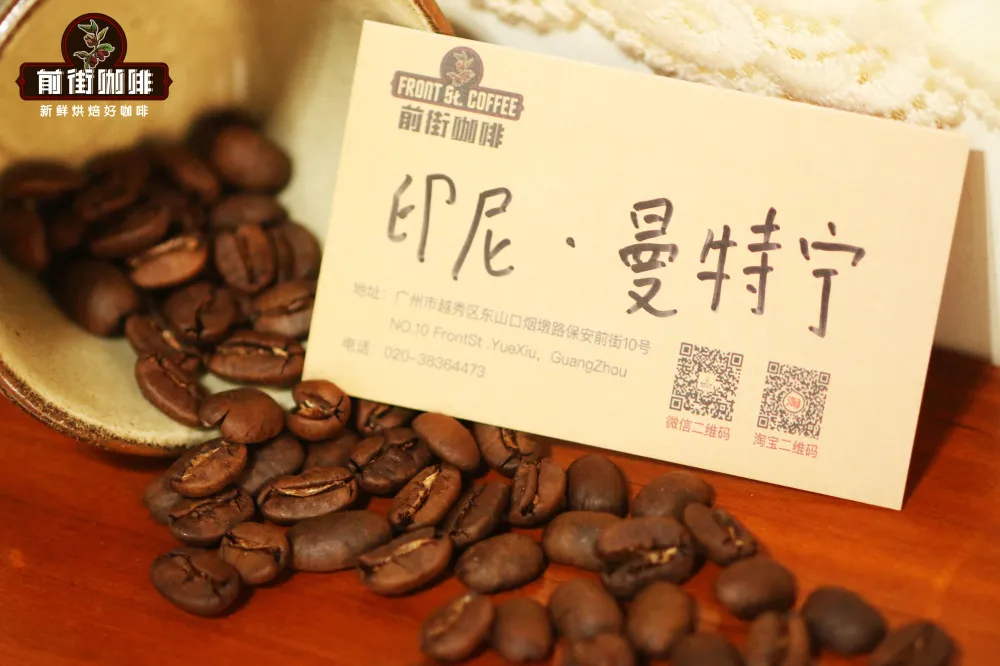
The factors determining roast level are diverse, with historical background and regional tradition being primary. Early consumers placed more emphasis on coffee’s stimulating function than on subtle flavors, so many globally renowned origins such as Mandheling (Indonesia), Brazil, Colombia, and even Blue Mountain have long favored dark roasting as the mainstream, resulting in a solid, full-bodied flavor foundation. For example, Indonesian Mandheling, benefiting from high-altitude volcanic soil and the wet-hulling process, inherently possesses herbal, woody aromas and a unique lingering sweetness. Using deep roasting further enhances its low-acid, bold characteristics. Switching to medium or light roast might instead highlight unnecessary high acidity, disrupting its classic flavor profile.
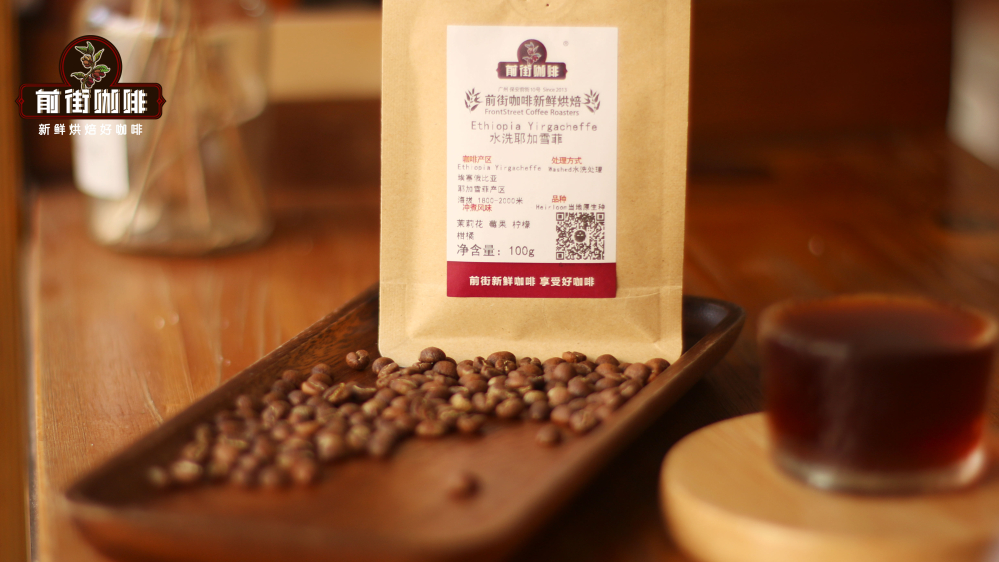
 Another key factor is the bean’s appearance and processing traits. Take Ethiopian Yirgacheffe, for instance. Beans from this origin are small and inconsistent in size (mostly the heirloom variety), and extending the roasting time in pursuit of uniform color can easily lead to an imbalance—smaller beans getting over-roasted while larger ones remain underdeveloped. Coupled with its reputation for bright floral notes and vibrant fruit acidity, light roasting can most effectively preserve these delicate flavors. Similarly, the slender-shaped Gesha beans, due to their larger size and unique density, require longer roasting times than average beans to achieve even maturity, yet precise control of heat is necessary to avoid excessive bitterness. Therefore, they often fall within a slightly medium-light range to bring out their unique citrus, tea-like, and floral notes.
The above content is compiled by CoffeeHunters, a coffee news website.


