







Introduction:Do you know why freshly roasted coffee beans aren't suitable for immediate brewing? This article delves into the science behind coffee resting periods, guiding you through the entire process from degassing to flavor maturation. Learn the ideal resting times for light to medium and medium to dark roasts, as well as how to determine the golden window for enjoying your coffee, ensuring every pour over extracts the most balanced flavor profile.
Many people mistakenly believe that the fresher the coffee beans, the better. In reality, just-roasted beans are like freshly steamed buns—they need time to "wake up." This crucial maturation phase is called the "resting period," during which coffee beans release carbon dioxide produced during roasting and allow their flavors to reach their optimal state.
Freshly roasted coffee beans go through what’s known as the "dry or astringent phase," caused by residual high-temperature reaction substances. This manifests as pronounced sharp acidity, unbalanced bitterness, and an lingering astringency in the mouth. These phenomena mainly stem from pyrolytic compounds generated during roasting that haven’t yet fully stabilized and require time for molecular restructuring.
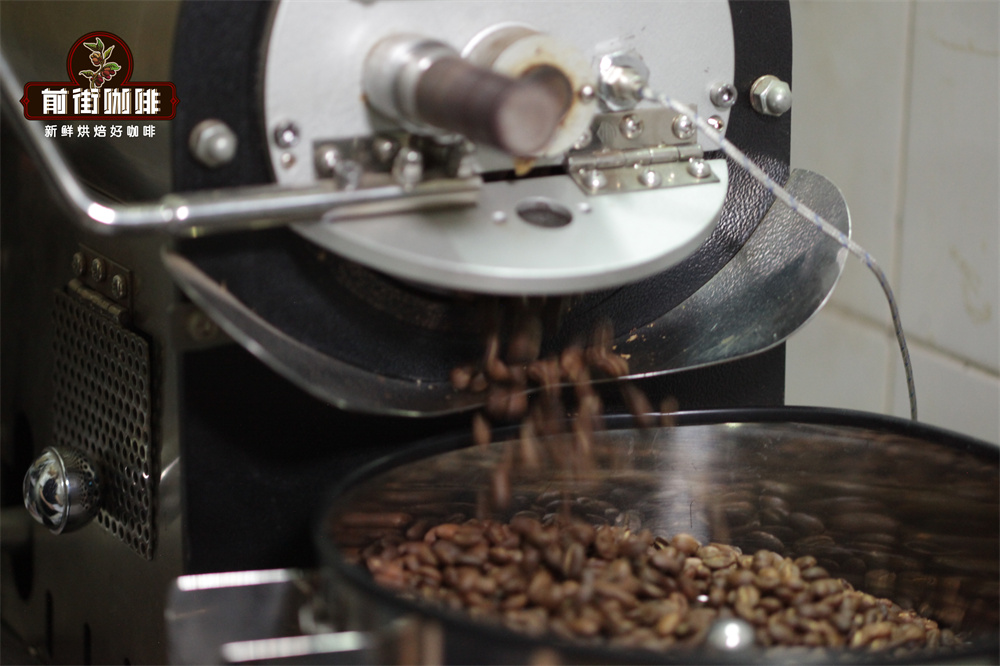 Scientific data shows that per kilogram of coffee beans releases approximately 6–10 liters of carbon dioxide at room temperature, with nearly 35% of it being released within the first three days after roasting. This degassing process also carries away some volatile aromatic compounds, so brewing immediately can lead to uneven extraction due to excessive gas interference.
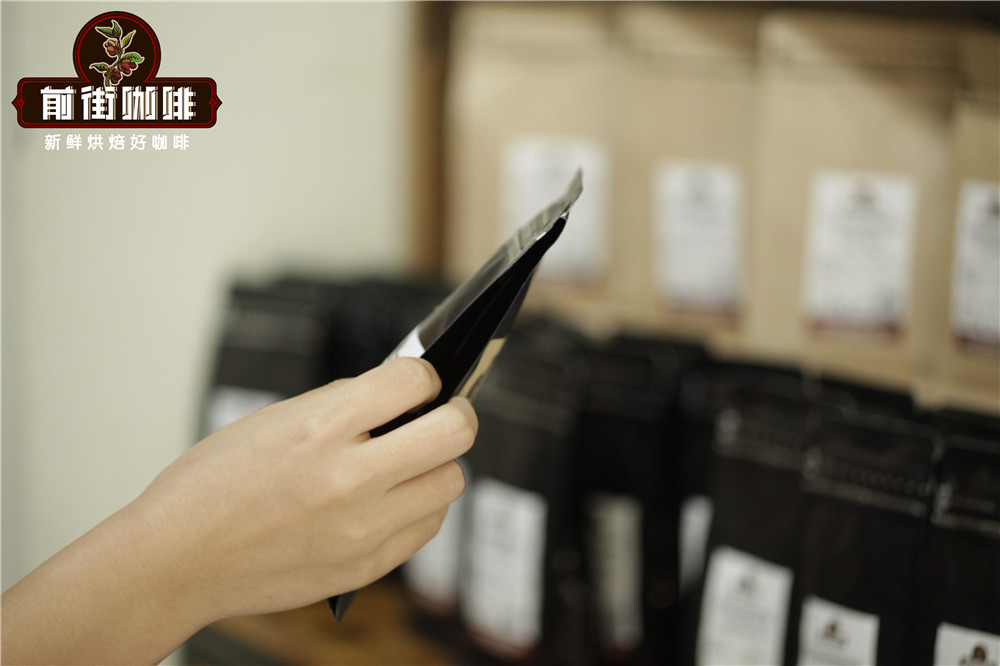
The ideal way to rest coffee beans is to store them in packaging equipped with a one-way degassing valve and keep them in a cool, dry place. This special packaging ensures smooth carbon dioxide release while preventing oxygen from entering and causing oxidation.For light to medium roasts, rest for 3–4 days; medium roasts, 4–5 days; and medium to dark roasts require 6–7 days of maturation.Different roast levels affect bean density and reaction speed, thereby altering the required resting time.
 The so-called "optimal flavor window" is a concept distinctly different from simple shelf life. From the day of roasting, coffee beans typically reach their peak flavor between days 7–20—a golden period that showcases the most complete aroma spectrum and taste layers. Notably,light roast beans generally have a shorter but more vibrant flavor window compared to dark roasts, while dark roasts possess a longer stability period.。
 To determine whether coffee beans have reached their optimal brewing state, observe their expansion rate and flow rate during brewing. Once the beans have released enough gases, the aroma during grinding will be more concentrated, and the crema during brewing will exhibit a more uniform golden hue. At this stage, the coffee usually presents the most balanced acidity, sweetness, and bitterness, along with the most layered aftertaste.
Regarding shelf life, coffee beans packaged in aluminum composite foil can maintain quality stability for up to 12 months under ideal storage conditions. However, in practice,coffee beans begin to noticeably lose volatile aromatic compounds about 1–2 months after roasting.Although they remain safe to drink, the freshness and vibrancy of the flavors will be significantly diminished. It’s recommended that consumers purchase based on usage frequency, with an ideal stock being a 2–4 week supply, and to always keep the packaging sealed.
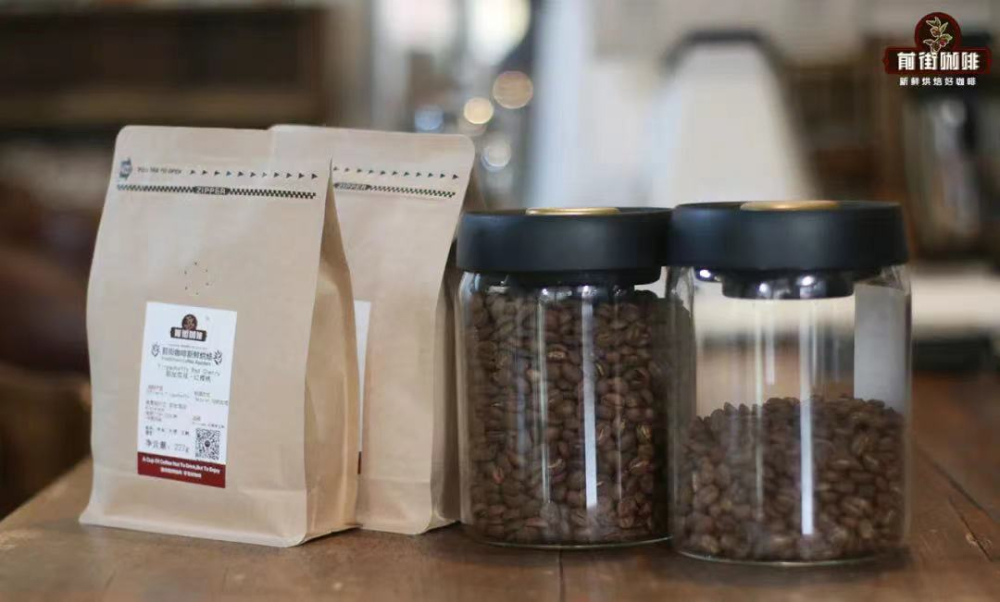 Common resting mistakes include storing beans in the refrigerator (which can cause condensation damage), using breathable containers (which accelerate oxidation), and excessively prolonging the resting period (leading to flavor degradation). Professionals recommend using specialized coffee storage canisters and maintaining the resting environment at a temperature of 18–22°C and humidity between 50–60%, which are the most ideal maturation conditions for most specialty coffee beans.
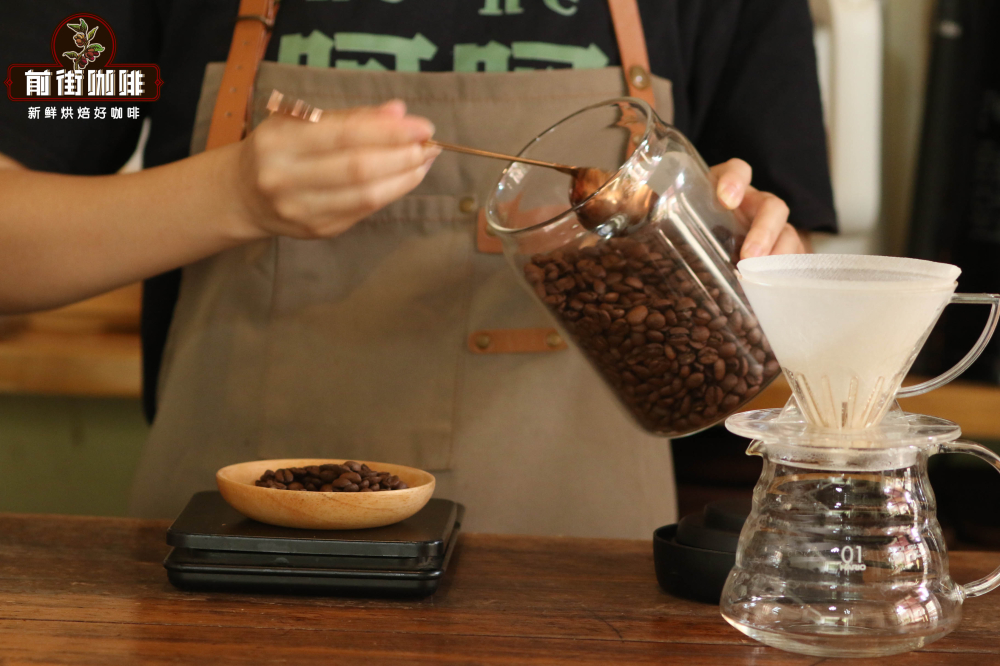 Each coffee bean has its own unique flavor curve, influenced by multiple factors such as origin altitude, processing method, and roast profile. Enthusiasts are advised to keep their own resting notes, recording the optimal brewing time points for different batches of beans. This not only improves brewing consistency but also helps you discover the most captivating flavor characteristics of each bean.
 Finally, a reminder: although coffee beans past their optimal flavor window aren’t necessarily harmful to health, oxidation reactions can produce undesirable flavors like cardboard or greasiness. Regularly check the condition of stored beans, and if you notice any obvious off-odors or signs of pests—even if the beans are within the shelf life—it’s best to discontinue use to ensure the best drinking experience.
The above content is compiled by CoffeeHunters, a coffee news website.


