







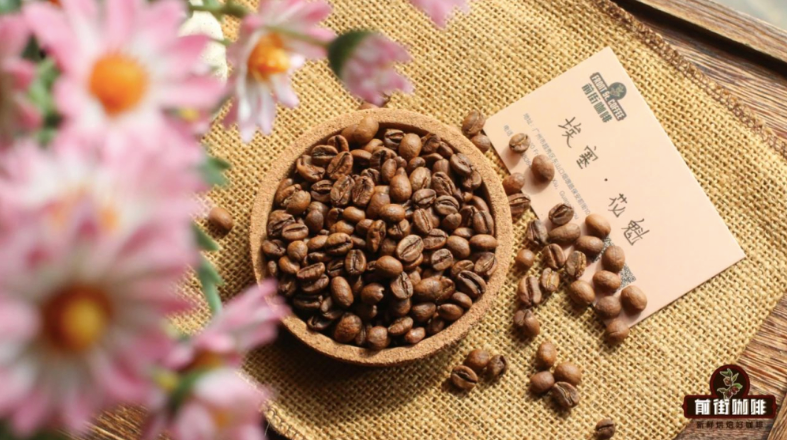
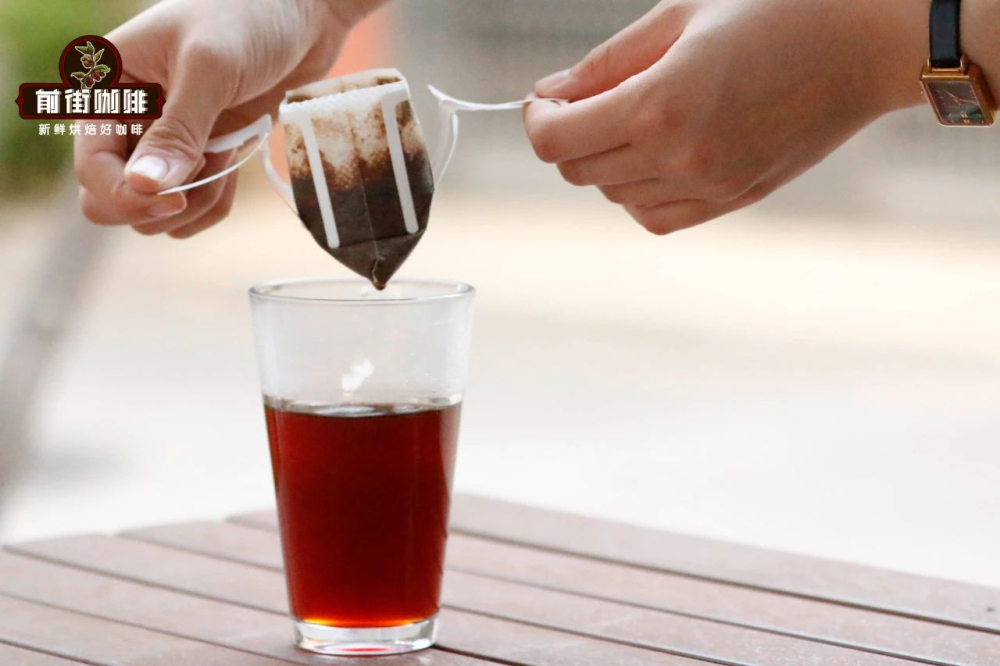
Introduction:As a convenient filter brewing option that closely resembles pour over in flavor, many people miss out on the full potential of drip bags due to improper brewing methods. This article will delve into the ideal coffee-to-water ratio, water temperature control, and best brewing techniques for drip bags, while also introducing several common flavor profiles of drip bag coffee beans to help you transform from a beginner into a drip bag master capable of extracting balanced and rich-tasting coffee.
Drip Bag CoffeeHas become the top choice for many busy coffee enthusiasts in recent years. It combines convenience with a quality close to that of pour over, allowing you to easily enjoy a professional-level coffee experience at home. However, to truly extract the best flavors from drip bag coffee, in addition to choosing the right coffee beans,the correct brewing methodis the key.
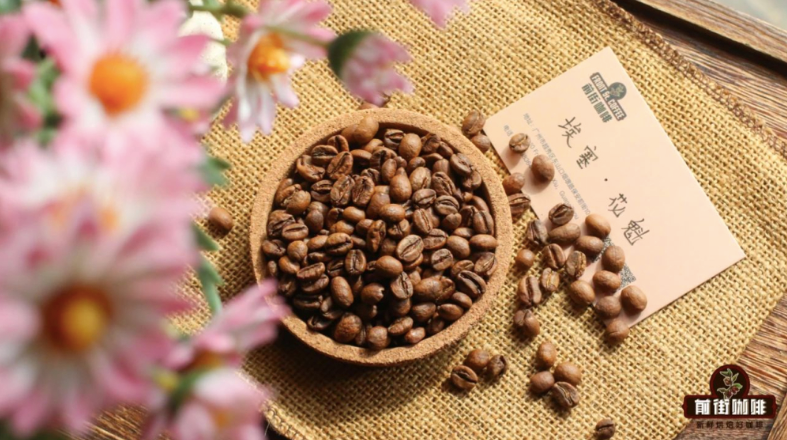
If you want to choose a drip bag coffee that suits your taste, you can start by considering your flavor preference. If you prefer brightfloral and fruity acidity profiles,you can try beans similar to Panamanian Geisha flavors—these coffees often feature complex layers such as citrus and jasmine. For those who enjoy a refreshing sweet-and-sour taste with notes of black tea and berries, you might opt for a mid-to-light roasted day-lot processed coffee like Huakui. Those seekinga balanced and non-overpoweringtaste may find Brazilian beans, known for their low acidity and full body, to be a safe and enjoyable choice. Meanwhile, lovers of bold and rich body flavors may appreciate high-quality Mandheling series such as Golden Mandheling, which offer deep spice and chocolatey aftertastes.
Once you’ve selected your preferred drip bag coffee, the next step is to learn how to brew a delicious cup.The following three key techniquescan significantly enhance your brewing experience and final flavor outcome.
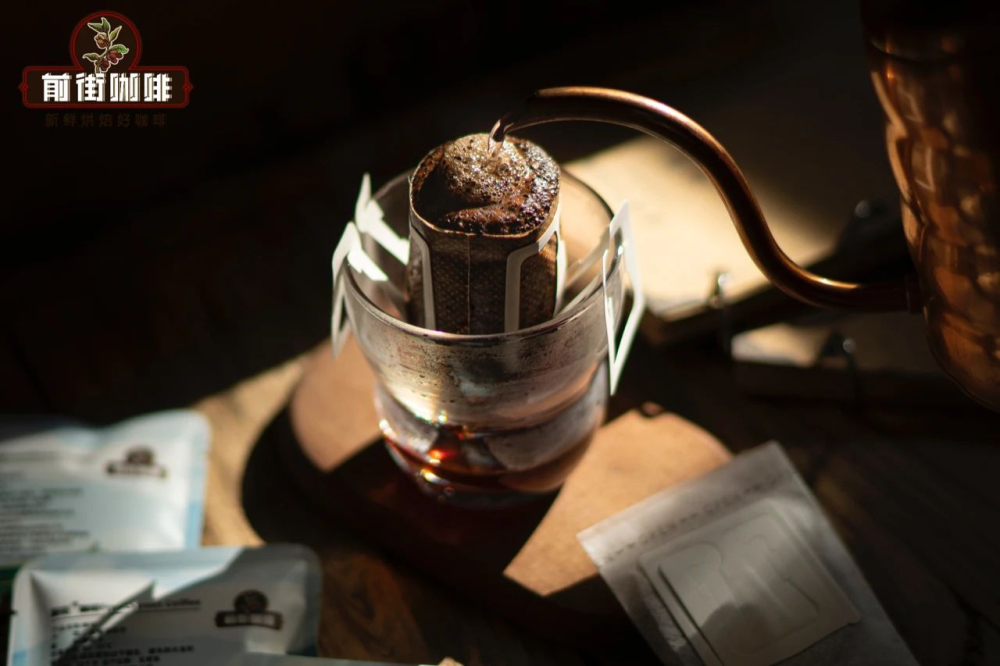
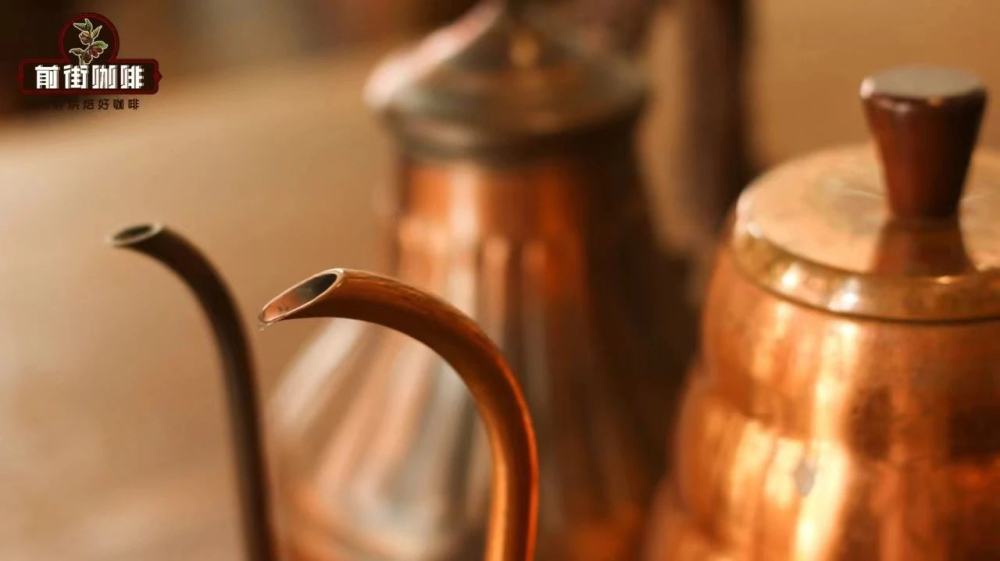
First,using a gooseneck kettle instead of directly pouring from a hot water dispenseris an aspect many beginners overlook. Directly pouring with a strong flow from a hot water dispenser can cause the water stream to be too fast and forceful, disrupting the coffee grounds layer and releasing excessive impurities or unpleasant flavors. Switching to a pour over kettle with a narrow spout not only allows you to more precisely control the speed and coverage of water flow, but also maintains a stable stream that ensures even extraction of each coffee particle, reducing the risks of over-extraction or under-extraction.
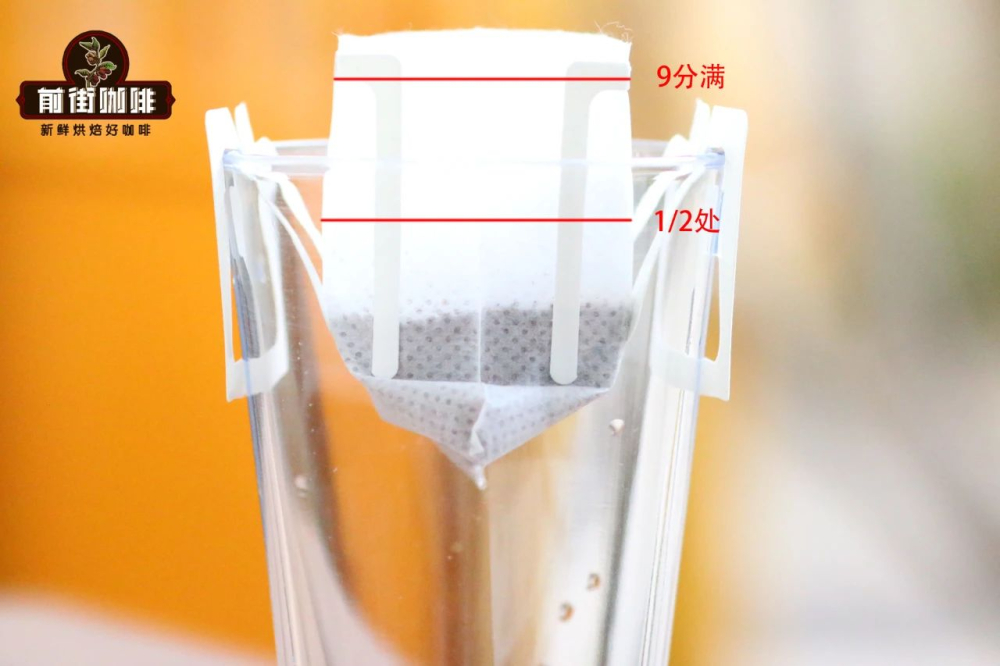
Second,the coffee-to-water ratio is a core parameter that affects the strength and balance of the coffee. Common coffee-to-water ratios range from 1:10 to 1:20, and each ratio delivers a distinctly different taste experience. A ratio that is too strong (e.g., 1:10) can make the coffee taste heavy and bitter, while one that is too weak (e.g., 1:20) may result in a flat flavor lacking depth. For drip bag coffee, it is recommended to use a ratio between 1:12 and 1:16, fine-tuned according to personal taste. Using a measuring cup with markings or a container with capacity indicators can help you more accurately control the water volume, avoiding unstable extraction results caused by pouring by feel.
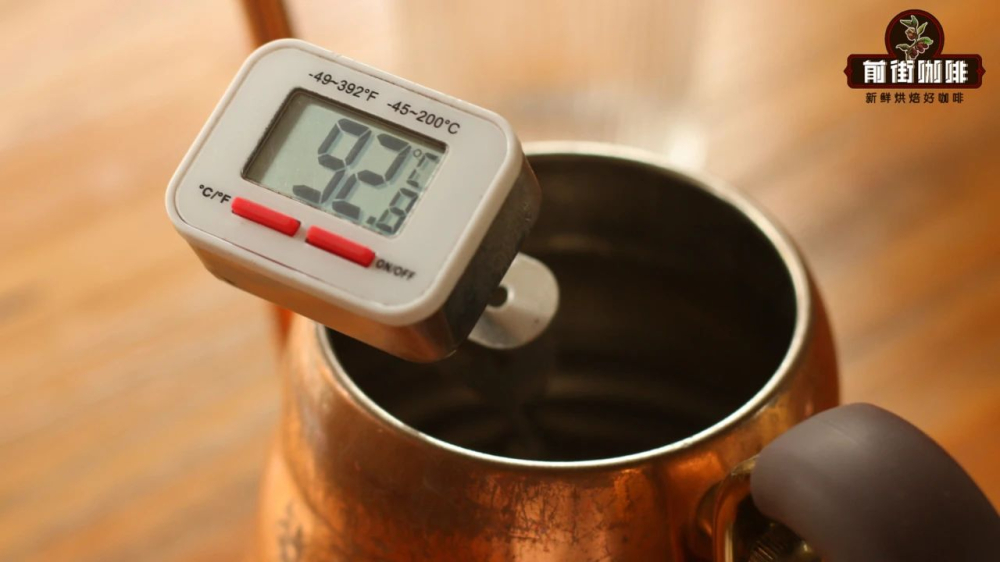
Finally,water temperature control is also an important factor that should not be overlooked. Although drip bag coffee does not require the same precise water temperature down to the degree as strict pour over, it is still recommended to keep the water temperature between 85°C and 95°C. Water that is too hot (above 95°C) can over-extract the fibrous content in the coffee, making the taste rough with noticeable burnt bitterness or astringency. Conversely, water that is too cool (below 85°C) may lead to under-extraction, resulting in a dull-tasting coffee lacking the desired aroma and depth of flavor. If you don’t have a professional thermometer, you can pour freshly boiled water into a gooseneck kettle and let it sit for about 1 to 2 minutes to allow the temperature to naturally drop to the appropriate range before brewing.
In summary, to achieve the best flavor experience from drip bag coffee, in addition to selecting coffee bean types that suit your taste, mastering the correct coffee-to-water ratio, using stable gooseneck kettle pouring techniques, and controlling the appropriate water temperature range are all key to helping you brew coffee at home that approaches the quality of professional pour over. Through continuous experimentation and fine-tuning, you will gain a deeper understanding of your own coffee preferences and enjoy both the process and results of each brew.
The above content is compiled by CoffeeHunters, a coffee news website.


