







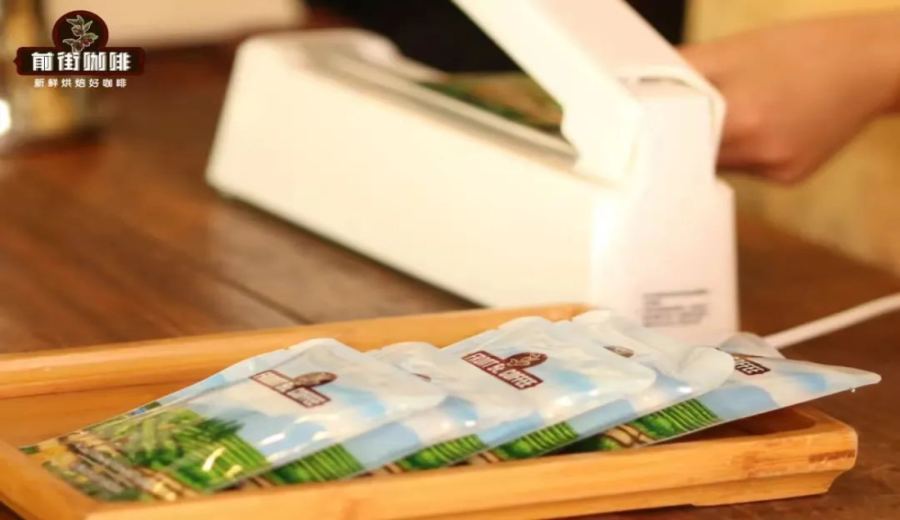
Introduction:Drip bags are a great way to enjoy pour over-style coffee in a busy life—no special equipment is needed to brew a rich cup of black coffee. This article will explain in detail how drip bags work, the correct brewing process, and take an in-depth look at a berry-flavored blend that combines beans from Costa Rica and Ethiopia. We’ll cover everything from water temperature and coffee-to-water ratio to brewing techniques to help you master the key parameters and elevate your home coffee experience.
In recent years, coffee culture has become increasingly popular, with more and more office workers starting their day with a cup of coffee. However, not everyone can frequently visit a café to enjoy professionally brewed pour over coffee, making drip bags a convenient solution that still preserves authentic flavor.
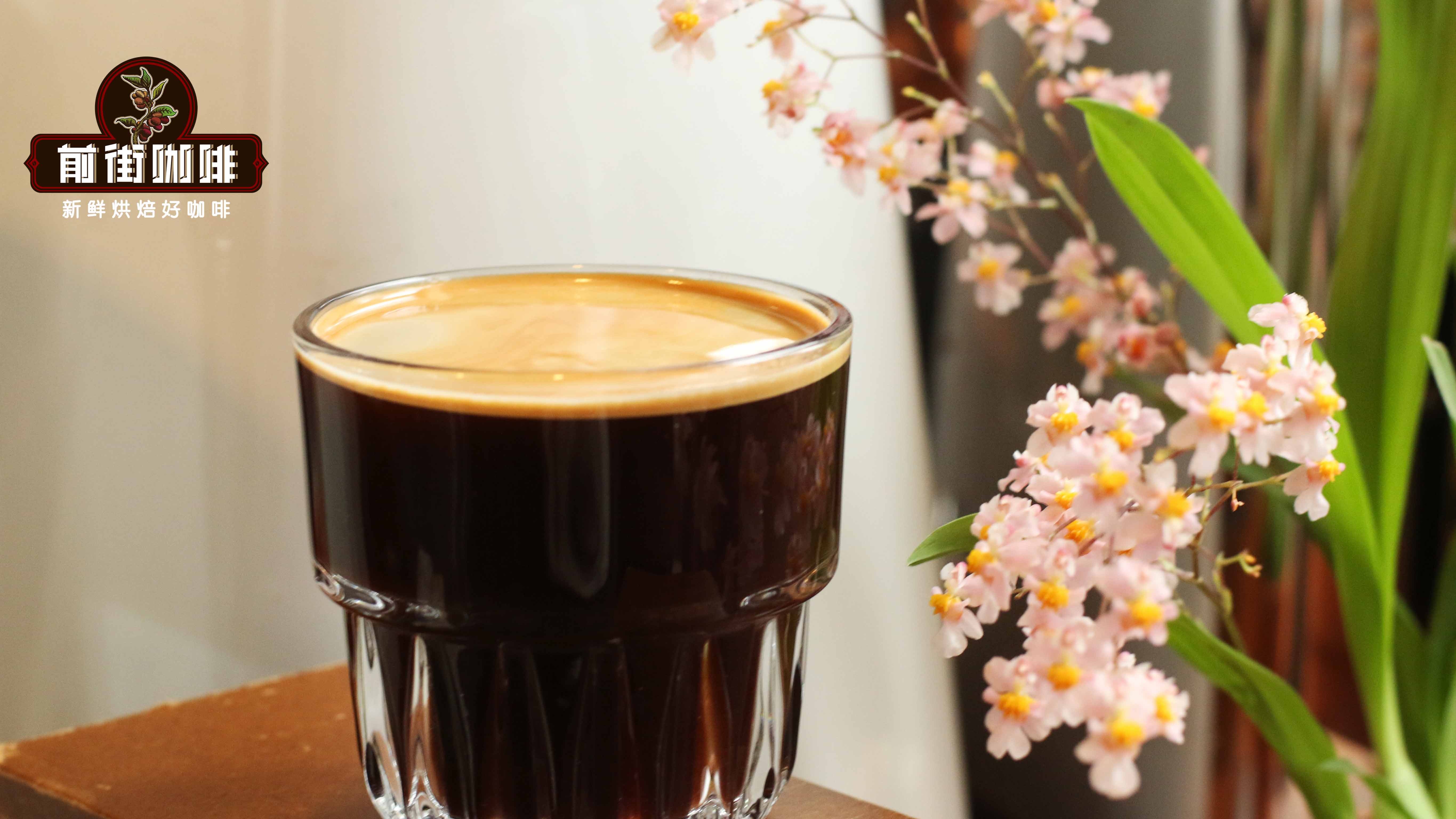
A drip bag is a filter pouch containing freshly ground coffee, equipped with two ear-like handles. All you need is hot water and a cup to enjoy a pour over-like brewing experience anytime, anywhere. This design combines the advantages of filter brewing while simplifying the hassle of preparing equipment.
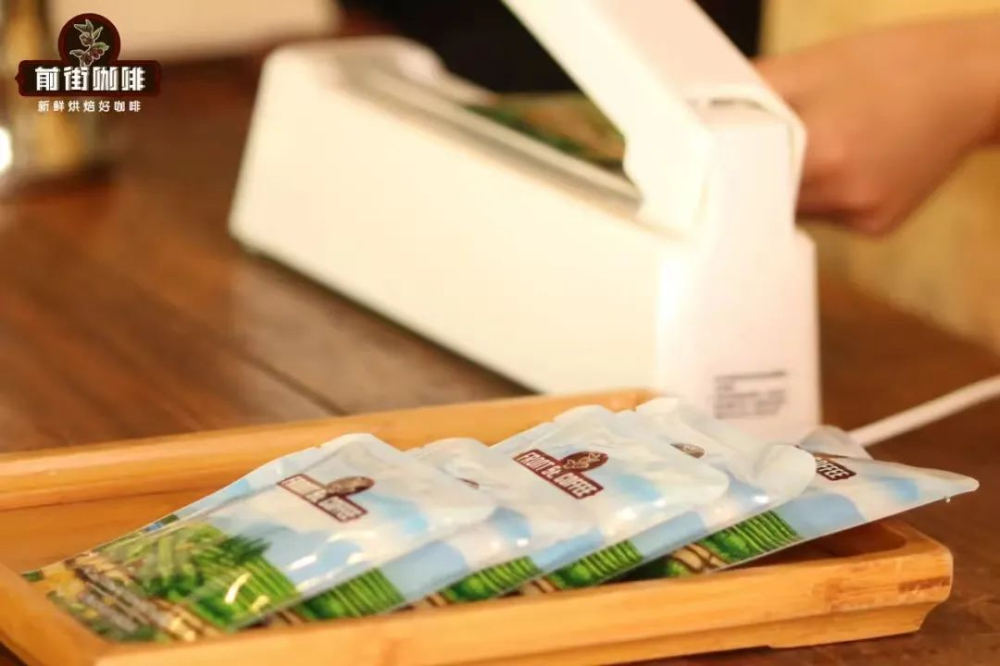
Compared to traditional pour over, drip bags do not require additional items such as a filter cone, filter paper, grinder, or precise timing tools. Although drip bags use pre-ground coffee, they typically still use medium to high-quality beans and are roasted to appropriate levels to highlight specific flavor profiles. The filter pouch material is often biodegradable non-woven fabric, allowing the coffee liquid to pass through smoothly while preserving the aroma and layered taste of the coffee.
In practice, brewing with a drip bag is very simple. Take, for example, a blend that combines beans from Costa Rica’s Tarrazú and Ethiopia—this product uses honey and natural processing methods, delivering prominent berry, strawberry soft candy, and citrus notes. A medium roast brings out rose-like floral aromas and a nutty finish, making it ideal for coffee lovers who enjoy fruity flavors and complexity.
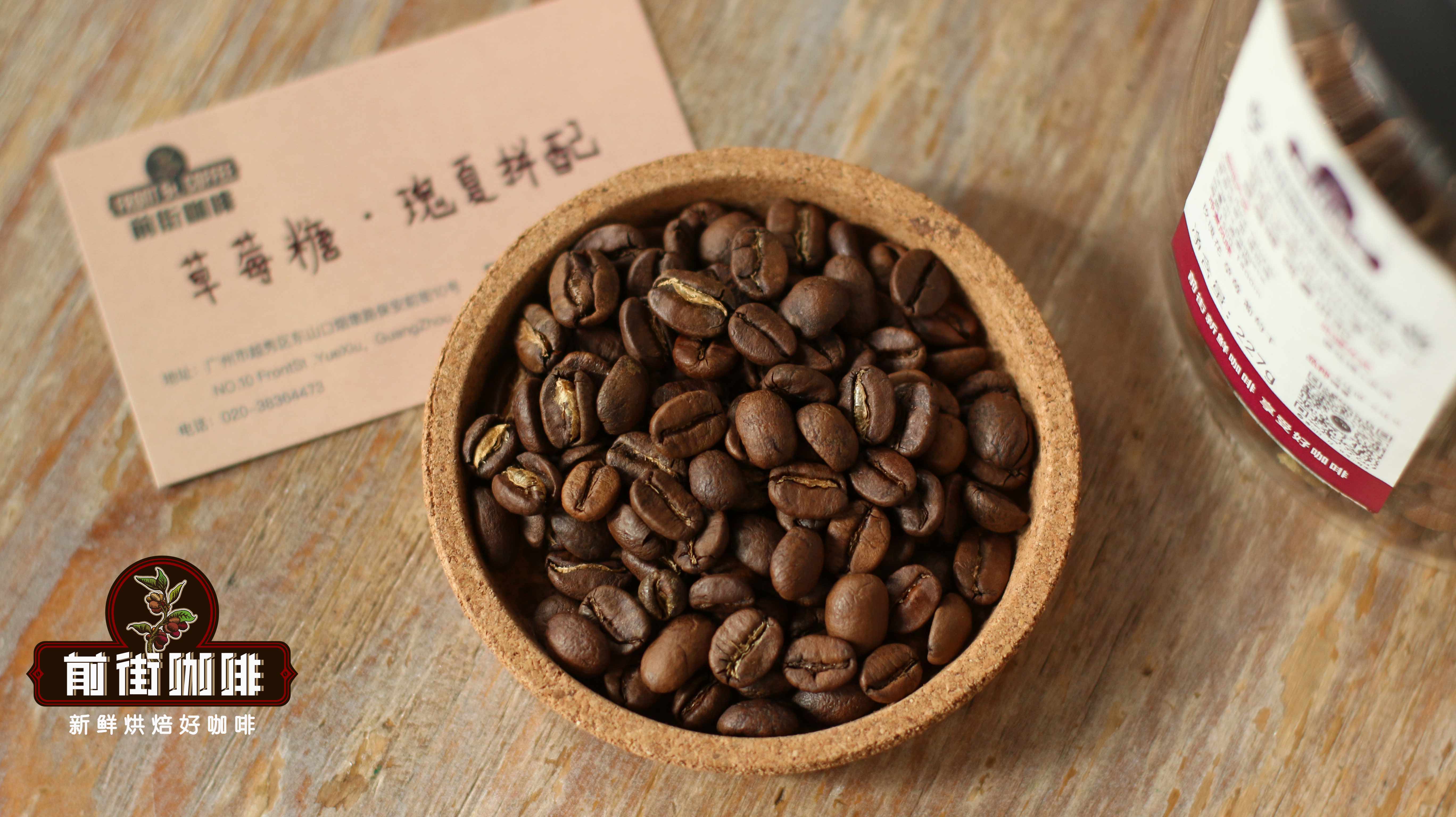
Most commercially available drip bags come in 10-gram portions. Based on a standard coffee-to-water ratio of 1:15, it is recommended to pour 150 milliliters of hot water. With a cup or server that can hold the liquid and a kettle that allows you to control the water flow, you’re ready to start brewing.
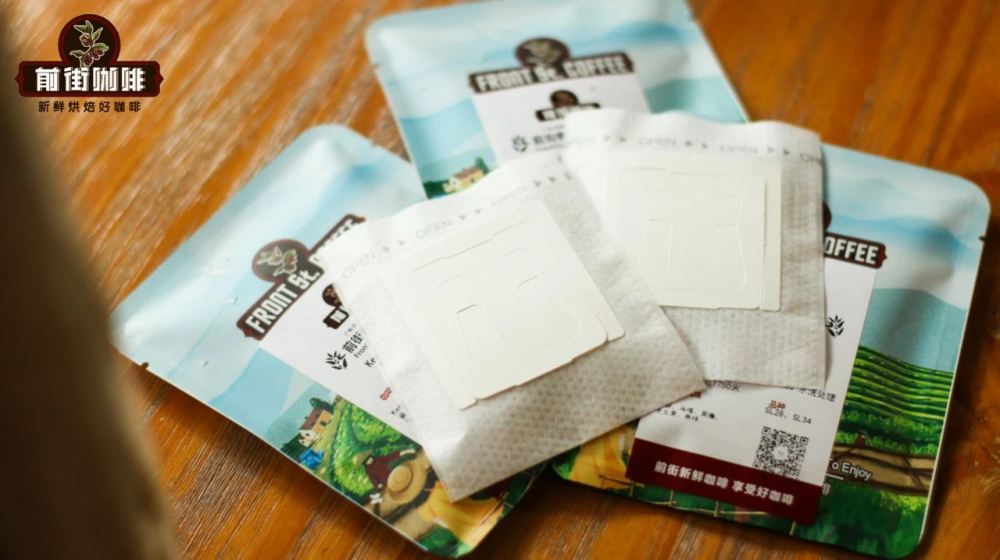
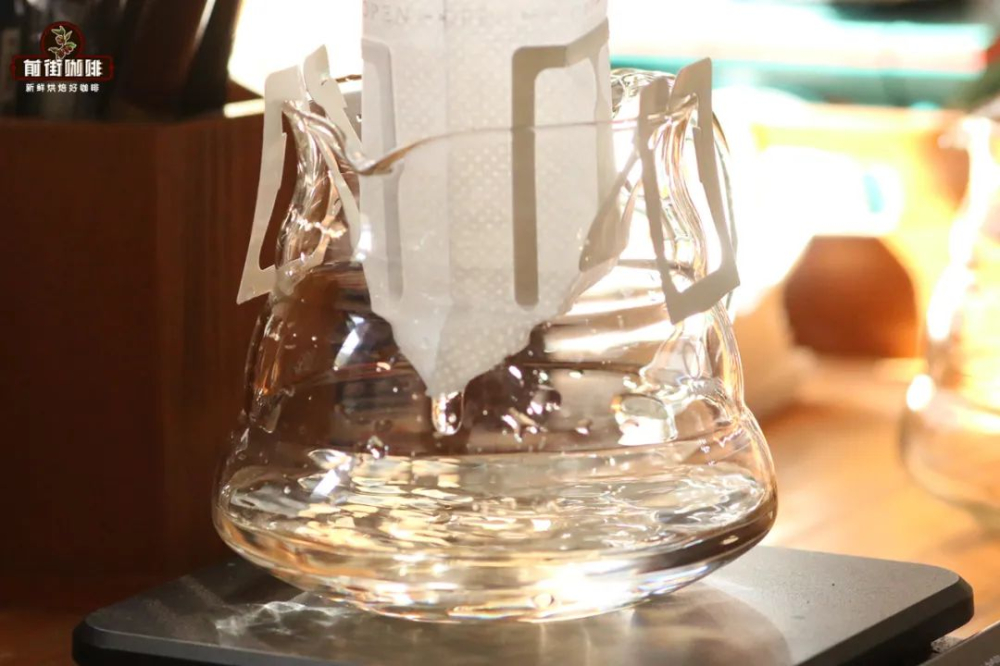
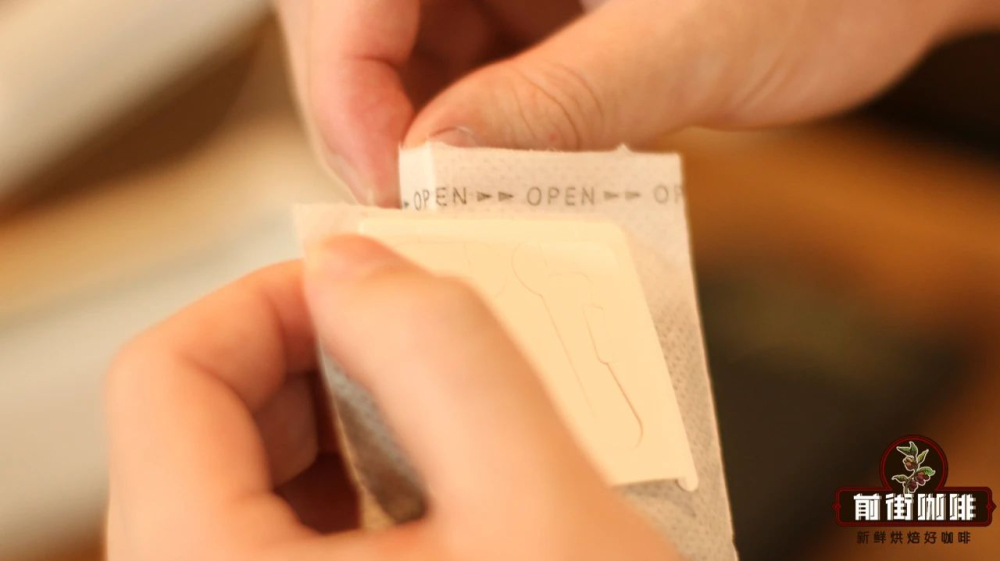
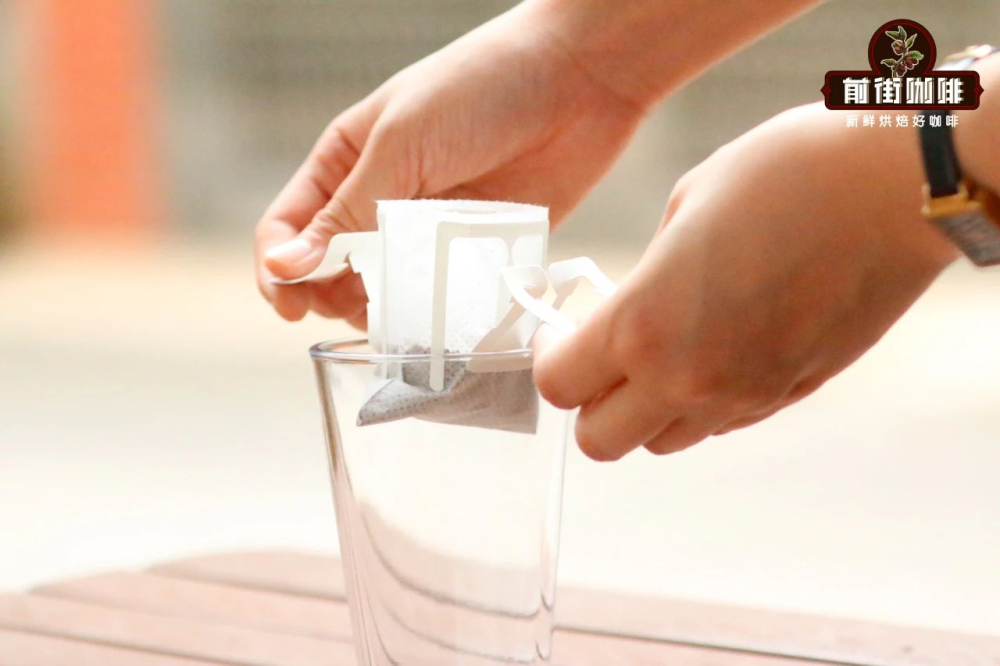
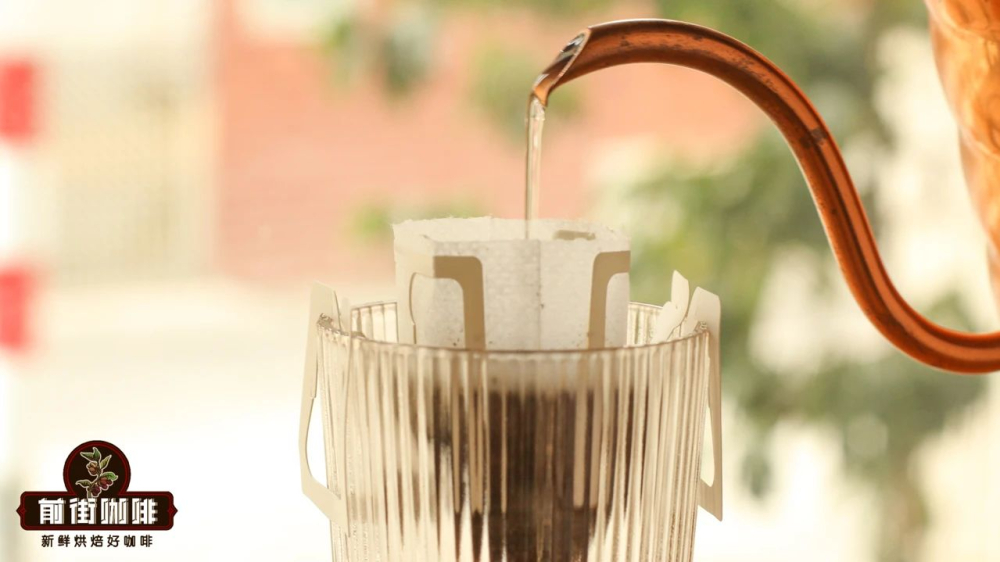
First, take the drip bag out of its sealed pouch and tear along the dotted line to open the non-woven fabric pouch. Open the two ear-like handles and hang the bag securely on the edge of your cup. Remember to first wet the coffee grounds for a 10 to 20 second bloom to help them expand and release aroma.
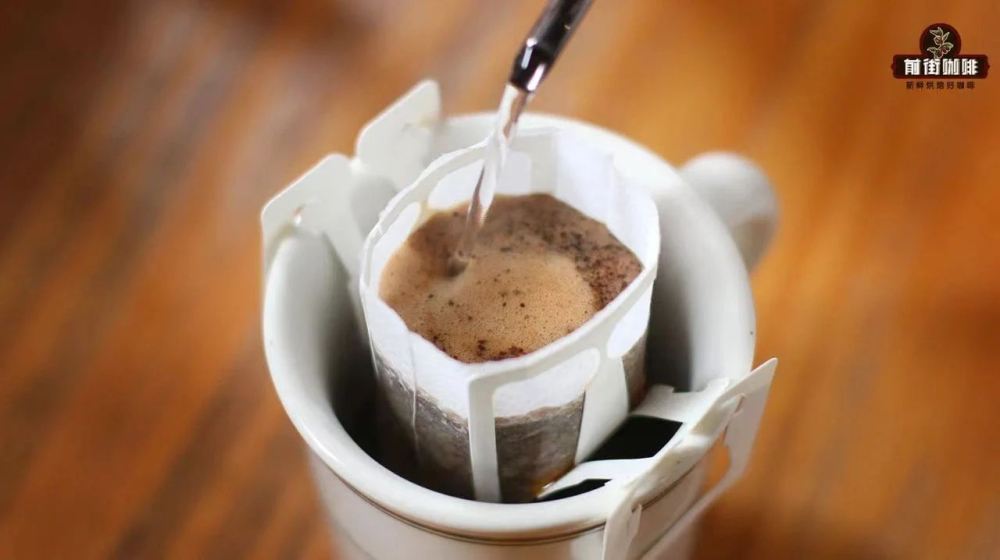
Next, pour water using a steady and fine stream. Start from the center and circle outward, then gradually expand the area to ensure even saturation of the coffee grounds. After the first pour nears full capacity, wait for the coffee liquid to drip through until the water level visibly drops. Finally, add the remaining water to reach a total of 150 milliliters, and wait until all the coffee liquid has completely filtered through.
Once brewing is complete, gently swirl the cup to blend the flavors evenly, and then enjoy. While this brewing method may not be as precise as professional pour over, it still fully showcases the inherent flavor characteristics of the coffee beans.
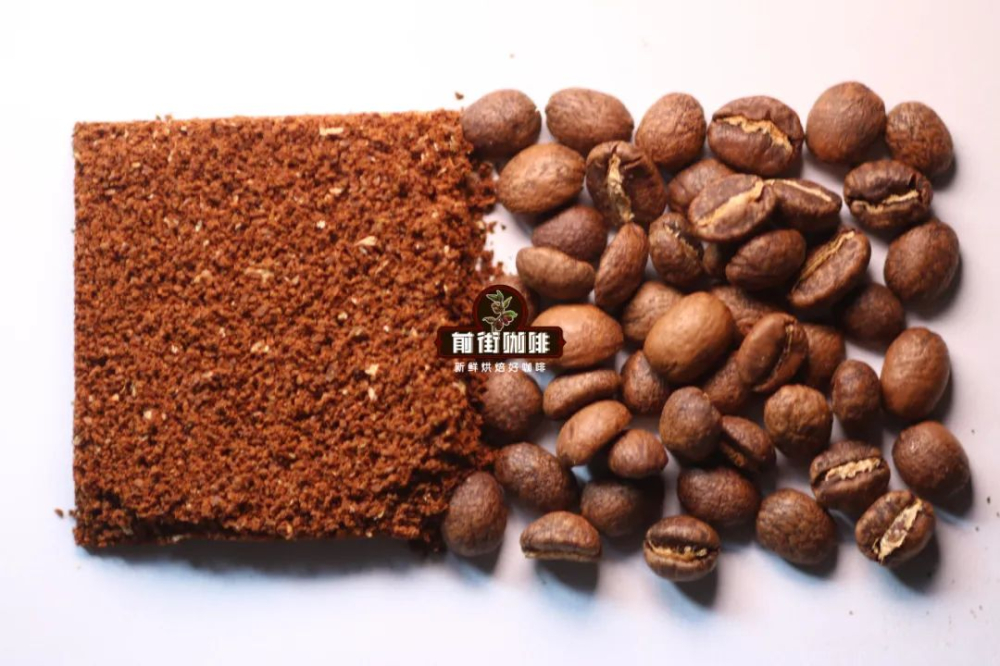
It’s important to note that since the coffee in drip bags is pre-ground, it has a larger surface area exposed to air, causing the aroma to dissipate faster than with freshly ground coffee. Therefore, it’s recommended to consume it soon after purchase. Generally speaking, drip bags made from freshly roasted beans have an optimal flavor window of about 1 to 2 weeks after grinding. Beyond this period, you may notice a decline in aroma or the emergence of aged notes such as woody flavors.
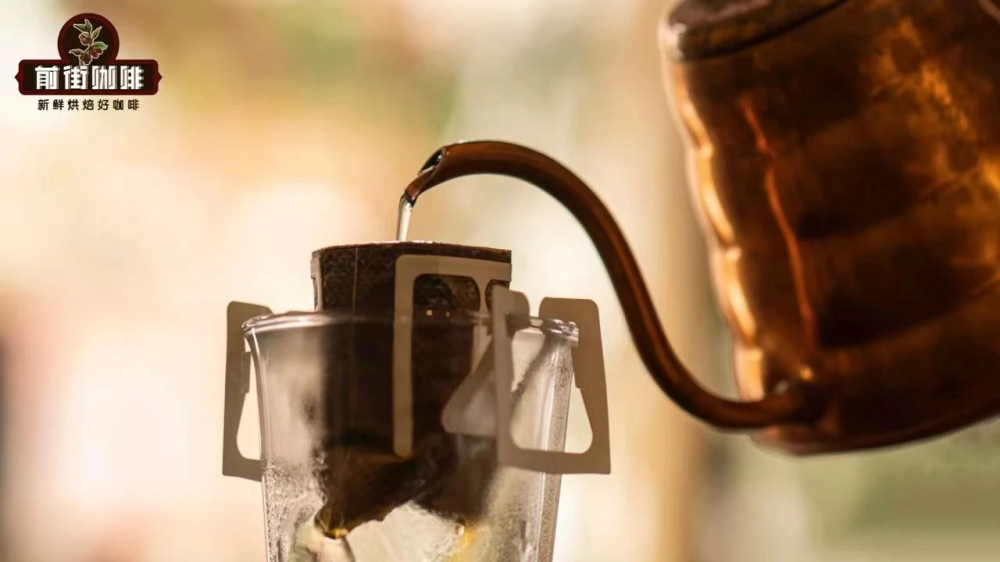
Additionally, water temperature is also a crucial factor in extraction. It is recommended to use water heated to 86 to 93 degrees Celsius. Water that is too cool can lead to under-extraction, resulting in a thin-tasting coffee. If your equipment cannot precisely control temperature, you can slightly extend the contact time between the coffee grounds and water. Water flow speed should also be monitored—as pouring too quickly can cause uneven extraction. It’s best to maintain a steady, fine stream throughout to achieve a more balanced flavor profile.
In summary, drip bags are a convenient option that can still deliver pour over-quality flavor. As long as you master the right coffee-to-water ratio, water temperature control, and brewing rhythm, even beginners can easily enjoy a rich, flavorful cup of black coffee at home.
The above content is compiled by CoffeeHunters, a coffee news website.


