








Introduction:Many coffee enthusiasts are passionate about specialty pour over coffee, but are often deterred by the multitude of equipment and complicated steps. Drip bags, as a convenient option that still preserves the flavor, are gradually gaining popularity. This article will delve into the key factors in selecting drip bag coffee flavors, recommendations on the number of brews, differences from instant coffee, and also highlight the practical advantages and correct brewing methods of filter-style coffee bags to help you find the drip bag coffee that suits your flavor preferences.
Many drinkers who enjoy specialty pour over coffee often shy away due to the extensive equipment required and the higher learning curve. To allow more people to easily experience the flavor of pour over coffee, the market has introduced the convenient option of drip coffee bags. Drip bags featuring renowned origin flavors such as Sidamo, Brazil, and Honduras Sherry not only retain the layered taste of pour over coffee but also simplify the process, making them ideal for everyday enjoyment.
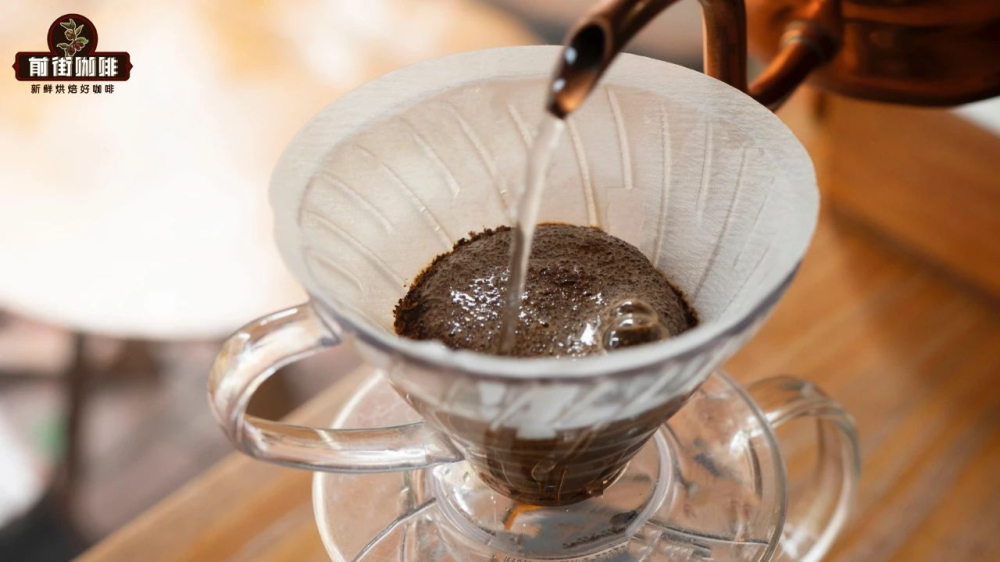
How to choose the right drip bag coffee for yourself? First, pay attention to the production date. Since the coffee grounds inside the drip bag are sealed after being freshly ground, it is recommended to choose products that are close to the roasting date to achieve the best flavor. Typically, after two months, the freshness and aroma of the coffee will noticeably decline. In addition, detailed labeling information is also an important reference, including coffee variety, origin, roast level, and grind size, which can help determine its flavor profile and suitable brewing method.
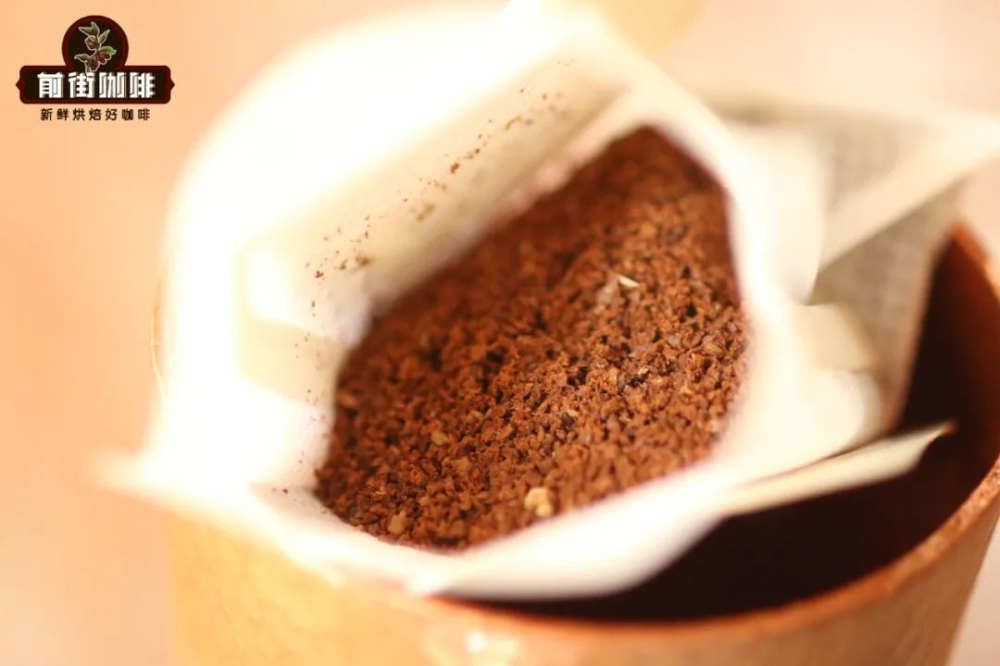
Compared to traditional instant coffee, the biggest advantage of drip bag coffee is its more natural and rich flavor. Without added flavors, creamers, or sugar, it can showcase the unique characteristics of different origins and processing methods, such as bright acidity, rich nuttiness, or even fermentation notes. Furthermore, drip bag coffee requires no complex equipment—just hot water and a cup—and can be quickly prepared, making it suitable for busy lifestyles or travel, combining healthiness with convenience.
One of the key factors in the brewing quality of drip bag coffee is the grind size and uniformity. If the grind is too fine or inconsistent, it can easily clog the filter bag, causing slow water flow and over-extraction, resulting in bitter and astringent off-flavors. Conversely, if the grind is too coarse, water flows too quickly, leading to under-extraction and a weak flavor. Therefore, a stable and moderate grind is essential for ensuring optimal flavor expression. Additionally, grinder cleanliness should not be overlooked—residual old coffee oils or fine particles can affect the performance of fresh beans. It is recommended to thoroughly clean the grinder before each use.
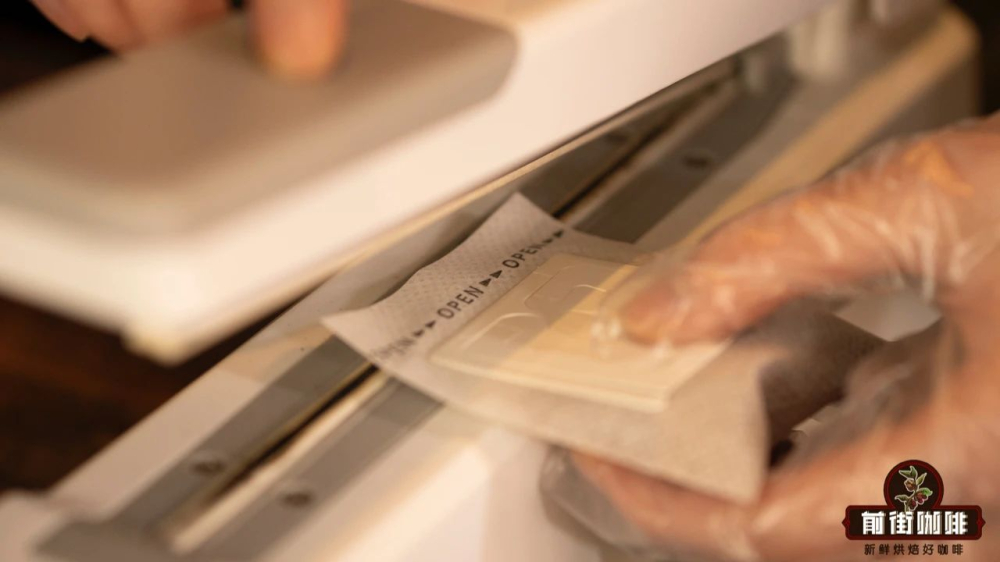
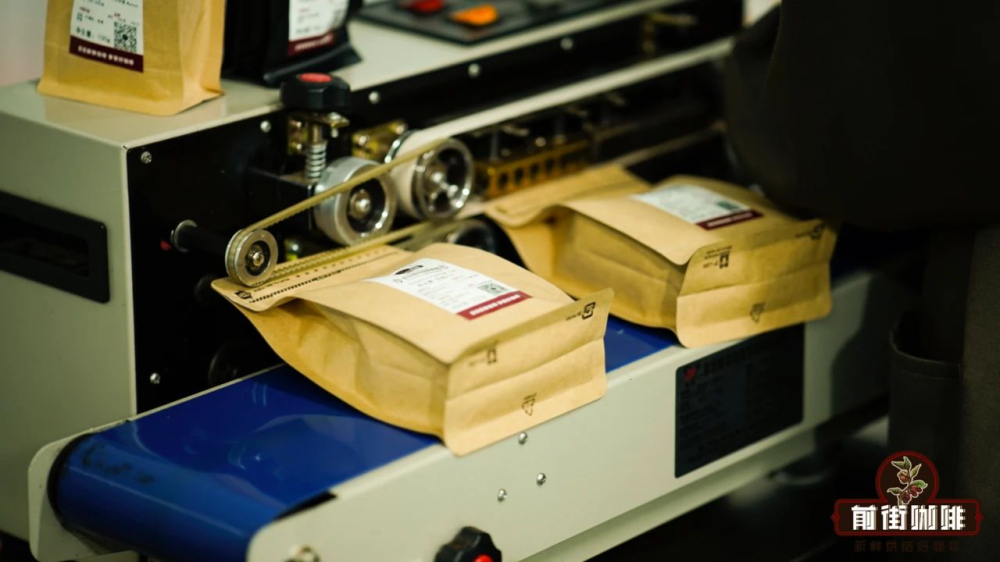
To maintain coffee freshness, modern drip bags often employ automated packaging technology and inject nitrogen during sealing, effectively reducing oxygen exposure and slowing down the oxidation process. This packaging method can extend flavor preservation to over a year, far surpassing manually packaged drip bags that rely solely on sealing without nitrogen (which typically only last about a month). In addition, some popular origin-flavored drip bags, such as those using Sherry wine barrel-processed coffee, have long been favored by consumers for their unique processing methods and rich, lingering finishes.
Take the Brazilian semi-washed red fruit drip bag as an example. This coffee offers a distinct sweetness, subtle lemon aroma, and rich notes of nuts and dark chocolate, making it suitable for drinkers who prefer balanced and full-bodied flavors. As the world’s largest coffee exporter, Brazil’s coffee cultivation history dates back to the 18th century when a Portuguese officer ingeniously introduced coffee seeds. Since then, coffee cultivation has expanded from the north to São Paulo State, becoming a major pillar of today’s coffee industry. This drip bag not only showcases Brazil’s classic nutty and chocolatey base but is also ideal for everyday drinking.
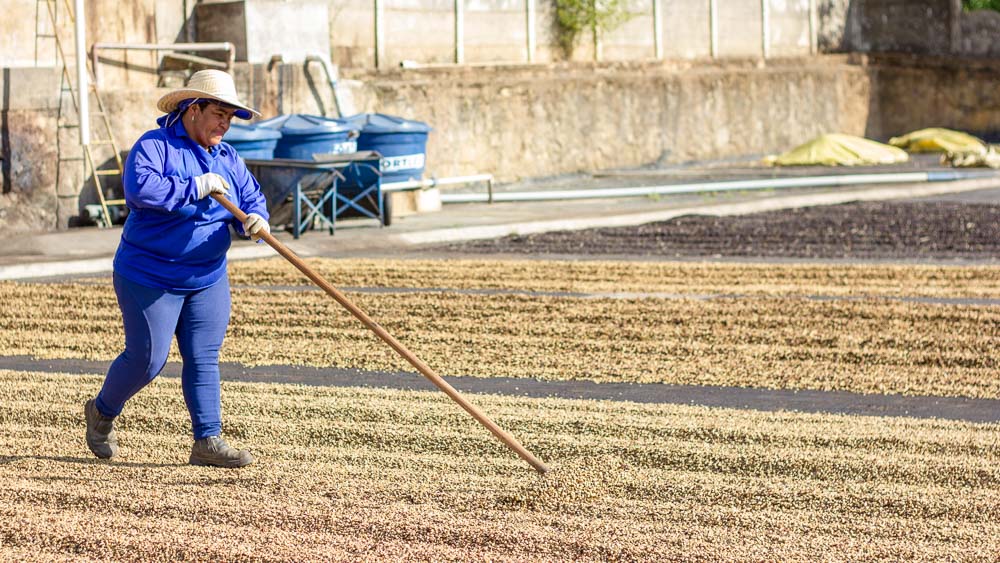
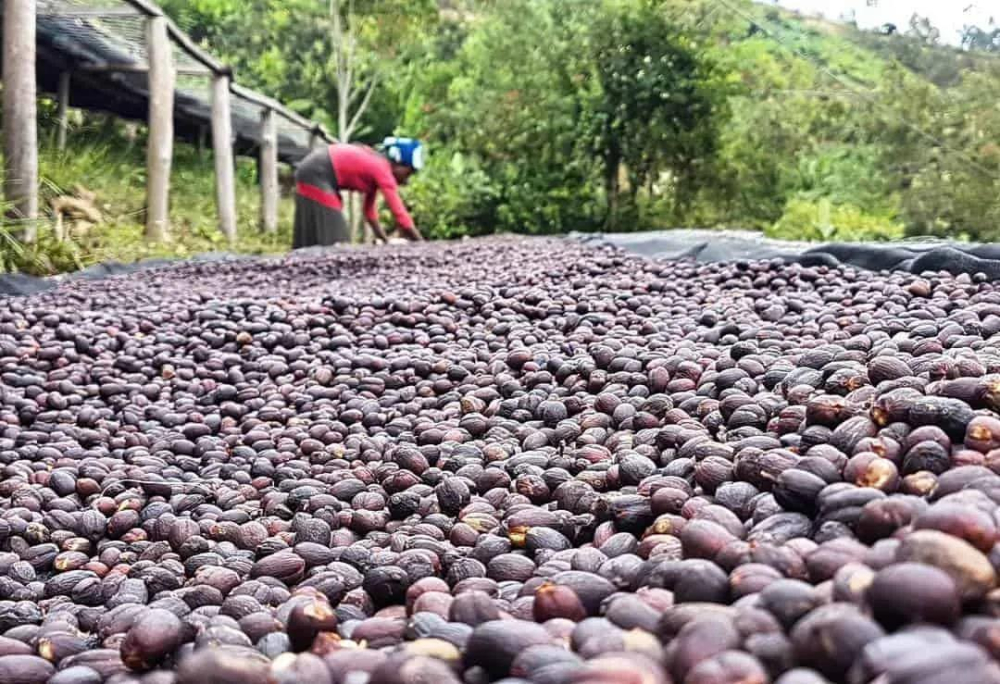
Another recommended sun-dried Sidamo drip bag highlights the distinctive floral and fruity notes characteristic of Ethiopian coffee. The Sidamo region, located near the East African Rift Valley, features diverse microclimates and fertile soil, producing coffee often with berry acidity, delicate floral aromas, and unique fermentation flavors. Using the sun-drying method, the coffee is dried for extended periods on African raised beds or cement surfaces, allowing the fruit pulp and seeds to fully interact and impart richer layers and sweetness. This processing method is particularly well-suited for coffee lovers who enjoy fruity and wine-like notes.
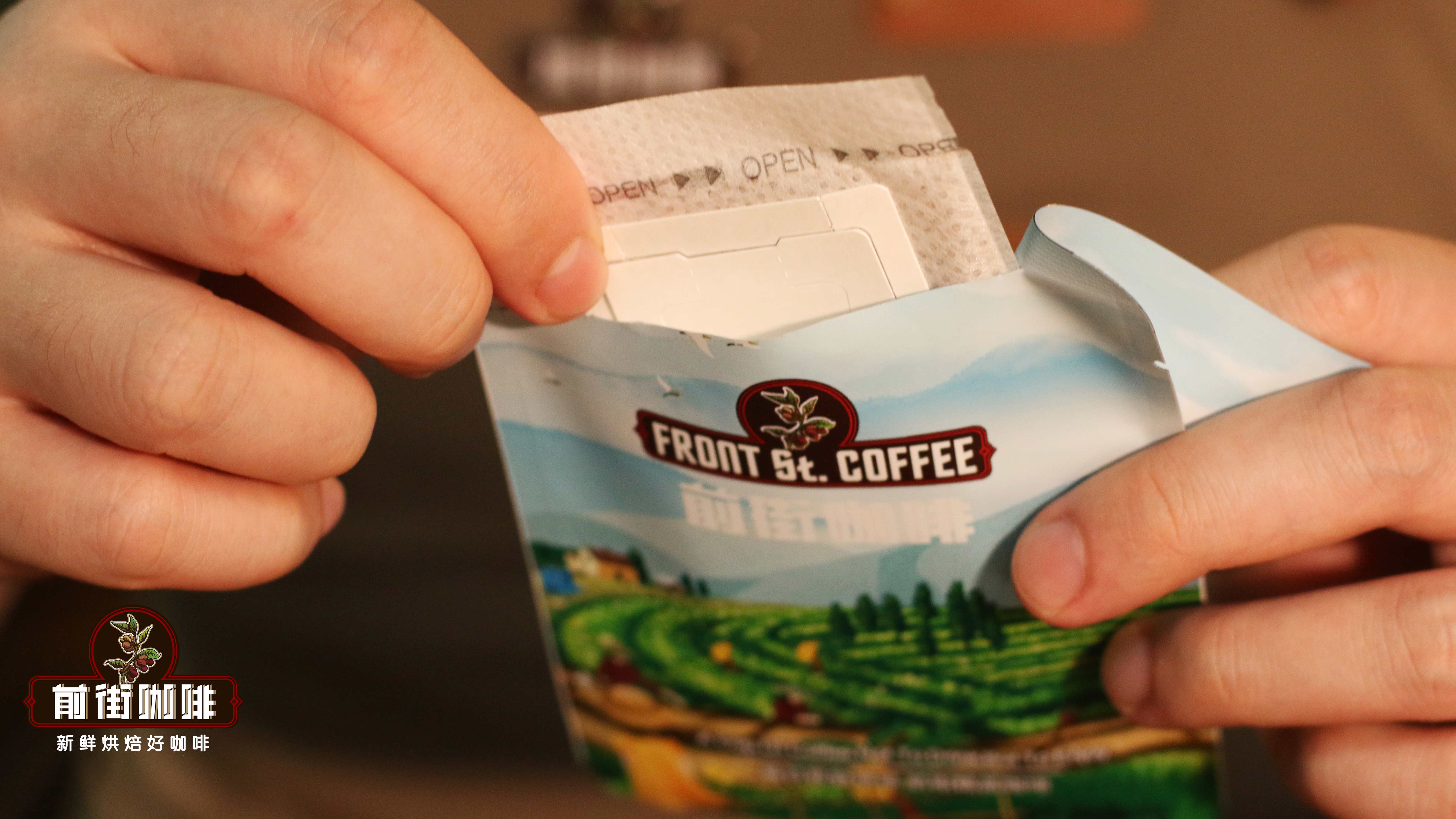
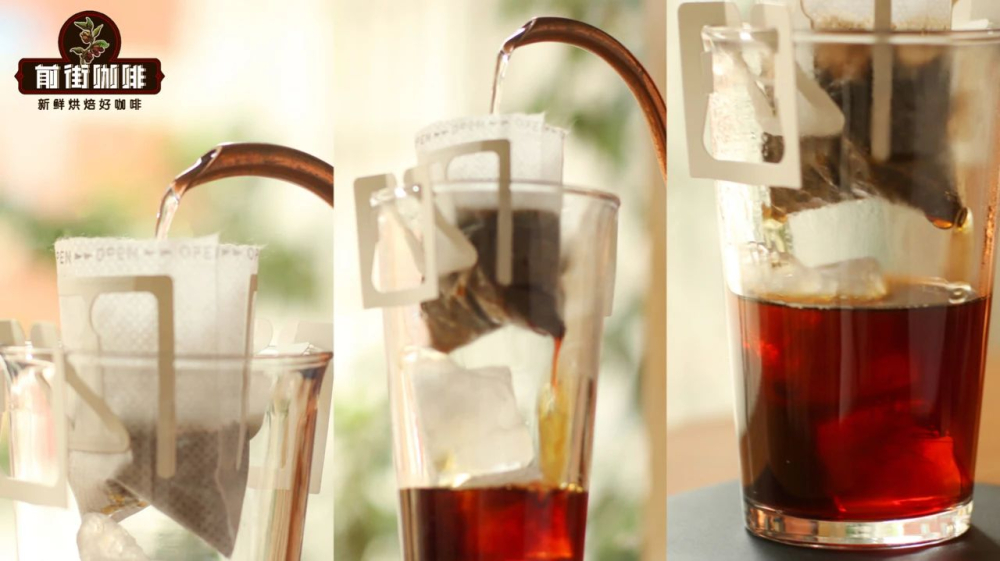
Regarding the number of brews for drip bag coffee, it is generally recommended to brew only once. The design of the drip bag allows hot water to evenly pass through the coffee grounds, extracting the main flavor compounds in a single brew. A second brew often results in a weak and tasteless liquid, as most of the soluble substances in the coffee grounds have already been extracted. The standard brewing recommendation is to use about 10 grams of coffee grounds, with water temperature controlled around 90°C. Begin with a 10-second bloom, then pour water in a circular motion with a fine stream until the desired amount is reached (e.g., 300 milliliters), adjusting the ratio according to personal taste.
In summary, drip bag coffee is a high-quality choice that balances convenience and flavor. Whether you’re a busy office worker, frequently travel, or simply want to simplify the pour over process, you can find a product that suits you. Understanding details such as origin flavors, processing methods, and packaging technology can help you make more precise choices and enjoy the premium coffee experience akin to pour over in every cup.
The above content is compiled by CoffeeHunters, a coffee news website.


