








Introduction:Want to understand why Yirgacheffe in Ethiopia has become one of the world’s top coffee-growing regions? This article delves into the unique citrus and floral flavor profile of the beans from this area, analyzes the differences between washed and natural processing methods, and provides pour over and cold brew recommendations for lightly roasted beans. Whether you're a beginner or an advanced coffee enthusiast, you'll gain practical insights into bean selection and brewing.
Yirgacheffe coffee is renowned for its bright citrus and lemon-like fruit aromas, along with delicate jasmine floral notes. It offers a clean, vibrant acidity and a nuanced yet uncluttered mouthfeel, making it a popular entry point for many coffee lovers exploring specialty coffee.

The high-altitude environment of this region creates significant diurnal temperature variations, slowing the ripening process of the coffee cherries and helping to accumulate flavor compounds. Coffee beans grown in such conditions often exhibit a honey-like aftertaste and rich floral characteristics, breaking away from the typical bitter stereotype of coffee and showcasing a uniquely refreshing flavor profile.

Yirgacheffe coffee beans are mainly divided into two types based on processing methods: washed and natural. Traditionally, since the mid-20th century, the region has predominantly used the washed process: harvested coffee cherries have their skins and pulp removed, then are fermented in clean water tanks for 12 to 36 hours. This fermentation breaks down the mucilage, after which the beans are thoroughly rinsed and sun-dried. This method highlights a clear acidity and distinct floral and fruity aromas.
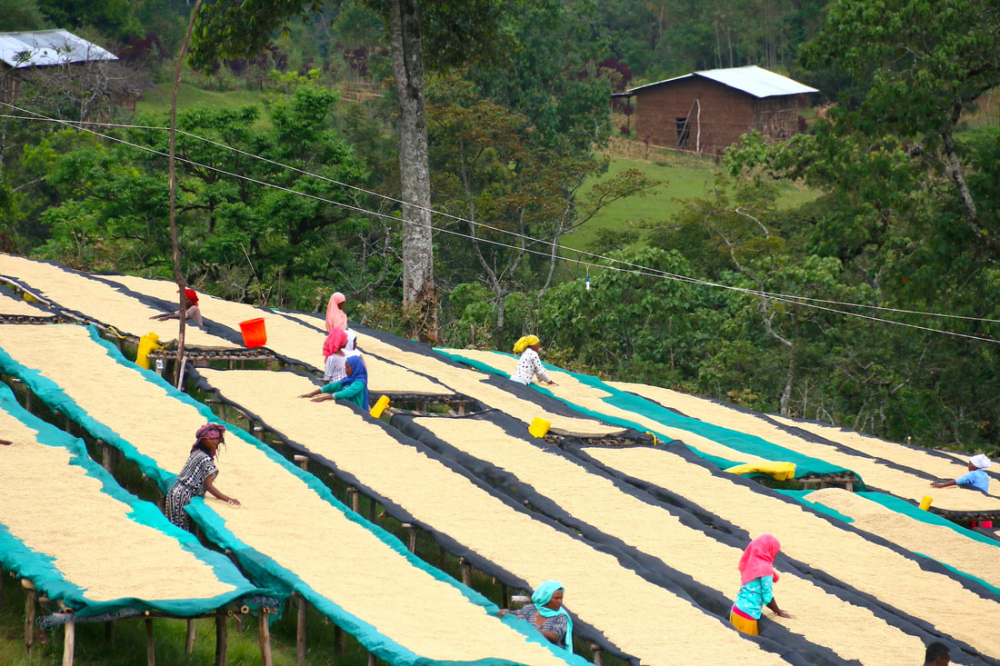
However, since 2006, naturally processed Yirgacheffe has gradually gained market favor. This traditional method involves directly sun-drying the whole coffee cherry. Though the process is simpler, it preserves more sugars from the fruit pulp during drying, resulting in a richer sweetness and fruitiness in the coffee. Both processing methods have their own distinctive features, allowing consumers to choose based on personal taste preferences.
For lightly roasted Yirgacheffe beans, both pour over and cold brew methods yield excellent results. Practical tasting comparisons show that the pour over method fully releases its floral and fruity aromas, offering a cup reminiscent of a specialty fruit tea, where the citrus acidity and floral tones are particularly prominent; whereas cold brew results in a rounder mouthfeel, with berry flavors and subtle black tea notes becoming more apparent, making it ideal for summer consumption.
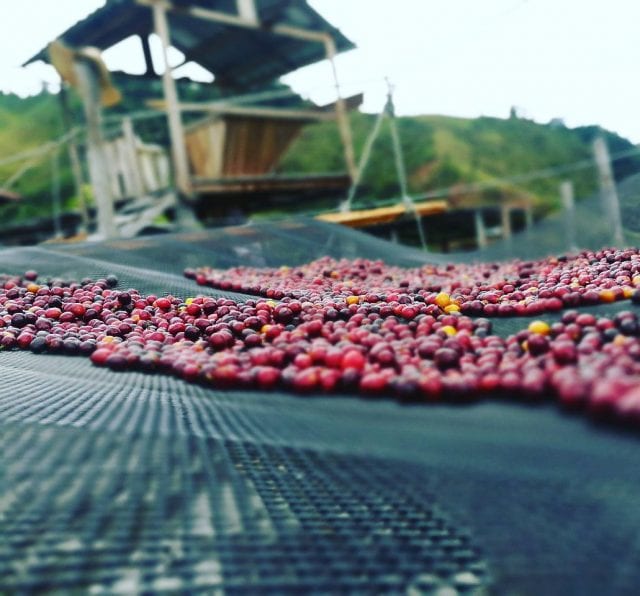
If you prefer a fresh, bright floral aroma and high acidity, washed Yirgacheffe daily drinkers or the Guodingding series are ideal choices; if you enjoy a rounder mouthfeel with balanced acidity and sweetness, the Red Cherry series processed naturally is worth trying. The flavor variations brought by different processing methods make Yirgacheffe an excellent starting point for exploring the diversity of coffee.
The above content is compiled by CoffeeHunters, a coffee news website.


