







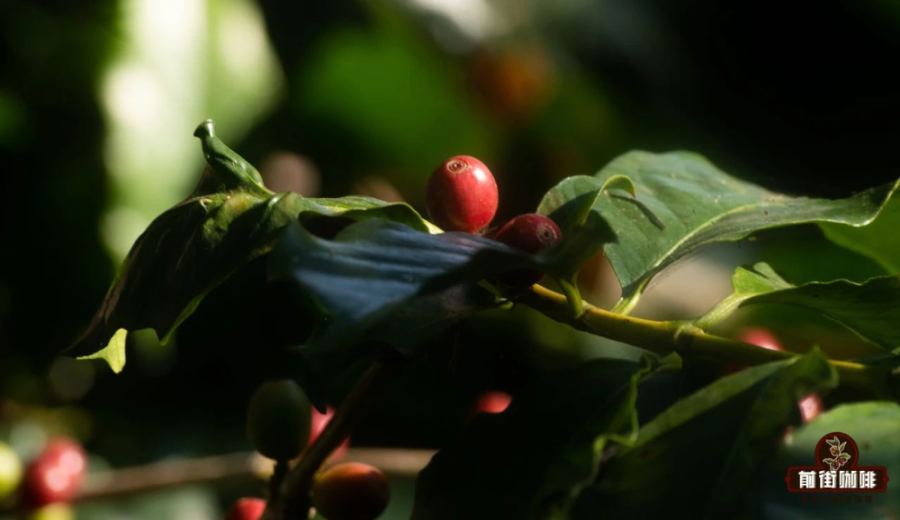
Introduction:Arabica coffee beans, with their delicate flavors and suitability for pour over brewing, have become the mainstream in the specialty coffee market. This article delves into several common varieties within the Arabica family, including Typica, Bourbon, Caturra, and Catuai, explaining their historical origins, adaptable environments, cupping characteristics, and flavor profiles. It also helps you identify which varieties offer good value and are suitable for beginners to try. By the end of this piece, you’ll better understand how to choose the right Arabica pour over coffee beans based on brewing parameters and your personal taste preferences.
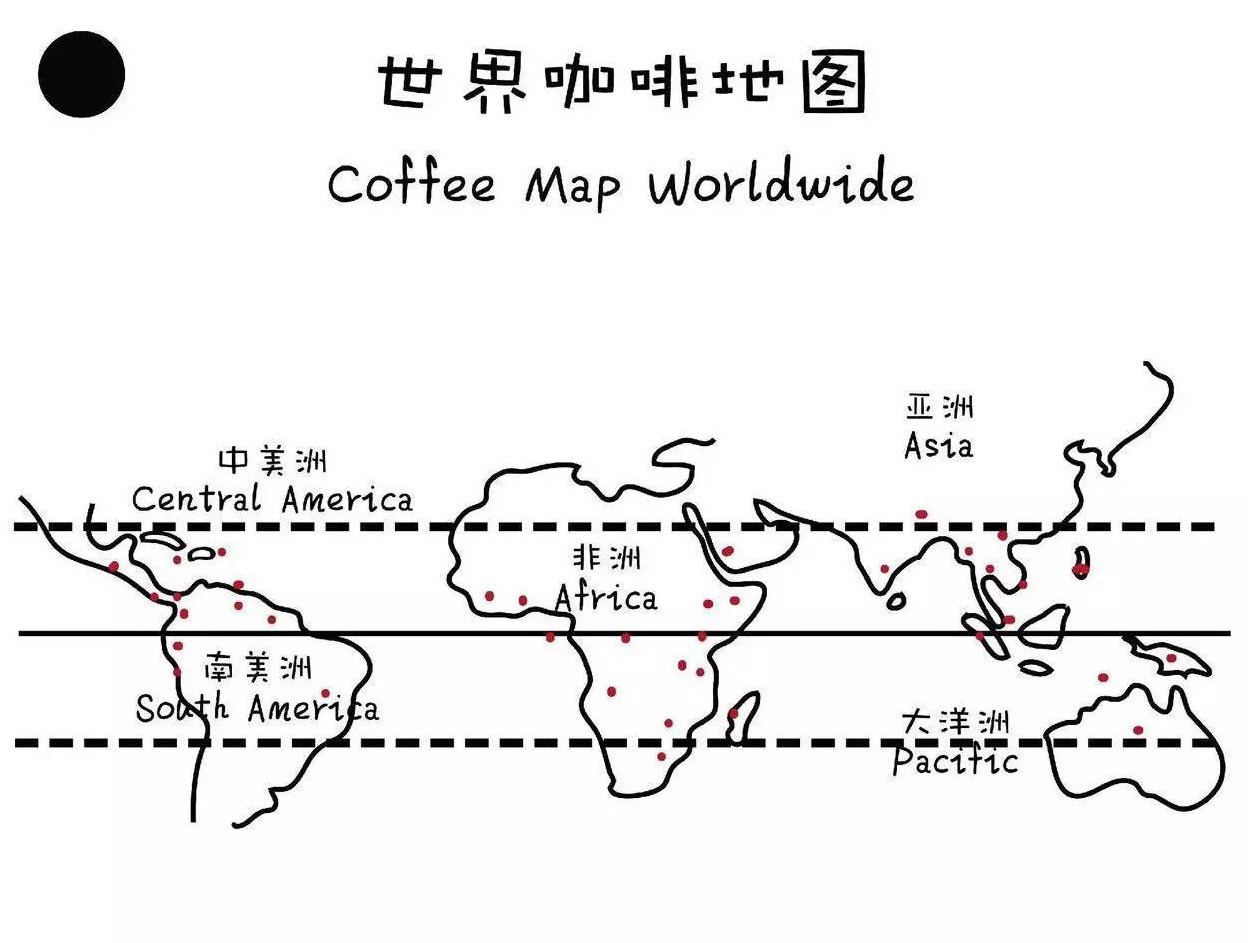
Arabica is the world’s most popular coffee variety, renowned for its refined flavors and bright acidity, and it is widely used in specialty coffee. Compared to Robusta and Liberica, Arabica not only has a lower caffeine content (about 0.8%–1.5%), but also accounts for 75% of global coffee production, primarily cultivated in high-altitude regions of Central and South America, Africa, and Asia. However, Arabica is extremely picky about growing conditions—it is intolerant to low temperatures, drought, and pests or diseases such as leaf rust—thus requiring meticulous cultivation management.
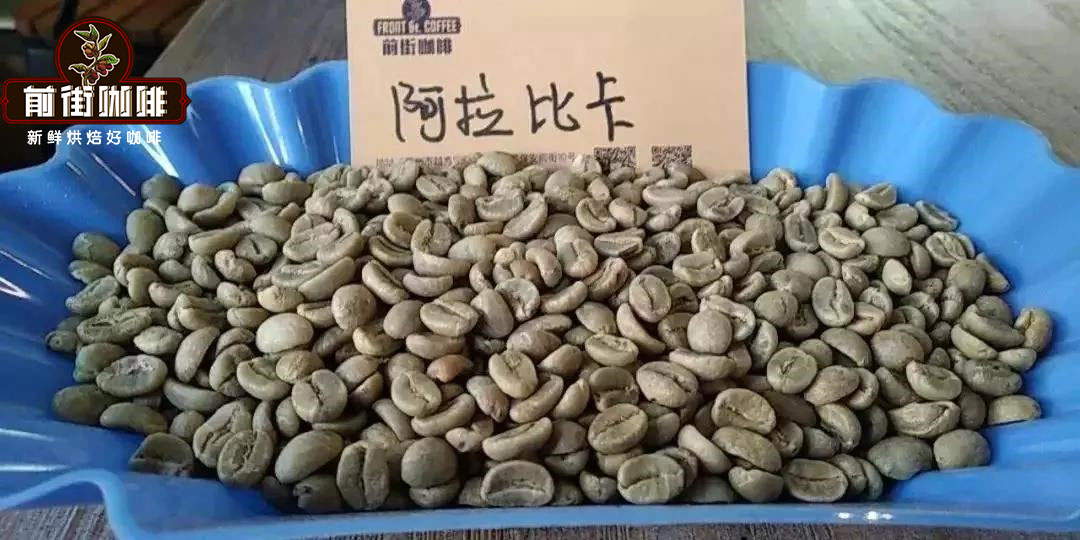
Arabica itself is a broad general term for the variety, encompassing many sub-varieties that have resulted from natural mutations or artificial breeding, such as Typica, Bourbon, Caturra, and Catuai. These varieties all belong to the high-quality Arabica system. Although beans labeled as "pure Arabica" usually mean they have a cupping score of 80 or above—qualifying them as specialty grade—in reality, different sub-varieties still show significant differences in flavor, yield, and disease resistance. Understanding their characteristics can help you select the coffee beans that best suit you.
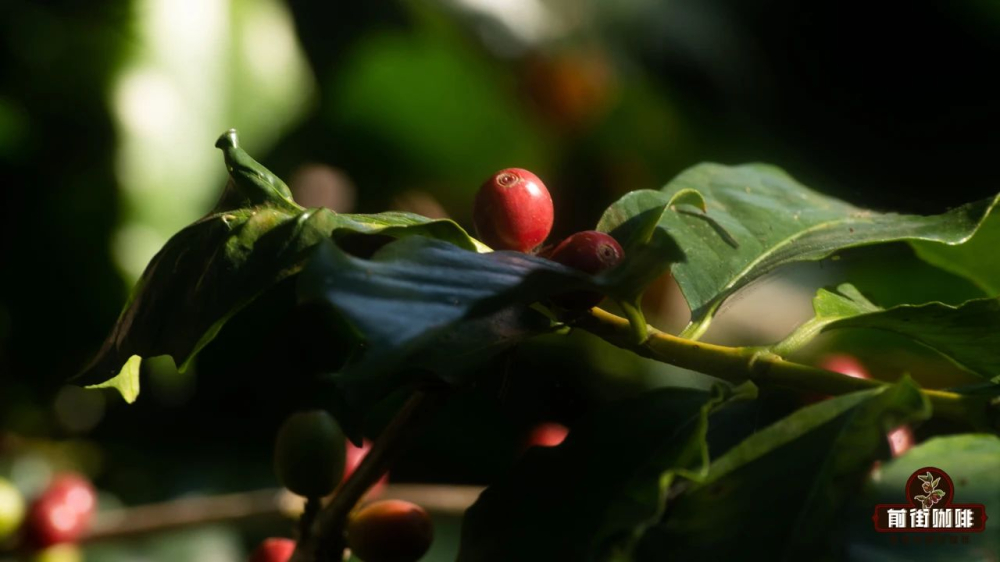
The name Arabica originates from the Middle East. It is believed that coffee was first discovered in Africa, and Arab scholars were the first to roast its seeds into a beverage. Gradually replacing the then-banned alcoholic drinks, it became an important part of religious and social activities. With the expansion of the Ottoman Empire, coffee culture spread to Europe and the Americas, leading the Western world to commonly refer to this type of coffee as "Arabian coffee," which is what we now know as Arabica coffee. This name is not just a geographical association but also carries the historical evolution of coffee culture.
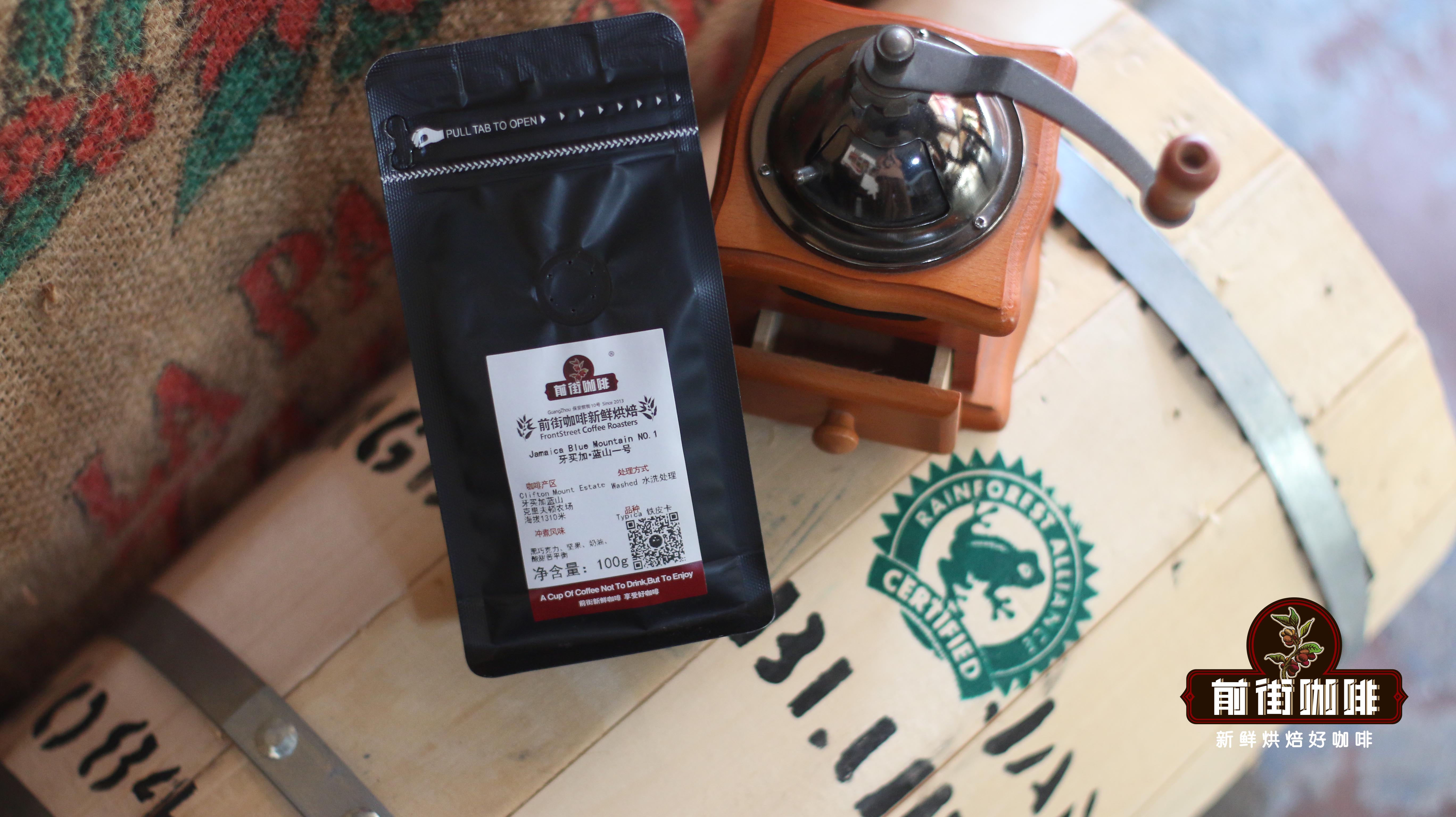
When discussing classic varieties under the Arabica umbrella, Typica is one of the oldest original types, originating from Ethiopia and also the ancestor of many modern Arabica lineages. Typica offers elegant floral and citrus notes, but it grows slowly, is prone to diseases, and yields poorly. As a result, it has been largely replaced by Caturra or Catuai in many Central and South American regions. However, some high-altitude areas such as Papua New Guinea and Jamaica’s Blue Mountain still preserve the classic flavors of the Typica variety, making it worth a try for pour over enthusiasts.
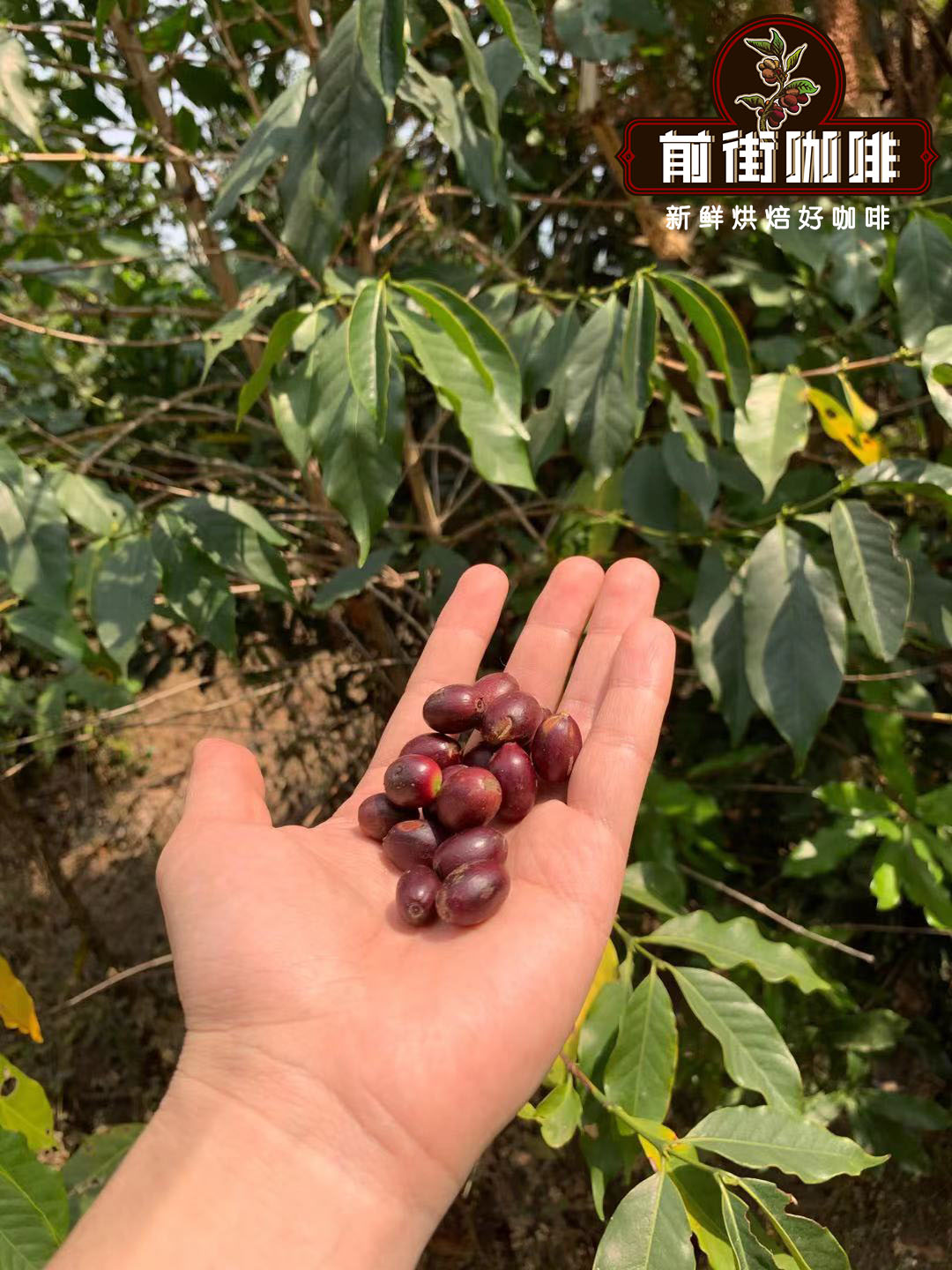
A representative Typica coffee variety — Heaven Bird Coffee Beans, sourced from Sigri Estate in Papua New Guinea, grown at altitudes between 1600 and 1800 meters, processed using the washed method, exhibits a flavor profile of nuts, dark cocoa, cream, citrus, and excellent balance. It is highly suitable for pour over enthusiasts who enjoy delicate sweet-and-sour profiles.Recommended brewing parameters: medium-fine grind (similar to medium-fine sugar), water temperature 90–92°C, brew ratio 1:15, use a multi-pour method to highlight layering.
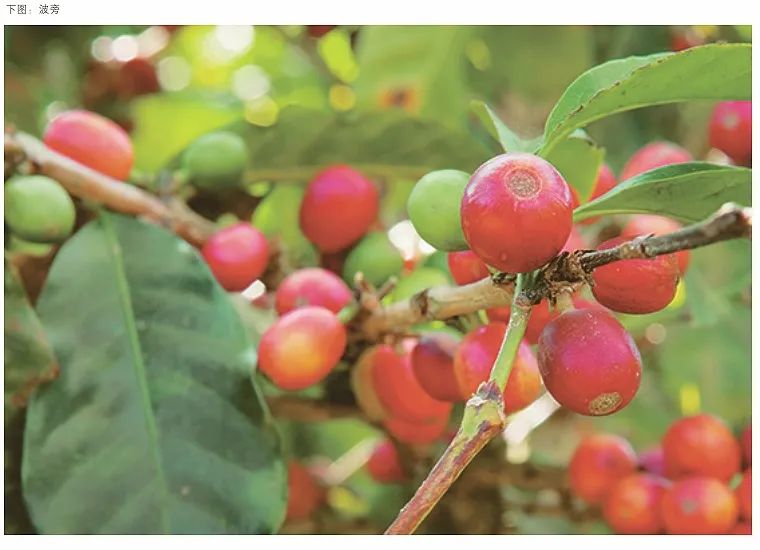
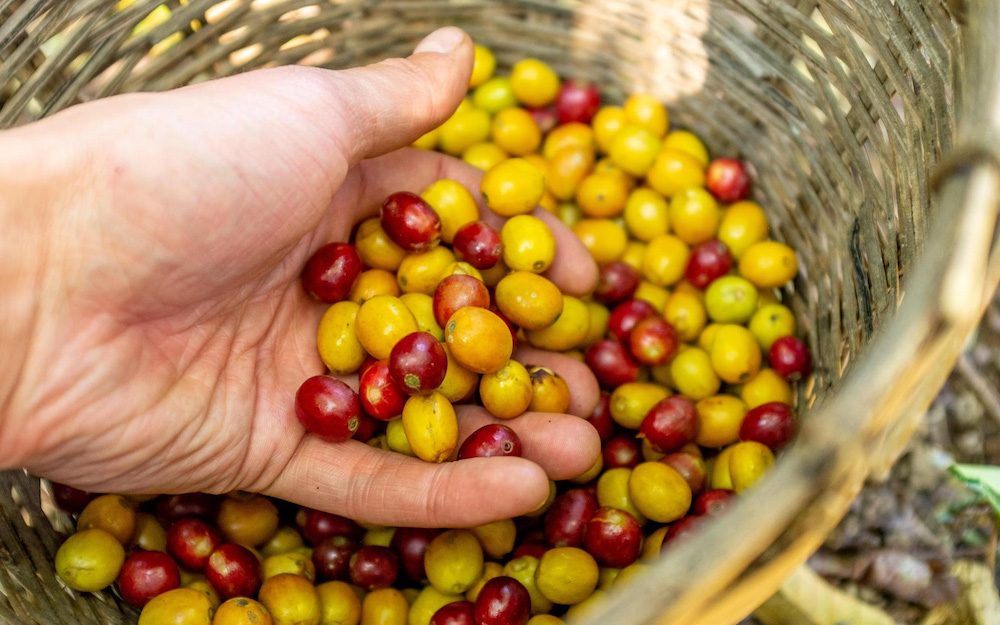
Bourbon is a natural mutation of Typica, first discovered on Bourbon Island (now Réunion), hence the name. Its green fruits turn bright red upon ripening, and the flavor often features pronounced wine-like acidity and a sweet aftertaste. Compared to Typica, Bourbon has wider leaves and denser plant structure. Although its yield per unit area is slightly higher, it remains a low-yield variety. Among its mutations, Yellow Bourbon is particularly noteworthy, often featuring rich caramel, cream, and fermented fruit aromas.
Representative of the Bourbon variety — Brazilian Queen Estate Yellow Bourbon, sourced from highlands in São Paulo State at altitudes of 1400–1950 meters, processed using semi-washed or natural methods. The flavor profile includes nuts, cream, peanuts, fermented fruits, and cane sugar, with a round and full mouthfeel. It suits those who prefer a pour over style with noticeable sweetness and low acidity.Recommended use of medium-coarse grind, water temperature around 88–90°C, brew ratio 1:16, and a slightly longer immersion time to bring out the sweetness.
Caturra is a single-gene mutation of Bourbon, discovered in Brazil in 1937. It has a shorter tree form, facilitating harvesting, and its yield and disease resistance are both superior to Bourbon. It adapts well to high-density planting, but requires ample sunlight and fertilizer. Caturra delivers a clear, bright flavor with lively acidity, quite similar to Bourbon. However, due to its need for more intensive management, it wasn’t favored by all coffee farmers initially. Nowadays, it performs outstandingly in high-altitude regions such as Panama and Colombia, and is a popular choice among many specialty coffee farms.

Representative of the Caturra variety — Panama Emerald Estate Diamond Mountain Coffee Beans, grown in the Boquete region at altitudes of 1400–1700 meters, processed using the natural method, showcasing a complex flavor of citrus, bright acidity, nuts, honey, and cocoa. It’s a classic pour over bean with both layers and balance.Pour over recommendation: medium-fine grind, water temperature 90–91°C, brew ratio 1:15, using a center pour and spiral dispersion technique to aid even extraction.
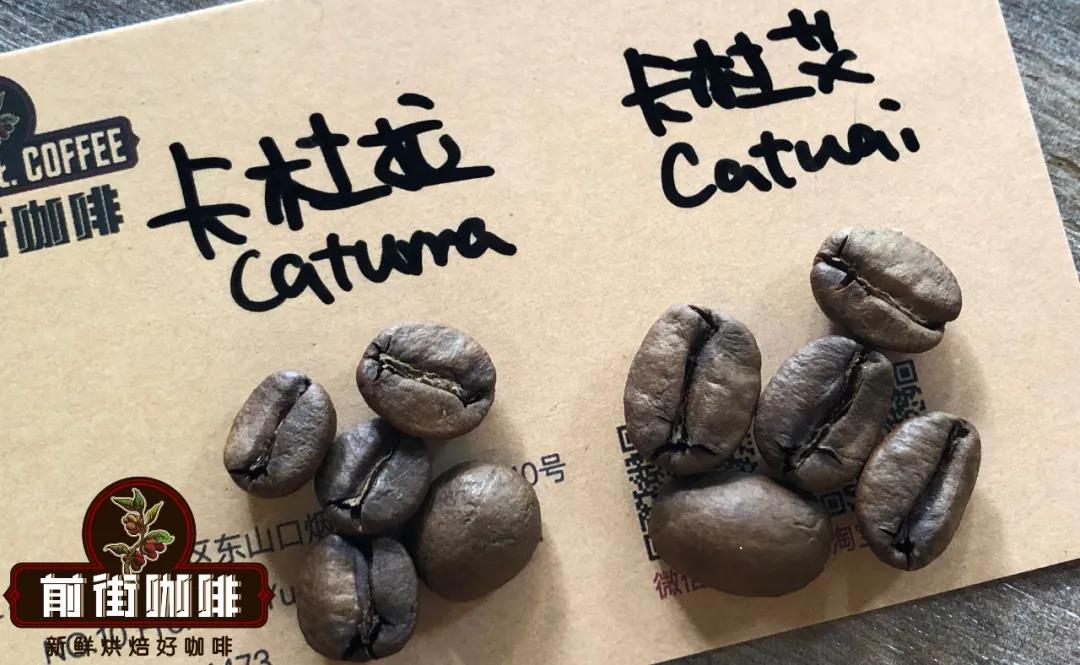
Catuai is a hybrid of Mundo Novo (also known as New World) and Caturra, combining the advantages of both, especially its resistance to wind, rain, and fruit drop, enabling stable production even in high-risk climates. Though Catuai’s flavor profile is not as rich as Caturra’s, and its fruit lifespan is only about ten years, it has a high yield and strong adaptability, making it an important cultivated variety in many regions. Its flavor profile is typically simpler, mainly featuring citrus, berries, and slight fermentation notes.
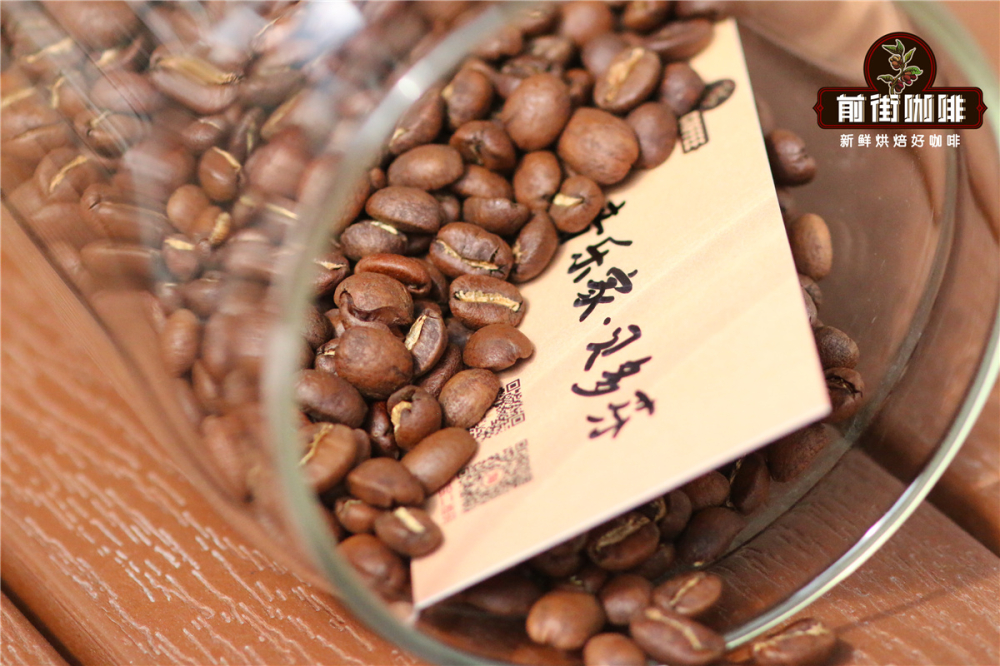
Representative of the Catuai variety — Costa Rica Beethoven Coffee Beans, sourced from the Canet Estate at 1900 meters in the Tarrazú region, processed using the washed method. Flavor characteristics include citrus, berries, floral notes, and subtle fermented wine aromas. The overall flavor is fresh and crisp, very suitable for pour over lovers who enjoy fruity tones and bright acidity.Recommended use of fine grind, water temperature 89–91°C, brew ratio 1:15, with multi-pour control over extraction time to preserve delicate aromas.
The above content is compiled by CoffeeHunters, a coffee news website.


