







Introduction:Indonesian Mandheling coffee is renowned for its unique full-bodied texture and herbal characteristics, with Golden Mandheling standing out as one of its finest representatives. This article will delve into the major producing regions of Indonesian Mandheling, the distinctive flavor profile of Golden Mandheling, the rigorous green bean selection process, and the impact of the wet-hulling method on its flavor. Practical pour-over brewing tips and extraction parameters are also provided to help you better understand and appreciate this classic Southeast Asian coffee.
The Origins of Mandheling Coffee and Sumatran Terroir
Mandheling coffee is a representative coffee variety from Indonesia’s Sumatra Island, known for its rich mouthfeel and herbal notes, and is highly favored by coffee enthusiasts across Asia. The island’s unique natural environment—including fertile volcanic soil and suitable altitude—contributes to Mandheling’s characteristic boldness and low acidity. Even when dark roasted, this coffee can still exhibit a Bordeaux-red-wine-like heavy aftertaste, accompanied by complex aromas reminiscent of wood and cheese.
What Is Golden Mandheling? The Difference in Specialty Grade
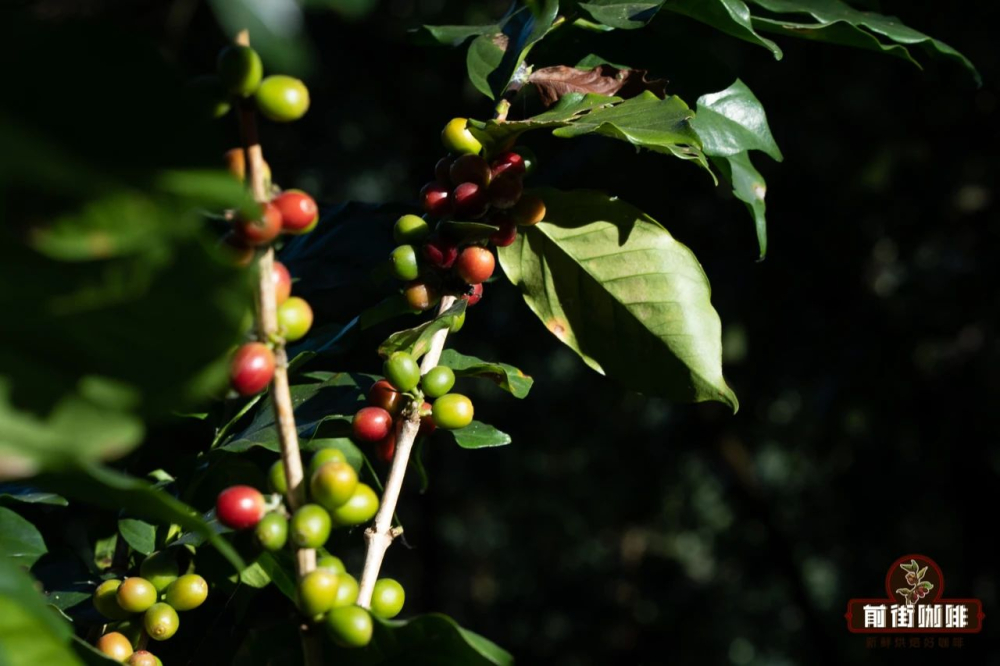
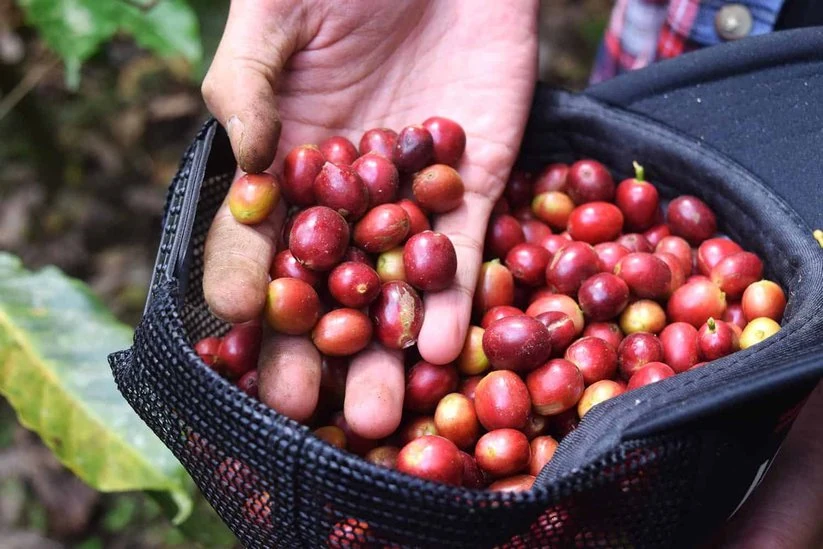
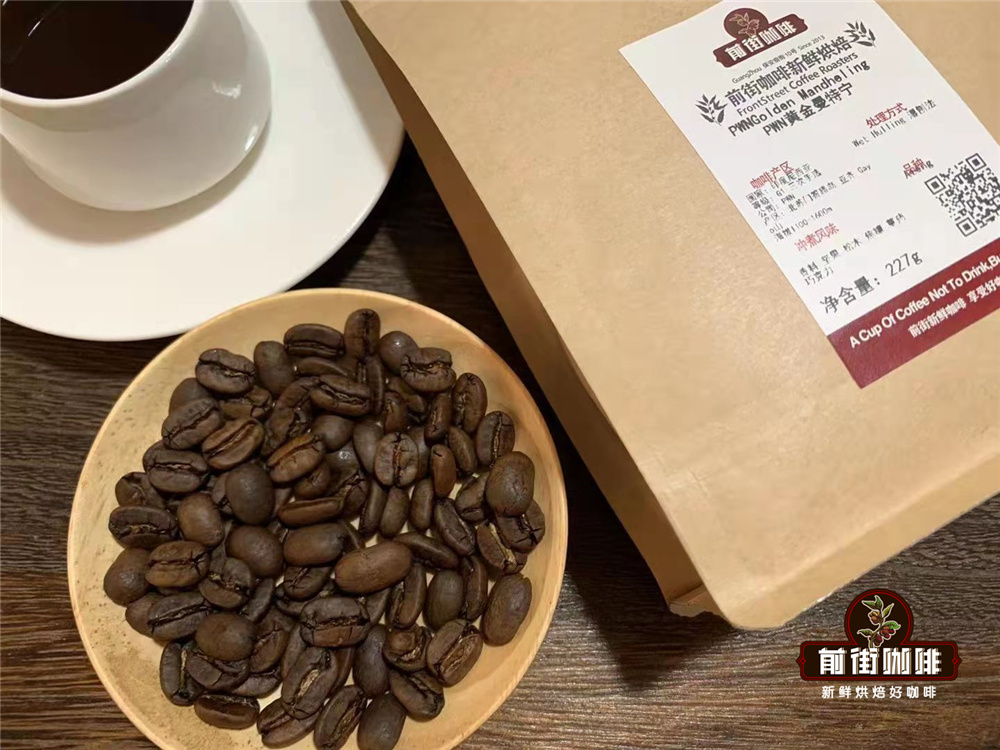
Golden Mandheling is regarded as a standout among Indonesian specialty coffees, with quality and flavor distinctly superior to regular Mandheling. Sourced from the Lintong region in northern Sumatra, this coffee is made from only fully ripe coffee cherries and processed using the semi-washed method, combined with natural sun drying and multiple refining steps—including secondary drying and four rounds of hand sorting—to ensure the purity and consistency of the final green beans.
PWN and the Strict Standards of Golden Mandheling
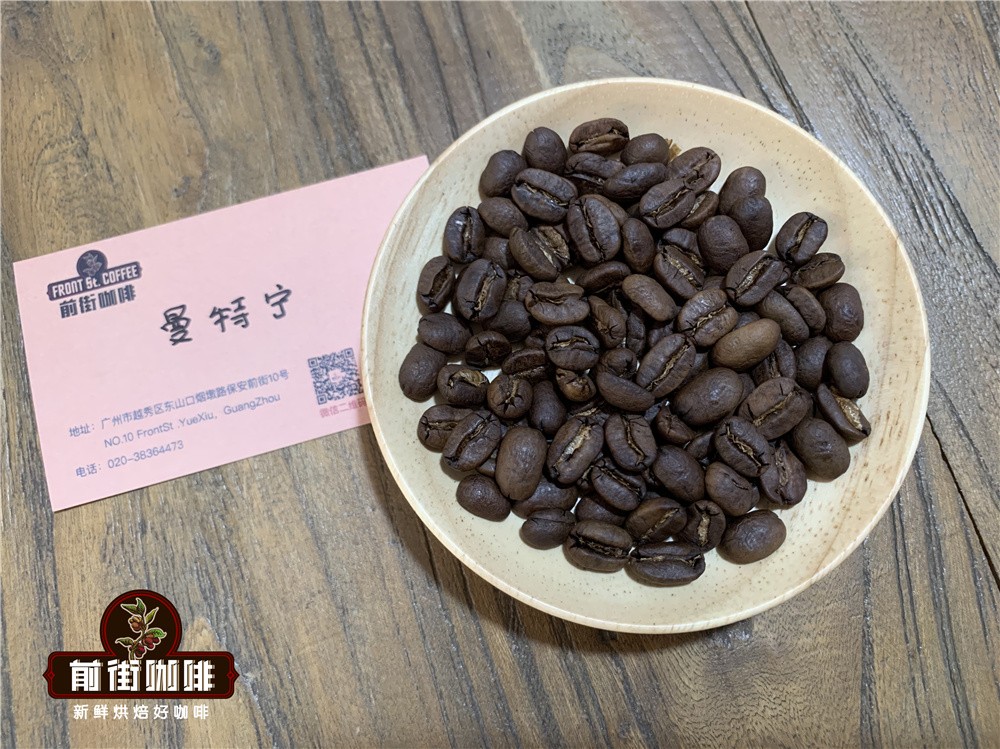
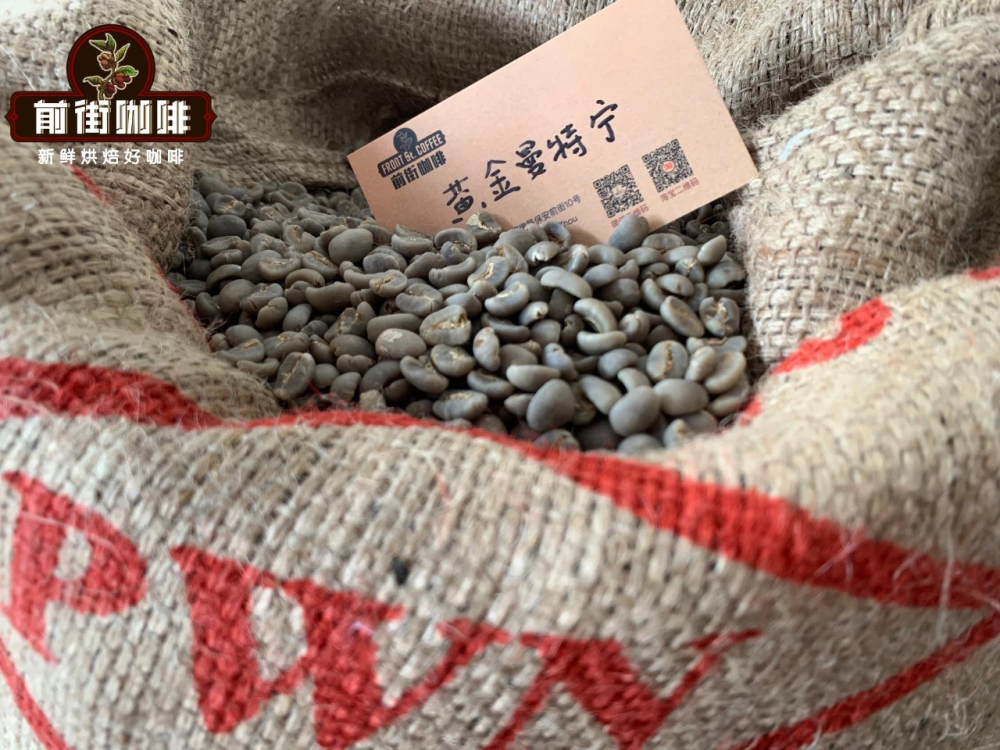
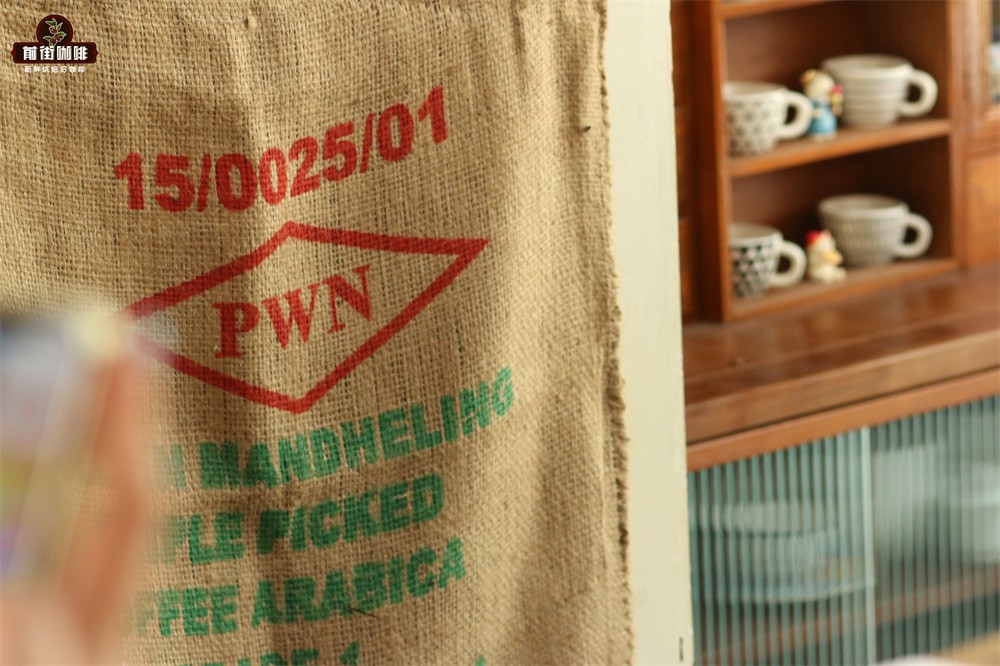
PWN (Pawani) is a long-established Indonesian green bean supplier, specializing in high-quality Mandheling since 1957. Its Golden Mandheling is produced on the basis of Indonesia’s highest-grade G1, undergoing three additional rounds of manual screening, which significantly reduces defect rates. As a result, the final beans are uniform in color and shape, with almost none of the earthy off-flavors commonly found in regular Mandheling, and offer a brighter and sweeter aroma.
How to Identify Authentic PWN Golden Mandheling?
Some merchants in the market attempt to create an imitation “Golden Mandheling” by selecting beans larger than 18 mesh from standard G1-grade Mandheling and mimicking the three-step hand-selection process. However, these products often cannot match the flavor of PWN’s version. Professional baristas can easily distinguish them through blind tasting, as PWN Golden Mandheling offers an unmatched clean taste and high-level aromatic expression.
Varietal and Regional Details of Golden Mandheling
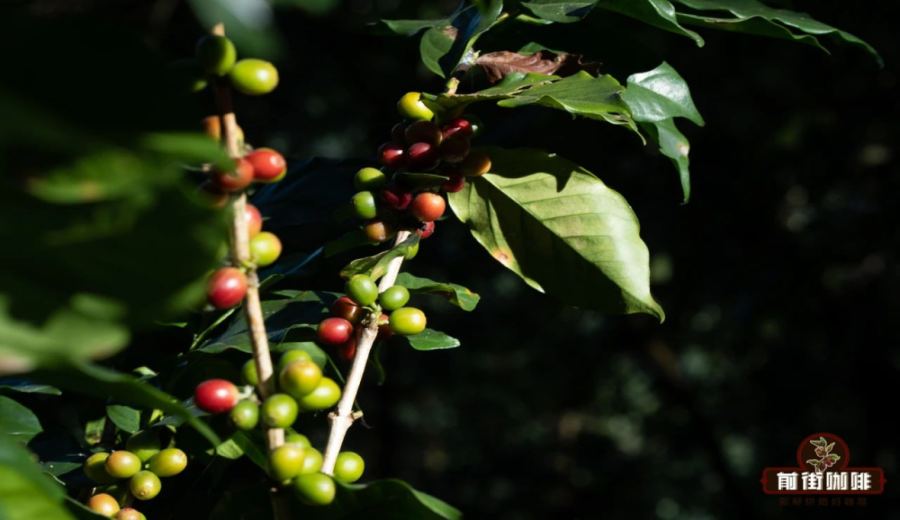
Due to Indonesia’s equatorial location and past struggles with leaf rust, over 90% of its exported coffee is Robusta, with only about 10% being Arabica. Golden Mandheling mainly comes from the Gayo Mountains in Aceh, North Sumatra, and the varieties are mostly Ateng, the local term for the Catimor variety. The region’s altitude ranges between 1,100 and 1,600 meters, with climatic and topographical conditions highly favorable for growing specialty coffee. In recent years, political stability has also contributed to a gradual improvement in regional quality.
Wet-Hulling: The Key Processing Method Behind Mandheling’s Flavor
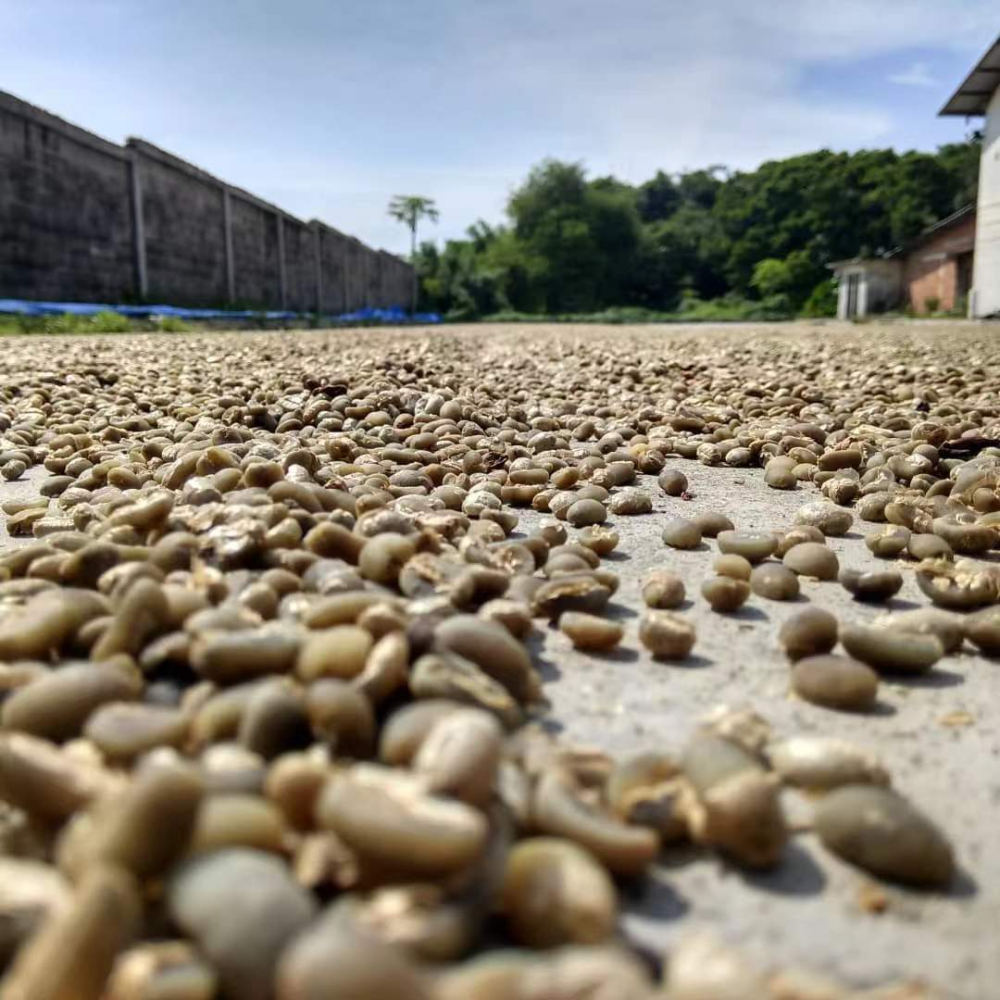
Indonesia’s hot and humid climate has led farmers to develop the unique “wet-hulling” (Wet Hulling) processing technique. This method involves quickly removing the parchment layer while the beans are still semi-dry, and hulling the beans before they are fully dried, helping to create Mandheling’s signature low acidity, thick body, and intense earthy aroma. Golden Mandheling also employs this traditional process, resulting in its unique aromatic profile and rich mouthfeel.
Why Is Mandheling Mostly Medium to Dark Roasted?
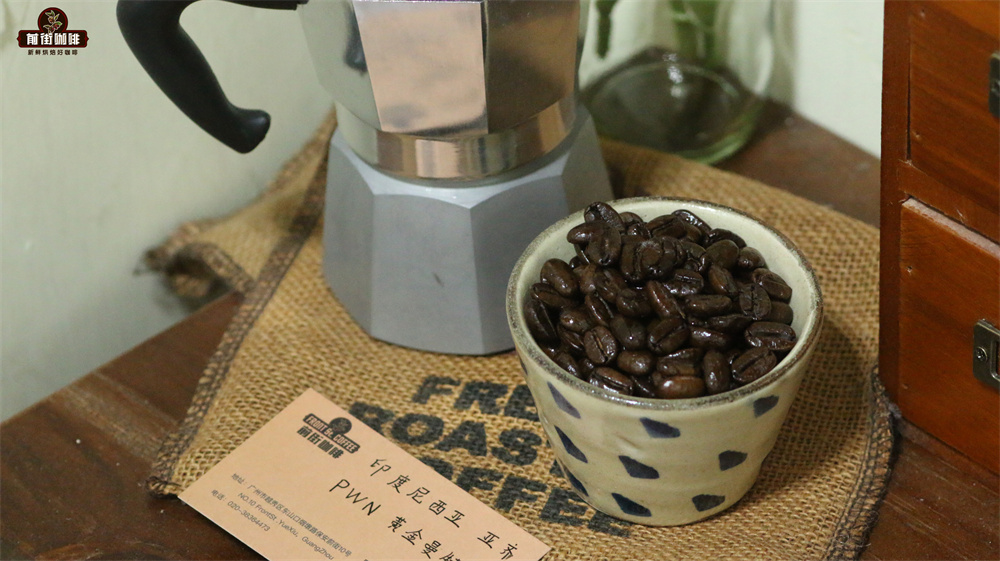
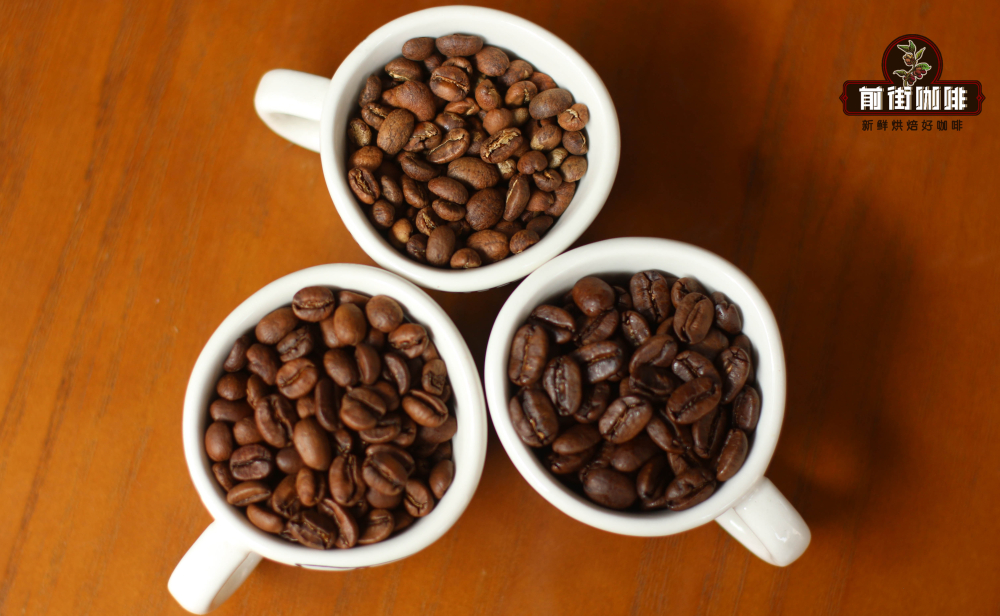
Due to the potential for bean surface damage and higher defect rates during wet-hulling, darker roasting helps mask these flavor flaws and brings out woody, spicy, and nutty tones. Additionally, Mandheling is extremely popular in the Japanese market, where the Japanese-style dark roast accentuates its bold and rich characteristics—this is another key reason why most Mandheling on the market leans toward medium to dark roasts. However, in recent years, some producers have also introduced medium-light roast versions to showcase brighter fruity and herbal notes.
Golden Mandheling Pour-Over Recommendations and Practical Parameters
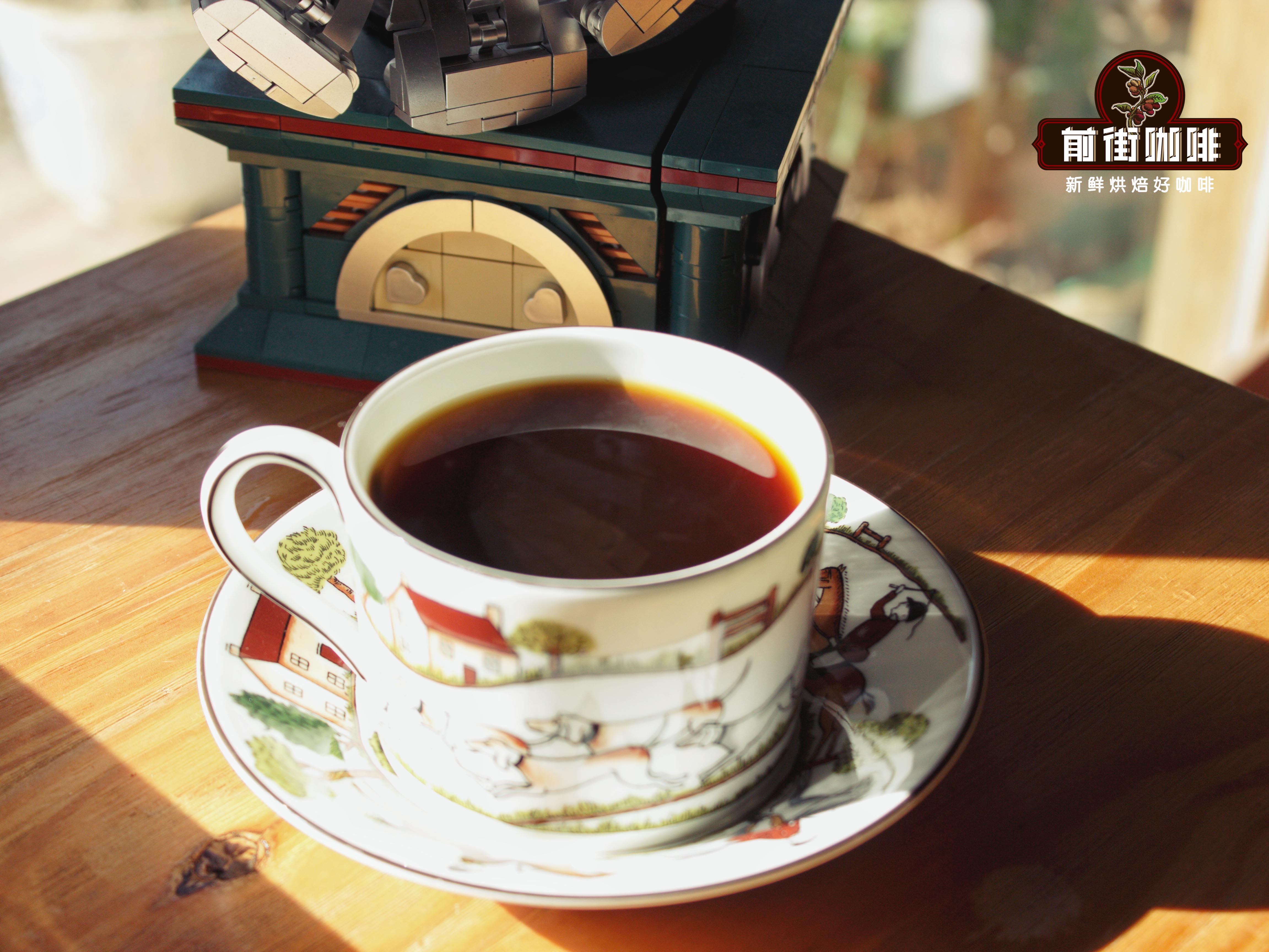
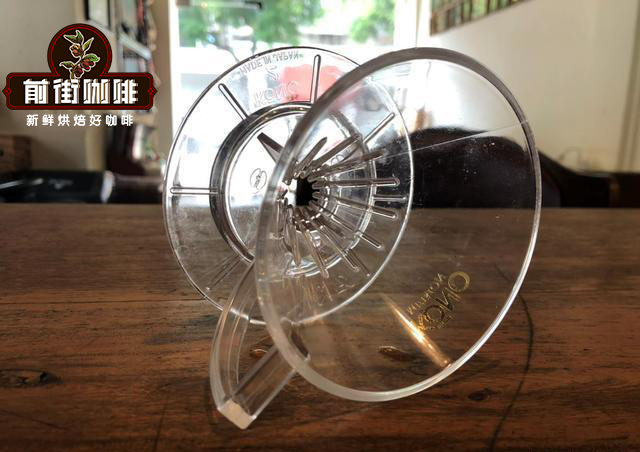
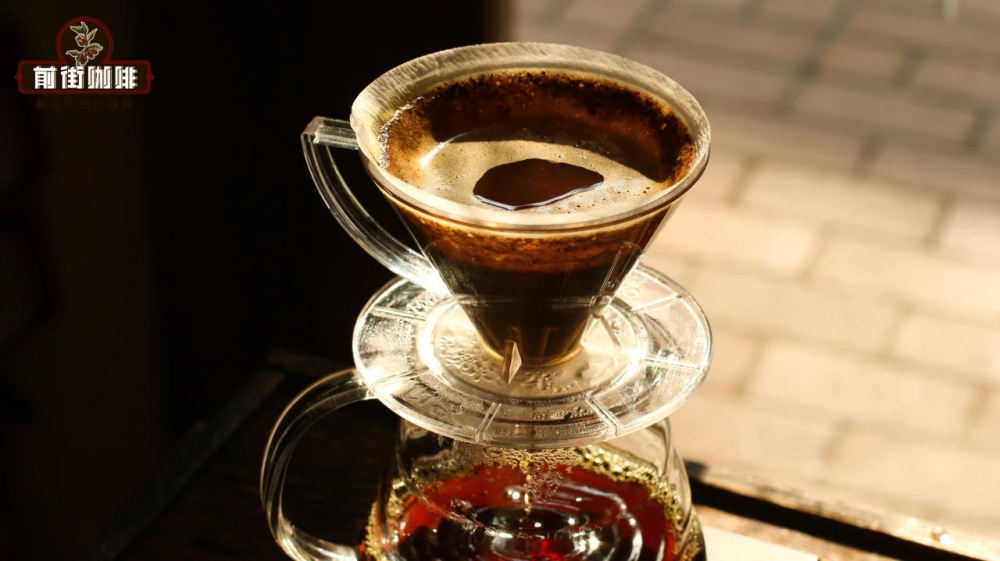
As Golden Mandheling is a dark-roasted bean, it is recommended to use a lower water temperature (around 88°C) to avoid over-extraction, paired with a Kono filter to extend brew time and fully highlight its full-bodied taste. The specific parameters are as follows: 15 grams of coffee, a 1:15 coffee-to-water ratio, and a medium-fine grind (approximately 70% passing through a #20 sieve). Start with a 30-second bloom using 30 grams of water, then pour in small streams to reach 125 grams for the first pour, followed by pouring up to 225 grams before stopping. Total brew time is about 2 minutes. Gently swirl before serving—the flavors are clear, with delightful caramel and nutty aromas, and a long, balanced aftertaste.
The above content is compiled by CoffeeHunters, a coffee news website.

