







Introduction:Explore the diverse profiles of Sumatran Mandheling coffee, from the common Lintong Mandheling to the premium Golden Mandheling, and discover how the wet hulling process shapes its unique aroma and flavor. This article delves into Indonesia’s coffee grading system, processing techniques, and offers tips on identifying authentic Golden Mandheling, along with recommended roast levels and brewing methods for pour over, helping you fully appreciate the charm of Mandheling from beginner to advanced levels.
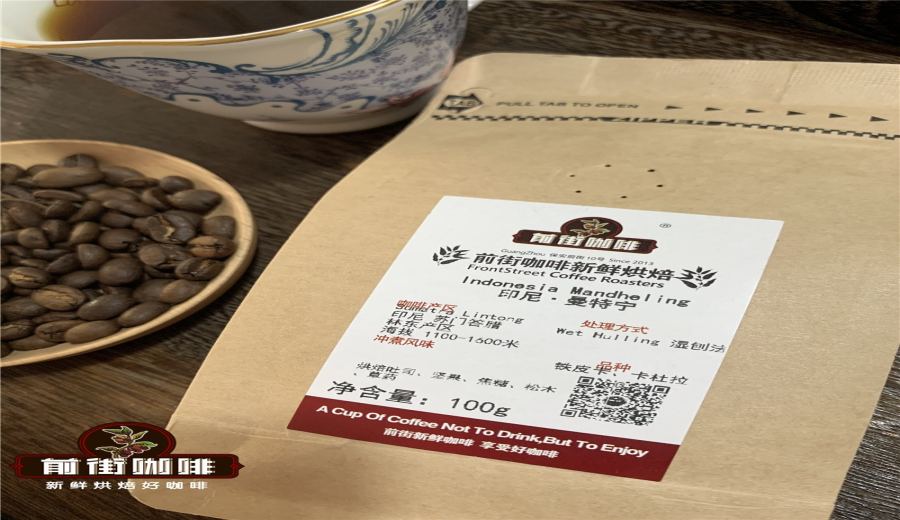
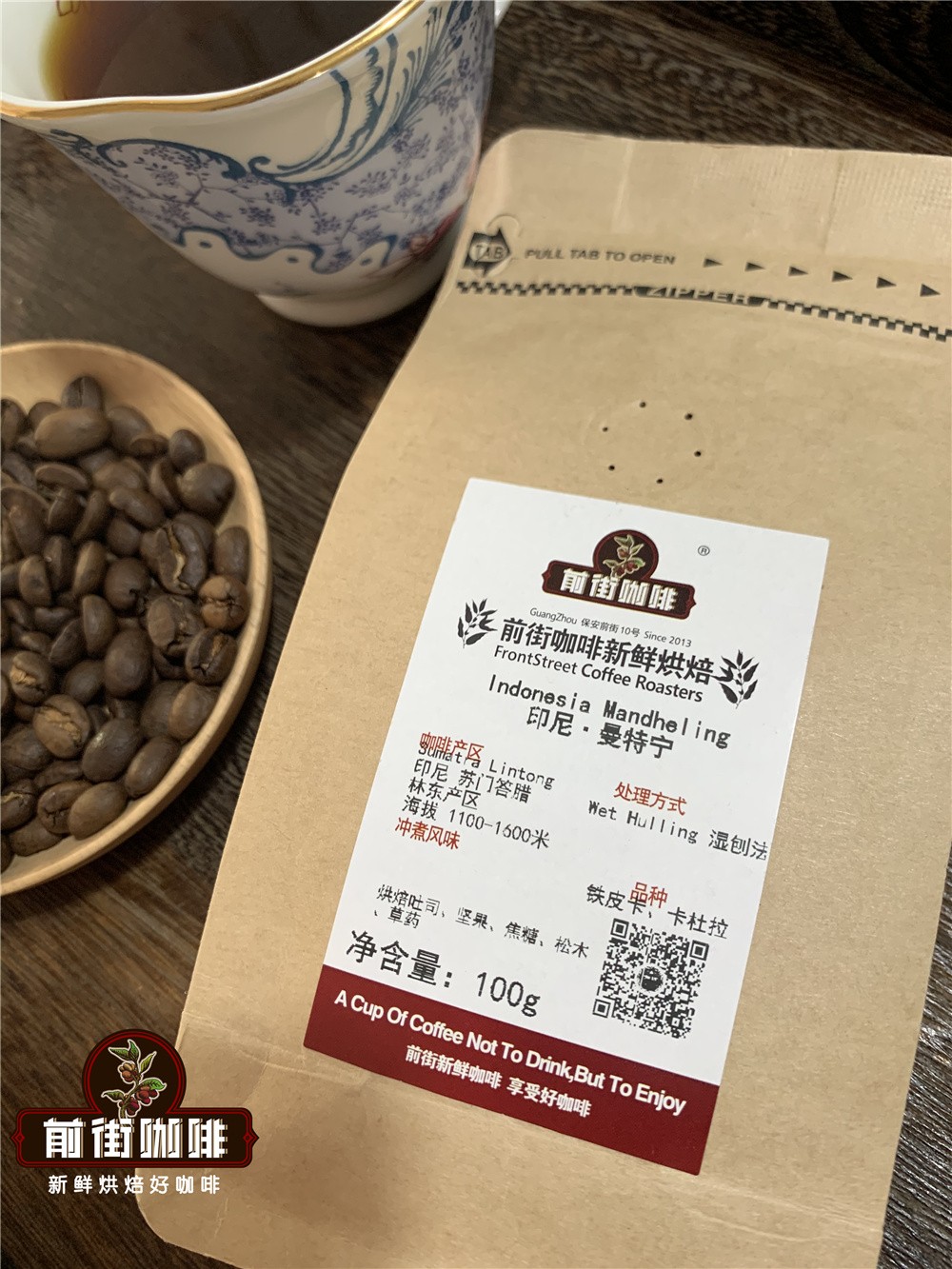
Sumatran Mandheling coffee is renowned for its rich layers and distinctive regional flavors. However, local classifications of Mandheling are quite varied, often based on origin, processing method, or green bean supplier. For example, a supplier’s Lintong Mandheling comes from the Lake Toba region in northern Sumatra, at an altitude of about 900 meters, grown in high-altitude areas with Arabica varieties. This bean is processed using traditional wet hulling, emitting strong herbal and earthy aromas, making it suitable as everyday drinking beans and an ideal choice for beginners exploring pour over coffee.
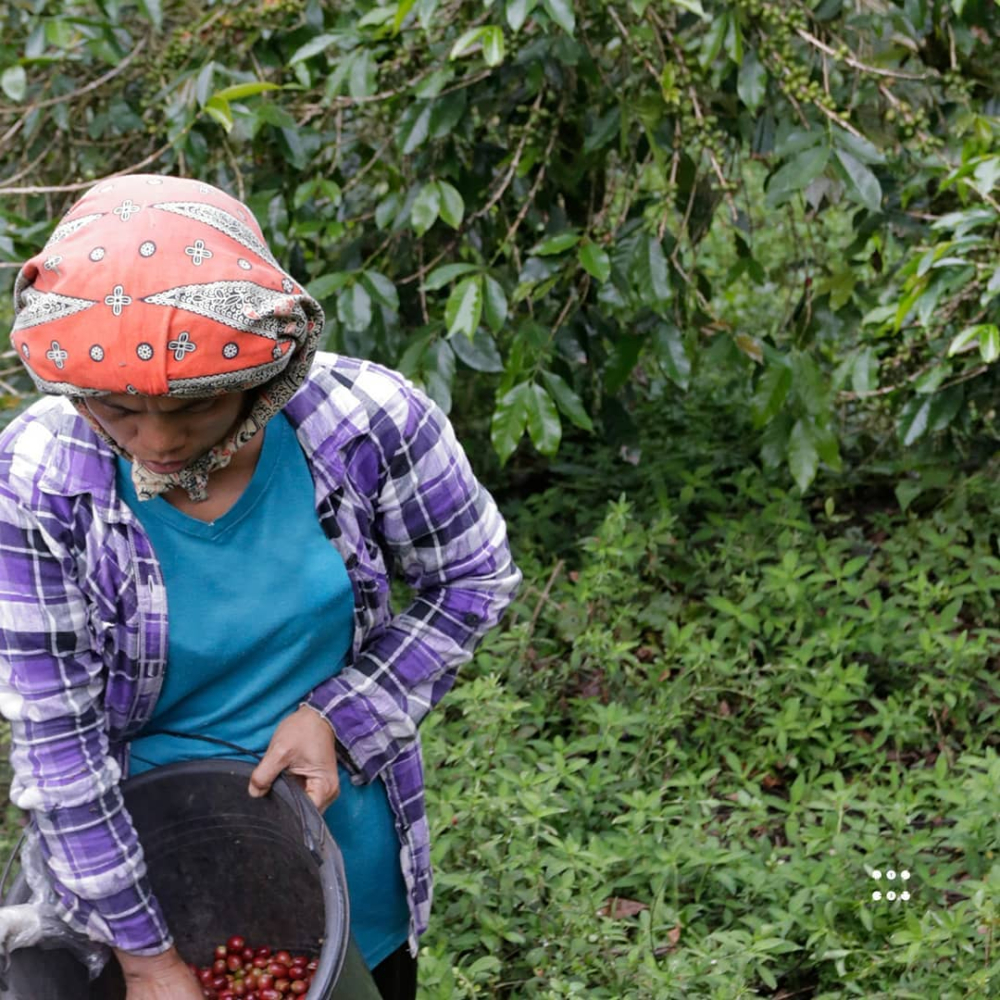
For those seeking higher-quality Mandheling, the Golden Mandheling produced by Indonesia’s Pawani Coffee Company (abbreviated as PWN) is a must-try. This company has been focused on export since 1957, headquartered in Medan Port, Sumatra, and is a key promoter of premium Indonesian Mandheling. Through careful selection of high-quality green beans, PWN’s Mandheling generally reaches specialty grade, especially its registered trademark “Golden Mandheling,” which not only performs excellently in flavor but is also the only officially trademark-certified authentic product on the market.
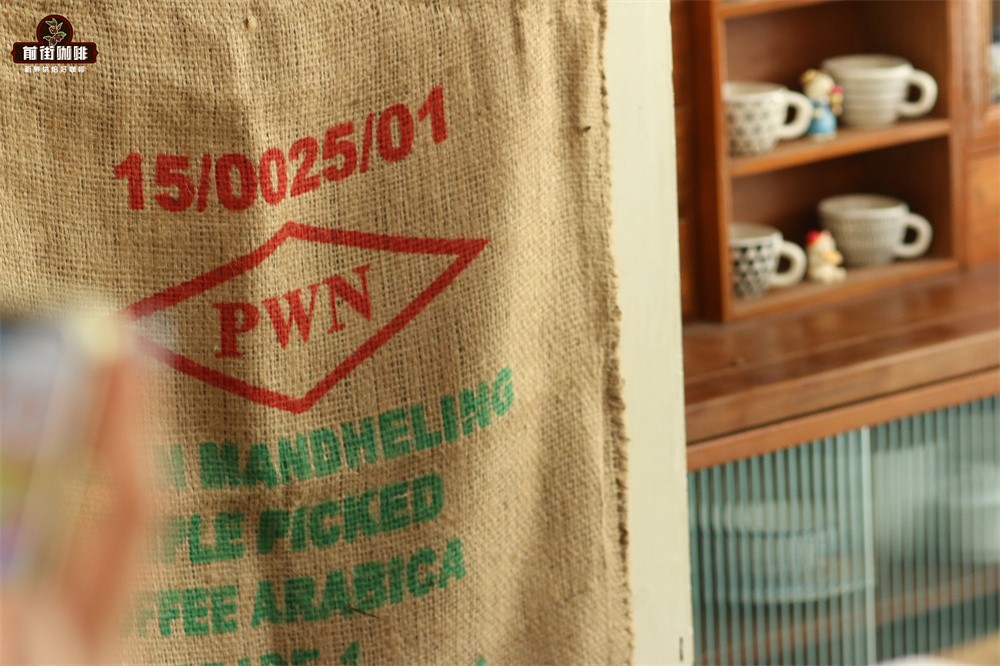
Speaking of “Golden Mandheling,” this is PWN’s exclusive brand, and “Golden Mandheling” has been registered as a trademark, meaning only Golden Mandheling produced by PWN can use this name. Consumers can verify authenticity by checking for the PWN logo on the jute sack and confirming the presence of an origin certificate signed by PWN. A certain supplier also publicly displays these identification marks at their Dongshankou store for customer reference.
Indonesia’s wet hulling (wet hulling) is a unique processing method developed to adapt to the region’s high humidity and frequent rainfall. In an environment with an average annual humidity of 70% to 90% and annual rainfall often exceeding 2000 mm, traditional sun-drying or washed processing methods are difficult to implement. The wet hulling process includes: first removing the coffee cherry’s skin and pulp, briefly fermenting the parchment-covered beans for a few hours, then brushing off the mucilage, followed by initial drying to a moisture content of about 30% to 40%, taking approximately 2 to 3 days. At this stage, the green beans are sold to buyers, who then use machines to remove the not yet fully dried parchment layer. Due to high friction, this stage often causes surface abrasions, pressure marks, or even the distinctive “elephant ear” appearance on the green beans, which are then dried to a final moisture content of 12% to 13% before packaging.
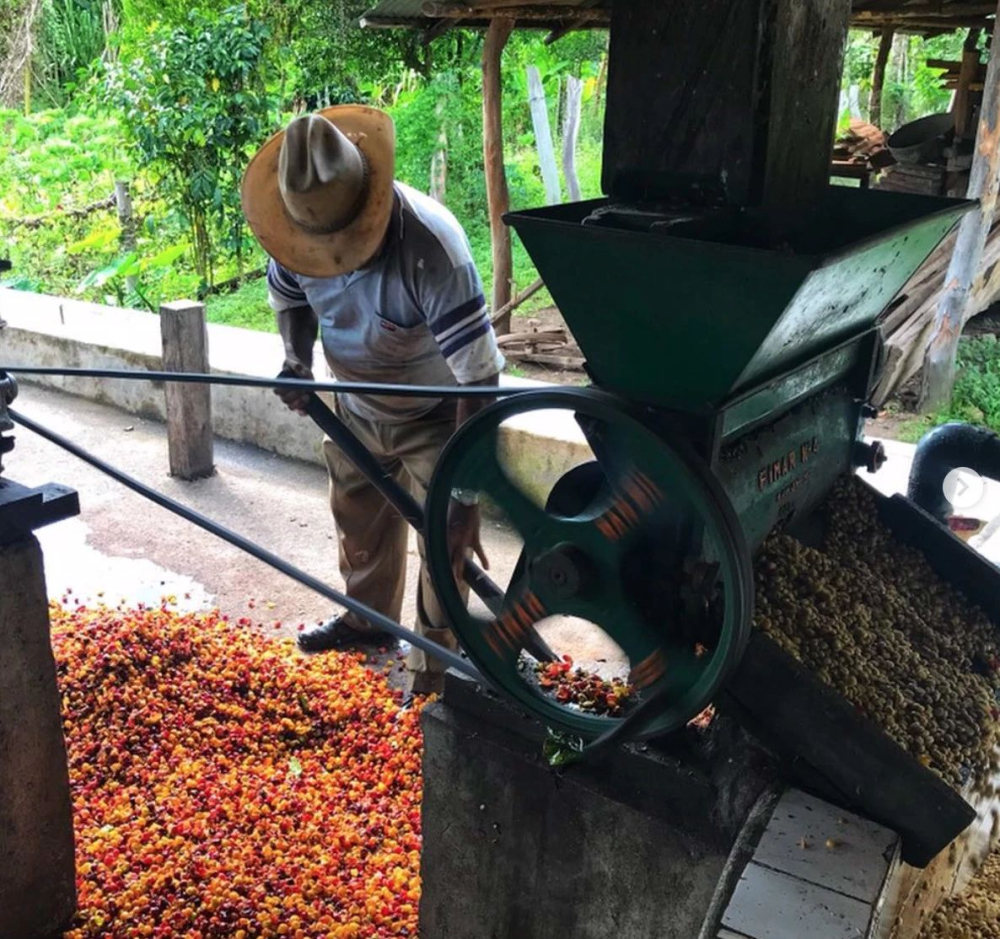
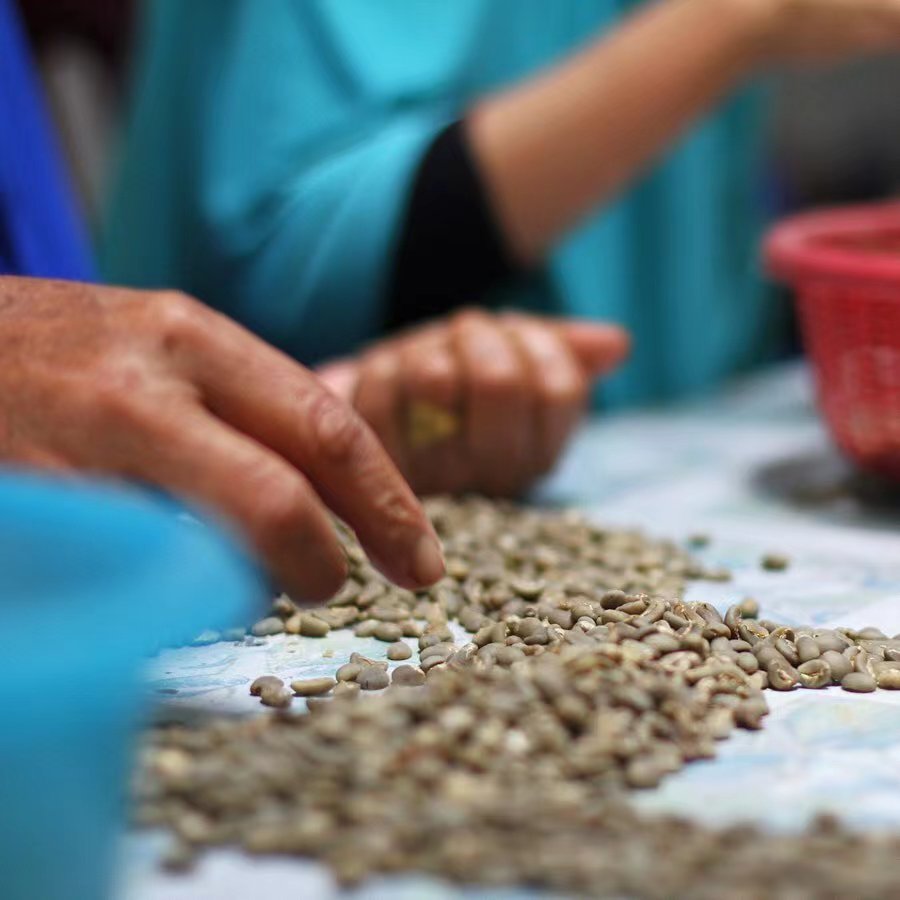
Because wet hulling accelerates the processing but also increases the proportion of defective beans, multiple hand-sortings are required before export to remove inferior beans. Common grading levels include DP (double picked) and TP (triple picked). Indonesia’s green bean grading is mainly based on the number of defects, supplemented by bean size, with the highest grade being G1, requiring no more than 11 defects in a 300-gram sample. Most commercially available regular Mandheling falls under the G1 grade, processed using wet hulling, showcasing the classic flavor characteristics of the region.
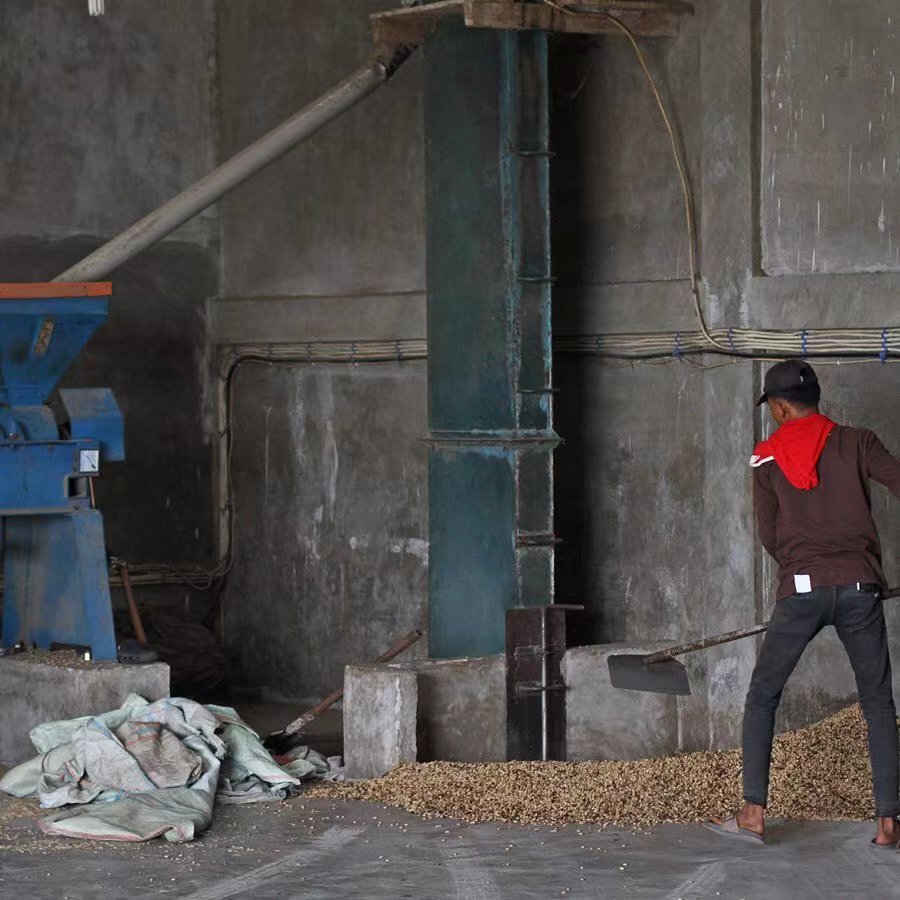
Some companies have even stricter quality requirements, specifically sourcing green beans larger than eighteen mesh and selecting only top batches with fewer than three defects in the G1 grade. In addition to basic mechanical screening, they also perform three rounds of manual selection to ensure uniformity in appearance and size of each green bean. Furthermore, before packaging, density and color sorters are used to ensure the final Golden Mandheling has a uniform and bright color, significantly enhancing visual and quality consistency.
Some companies registered the English name “Golden Mandheling” as a trademark before other brands, so similar products from other origins or brands on the market, such as Japan’s “Dingshang Mandheling,” cannot use this name. To identify genuine Golden Mandheling, besides checking the relevant marks on the sack, it’s also necessary to verify the official origin certificate provided with the beans. These details are displayed at some suppliers’ Dongshankou stores for consumer reference.
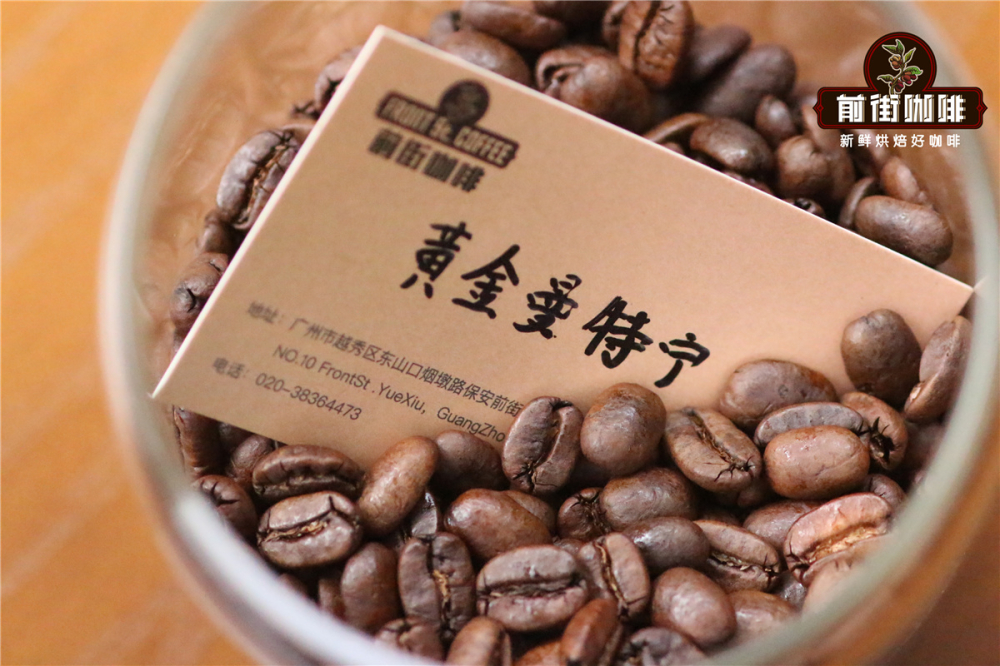
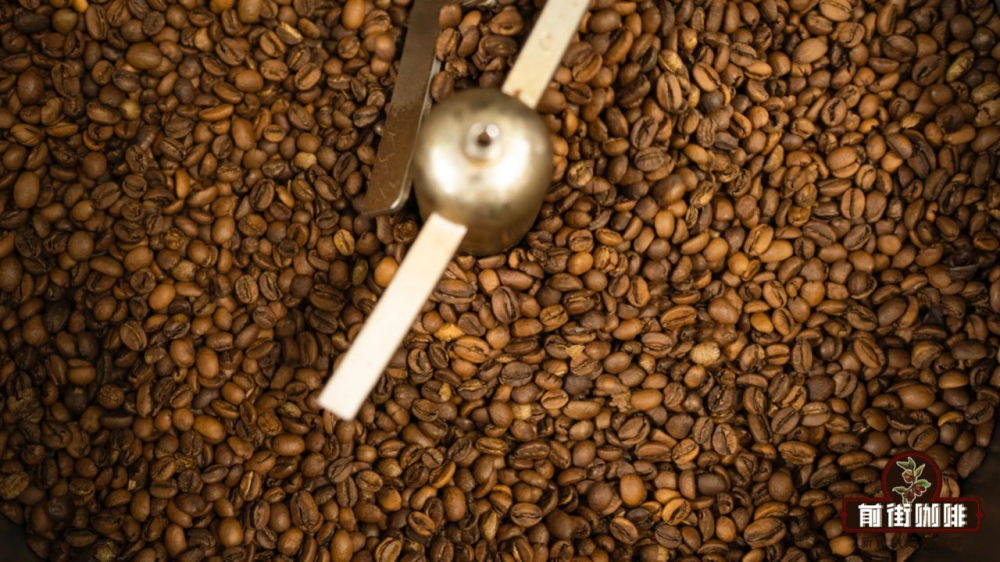
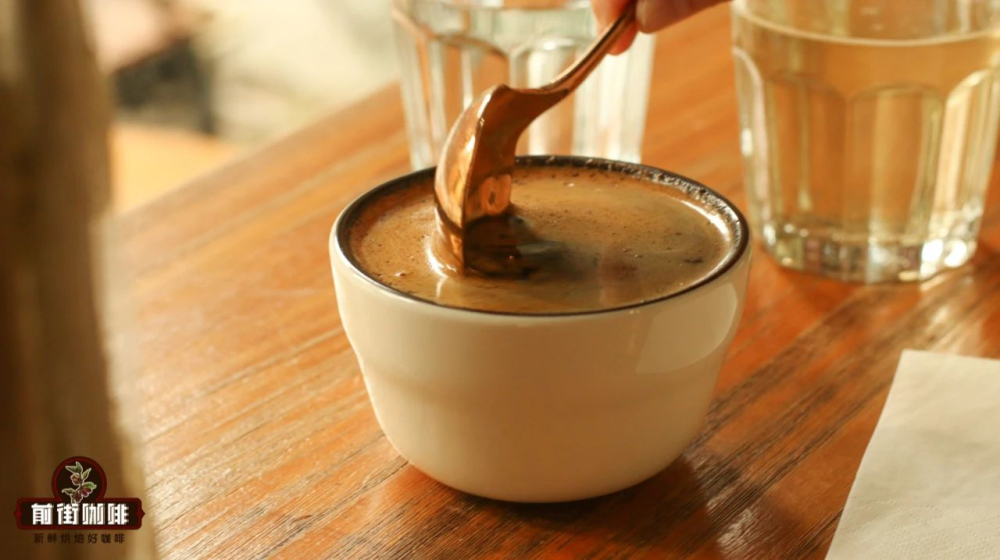
In terms of roasting, to fully highlight Mandheling’s distinctive herbal and spicy notes, some roasters often opt for medium-dark roasts. Before each new bean release, at least one cupping session is conducted to objectively evaluate flavor balance and characteristics. In actual cupping comparisons, Lintong Mandheling showcases intense chocolate, brown sugar, and nutty aromas, with a herbal freshness in the aftertaste; whereas Golden Mandheling emits pine, nut, and spice notes in the dry fragrance, and presents a layered profile of licorice, caramel, and dark chocolate when brewed, with a clean, full-bodied taste and pronounced sweetness.
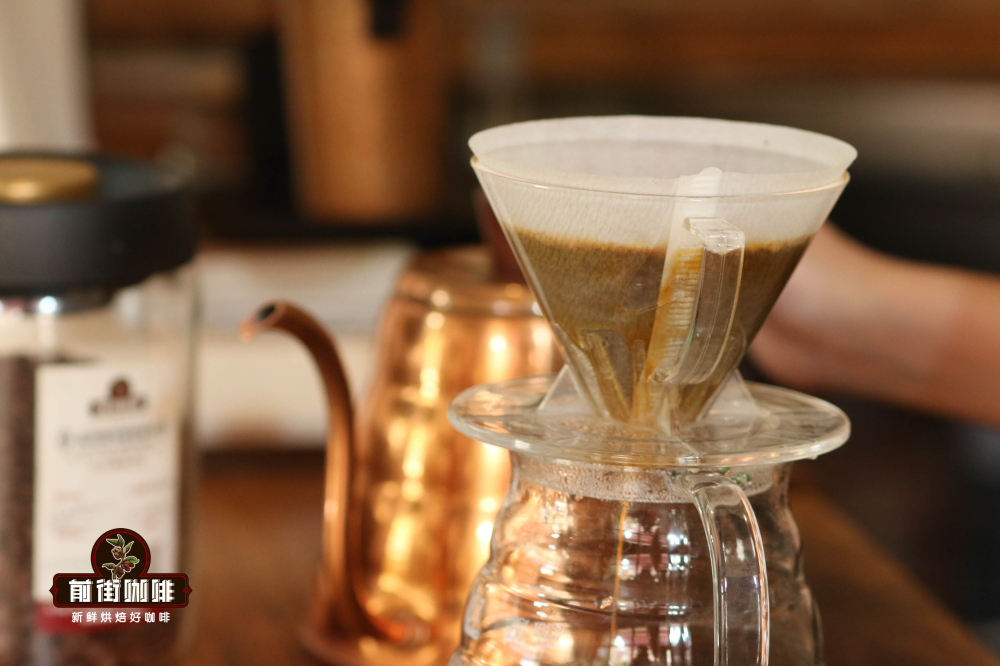
For Golden Mandheling, some baristas recommend using a KONO filter, paired with medium-coarse grind (70% passing rate through a Chinese standard 20-mesh sieve), a 1:15 coffee-to-water ratio, and water temperature controlled at 87–88°C. A three-stage pouring method is suggested: start with 30 ml for blooming to help degas the coffee grounds; the second pour adds 100 ml to bring out golden crema and lift the coffee bed; finally, 95 ml is poured centrally to enhance sweetness and body, fully unlocking the flavor potential of this premium Mandheling.
The above content is compiled by CoffeeHunters, a coffee news website.

