







Introduction:Sumatra Mandheling coffee is renowned for its full body and low acidity, with PWN Golden Mandheling being the top-tier representative in the specialty market. This article delves into the regional characteristics of this registered trademark coffee, differences in processing methods, and provides professional-grade pour over parameters and flavor profiles—from grade certification to grind size—guiding you to master the brewing essentials of this classic bean.
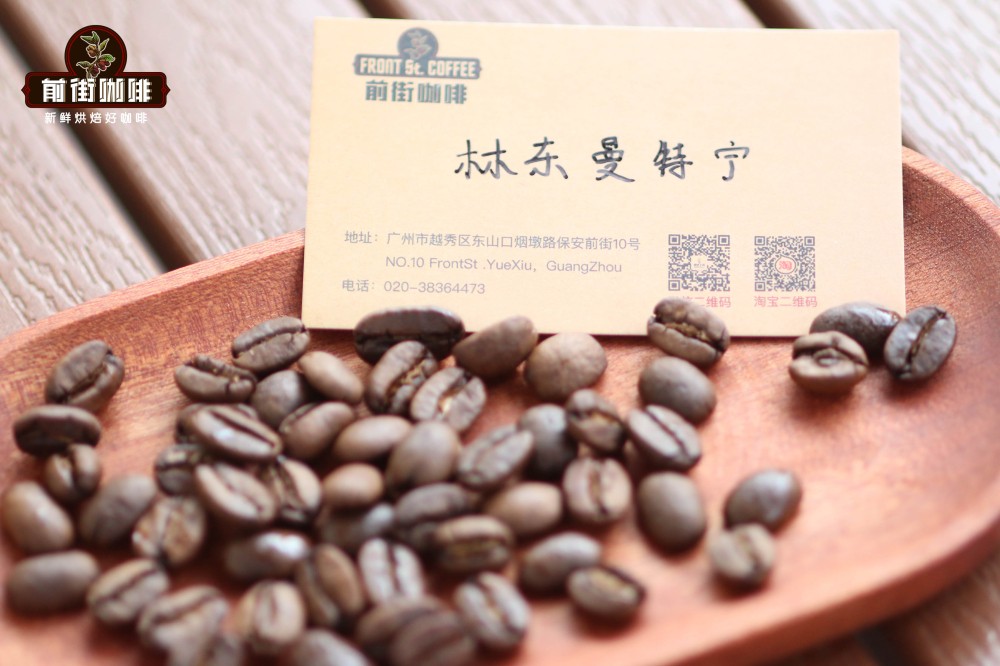
When it comes to specialty coffee from Indonesia, Sumatra Mandheling has always held an important position. This dark-roasted bean from Asia is famous for its bold flavors, often featuring herbal, dark chocolate, and caramel notes, and is especially suited to drinkers who prefer less bright acidity. Many beginners, upon first encounter, often mistake it for Robusta due to its strong character, though it is actually a high-quality Arabica variety.
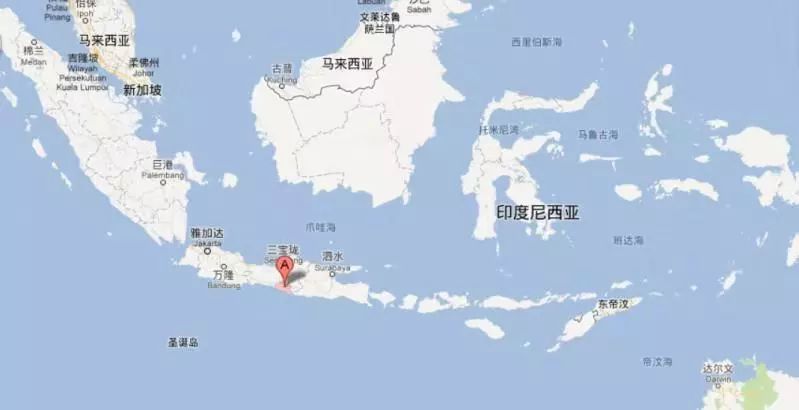
As a core coffee-growing region in Indonesia, Sumatra’s history dates back to the Dutch colonial period in 1696. Initially, the cultivation expanded from Java Island, but it was later discovered that most of the coffee exported to Europe from the island actually originated from northern Sumatra, and the name “Mandheling” comes from the indigenous group in this area. The coffee grown in this volcanic soil has now become a model of Asian flavor profiles.
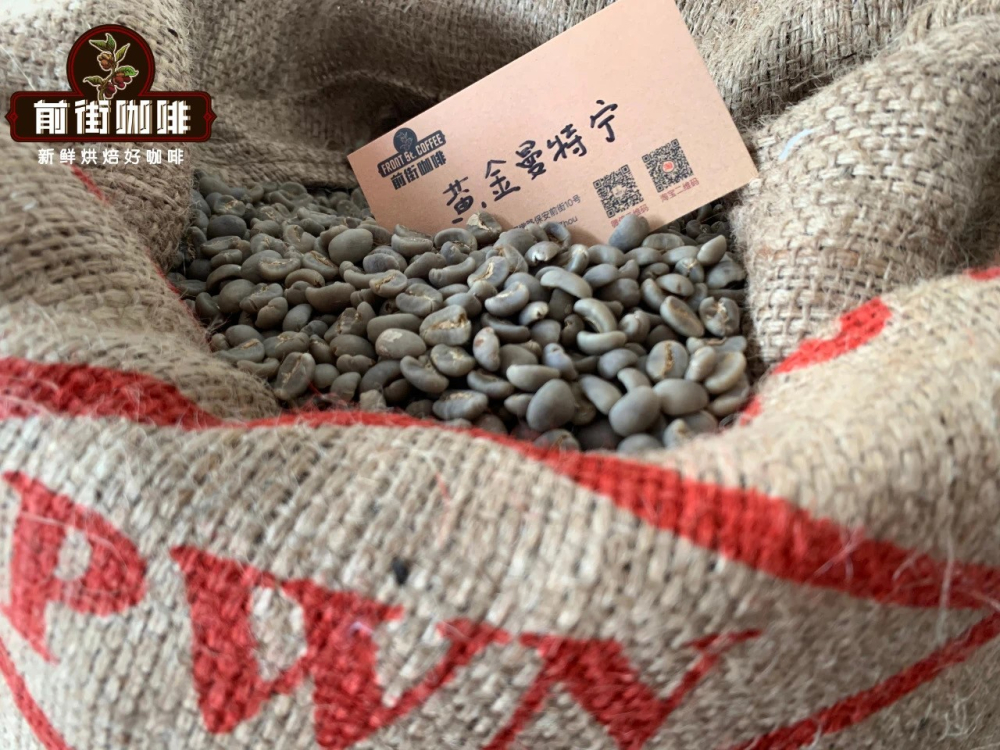
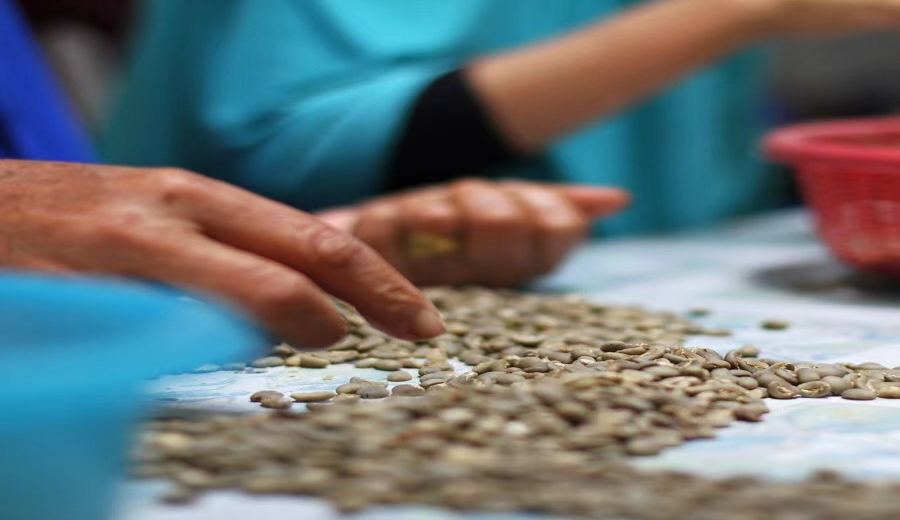
The so-called “Golden Mandheling” is not a grading level based on quotation, but rather a registered trademark owned by Indonesia’s PWN Coffee Company (PWN). This enterprise has been exclusively handling Indonesian specialty exports since 1957, and after 1977, focused on Sumatra Arabica Mandheling and Robusta AP-I Grade II beans, with a market share of over 90% in Japan and Taiwan. PWN Golden Mandheling must undergo three rounds of manual sorting, with a defect rate below 3% (based on a 300g standard), classified as G1—the highest grade—and the green beans are deep green and neatly flat.
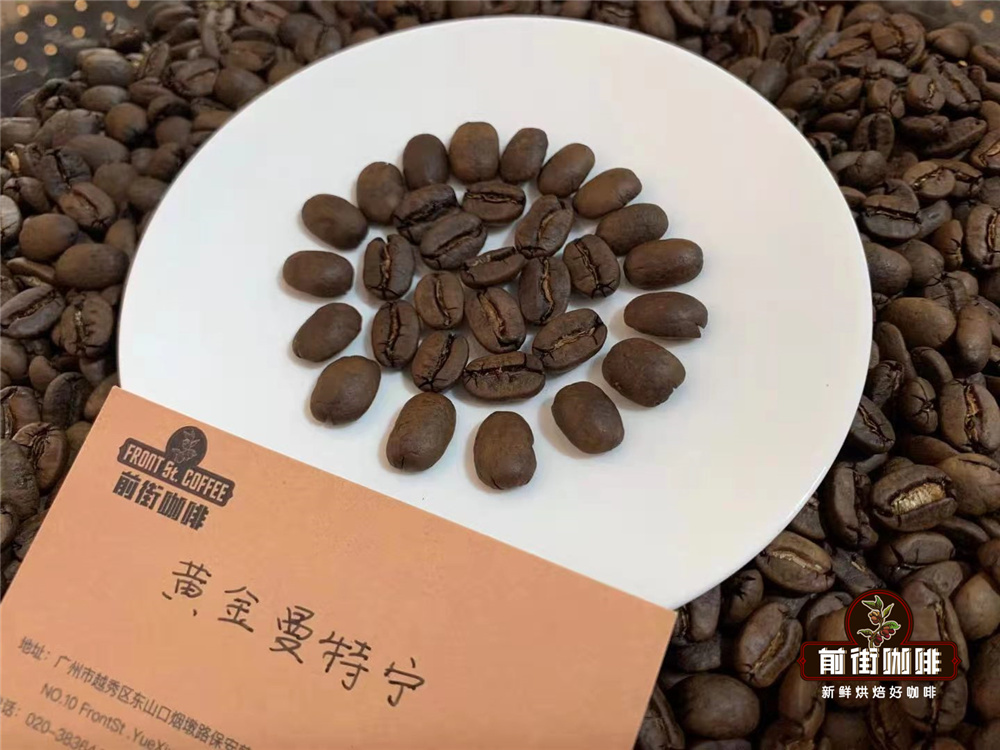
The new season Golden Mandheling is sourced from the Gayo Highlands in North Sumatra, at altitudes between 1100–1600 meters. The region mainly cultivates the Ateng variety (also known as Catimor, commonly called Ateng in Indonesia), which is a hybrid of Arabica and Robusta and has strong disease resistance. After the stabilization of the political situation, the coffee quality in this area has surpassed that of the traditional Lintong growing region. PWN also requires the beans to be 19 mesh in size and to pass through four rounds of strict screening.
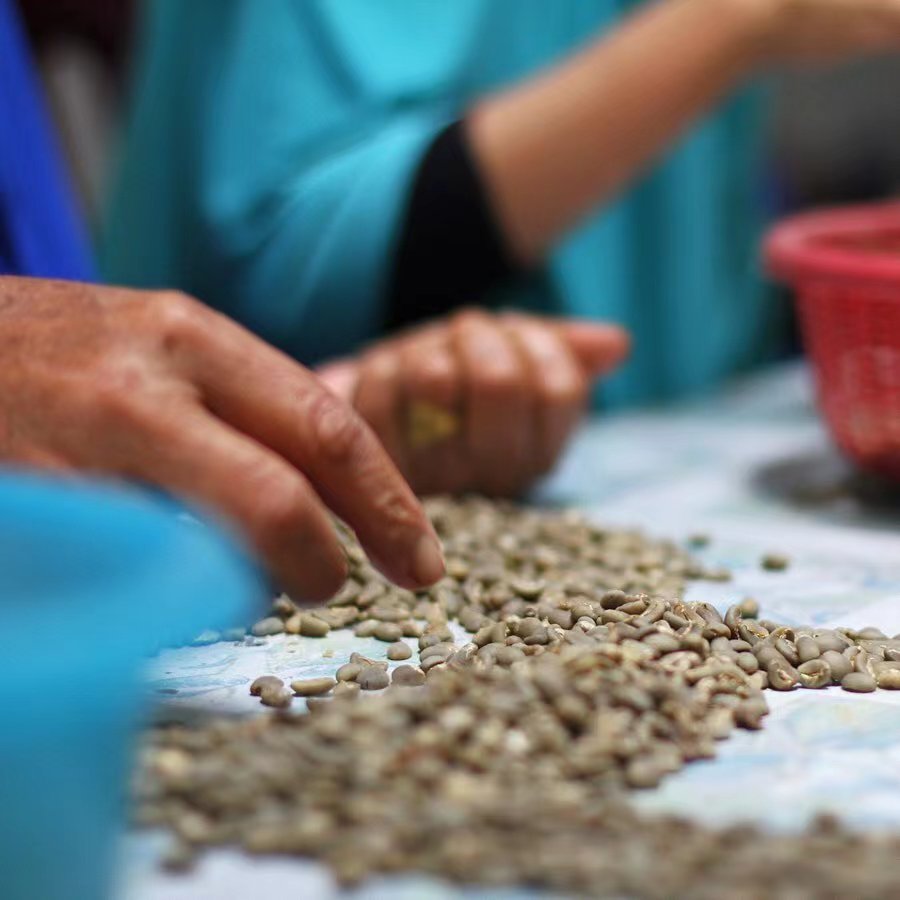
Wet hulling is the key processing technique that shapes the unique flavors of Mandheling. Faced with Indonesia’s hot and humid environment, farmers developed a rapid depulping and drying process: removing the parchment while the beans still have a relatively high moisture content, resulting in its signature low acidity, thick body, and rich aftertaste. PWN Golden Mandheling fully preserves this traditional method, giving the coffee a bold mouthfeel and a mildly sweet finish.
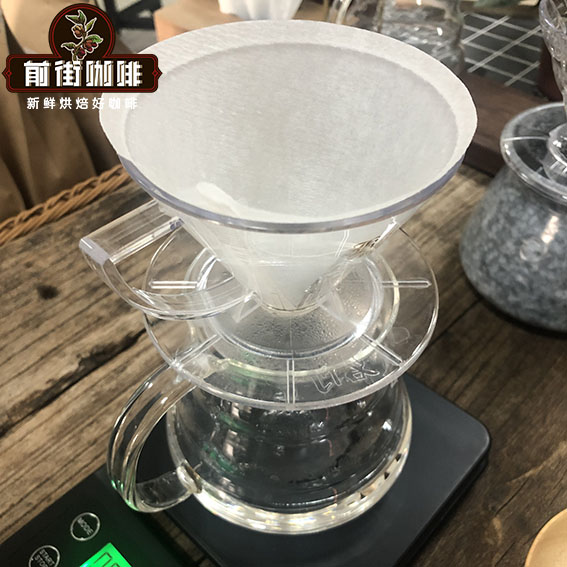
For pour over brewing, it is recommended to use a Kono filter cone with water at 88°C, a brew ratio of 1:15, and a medium-fine grind (70% passing through a 20-mesh sieve). During the step-by-step extraction, start with 30g of water for a 30-second bloom to release CO₂, then pour in small streams up to 125g for the first extraction phase, followed by pouring up to 225g before stopping. The total brew time is about 2 minutes, effectively balancing body and clarity while avoiding over-extraction and off-flavors.
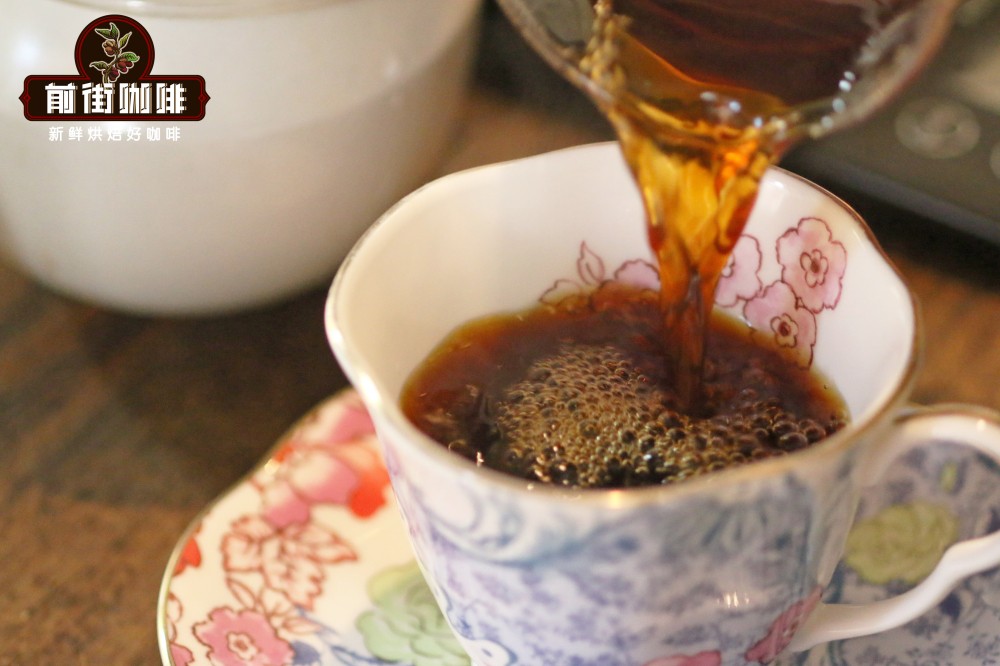
The flavor profile is layered and distinct: the cup opens with dominant notes of nuts and dark cocoa, followed by caramel sweetness in the mid-palate, and a long finish that lingers with black sugar and a hint of smokiness. Compared to regular Mandheling, the PWN version, thanks to its strict selection process, presents a cleaner flavor profile and greater balance, making it ideal for dark roast enthusiasts who seek a full-bodied taste.
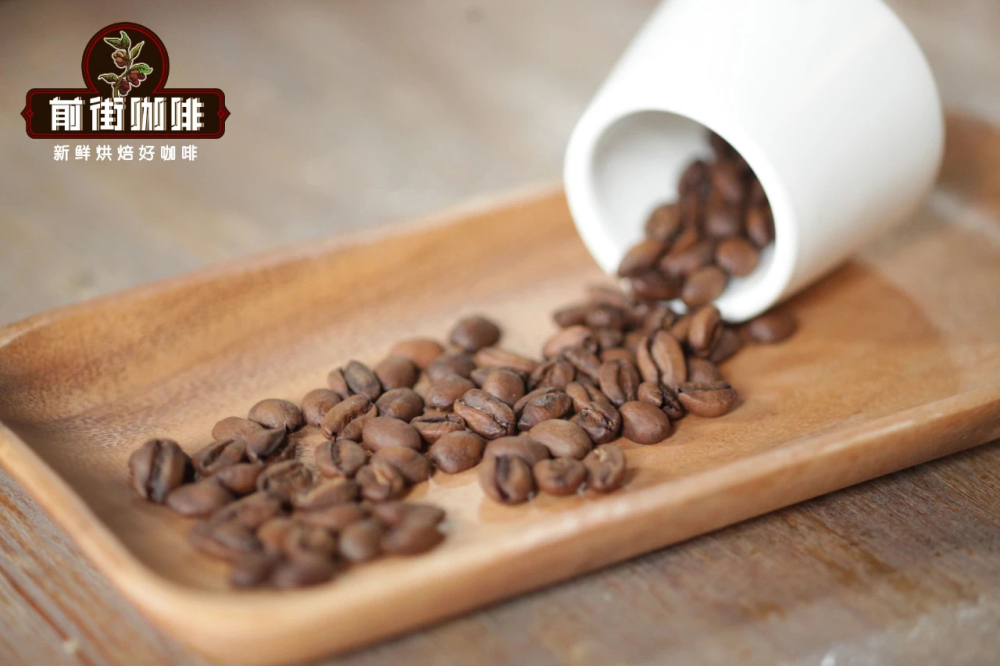
In terms of storage, freshly roasted beans (recommended to use within 5 days post-roast) require a 4–7 day degassing period. If purchasing pre-ground coffee powder, it should be used as soon as possible to minimize oxidation effects. It is professionally advised to opt for whole beans and grind them fresh to ensure the complete release of flavor compounds during extraction, fully showcasing the complex characteristics of this classic bean.
The above content is compiled by CoffeeHunters, a coffee news website.

