








Introduction:The roast level of coffee is one of the key factors that influence its flavor and acidity. From light to dark roasts, each roast level offers a distinctly different taste experience. This article provides an in-depth analysis of the color standards for judging roast levels, the characteristics of beans at different stages, as well as the specific impact on pour over flavors such as acidity, body, and aroma—helping you choose the most suitable coffee beans and roast level based on your preferences.
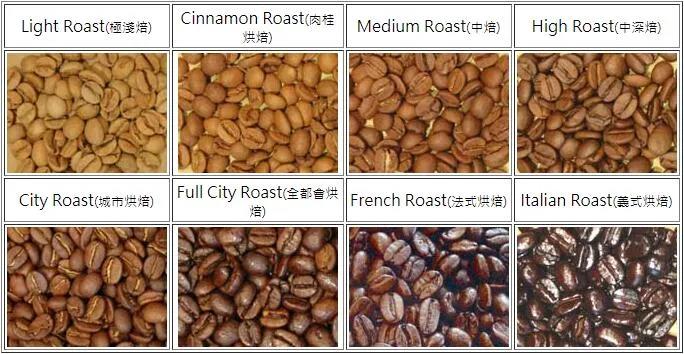
The roast level of coffee largely determines its flavor direction, especially when selecting single-origin coffee beans. Common labels such as “light roast,” “medium roast,” and “dark roast” are the basic classifications of roast levels. However, because definitions of roast levels have varied across countries in the past, they often cause confusion for beginners. To address this issue, the Specialty Coffee Association of America (SCAA) collaborated with Agtron to establish a numerical color value system as an objective standard for roast levels, enabling global coffee professionals to communicate on a shared basis.
Agtron Color System: A Scientific Definition of Roast Levels
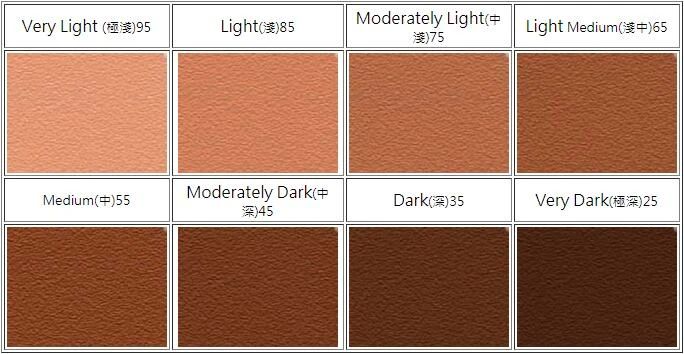
The SCAA uses infrared caramelization measurement technology (Agtron) to evaluate the surface color of coffee beans. Roast levels are divided into eight grades from light to dark, with corresponding color values serving as a reference for roast degree. This system has effectively unified the industry's understanding of roast levels and provides consumers with clearer guidance when making selections. For example, an Agtron color value of #95 represents an extremely light “light roast,” with the drop time typically occurring just before the end of the first crack. In contrast, a color value of #25 corresponds to an “espresso roast,” which is the darkest, with the drop time reached when oils begin to emerge on the bean surface.
Four Major Roast Categories and Pour Over Flavor Profiles
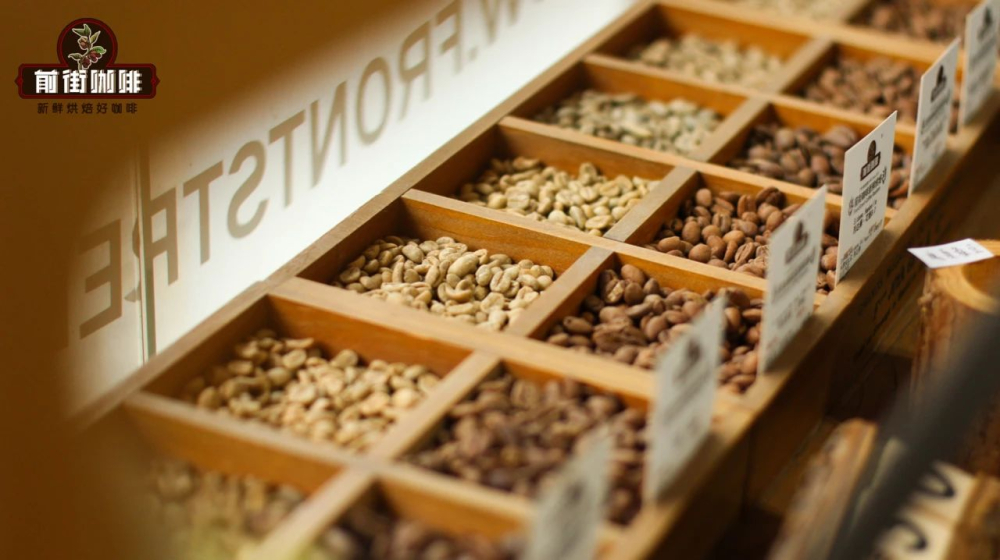
To help readers better understand how different roast levels affect coffee flavor, we can simplify the eight roast grades into four major categories: light roast (including light roast and cinnamon roast), medium roast (including medium roast and medium-dark roast), medium-dark roast (city roast and full city roast), and dark roast (French roast and espresso roast). Each category has its unique characteristics in terms of acidity, body, and aroma, which directly influence the results of pour over brewing.
Lightly roasted coffee beans, due to their shorter roast time, retain more of their original flavors, often exhibiting pronounced fruity acidity and floral-fruity aromas. They have a clean and bright taste, making them suitable for those who prefer a refreshing flavor profile. Medium roasts enhance body while reducing acidity, resulting in a fuller and more substantial mouthfeel, ideal for those who enjoy balanced flavors. Medium-dark roasts show almost no noticeable acidity, with flavors shifting toward richness and sweetness, where bitterness and body become more pronounced. As for dark roasts, acidity is nearly entirely absent, and the coffee presents a thick, bold mouthfeel along with a rich oily texture, suiting drinkers who prefer strong flavors and intense aromas.
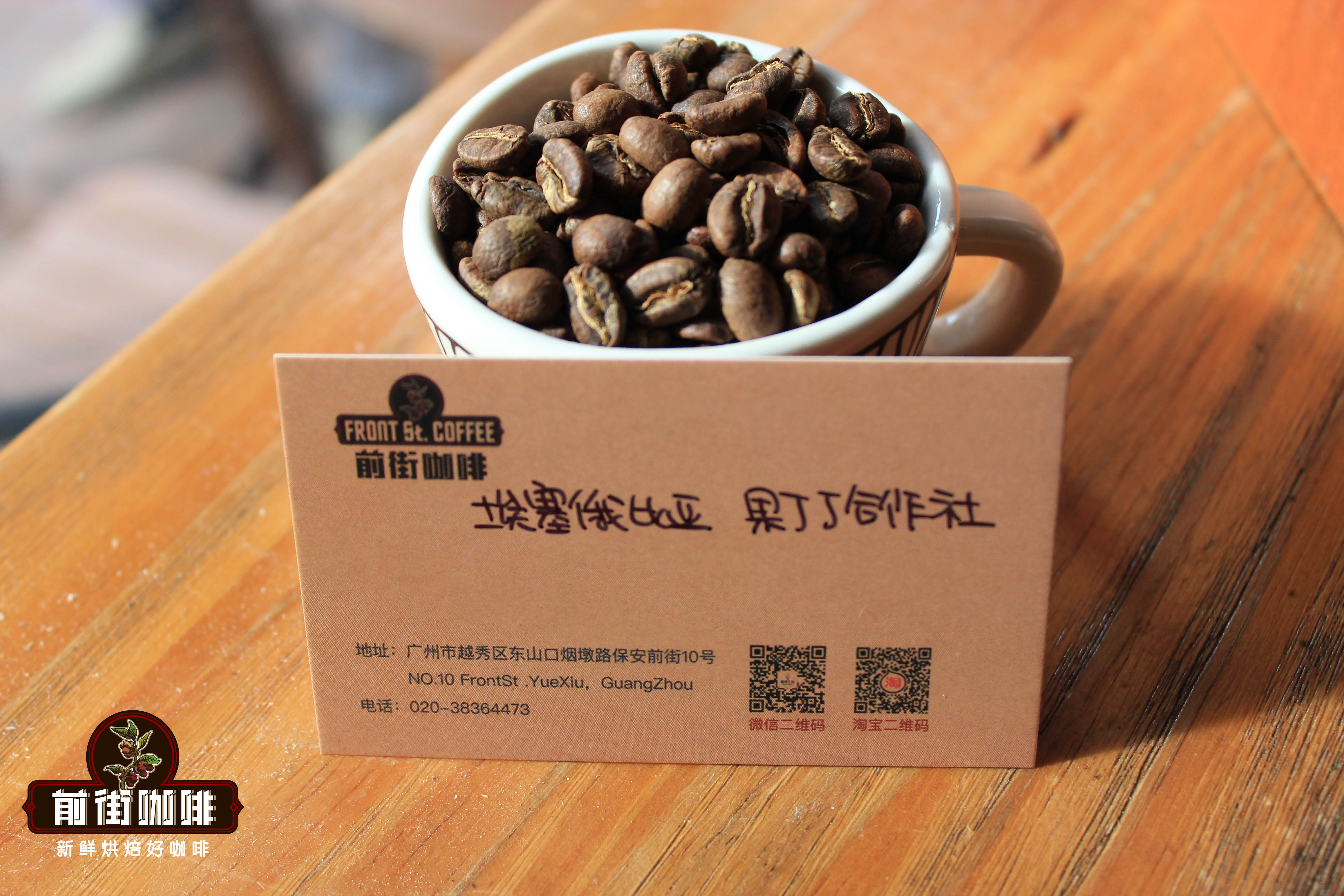
Light to Medium Roast Example: Yirgacheffe Gute Ding Cooperative Coffee Beans
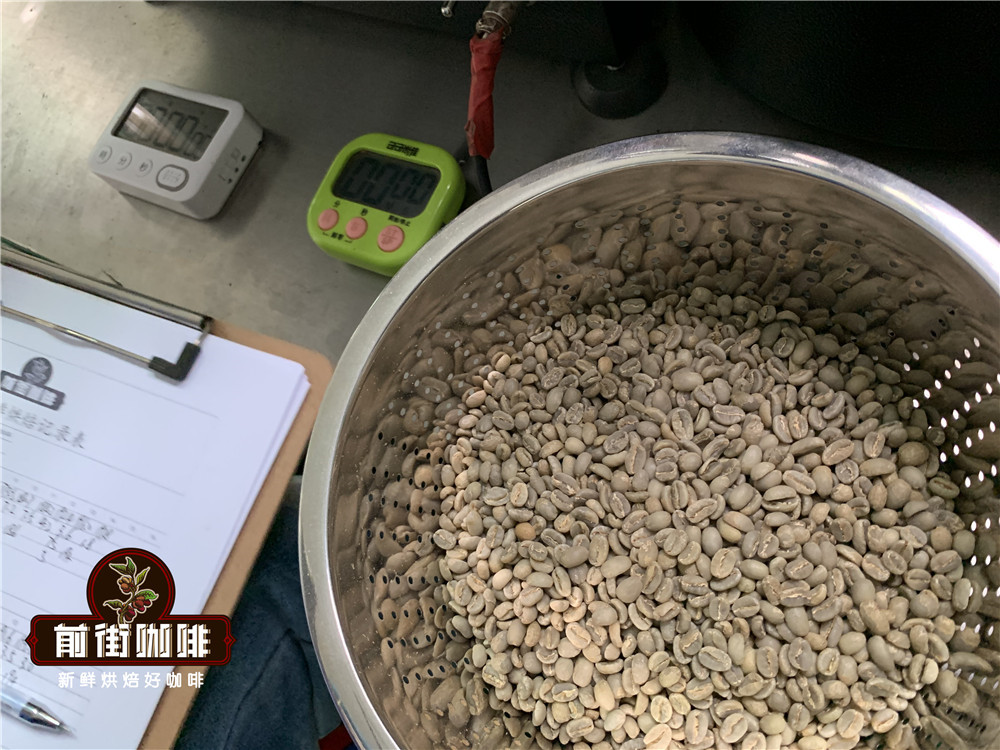
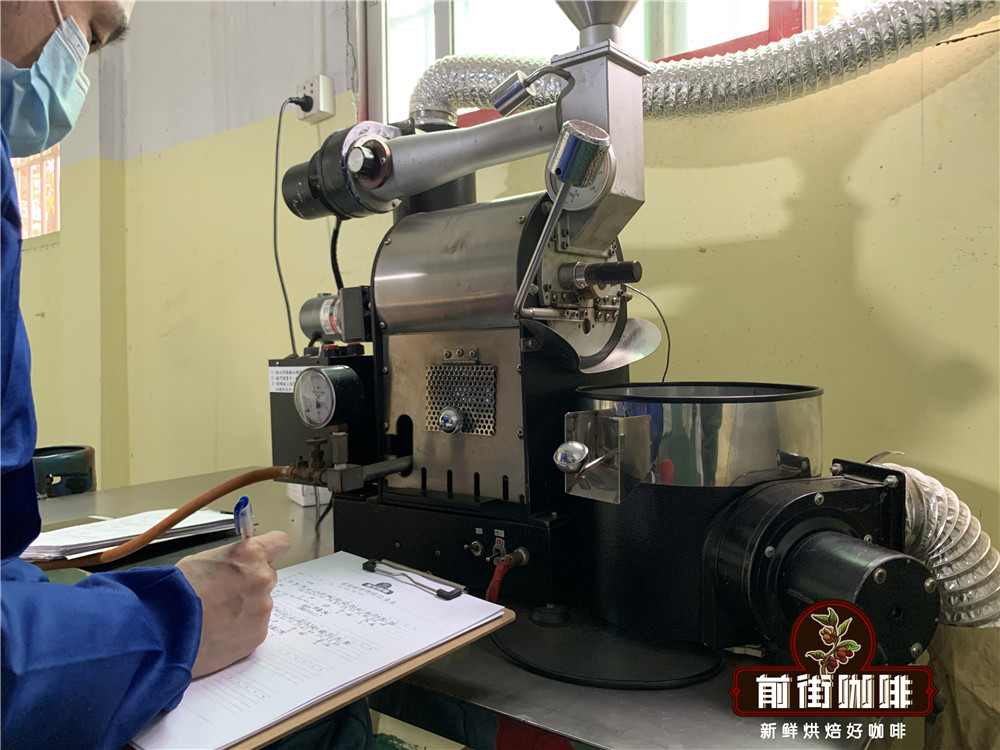
Take the washed-process “Gute Ding Cooperative” coffee beans from the Yirgacheffe Gedeo Zone as an example. These native variety beans, grown at altitudes of 1900–2300 meters, are typically presented with a light roast to highlight their delicate floral and fruity notes. Roasters often use low heat to extend the drying phase, controlling the drum temperature at 175°C upon dropping the beans, and adjust the air damper and flame intensity based on bean response until about 1 minute and 30 seconds into the first crack, finally dropping the beans at 193.5°C. This process helps preserve more acidity and aromatic complexity.
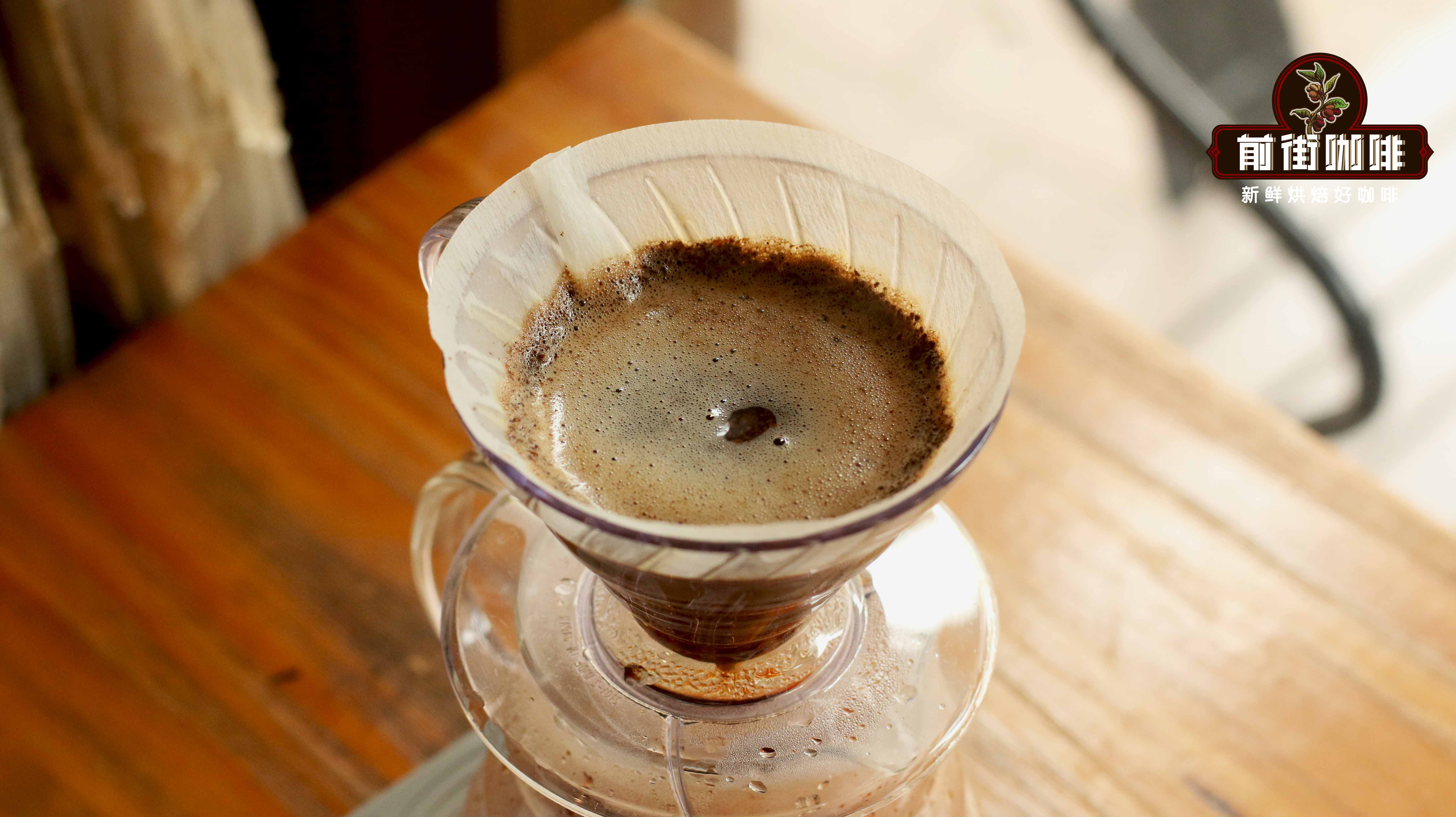
For brewing recommendations, using a V60 filter cone effectively highlights its layered profile. The suggested water temperature is 91–92°C, with a 1:15 coffee-to-water ratio and a medium-fine grind (80% passing through a #20 sieve). Employing a pulse pouring technique—with a 30-second bloom followed by three pours—the total brew time is about 2 minutes. This brings out top notes of citrus and black tea, as well as lingering flavors of cream, caramel, and almonds, resulting in a clean cup with a pronounced aftertaste.
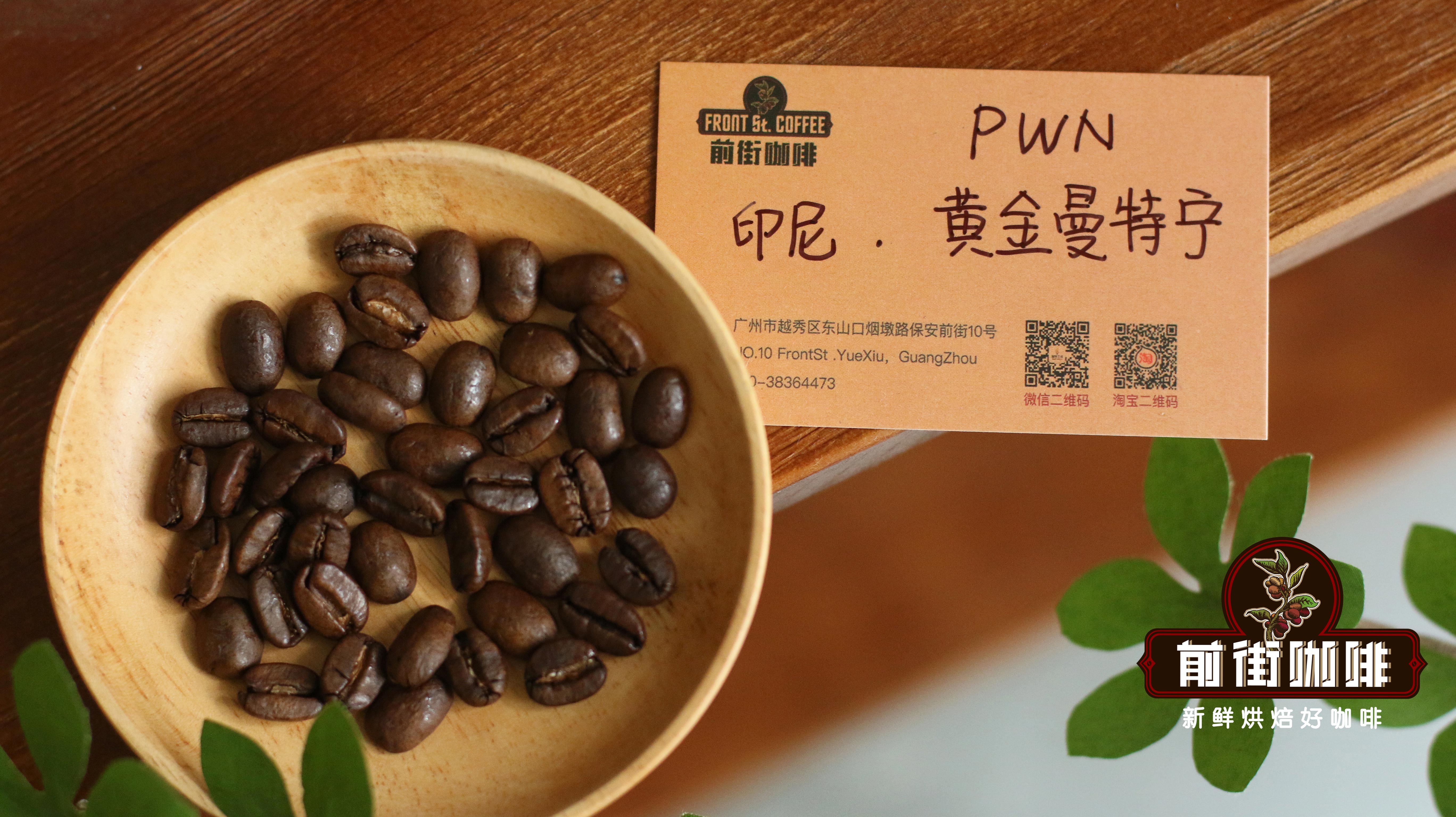
Medium-Dark Roast Example: Indonesian PWN Golden Mandheling Coffee Beans
Another classic medium-dark roast coffee bean is the PWN Golden Mandheling from Sumatra, of the Ateng variety, processed via the wet-hulled method and grown at elevations between 1100–1600 meters. Due to its slightly higher moisture content, special attention is required during the drying phase. Roasters often drop the beans shortly after the first crack (around 204.5°C) to preserve its rich body and low-acidity character.
For brewing, it’s recommended to use a KONO filter cone with slower flow rate, at a water temperature of 86–88°C, with a medium-coarse grind (65% passing through a #20 sieve) and a 1:15 coffee-to-water ratio. Using a three-pour method emphasizes the expression of body and sweetness, highlighting herbal, spicy, and citrus-peel aromas. The cup is rich with a creamy, walnut-chocolate aftertaste, and the acidity is restrained and soft—ideal for coffee lovers who enjoy a full-bodied taste.


The above content is compiled by CoffeeHunters, a coffee news website.

