







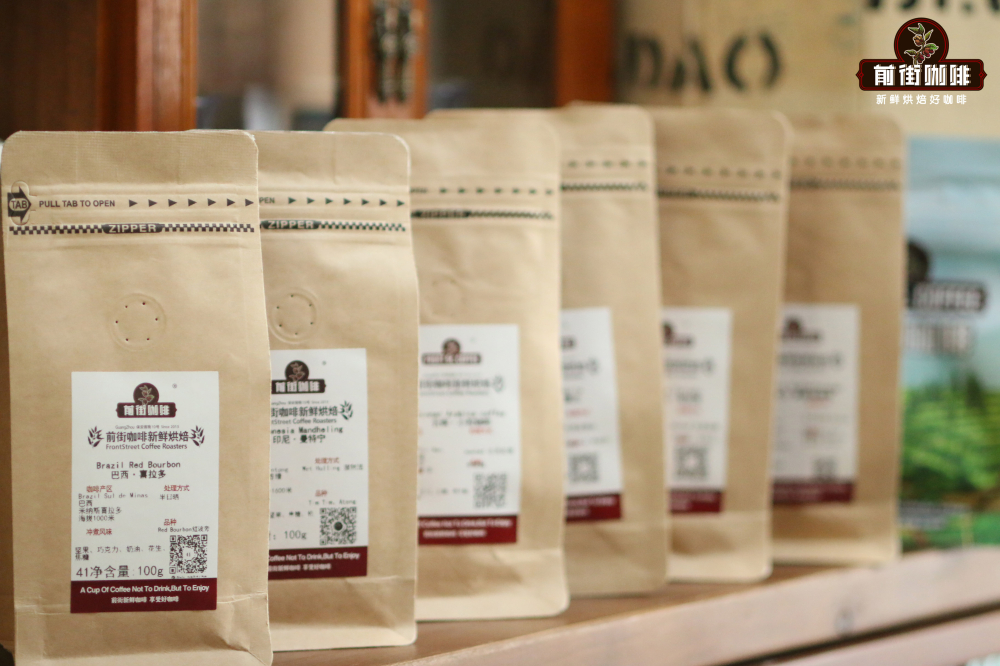
Introduction:Want to understand coffee bean roast levels? Many people assume acidity means light roast and bitterness means dark roast, but the classification is actually more nuanced than you think. This article explains the differences between light, medium, and dark roasts in an easy-to-understand way, covering Agtron color values, roast stages, and actual flavor profiles, and teaches you how to choose the most suitable coffee beans based on your personal taste.
The Key to Coffee Flavor Lies in Roasting
The flavor of coffee beans isn’t innate—it’s “released” through roasting. During the roasting process, amino acids and reducing sugars in green beans undergo Maillard reactions and caramelization, producing over 600 different aromatic compounds. These reactions not only impart fruity and floral notes to coffee but also develop complex tones like nuts, caramel, and even chocolate.
Scientific Classification of Roast Levels: The Agtron Color Value System
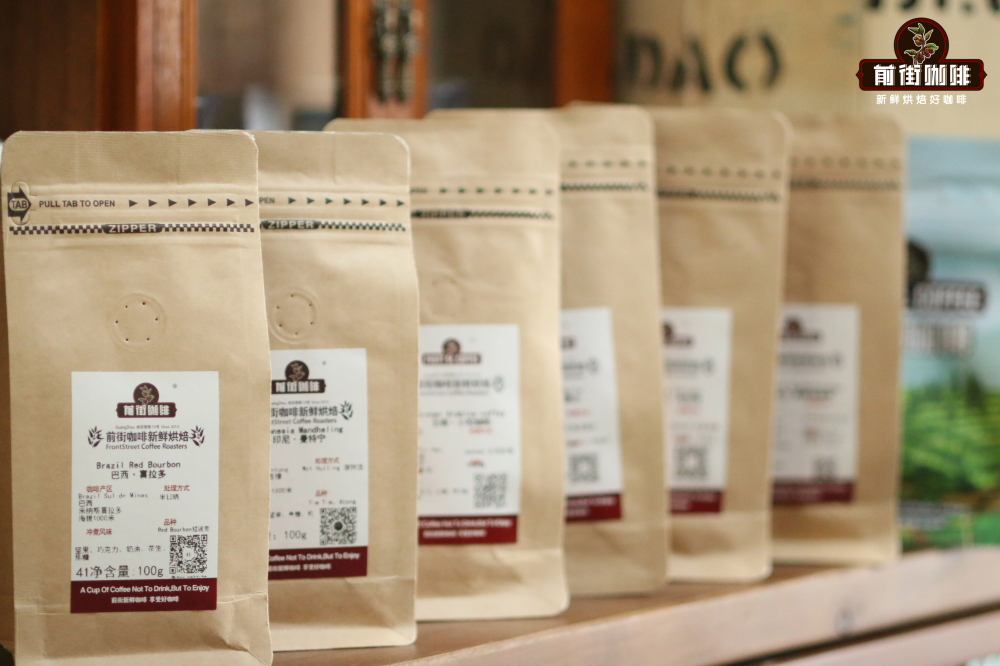
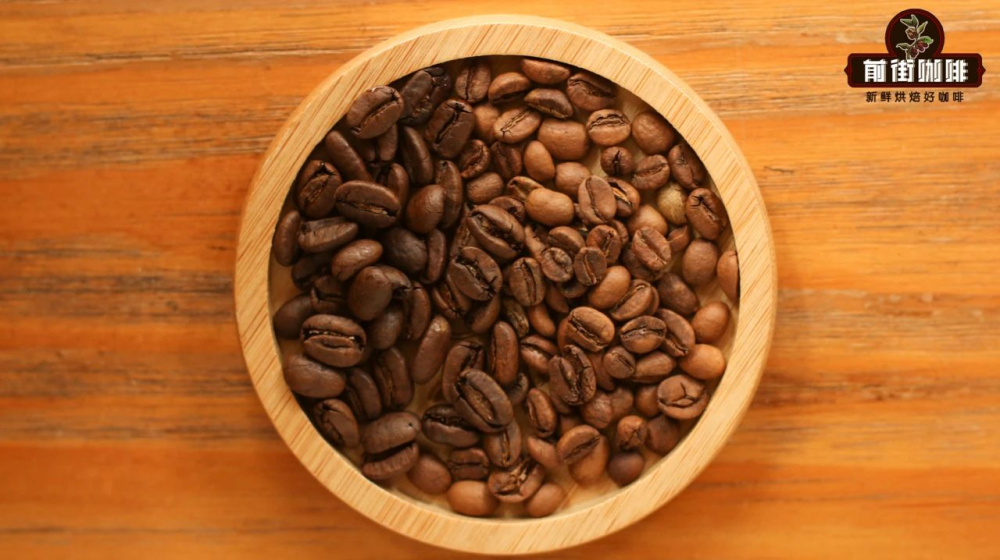
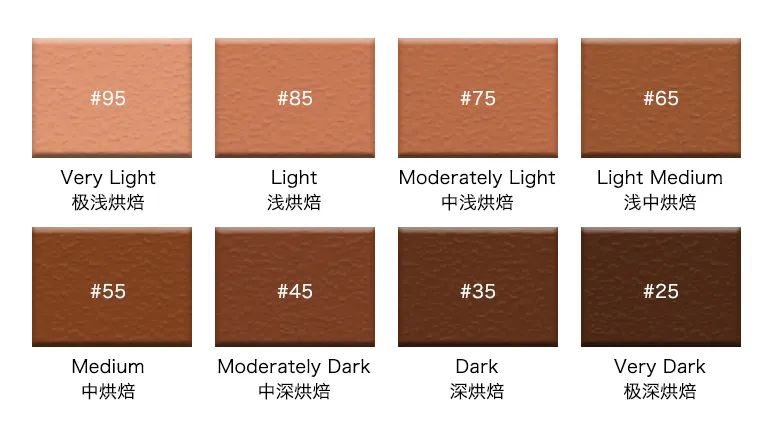
The industry commonly uses Agtron color values (caramelization analysis numbers) as an objective indicator of roast level. The higher the color value, the lighter the bean color and the lower the roast level; conversely, the darker the roast. Based on this system, coffee roasting can generally be divided into eight levels, from very light to very dark, each with unique flavor characteristics.
Light to Medium Roast: Bright Acidity and Fruity Profiles
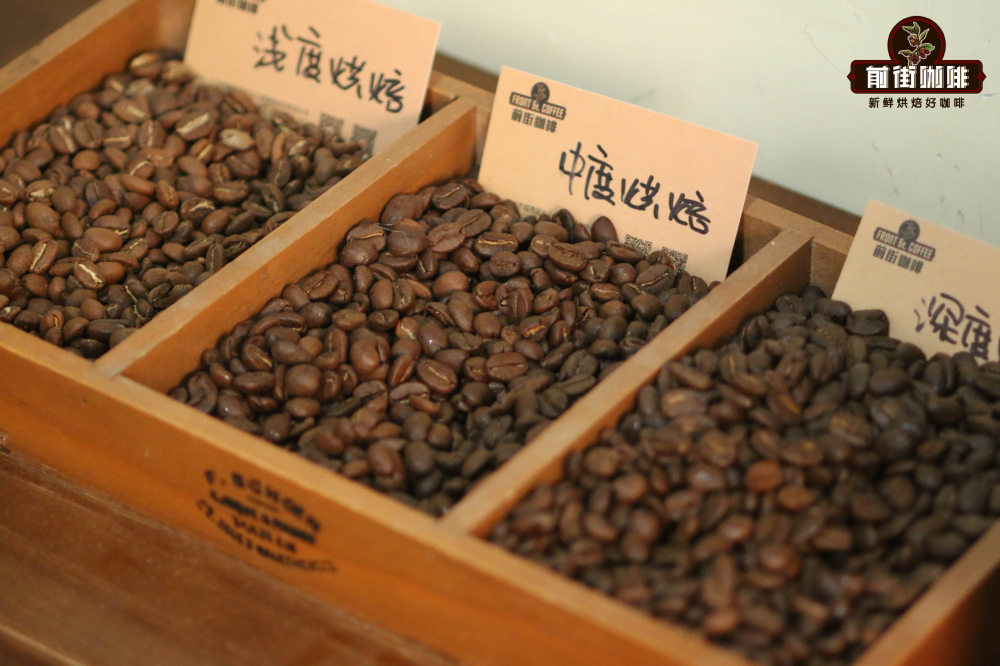
• Light Roast (Agtron 95): Roasted around the start of the first crack, the beans have a light brown surface, with bright acidity often accompanied by fresh fruit aromas like lemon and berries, making it suitable for those who prefer a clean taste.
• Cinnamon Roast (Agtron 85): Roasted around the end of the first crack, acidity dominates with a slight sweetness, offering flavors leaning toward gentle citrus or honeydew.
• Medium Roast (Agtron 75): Roasted after the first crack has fully ended, balancing sweetness and fruit acidity, with common flavors like grapes and honeydew—suitable for most beginner coffee drinkers.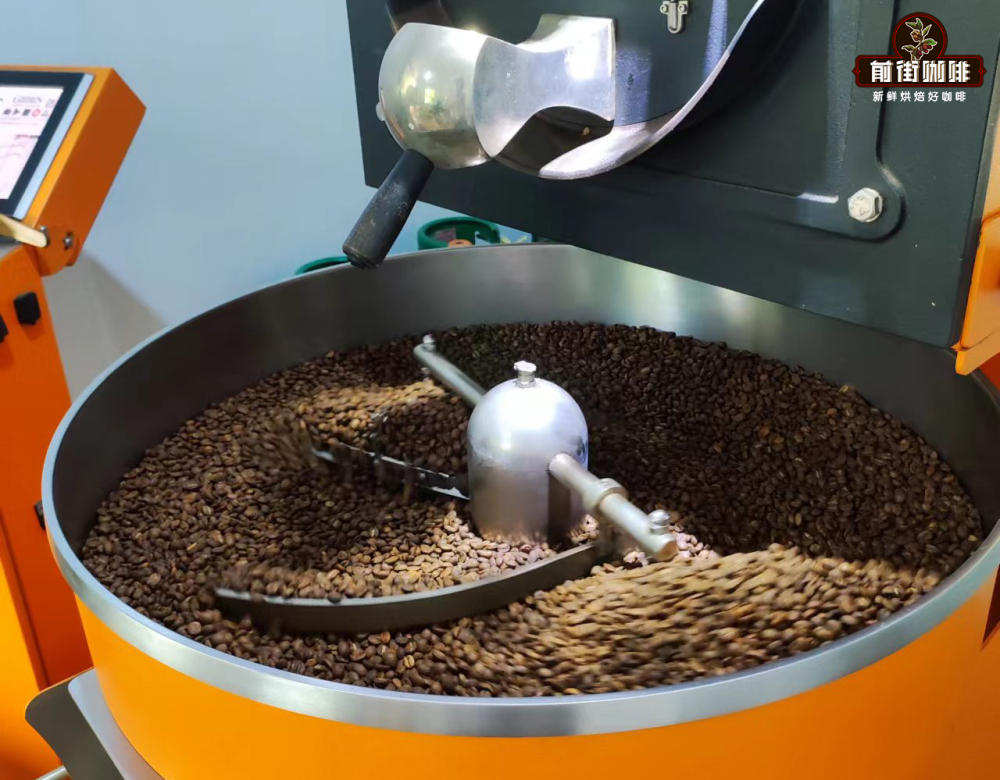
Medium-Dark to Dark Roast: Rich Caramel and Nutty Profiles
• High Roast (Agtron 65): Roasted after the first crack and before the second crack, during about a 1–2 minute “quiet period,” with flavors mainly of nuts and caramel, and acidity almost disappearing.
• City Roast (Agtron 55): Roasted at the beginning of the second crack, with intense caramel aroma and noticeably increased bitterness, suitable for those who prefer a fuller body.
• Full City Roast (Agtron 45): Roasted just before the second crack becomes dense, with a more charred and bitter flavor, and rich aroma, ideal for those who like strong tastes.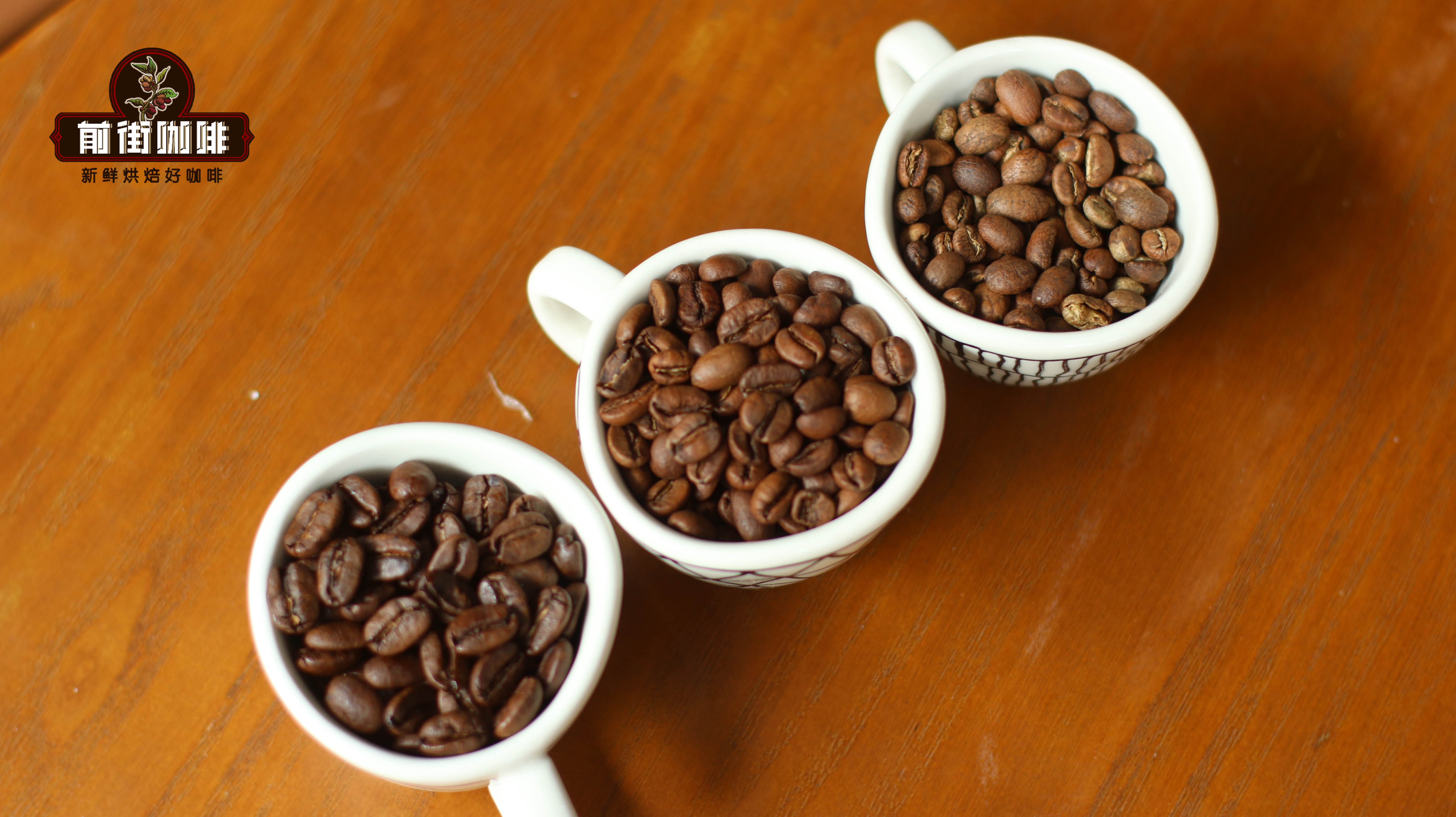
• French Roast (Agtron 35): Roasted during the dense phase of the second crack, when the beans start to release oil, with a distinct smoky flavor.
• Italian Roast (Agtron 25): Roasted at the end of the second crack, with beans appearing pitch-black and glossy, rich in oils, commonly used for making espresso.
Why Don’t Brands Directly Label Roast Levels?
Many coffee brands (including some well-known shops) do not directly label terms like “light roast” or “dark roast.” Instead, they indirectly convey roast levels through flavor descriptions or roast profiles. The reason is that traditional roast names (like French or Italian) may be too technical and confusing for consumers—for example, “dark roast” isn’t necessarily the darkest level, and the definition of “city roast” may vary between shops. Therefore, using flavor descriptors (like “lemon” or “nuts”) or recommended brewing parameters to assist judgment is actually closer to real drinking needs.
How to Judge Roast Level Based on Flavor Descriptions?
• If the flavor notes include “lemon, citrus, berries” and other bright acidity, it’s usually a medium-light roast (e.g., a certain brand’s fruit dingding, red cherry).
• If the flavors are “honeydew, grapes, mildly acidic fruits” with a sweeter profile, it’s often medium-light to medium roast (e.g., Geisha, strawberry sugar).
• Descriptions like “cane sugar, maple syrup, chocolate” with noticeable sweetness are common in medium-dark roasts (e.g., bird of paradise, Jamaican Blue Mountain).
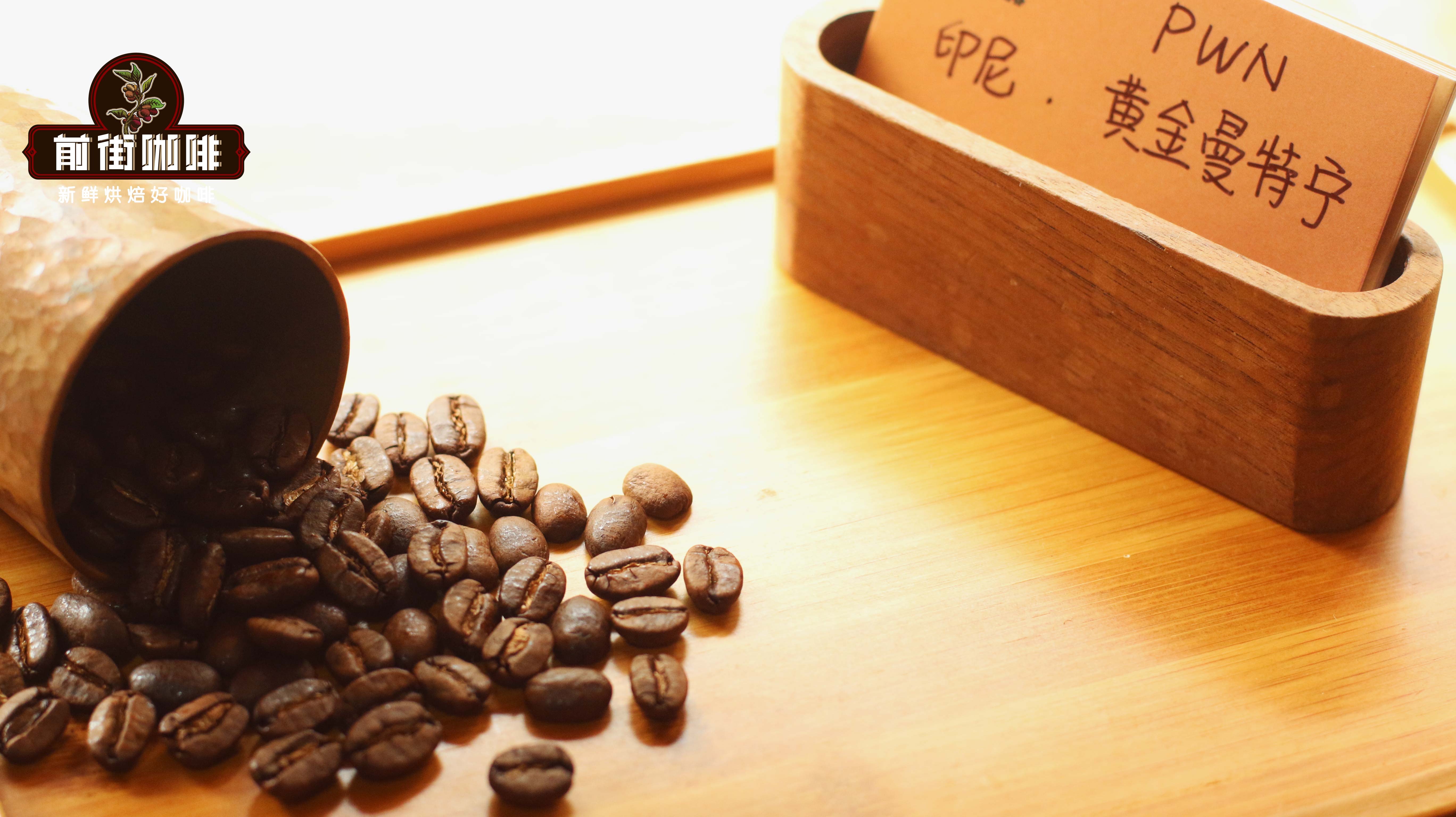
• Flavors that combine bitterness and sweetness such as “nuts, dark chocolate, caramel, spices” tend to be medium-dark to dark roasts (e.g., Golden Mandheling, Huila).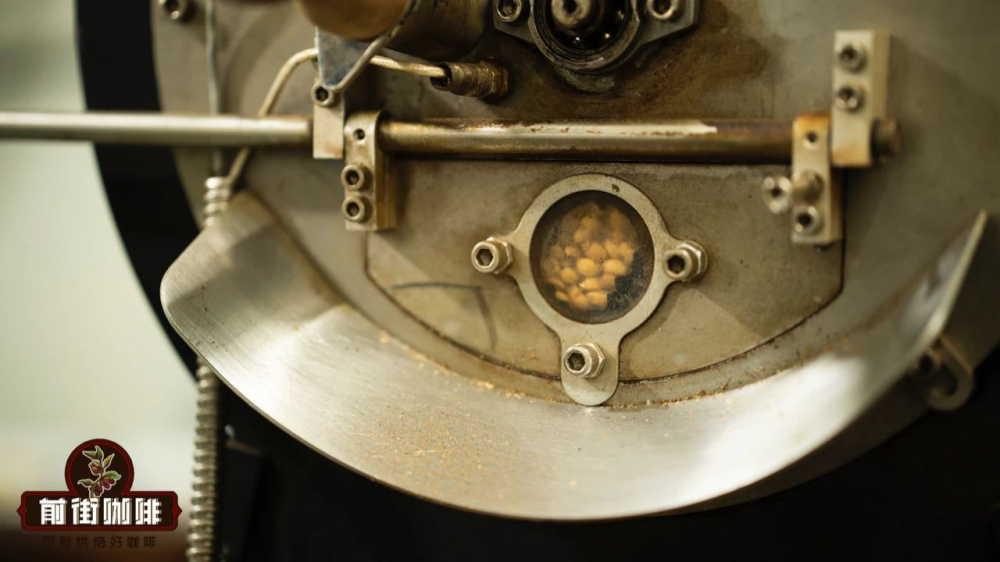
Recommendations for Pairing Roast Levels with Brewing Parameters
• Medium-Light Roast: Recommended water temperature 90–93°C, grind size with 75–80% passing through a #20 sieve. To highlight acidity, increase water temperature or use a finer grind; for a sweeter taste, reduce water temperature and use a slightly coarser grind.
• Medium-Dark Roast: Water temperature 86–89°C, grind size with 70–75% passing through a #20 sieve. If bitterness is more pronounced, reduce water temperature and opt for a coarser grind.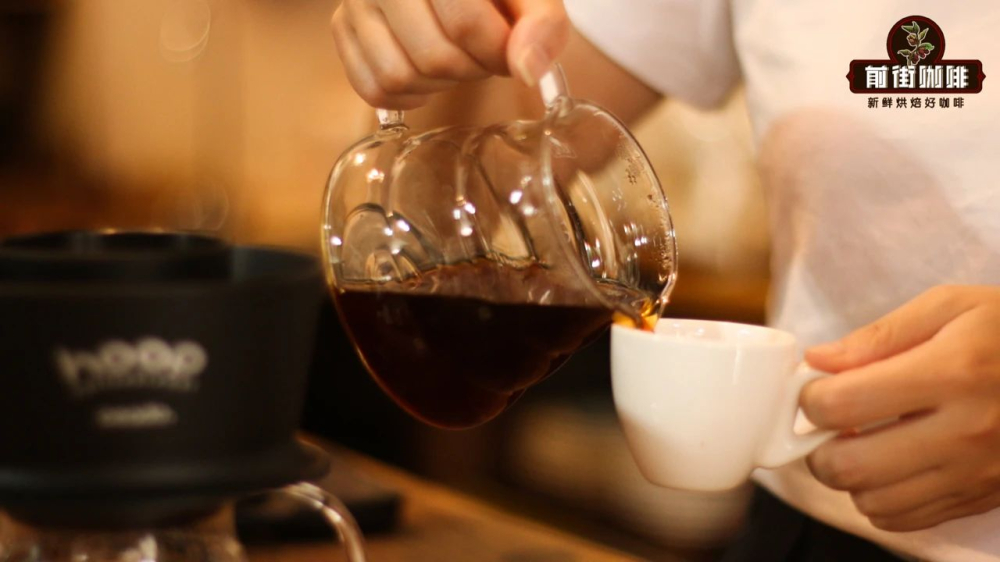
Next time you’re selecting coffee beans, consider the flavor descriptions and recommended parameters rather than limiting yourself to simple classifications like “light” or “dark” roast—you’re more likely to find your perfect cup that matches your taste.
The above content is compiled by CoffeeHunters, a coffee news website.

