








Introduction:Want to try a medium-to-light roasted coffee with bright fruity acidity but often deterred by overly sharp sourness? This article delves into the sources of coffee acidity and how it changes during roasting, helping you understand why the development stage before and after first crack determines the balance of acidity and sweetness. We also recommend five representative pour-over beans with fruity acid profiles, covering flavor notes such as citrus, berries, and honey. Practical cupping observations and roasting references are provided to help you discover your preferred acidity profile.
In cafes or when brewing at home, it's common to hear people say, "I don't like acidic coffee," especially when it comes to lighter-roasted beans that often discourage the first sip due to prominent acidity. However, this notion of "light roast = sharp sourness" overlooks the complex transformation of acidity during the roasting process. What specific acidic compounds dominate a coffee’s flavor profile? And how can acidity and sweetness balance be controlled through roast level? The following will break it down step by step, from green bean composition and roasting science to real cupping examples.

Green coffee beans contain a variety of organic acids, including malic acid, citric acid, tartaric acid, chlorogenic acid, and phosphoric acid, most of which impart a fresh, bright acidity to the coffee. However, when the beans enter the roasting stage, high temperatures cause sugars and organic acids to begin breaking down, producing new acids such as formic acid, acetic acid, lactic acid, and fumaric acid. Yet, as roasting time extends and temperature rises, these acids gradually volatilize or degrade.
Particularly noteworthy is:the development stage after first crackwhich is the period of the most dramatic change in acidity. During this phase, formic and acetic acids are generated in large amounts, peaking near the end of first crack, and then gradually decline. In contrast, the naturally occurring citric and malic acids in the green beans continue to break down. These two acids usually bring a softer, brighter acidity, while acetic and formic acids are more volatile and can become overly intense at high concentrations, potentially affecting the overall harmony of flavors.
Additionally, as first crack begins, the sucrose in the coffee beans is gradually consumed, making the acidity more prominent in medium-to-light roasts. However, within the very light and light roast ranges, if more sucrose is retained and total acidity remains moderate, it can actually present a naturally balanced profile of acidity with underlying sweetness. Some high-sugar-content green beans, such as certain Ethiopian natural-process beans, can even exhibit intense sweetness at this roast level.
To verify this theory, we conducted two controlled roasting experiments using Papua New Guinea washed Typica as an example. Both roasts maintained the same yellowing point and first crack point, with only the development time after first crack adjusted: the first batch was dropped at 1 minute 20 seconds after first crack at 190.5°C (with first crack clustered in the mid-phase), while the second batch was extended to 1 minute 40 seconds after first crack at 191.8°C (with first crack in the tail phase). Cupping results showed that the former had a soft acidity upon entry, with sweetness quickly following, but the aroma profile was simpler, with a slight herbal note akin to ginseng. The latter exhibited a brighter acidity, with sweetness emerging later, and a more complex, fruit-forward aromatic profile. This demonstrates that even slight adjustments in development time during roasting can have a significant impact on final flavor expression.

Combining the above scientific principles and practical observations, we can conclude:A lighter roast does not necessarily mean a more acidic coffee.The expression of acidity depends on the balance between the generation and degradation of various flavor compounds. However, roasting too lightly can easily lead to underdevelopment and green, astringent off-notes, a risk to be particularly mindful of when choosing medium-to-light roasts.
For pour-over enthusiasts who love fruity acidity, here are five commonly available medium-to-light roasted coffee beans with distinctive flavor characteristics, offering both selection and brewing references:

1. Bright Citrus Acidity + White Floral Notes —— Fruit Ding Ding Coffee Beans
Sourced from the Fruit Ding Ding Cooperative in Ethiopia, grown by around 300 smallholder farmers and renowned for its traditional washed processing, it is hailed as “the last pure land of Yirgacheffe.” Processed via washed method, this bean offers a refreshing citrus and lemon acidity paired with subtle jasmine floral notes. Ideal for those new to fruity-acid pour-overs, it presents a clean yet layered flavor.
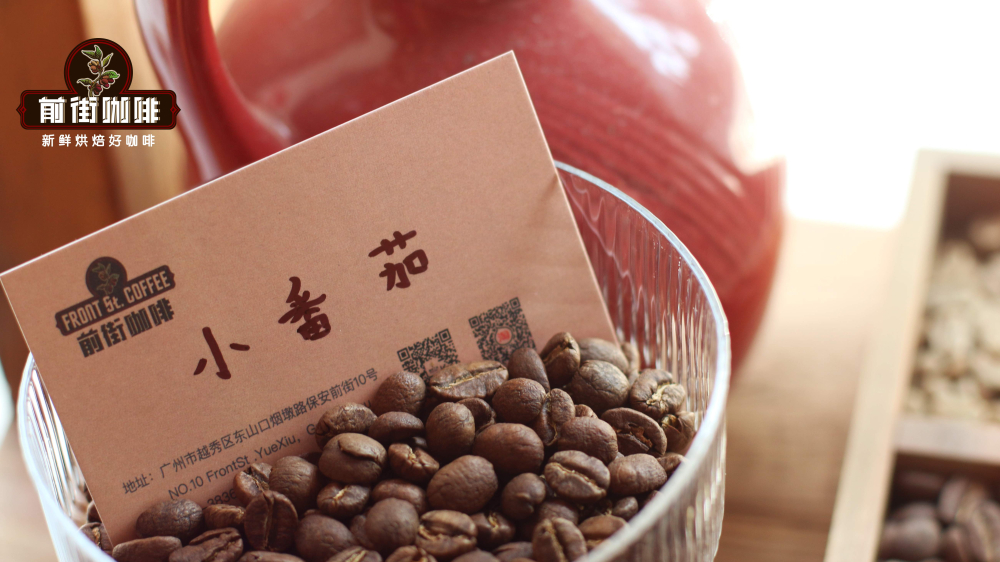
2. Rich Berry Aroma + Cherry Tomato Acidity —— Kenya Little Tomato Coffee Beans
Using the locally unique SL28 and SL34 varieties in Kenya, processed through the K72 washed method, this bean showcases robust and vibrant fruit acidity. Cupping often reveals a dual acidity of dark berries and cherry tomatoes, excelling especially in cold brew. Suitable for those who enjoy distinct, structured acidity.
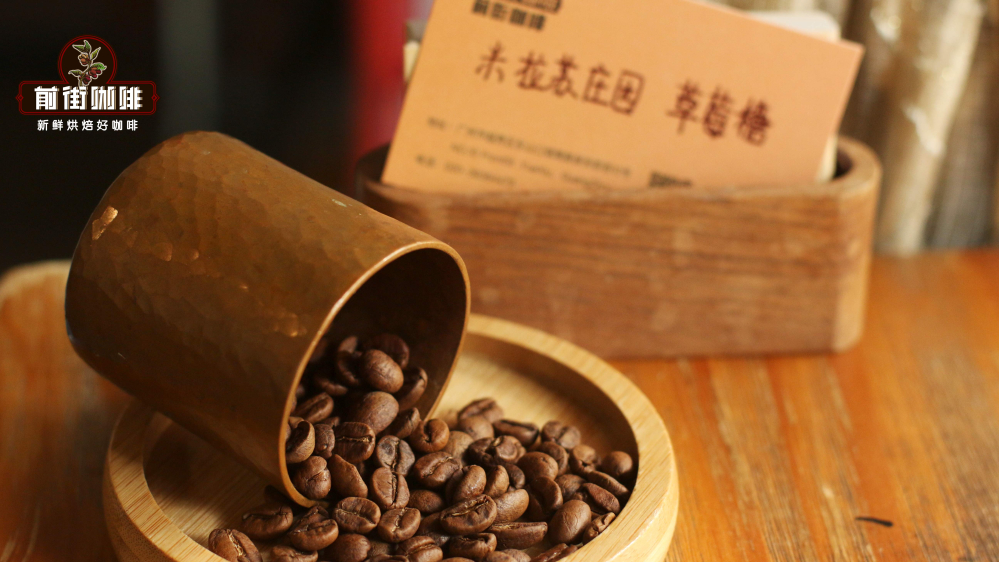
3. Raisin + Fruit Gummy —— Strawberry Candy Coffee Beans
Combining Costa Rican honey-processed beans with Panamanian washed Geisha, roasted to a medium level, it balances citrusy honey sweetness with a smooth mouthfeel. Suitable for various brewing methods, including pour-over, cold brew, and espresso, it offers a mild yet richly layered flavor.
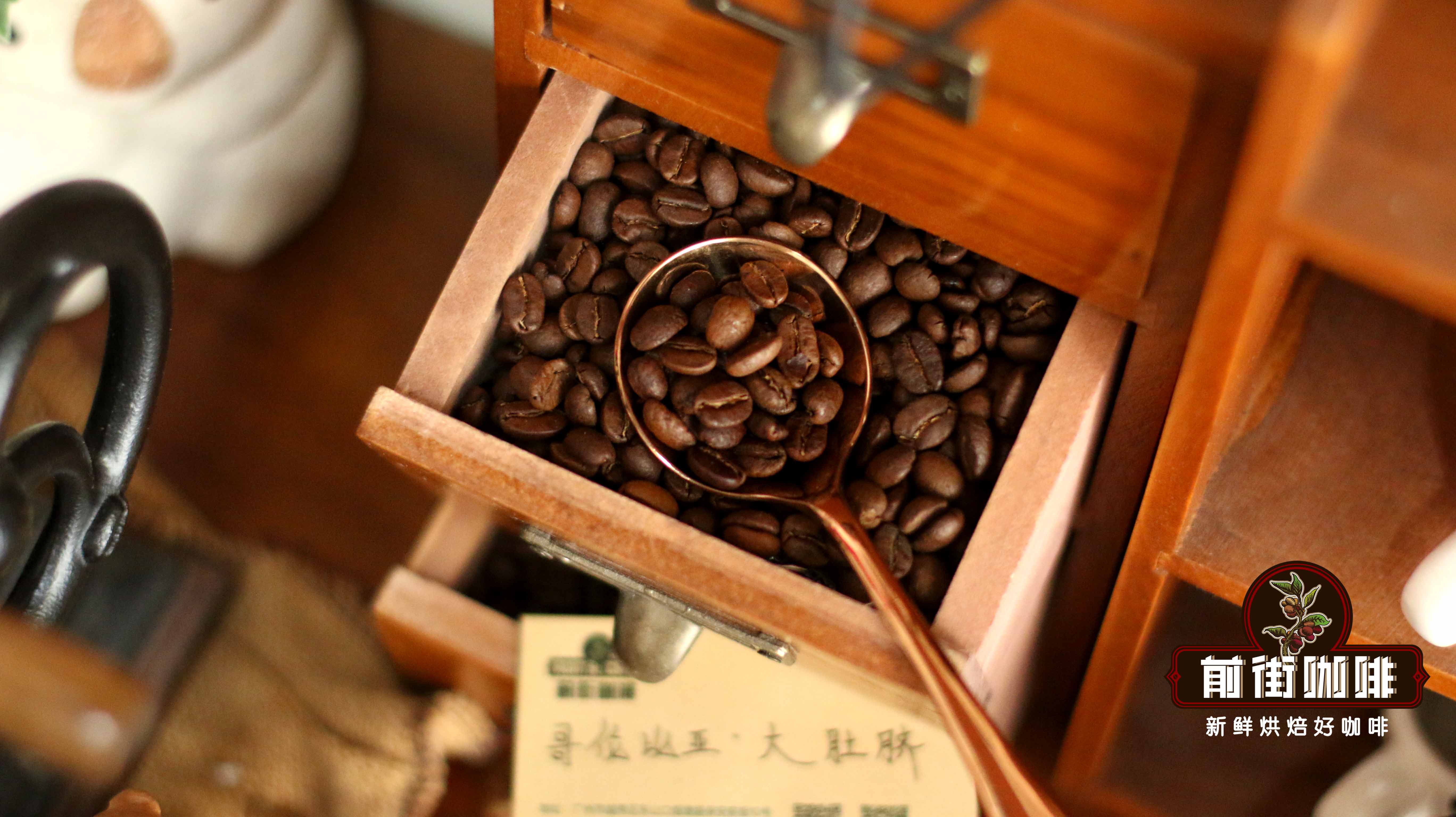
4. Passion Fruit Acidity + Blueberry Sweetness —— Colombia Big Belly Button
From the Boundary Line Estate in Huila, Colombia, processed with double anaerobic natural fermentation, it releases intense floral and fruity aromas. Common flavor notes include grapes, oranges, and blueberries, ideal for coffee lovers who enjoy a strong juice-like profile with balanced acidity and sweetness.
5. Citrus Acidity + Honey Pomelo Tea —— Flower Butterfly Coffee Beans
Comprising three varieties from Panama’s Boquete region — Geisha, Caturra, and Catuai — with Geisha making up 70% of the blend. Processed via washed method, it exhibits grapefruit and citrus tones along with a soft tea-like mouthfeel, perfect for those who prefer delicate fruity acidity and floral-tea flavors.
The above content is compiled by CoffeeHunters, a coffee news website.

