








Introduction:Coffee beans must undergo roasting to release their captivating aromas, and light roasting preserves the most original fruity acidity and floral characteristics, making it the top choice for pour over enthusiasts. This article explains in detail the differences among light, medium, and dark roasts, helping you understand drop time, flavor profiles, and recommending three high-value single-origin beans. It also includes professional-level pour over parameters and steps to help you brew your ideal cup.
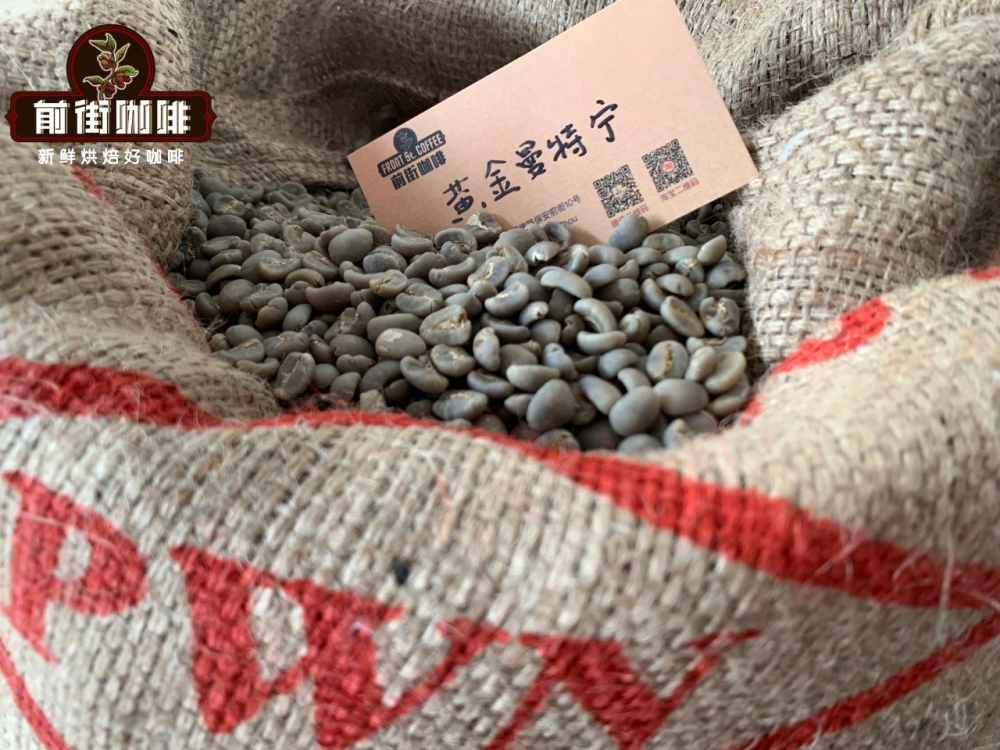
Coffee beans are essentially the seeds of coffee cherries, and when freshly harvested, they only carry a green, vegetal aroma. It is only through the crucial process of roasting that the sugars, acids, and oils inside the beans transform, releasing the familiar coffee aromas we know. This process is like the moment popcorn pops—precise control of temperature and time determines the final flavor direction.
The commonly seen roast classifications in the market can be simplified into three main categories: light roast, medium roast, and dark roast, but if further divided, they encompass eight levels from Light Roast to Italian Roast. Among them, light roasting preserves the most original flavors and is particularly suitable for showcasing the unique characteristics of the origin, making it the mainstream choice for specialty coffee.
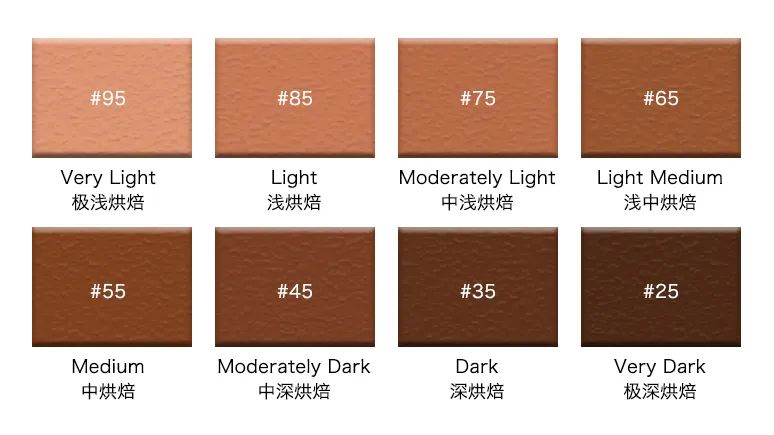
Light roasts (such as Light Roast and Cinnamon Roast) are usually dropped at the beginning of the first crack, at which point the bean surface shows a gentle cinnamon hue. The distinct fruity acidity and floral qualities of these beans come from organic acids and volatile aromatic compounds that have not been overly damaged. Common flavor profiles include tropical fruit notes like lemon and pineapple, as well as subtle white flower or herbal aromas, making them an excellent base for pour over brewing.
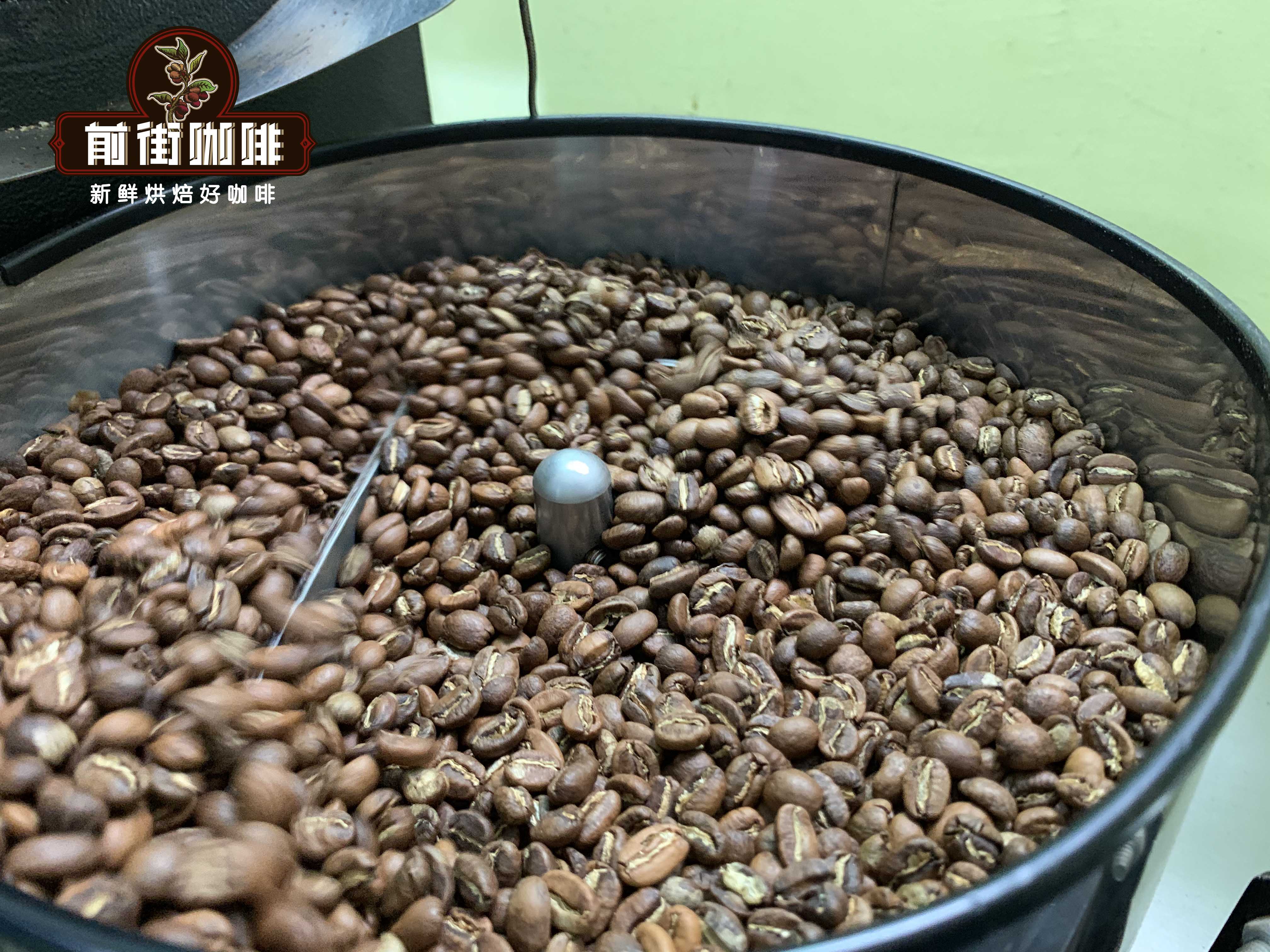
Entering the medium roast stage (approximately from the end of the first crack to before the second crack), the bean surface gradually turns light brown. At this stage, acidity and bitterness reach a clever balance, and sweetness begins to emerge, making it suitable for drinkers who prefer a rounded mouthfeel. Vienna-style coffee is often presented at this roast level, allowing you to enjoy the coffee’s inherent richness while retaining a bright layered profile, making it a favorite among most consumers.
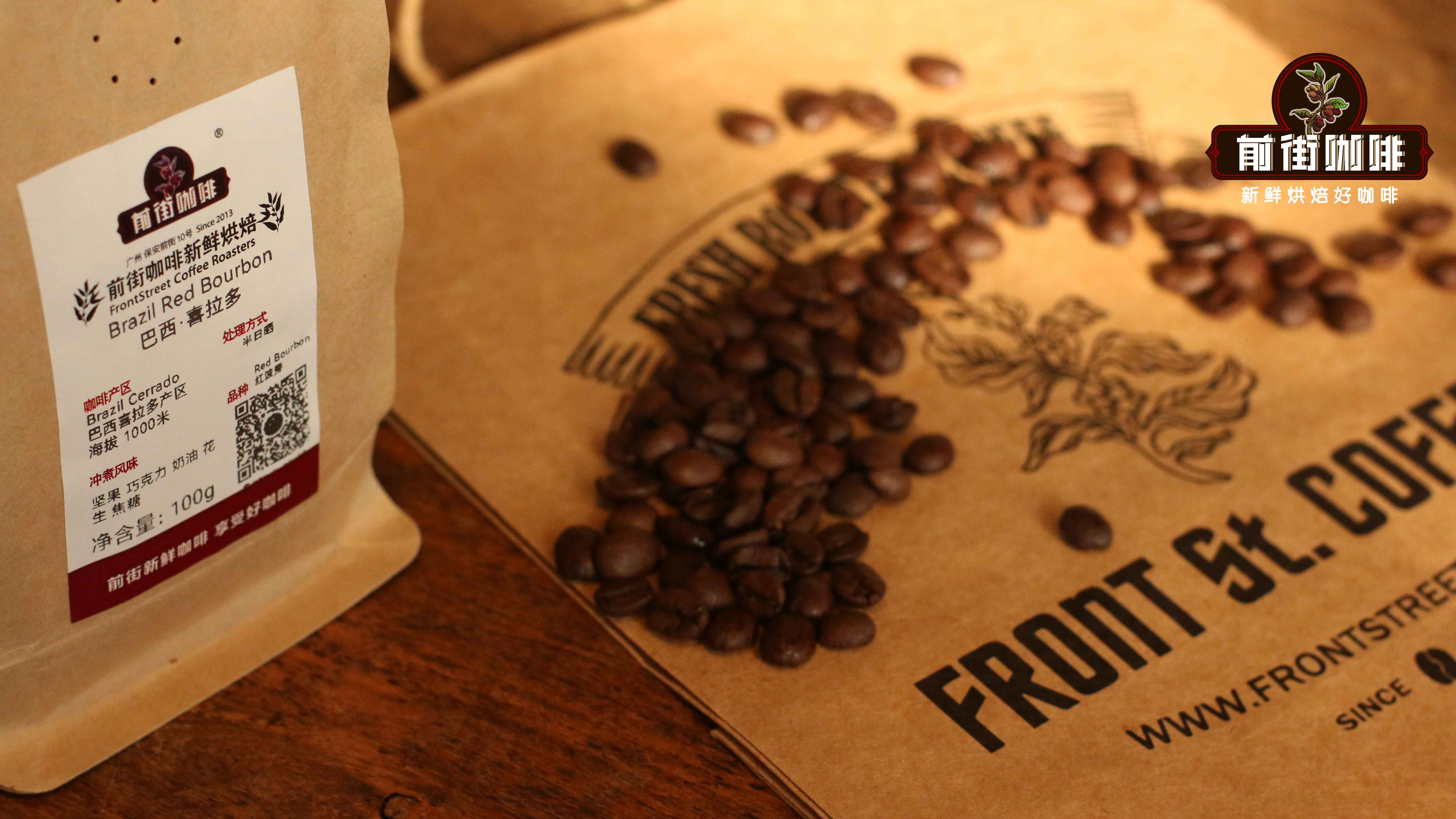
Dark roasts (such as French Roast and Italian Roast) involve continued heating after the second crack, with the bean surface taking on an oily sheen. High temperatures carbonize the fibers, producing intense caramelization reactions and smoky aromas, with pronounced bitterness but a long-lasting aftertaste. These beans are particularly suitable for making espresso, as they can withstand high-pressure extraction and form a thick crema, making them a classic choice for Italian-style coffee.
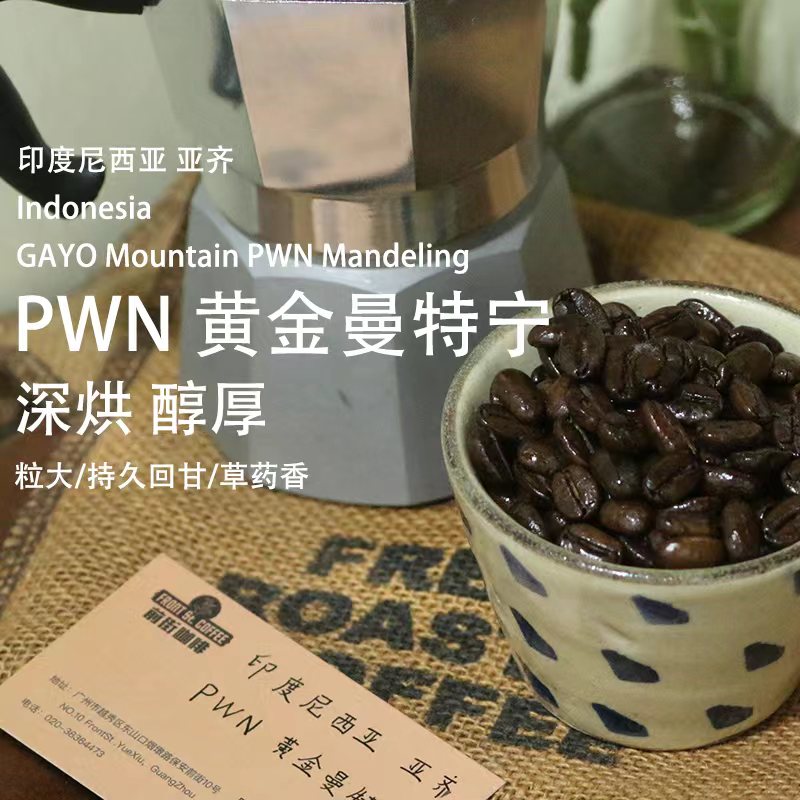
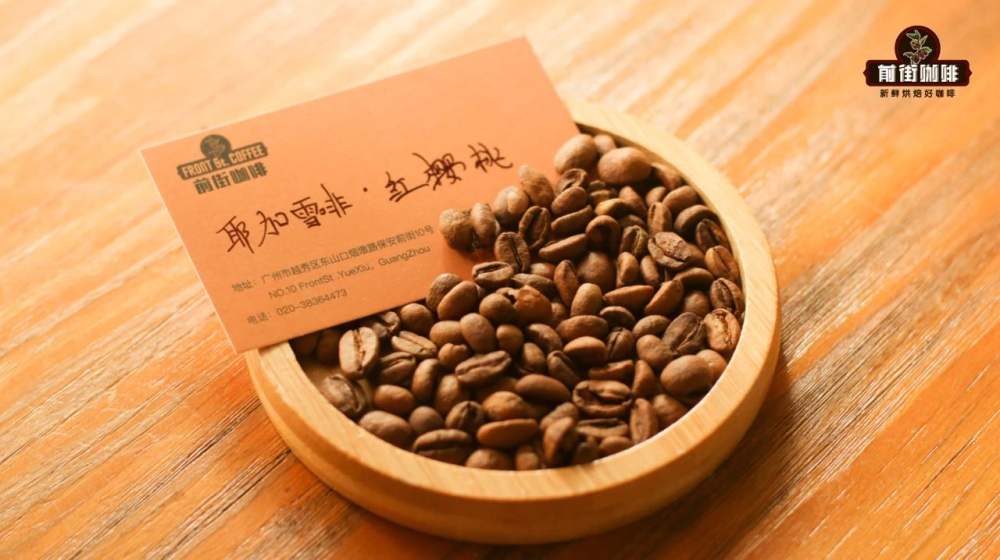
For drinkers who prefer a fresh flavor profile, it is recommended to try light-roasted single-origin beans first. For example, a well-known brand offers Yirgacheffe Red Cherry sun-dried beans, which use Ethiopia’s traditional sun-drying processing method. When brewed, they release pronounced lemon acidity and fermented wine-like aromas, paired with a honey-like finish. They are suitable for brewing with a V60 filter at a water temperature of 91–93°C. The suggested coffee-to-water ratio is 1:15, with a grind size of about 20-mesh sieve 78% passing rate, yielding medium-fine particles.
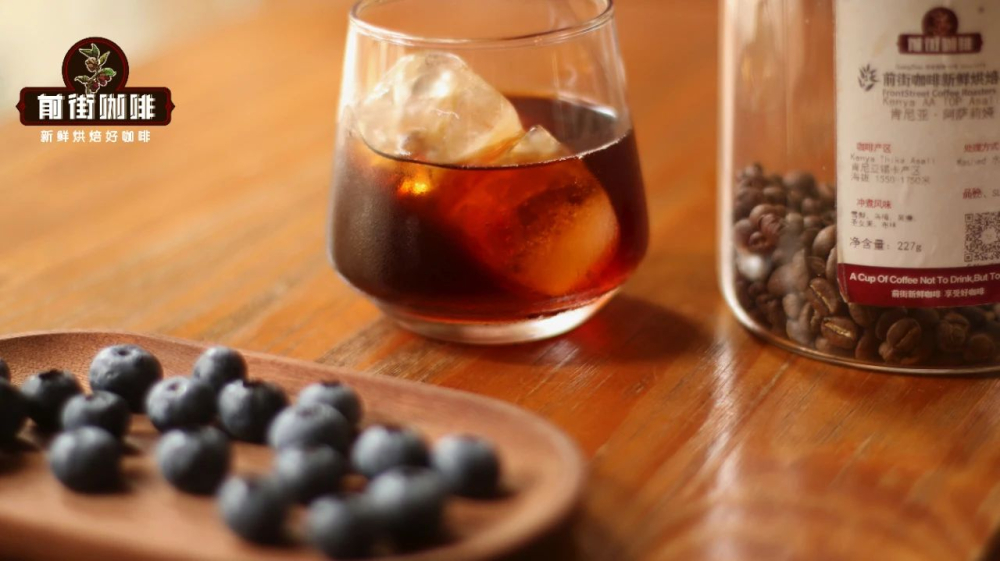
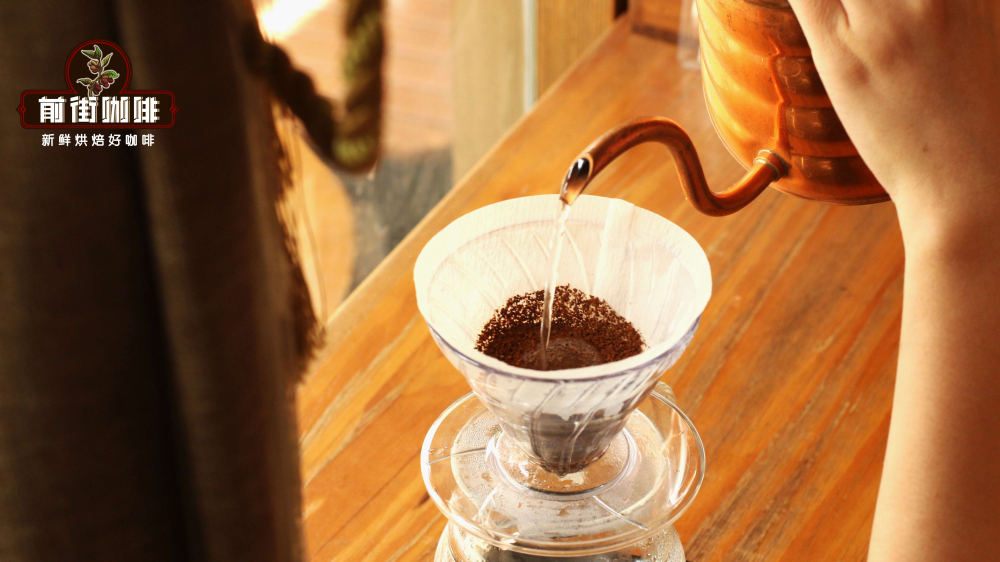
Another noteworthy option is a certain brand’s Kenya Little Tomato beans, whose unique cherry tomato and dark plum acidity come from the SL28 variety grown at high altitudes. For pour over brewing, it is recommended to start with a 30-second bloom (pouring hot water equal to twice the coffee’s weight), and once the coffee bed expands, proceed with a two-stage pour: first circle to reach 125 grams of water, then wait until the water level drops by half before pouring again to reach 225 grams. Keep the total extraction time within two minutes to fully showcase its nutty and green tea aroma in the aftertaste.
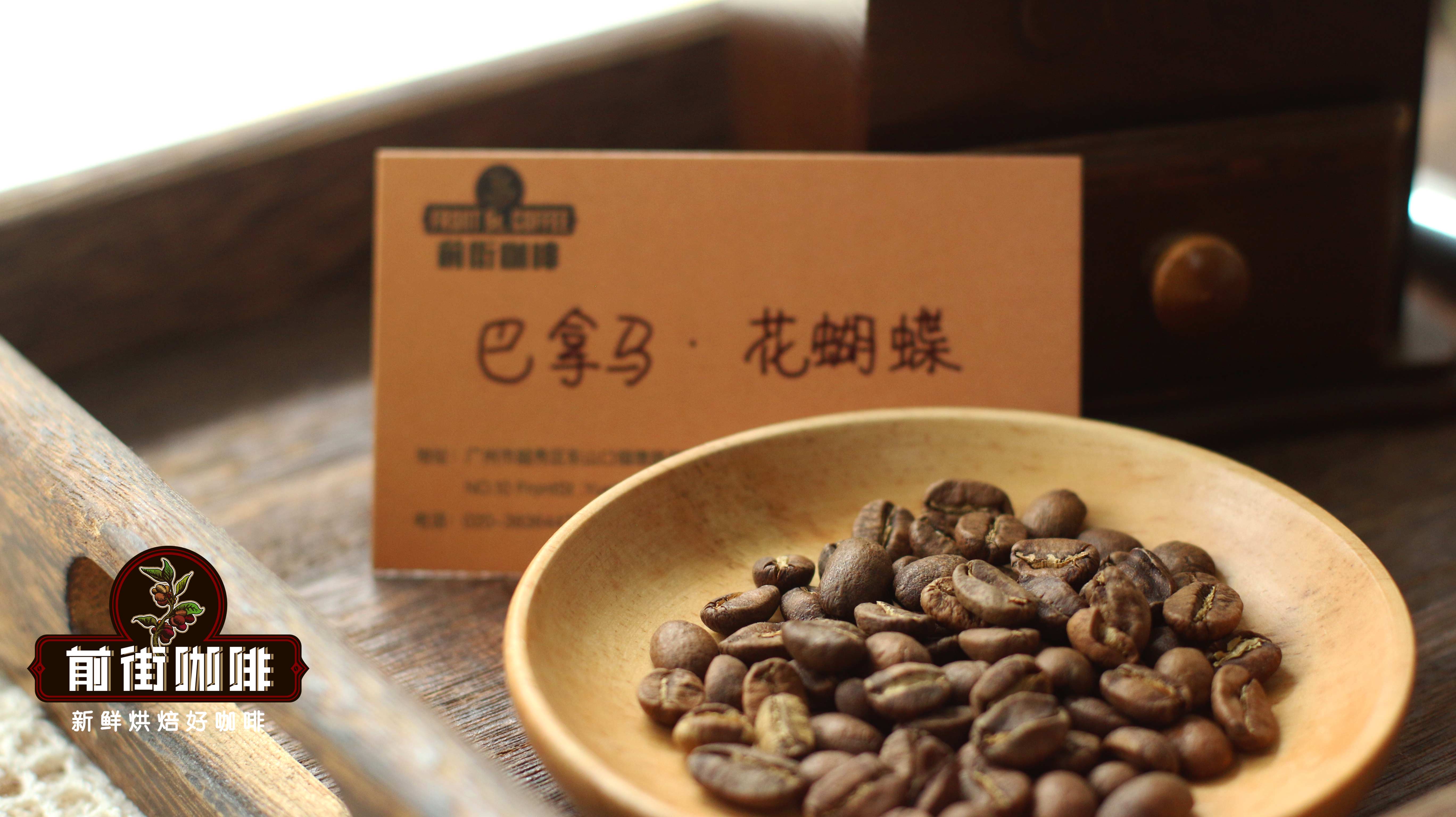
If you’re seeking a balanced berry flavor profile, a certain brand’s Panama Flower Butterfly is an excellent choice. This hybrid bean combines the characteristics of Caturra and Geisha varieties, featuring a black tea-like rich base with bright notes of cherry and citrus acidity, transitioning into a mellow nutty finish. Regardless of the brewing method used, remember to maintain stable water temperature and avoid over-extending the extraction time to prevent bitterness from emerging.
After mastering these basics, you can confidently choose coffee beans based on your flavor preferences next time. Remember: the soul of light-roasted beans lies in the details—from grind size to water temperature control, every variable will affect the final flavor in your cup.
The above content is compiled by CoffeeHunters, a coffee news website.

