







Introduction:Want to easily brew a refreshing and non-bitter cold brew coffee at home? This article explains the difference between cold brew and cold drip, the principles of low-temperature extraction, and shares key parameters that influence flavor such as grind size, coffee-to-water ratio, and brewing time. We also recommend 5 high-value-for-money coffee beans perfect for cold brew, ranging from bright fruity acidity to rich chocolate notes, to help you find your ideal match.
Cold Brew Coffeeis a beloved coffee beverage in recent years, made by steeping coffee grounds in cold water for an extended period to extract unique flavors distinct from hot brewing. Compared to traditional hot brewing, the cold brew process is gentler, reducing the release of bitter substances and highlighting the sweetness and layered acidity of the coffee.
Cold brew mainly comes in two forms:Cold Brew (Immersion)andCold Drip (Ice Drip). The former involves steeping coffee grounds in room temperature or cold water, while the latter uses a slow drip filtration method. Many coffee enthusiasts often ask: "Can I use hot water for cold brew?" The answer is no — cold brew must use water at 4–10°C throughout the process to maintain a low-temperature environment and ensure consistent extraction flavor.
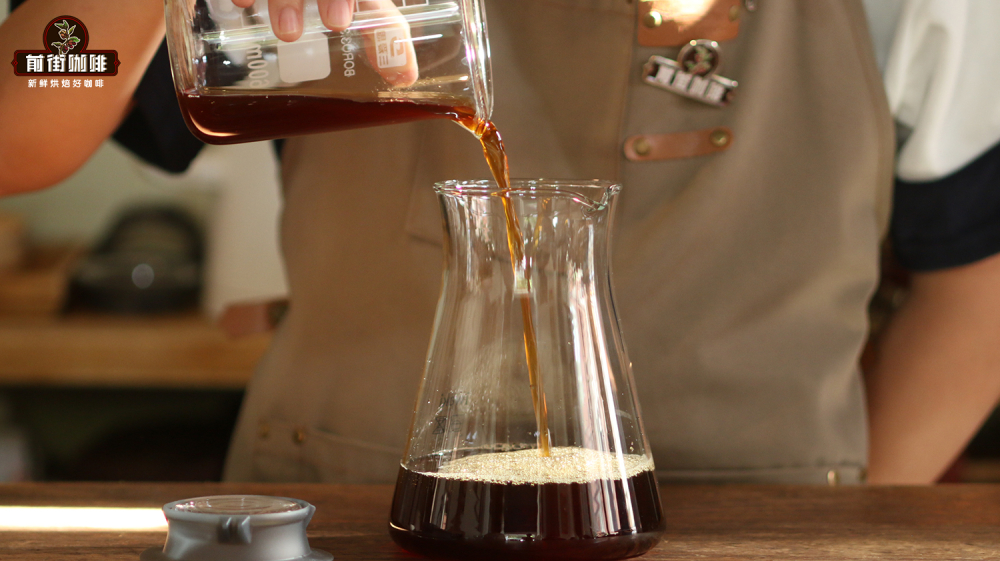
Due to the lower extraction efficiency in a cold environment, large-molecule bitter compounds are less likely to be released, allowing compounds like sugars and organic acids more time to be fully extracted. This results in an excellent balance of acidity, sweetness, and body in cold brew coffee, delivering a smoother and more layered mouthfeel.
To make a delicious cup of cold brew coffee,the choice of coffee beans is crucial. It’s recommended to prioritize light or medium roasted beans, which typically have brighter acidity and rich fruity aromas, making them well-suited for the gentle extraction of cold brew. Dark roasted beans may perform well in hot brewing, but they can often come across as overly intense and bitter in cold brew.
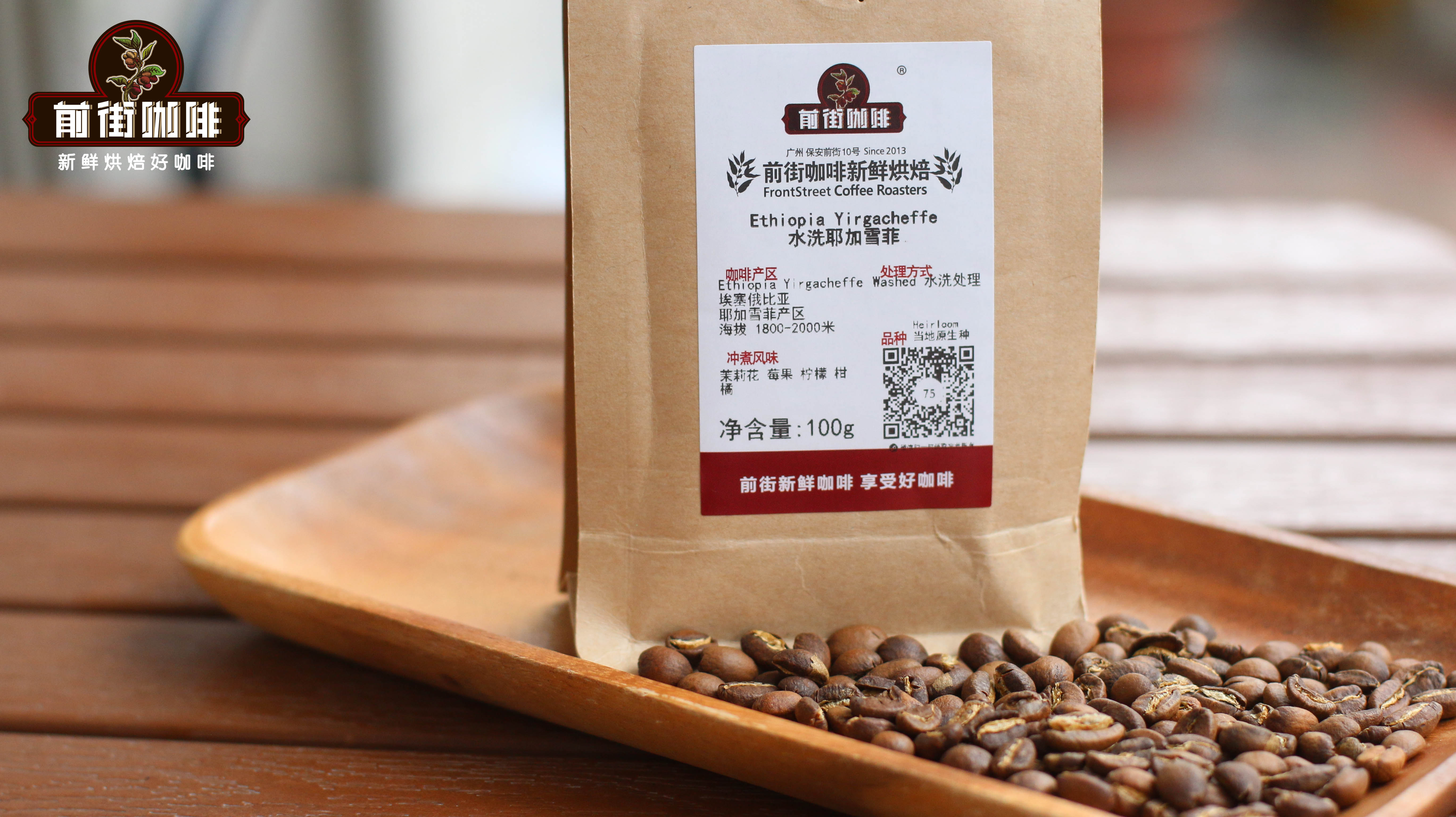
Here are several coffee bean recommendations suitable for cold brew, each with its own unique flavor profile:
Washed Yirgacheffe— features bright lemon and citrus acidity, with a honey-like sweet finish and a clean, crisp mouthfeel.
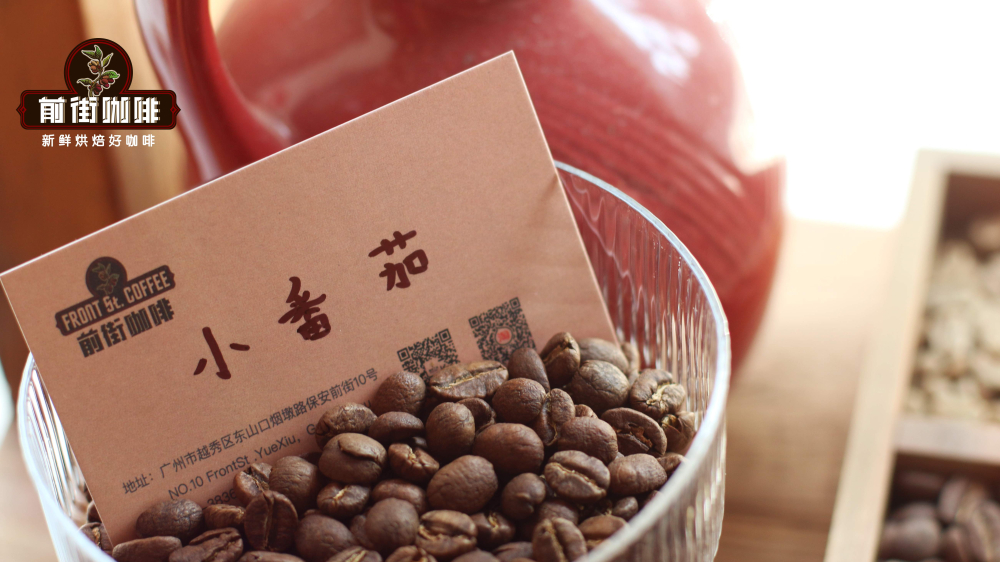
Kenya Little Tomato— a fruit combination of cherry tomatoes, black plums, and black plums, with a well-balanced sweet and sour profile and a juicy mouthfeel.
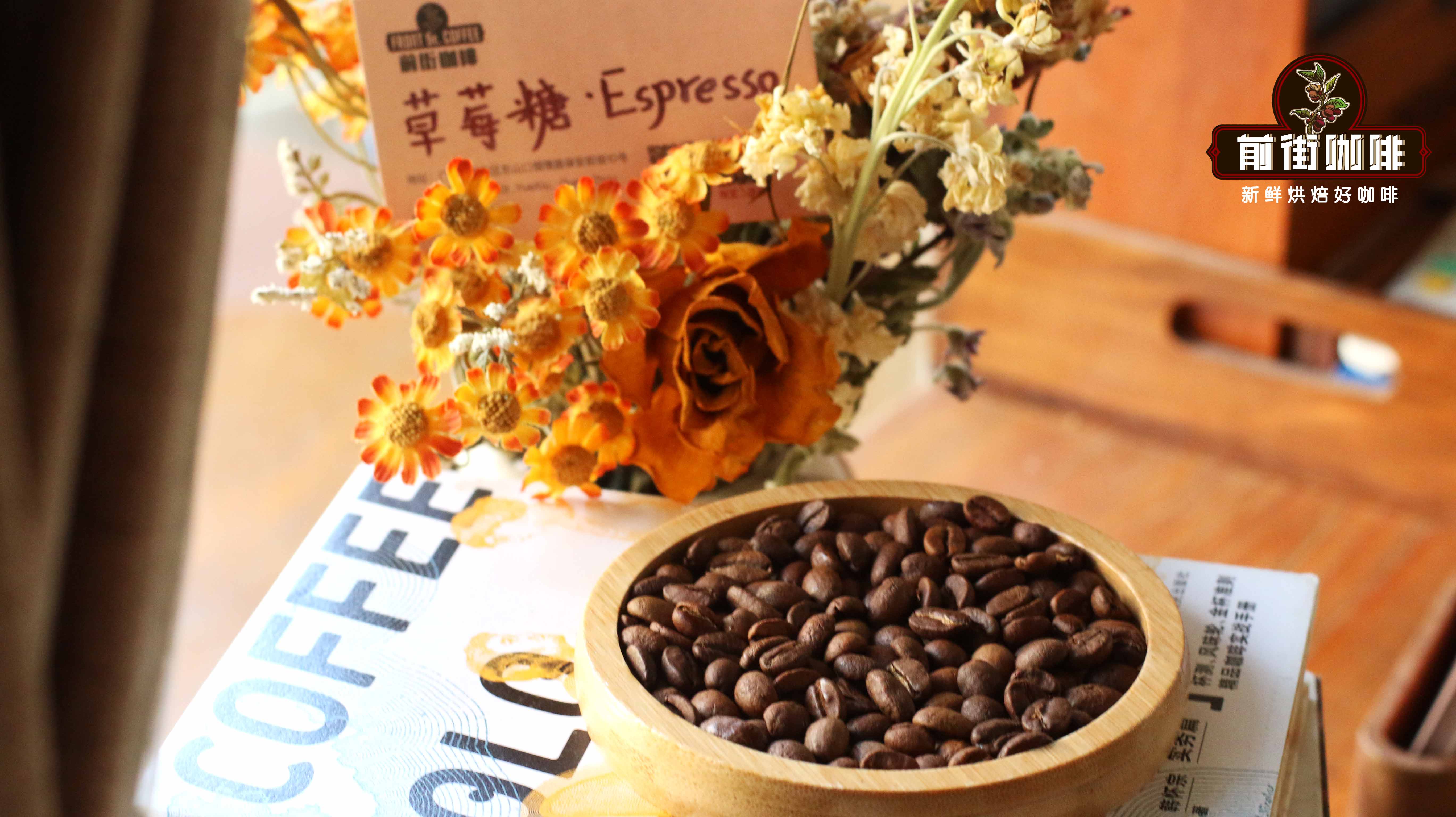
Strawberry Candy— offers rose floral notes along with sweet scents of grapes and strawberry candy, with a lingering aftertaste of dried blueberries.
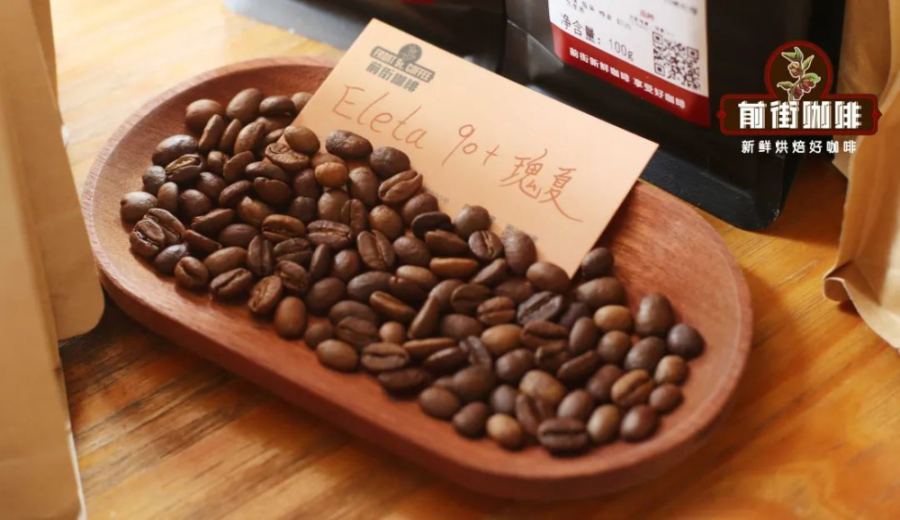
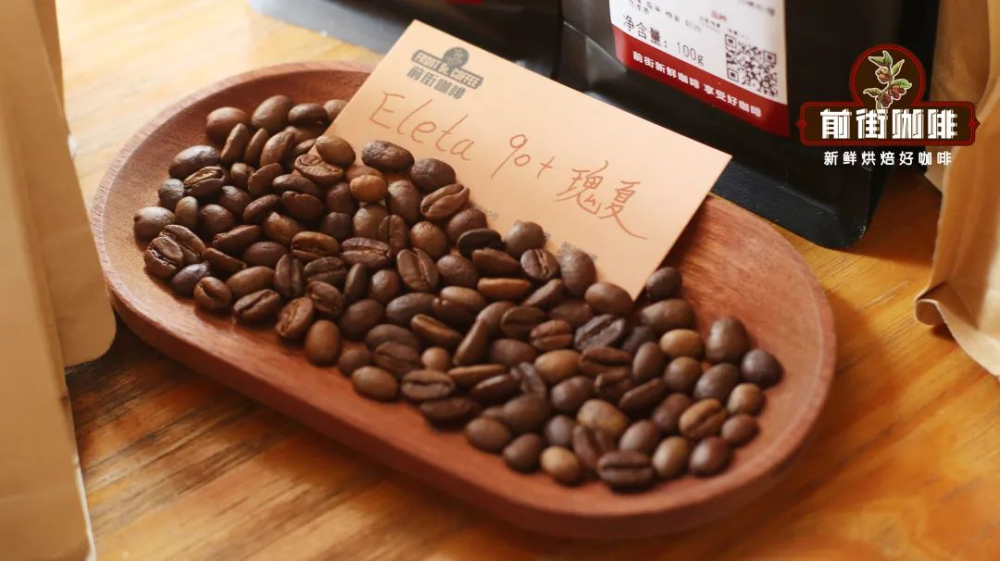
90+ Eleta Geisha— weaves together longan, dried fruit, and fermentation aromas, with a prominent chocolate character, rich body, and layered complexity.
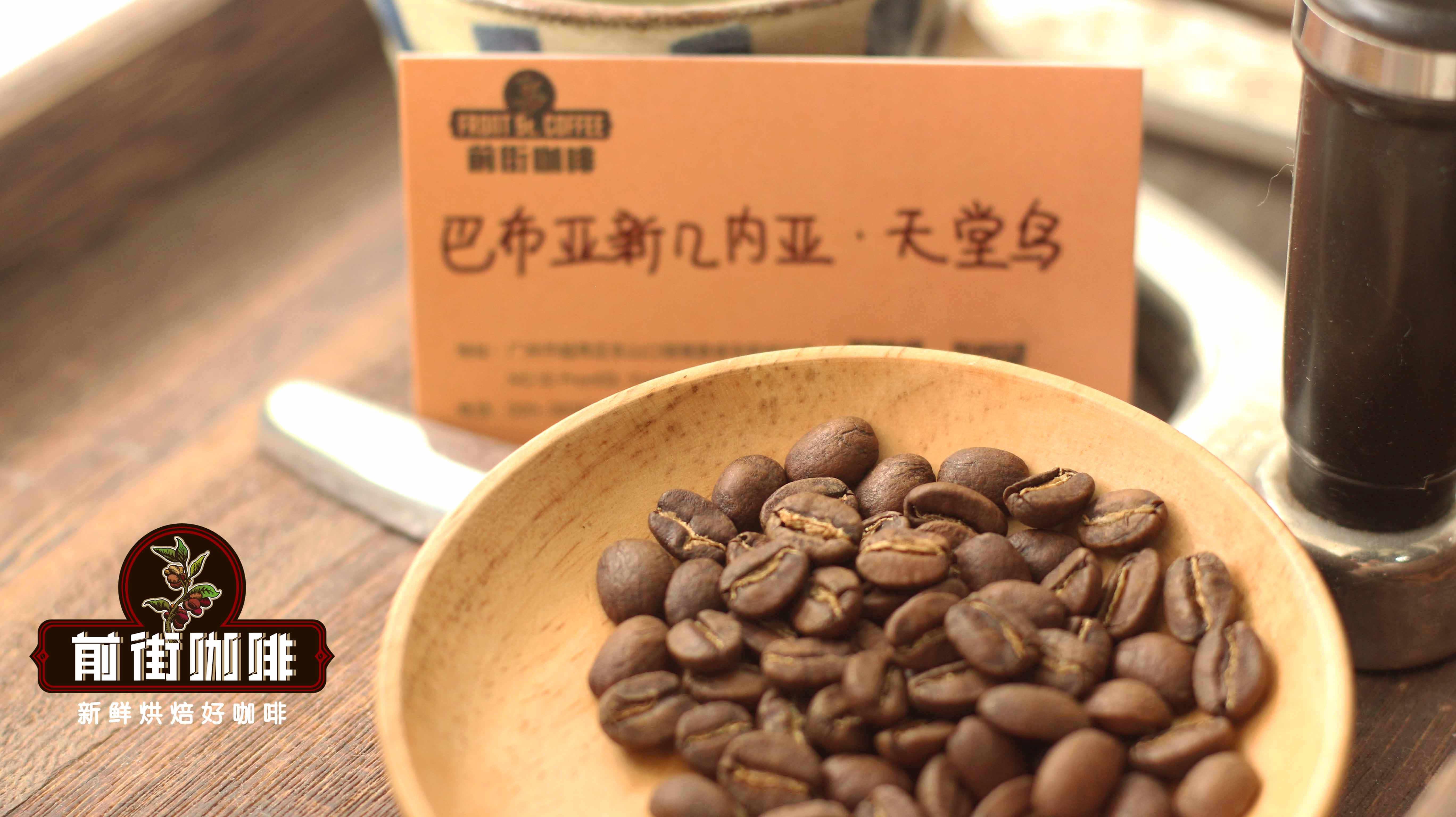
Bird of Paradise— delivers stable notes of nuts and cocoa, with low acidity and subtle bitterness, offering an overall balanced and easy-drinking cup.

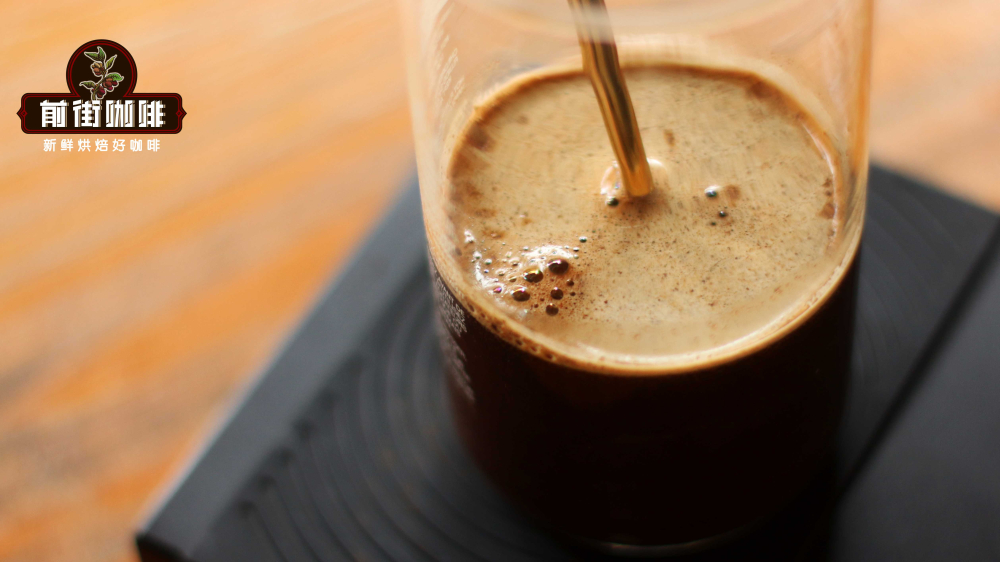
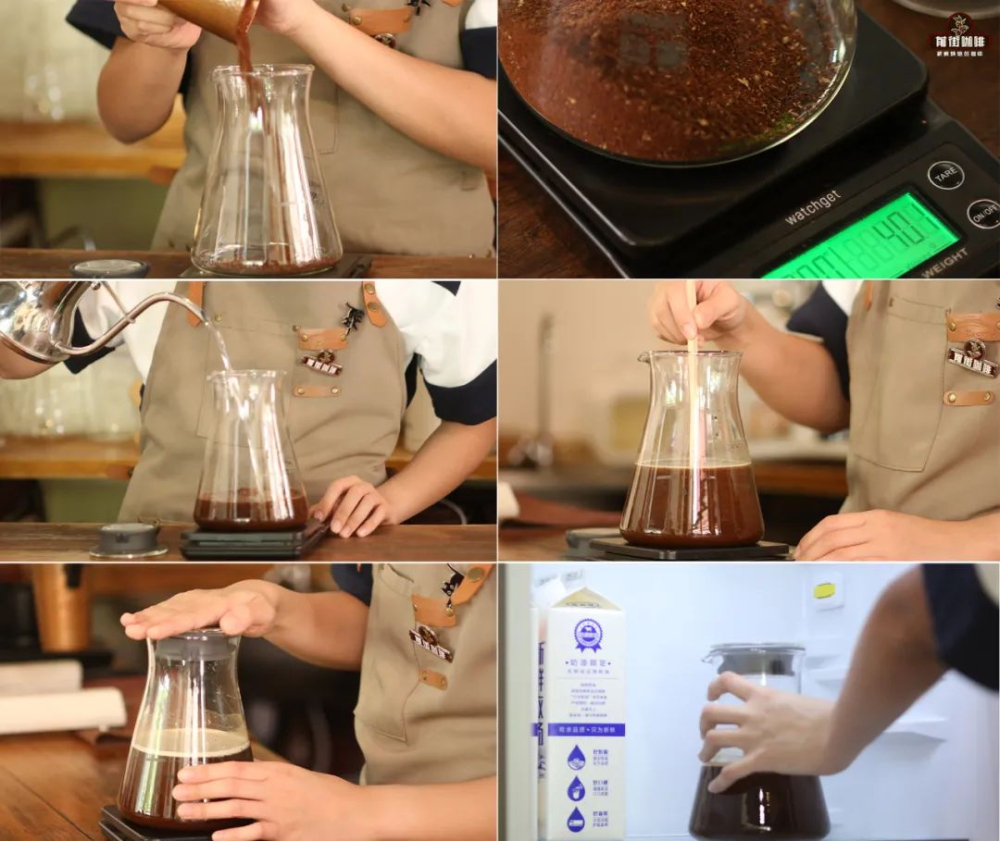
When actually making cold brew coffee, it’s recommended to use light to medium roasted beans with a grind size similar to coarse sugar (approximately 85% passing through a #20 sieve). For example, using a common 1:12 coffee-to-water ratio, combine 40 grams of coffee grounds with 480 milliliters of cold water. Pour the coffee grounds and water into a clean, sealable container, stir gently to mix evenly, then seal.
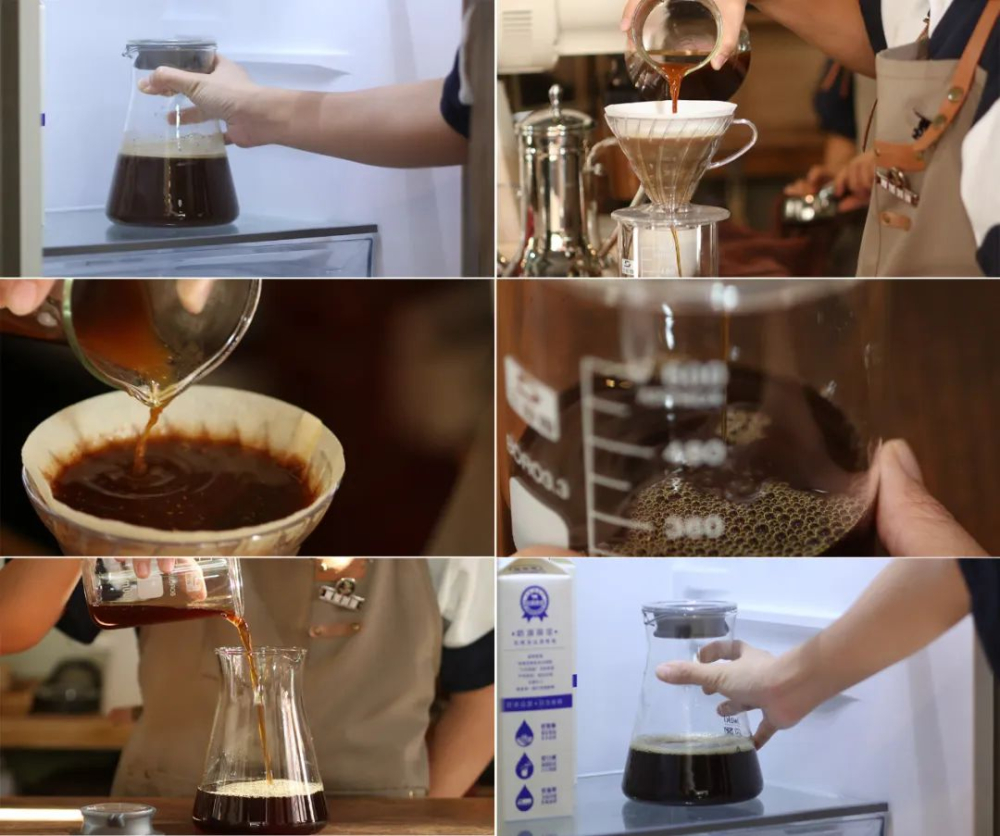
After stirring, it’s advisable to cover the container opening with plastic wrap to prevent refrigerator odors from affecting the flavor. Place the container in the refrigerator and let it steep for 8 to 12 hours — adjust slightly based on personal taste preference. Too short a time may lead to under-extraction, while too long may cause over-extraction and unpleasant flavors.
Once steeping is complete, remove the coffee liquid and filter out the grounds using paper filters or cloth filters to enjoy a clear cold brew. For a more concentrated flavor, you can refrigerate the filtered coffee liquid for another 4 hours to allow the flavors to further integrate.
Whether it's cold brew or cold drip, due to the characteristics of low-temperature extraction, it’s recommended to consume within 5 days of brewing to ensure optimal flavor and drinking safety. Store properly in a sealed container, away from light and strong odors.
The above content is compiled by CoffeeHunters, a coffee news website.

